

readwithpride.com
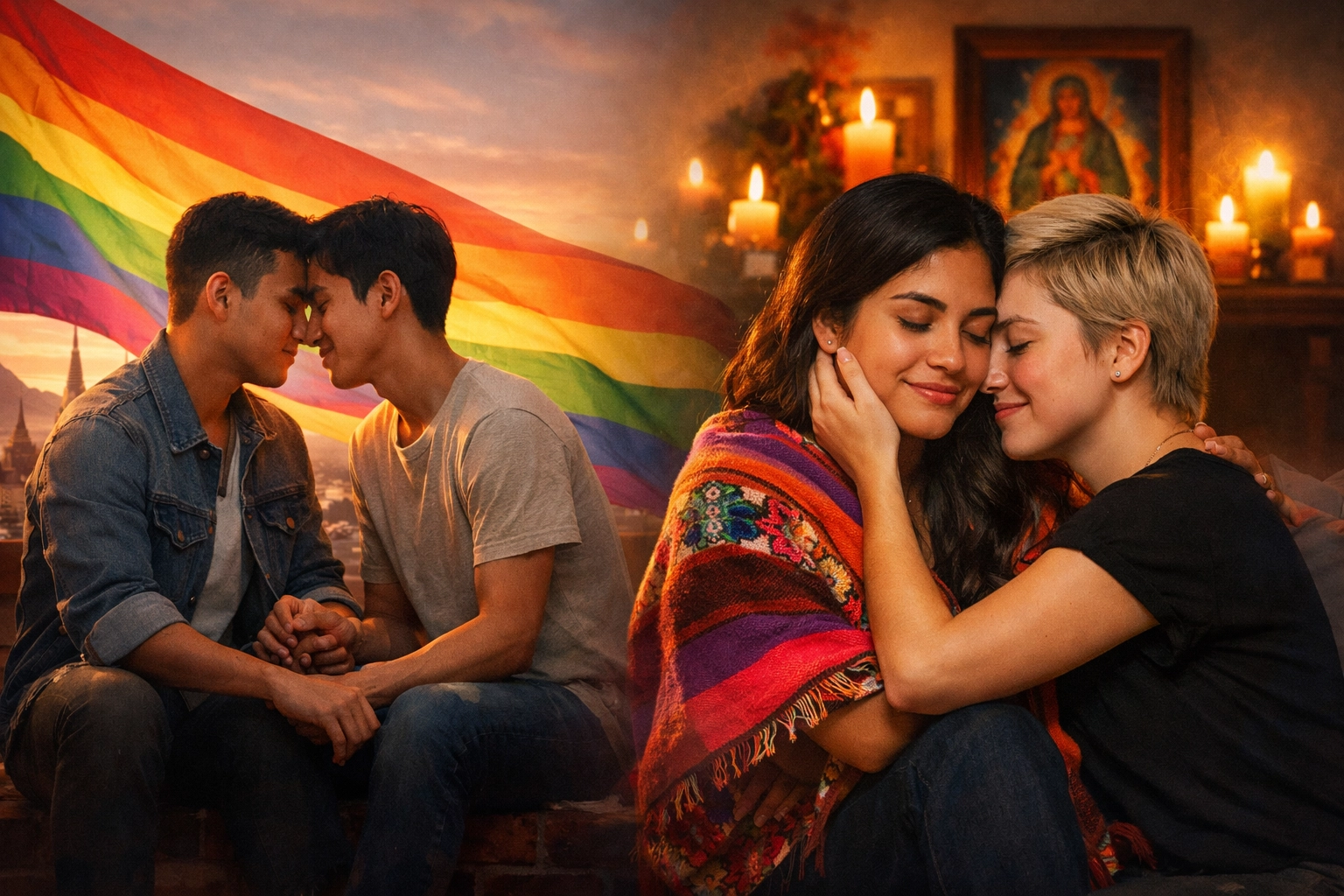
Let’s be real for a second: the "coming out" narrative we see in most mainstream movies and even some of our favorite MM romance books usually follows a very specific, very Western script. You know the one: the big, dramatic dinner table announcement, a tearful monologue, and then a triumphant march into the sunset (or the nearest gay bar) clutching a rainbow flag. It’s a beautiful moment, but for a huge portion of our community, that script feels less like a roadmap and more like a foreign language.
At Read with Pride, we’re all about authentic storytelling. Whether it's through gay romance novels or the real-life experiences of our readers, we know that "honesty" looks different depending on where you come from and the culture that raised you. For many people of color and those from collectivistic societies, coming out isn't just an individual act of liberation; it’s a complex dance between personal identity and family harmony.
In 2026, the global queer community is more connected than ever, yet the "standard" way of being out still carries a heavy Western bias. It’s time we talk about the nuances, the "hiding in plain sight," and the beautiful, quiet ways people honor their heritage while staying true to their hearts.
The Western Script vs. Global Reality
In many Western cultures, visibility is seen as the ultimate goal. If you aren’t "out and proud" in a loud, verbal way, you’re often labeled as "repressed" or "living a lie." But let’s challenge that for a minute. Is it really a lie if your culture prioritizes the "we" over the "I"?
In many Eastern and Southern cultures, the individual is seen as a thread in a larger family tapestry. Pulling on that thread too hard doesn't just affect you; it can unravel the whole thing. Research into coming out models beyond the West shows that many people prefer a "coming home" or "coming with" approach rather than a traditional "coming out."
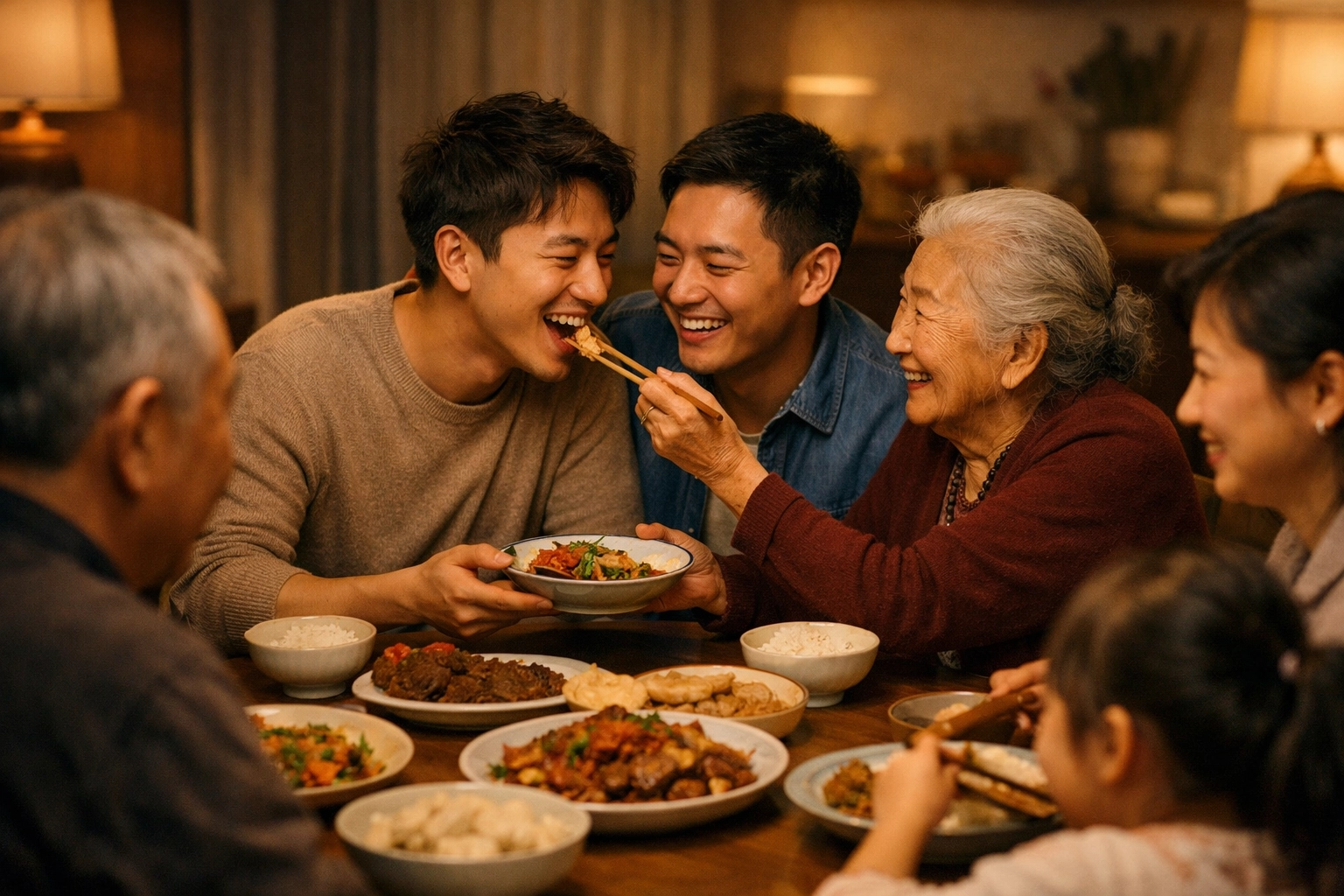
The "coming with" model is a hybrid. It’s about navigating family relationships while preserving your queer identity. You might not have a formal sit-down talk with your parents, but you bring your partner to every family dinner, and eventually, the family "knows" without the need for a potentially explosive verbal declaration. It’s about maintaining the bond while living your truth.
Respect, Silence, and the Latino Experience
In Latino communities, there’s a concept often referred to as falta de respeto: a lack of respect or modesty. For many gay Latino men, a loud, public declaration of sexuality can be seen as a violation of this cultural boundary. It’s not necessarily that the family is homophobic in the way Westerners define it; it’s that talking about sex or personal identity in such a blunt way is seen as "too much."
Because of this, many people choose to express their identity through actions. This might look like introducing a "best friend" who everyone slowly realizes is actually a life partner. It’s a silent agreement. In the world of gay fiction, we see this reflected in tropes like "the roommate" or "slow burn" romances where the tension is high precisely because the characters are navigating these cultural minefields. If you're looking for stories that capture this vibe, check out our collection of MM romance books that dive into these complex family dynamics.
The Language Barrier: When the Words Don't Exist
Here’s a plot twist: some languages don't even have a direct translation for "queer," "non-binary," or even "gay" that doesn't carry a clinical or derogatory weight. When the language of your heritage doesn't have the tools to describe your soul, you have to get creative.
For queer people of color, honesty often manifests through lived experience rather than vocabulary. You might not use the word "gay," but you live a life filled with queer joy, community, and love. This isn't being "closeted": it's being culturally bilingual. You’re translating your identity into a medium your family can understand.
This is why LGBTQ+ fiction and gay literature are so vital. They provide the language we might be missing. When you read a gay historical romance or a contemporary MM novel, you’re seeing versions of yourself that the real world might not have a name for yet.
The "Disclosure Distress" and Finding Your Tribe
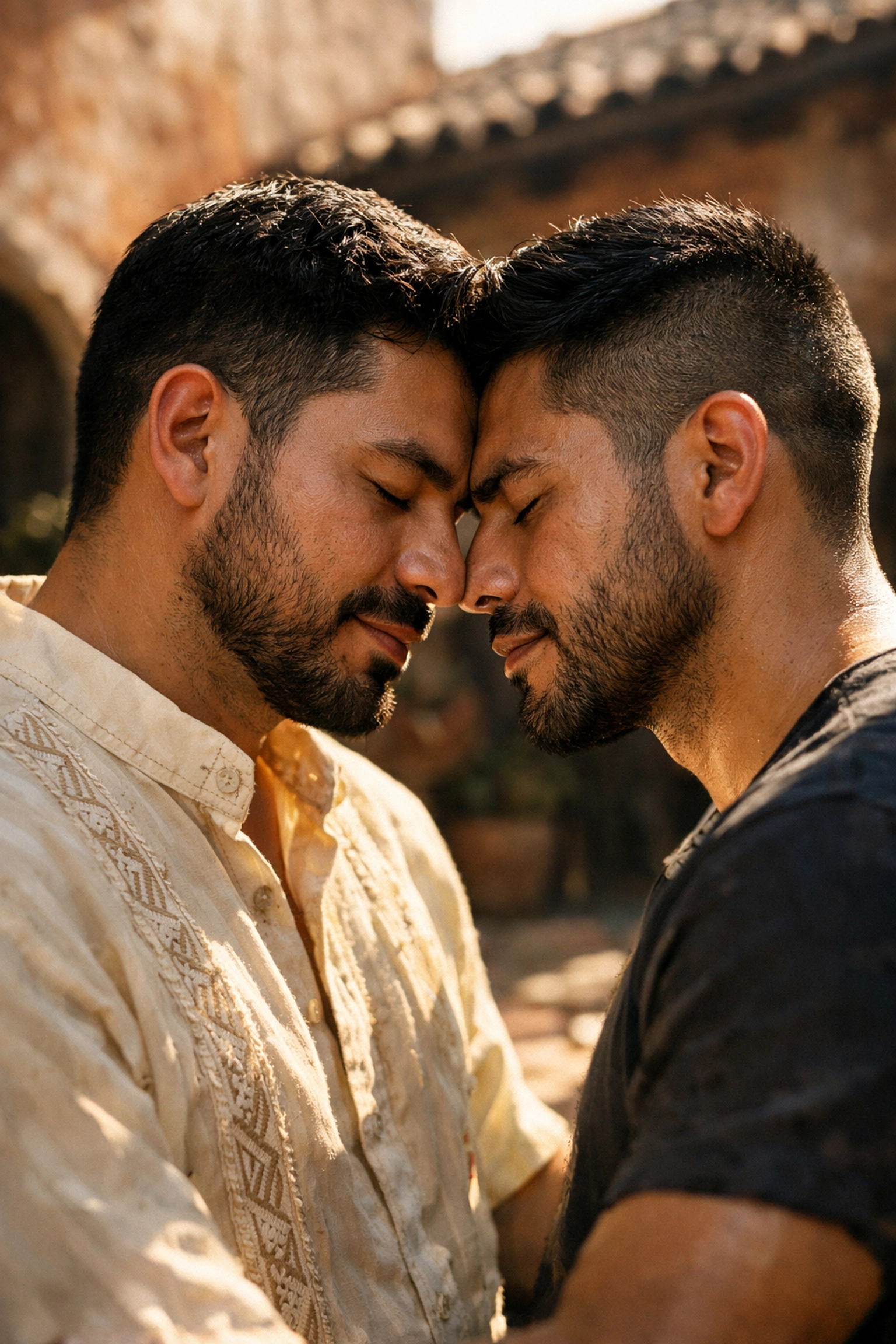
Let’s not sugarcoat it: navigating these nuances is exhausting. Researchers call it "disclosure distress." It’s the constant mental math of deciding who gets to see which part of you. In traditional or religious communities, coming out can feel like a choice between your family and your freedom.
This is where the concept of "Chosen Family" becomes more than just a trope in MM romance books: it becomes a survival strategy. If your biological family can't bridge the gap between their traditions and your truth, you build a new village. But even then, many queer people feel a pull back to their roots. They want the recipes, the festivals, and the history, even if that history hasn't always been kind to them.
Honesty, in this context, is about reclaiming your heritage. It’s about saying, "I am queer AND I am a part of this culture." You don't have to give up your background to move forward in your identity.
Why Representation in MM Romance Matters
At Readwithpride.com, we believe that seeing these diverse journeys in gay books helps normalize the reality that there is no "right" way to come out. When we publish popular gay books that feature characters from diverse backgrounds, we’re showing readers that their specific struggle is seen.
Whether it’s a gay thriller where the stakes are life and death, or a heartfelt gay love story set in a small, traditional village, these stories act as a mirror. They tell us that we aren't alone in our "silence" or our "quiet" ways of being out.

Moving Toward a More Inclusive Future in 2026
As we move through 2026, the goal isn't just to get everyone to come out in a parade of glitter. The goal is to create a world where everyone can live authentically in a way that feels safe and respectful to their own cultural context.
Honesty doesn't always have to be a shout; sometimes, it’s a whisper. It’s a shared look across a dinner table. It’s bringing your partner home for the holidays and seeing them welcomed, even if the "labels" are never explicitly discussed. It’s about finding the "coming with" space where heritage and identity coexist.
If you’re looking for more stories that explore the intersection of culture, family, and queer love, dive into our latest MM releases. We’ve got everything from steamy MM romance to emotional gay fiction that tackles these themes head-on.
The take-away? Your journey is yours. Your heritage is yours. And how you choose to blend the two is a masterpiece in progress.
Stay authentic, stay proud, and keep reading.
Join the Conversation
What does "coming out" look like in your culture? Have you found gay romance novels that actually get it right? Let us know!
Follow us for more updates, book recs, and queer culture:
- Facebook: Read with Pride
- Instagram: @read.withpride
- X (Twitter): @Read_With_Pride
- Website: readwithpride.com
#ReadWithPride #MMRomance #GayBooks #LGBTQFiction #ComingOut #CulturalNuance #QueerIdentity #GayRomanceNovels #2026GayBooks #DiverseRomance

Leave a Reply
You must be logged in to post a comment.