

readwithpride.com
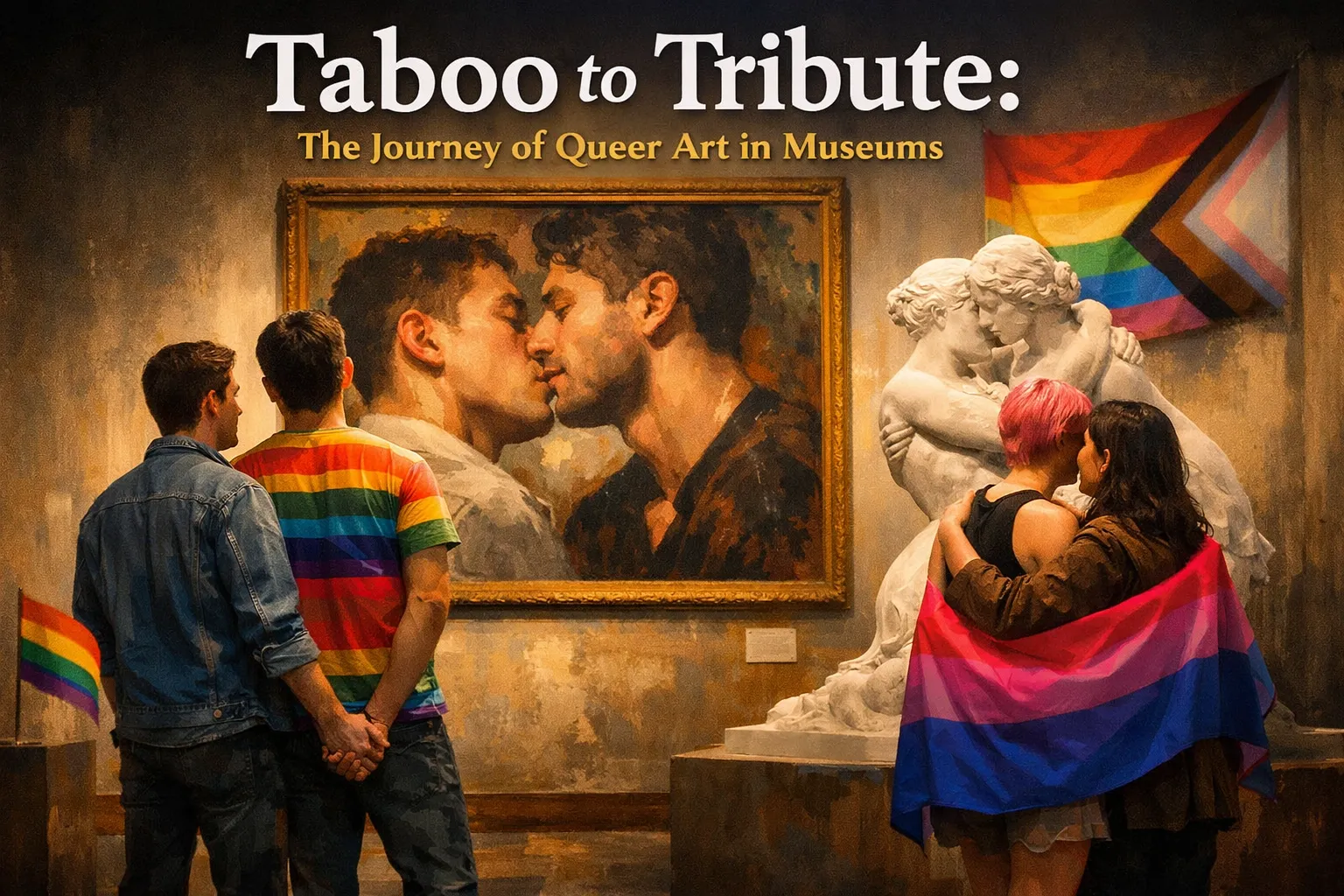
Let’s be real for a second: the history of the LGBTQ+ community hasn’t just been written in journals and whispered in back alleys; it’s been painted, sculpted, and photographed. But for the longest time, if you wanted to see a naked gay body in a museum, it had to be disguised as a "Greek god" or a "dying martyr." If it looked too much like a real man loving another real man, the curators would scurry to hide it in the basement faster than you can say "censorship."
Fast forward to 2026, and the vibe has shifted. We’ve gone from being the "taboo" in the basement to being the "tribute" in the main hall. At Read with Pride, we’re all about celebrating our stories: whether they’re bound in the pages of the best MM romance books or hung on the sterile white walls of a gallery. The journey of queer art is a wild ride of scandal, resilience, and a whole lot of beautiful skin.
The Era of the "Roommate" and Hidden Histories
Back in the day: we’re talking the 1950s and 60s: visibility was a dangerous game. While organizations like the Mattachine Society were starting to push for rights, the art world was playing a massive game of "don't ask, don't tell."
Take a look at heavyweights like Jasper Johns and Robert Rauschenberg. These guys were titans of the mid-century art scene. They were also a couple. But did the major museums mention that? Nope. For decades, institutions like MoMA engaged in what some critics call "curatorial malpractice." They would show the art but completely erase the identity of the artists. It’s like reading a gay romance novel where the author forgets to mention the two leads are actually into each other. It leaves a massive, gaping hole in the narrative.
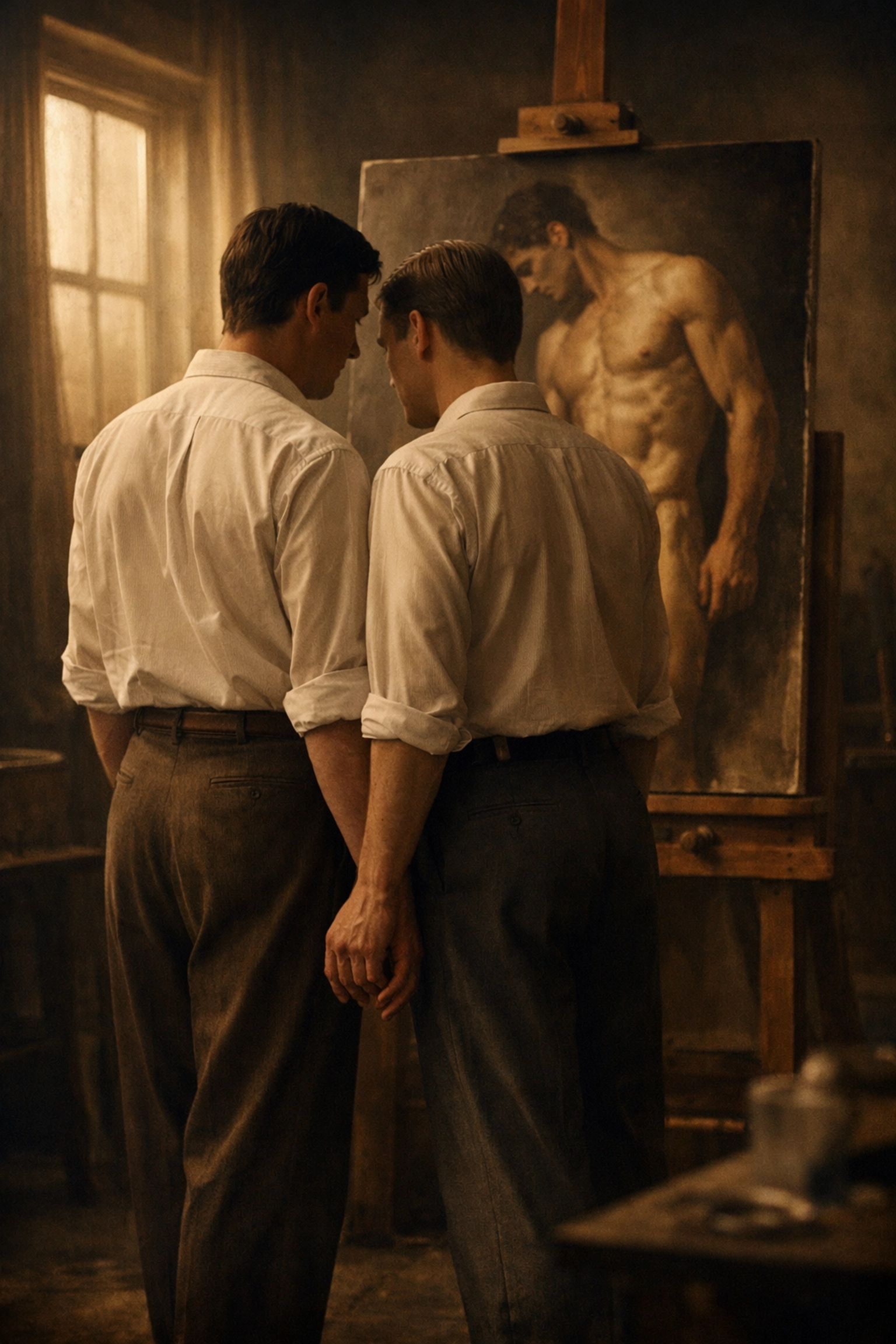
In universities and art schools, the male nude was often treated as a technical exercise: a study of anatomy and musculature. But for queer students and artists, these "technical exercises" were often the only place they could find a reflection of their own desires. It was nudism under the guise of "education," a loophole that allowed the gay body to exist in public spaces as long as it didn't have a name or a sexual orientation attached to it.
The 1989 Explosion: Mapplethorpe and the "Culture Wars"
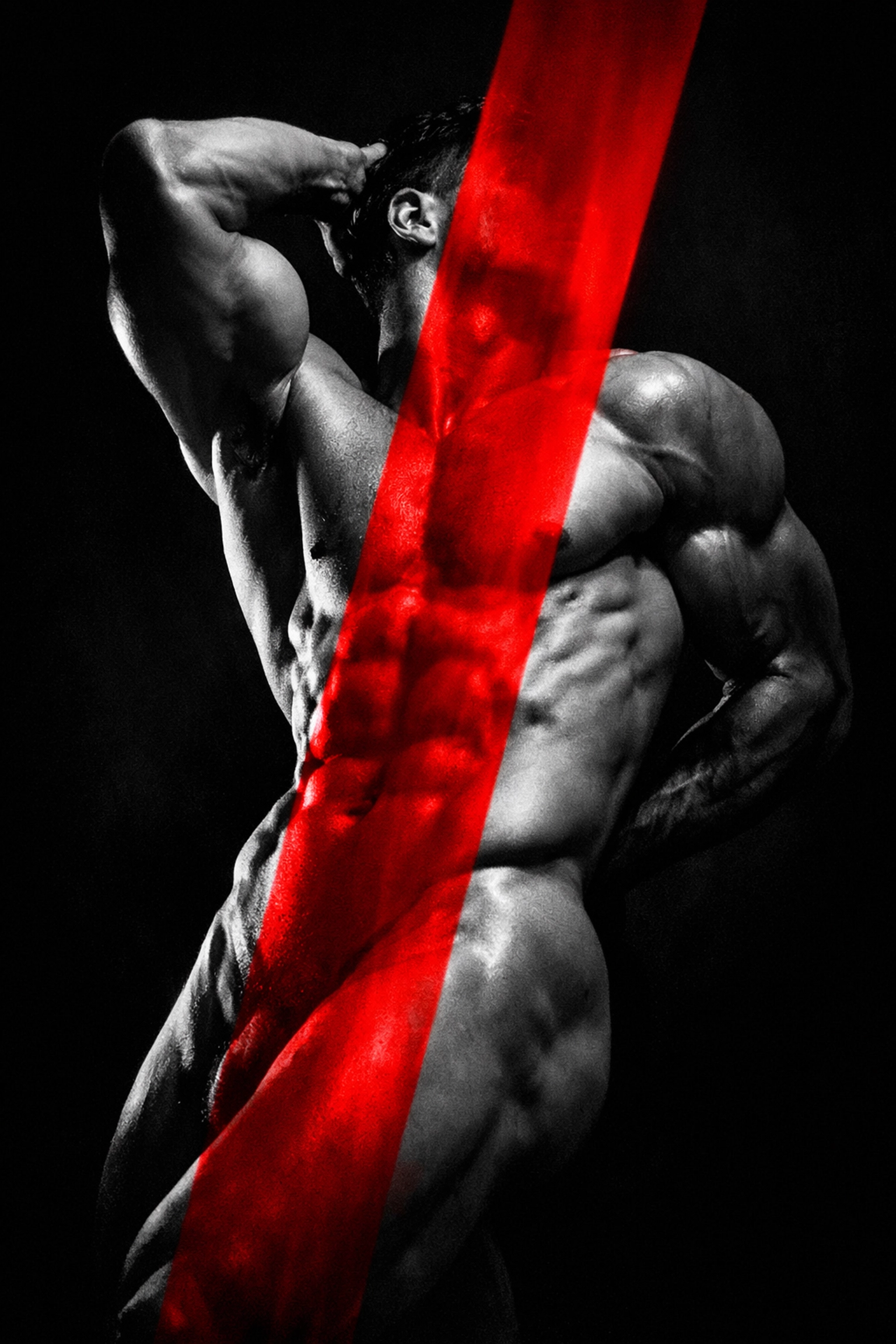
If there’s one moment that changed everything, it was the Robert Mapplethorpe scandal of 1989. Mapplethorpe didn't do "disguised" art. His photography was raw, intentional, and featured naked gay bodies in ways that the mainstream public simply wasn't ready for.
When his exhibition, The Perfect Moment, was set to open at Washington’s Corcoran Gallery, the political world lost its mind. Senator Jesse Helms went on a crusade, calling the work "obscene." The gallery, scared of losing its funding, shut the whole thing down.
This wasn't just about photos; it was a battle for our right to exist in the public eye. For nearly twenty years after that, major museums played it safe. They retreated. They didn't want the heat. But you can't keep a good community down. While the mainstream galleries were busy being cowards, the queer community was busy building its own walls.
Building Our Own Houses: Leslie-Lohman and Beyond
When the "big boys" wouldn't show our art, we did what we always do: we built our own spaces. In 1987, the Leslie-Lohman Museum was founded in New York. It started as a private collection and grew into the world’s first museum dedicated entirely to LGBTQ+ art.
Walking into a space like Leslie-Lohman or the Schwules Museum in Berlin is a spiritual experience. You’re not looking for hidden meanings or "coded" messages. The gay love stories are right there on the canvas. These institutions became the keepers of our visual history, protecting works by artists like Catherine Opie, David Hockney, and Andy Warhol during years when the rest of the world wanted to look away.
If you’re a fan of gay fiction or MM novels, you know how important it is to have a space where you are the default, not the exception. These museums did exactly that for the visual arts.
The Mainstream Catch-up: From Tate to the Prado
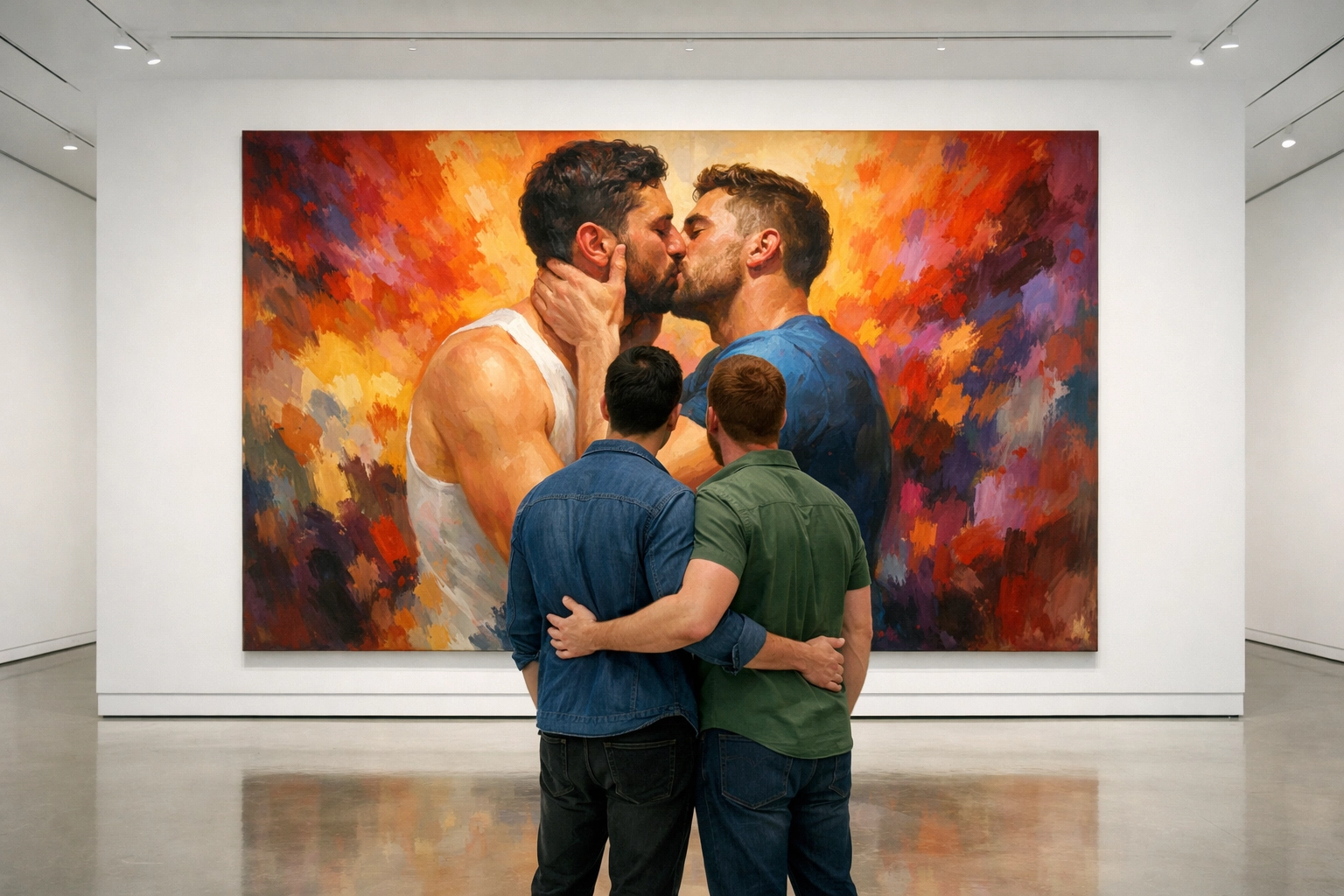
The real "we’ve arrived" moment happened more recently than you might think. In 2017, the Tate Gallery in London mounted Queer British Art. It was a massive, unapologetic celebration of 100 years of queer creativity. It broke records. It proved that people wanted to see these stories.
Since then, the floodgates have opened. The Prado in Madrid: one of the most traditional museums in the world: started re-examining its collection through a queer lens. Even university galleries are now hosting exhibitions that explore the intersection of gender, sexuality, and the body.
We’re seeing a new generation of artists like Louis Fratino and Christina Quarles getting the recognition they deserve. Their work doesn't just feature naked bodies; it features queer lives. It’s messy, it’s intimate, and it’s undeniably beautiful. It’s the visual equivalent of a steamy MM romance: full of heart, heat, and a healthy dose of reality.
2026: The New Frontier of Queer Visibility
As we move through 2026, the landscape is changing again. The American LGBTQ+ Museum is set to open its doors in New York, providing a permanent, high-profile home for our history and culture. This isn't just a win for artists; it’s a win for every queer kid who ever walked through a museum and felt like they didn't belong.
In the world of publishing, we’re seeing a similar boom. The demand for popular gay books and new gay releases is at an all-time high. People are hungry for authenticity. They want to see the naked truth: not just in art galleries, but in the gay romance series they read on their Kindles.
Whether it’s a photograph in a museum or a gay thriller on your nightstand, queer art is about reclaiming the narrative. It’s about saying, "This is my body, this is my love, and it deserves to be seen."
Why Art and Literature Matter More Than Ever
You might wonder why we’re talking about museums on a site dedicated to LGBTQ+ ebooks. The truth is, they’re two sides of the same coin. Art provides the visual language for our desires, while literature provides the emotional roadmap.
When you read a heartfelt gay fiction story or a MM historical romance, you’re engaging with the same themes that Mapplethorpe or Hockney explored: identity, connection, and the courage to be oneself in a world that often demands conformity.
At Read with Pride, we believe that every story matters. From the top LGBTQ+ books of the year to the hidden gems in our author archives, we are dedicated to bringing you content that reflects the full spectrum of our community.
What to Look for in 2026
If you’re looking to dive deeper into queer culture this year, here’s a quick checklist:
- Museum Visits: Check out the new American LGBTQ+ Museum or revisit classics like the Leslie-Lohman.
- Art Books: Look for collections that feature contemporary queer artists who are pushing boundaries.
- Reading Lists: Don't forget to stock up on 2026 gay books. Whether you love gay fantasy romance or gay psychological thrillers, there’s something new waiting for you.
- Community: Join a gay book club or follow us on social media to stay updated on the latest trends in queer fiction.
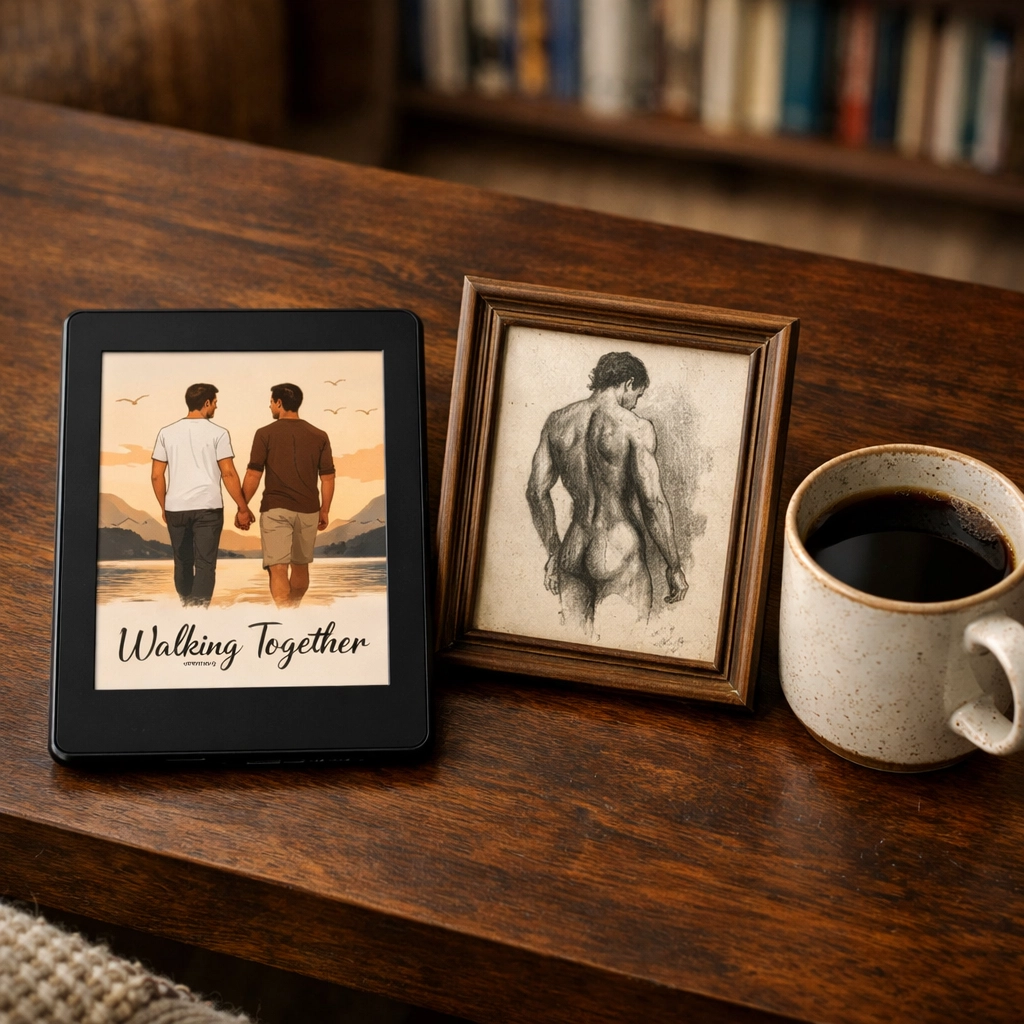
The journey from taboo to tribute wasn't easy. It was paved with protests, lawsuits, and a lot of brave artists who refused to put their clothes back on or hide their partners. But today, we get to reap the rewards. We get to walk into a museum, see a beautiful, naked gay body, and realize that it’s not just "art": it’s us.
And if you can't make it to a museum today, you can always find a masterpiece between the covers of a book. Check out our latest releases and find your next favorite story.
Stay proud, stay visible, and keep reading.
Follow us for more queer culture and book recommendations:
- Facebook: Read with Pride on FB
- X (Twitter): @Read_With_Pride
- Instagram: @read.withpride
Got questions about queer literature or art?
Visit our FAQ page or Ask us a question directly!
#ReadWithPride #QueerArt #LGBTQHistory #MMRomance #GayBooks2026 #GayLiterature #MuseumExhibitions #QueerVisibility #GayFiction #MaleNudeArt

Leave a Reply
You must be logged in to post a comment.