

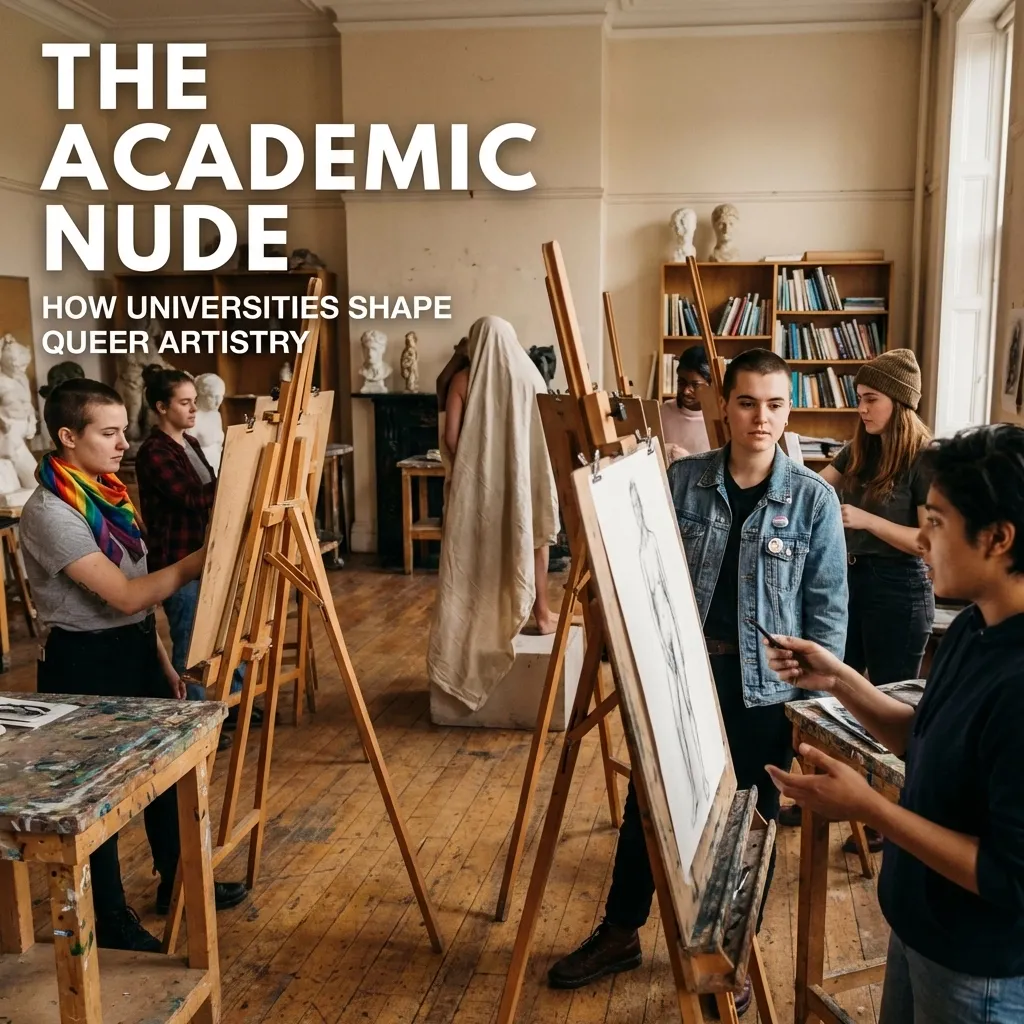
readwithpride.com
Let’s be real for a second: the art world has always been a little bit obsessed with the naked body. From those dusty Greek statues with their suspiciously perfect proportions to the Renaissance paintings that fill up every major museum, the "nude" is the bread and butter of art history. But for a long time, the way we looked at those bodies was through a very specific, very straight lens.
That’s where the university comes in. It’s not just a place for late-night cramming and overpriced coffee; for many queer artists, the university studio is the first place they get to look at the male form: and their own identity: without the weight of the "closet" hanging over them. In 2026, the academic nude isn't just about drawing muscles; it’s about reclaiming the narrative of gay bodies in art, photography, and literature.
At Read with Pride, we’re all about celebrating the stories that come out of these spaces. Whether it’s a beautifully shot photography book or a gay contemporary romance set in a fine arts department, we know that the intersection of academia and queer artistry is where the magic happens.
The Studio: Where the Queer Gaze is Born
If you’ve ever stepped into a life drawing class at a university, you know the vibe. It’s quiet, it smells like charcoal and turpentine, and there’s a naked person standing on a pedestal in the middle of the room. Traditionally, this was about "objective" study. You learn the anatomy, you master the shading, you move on.
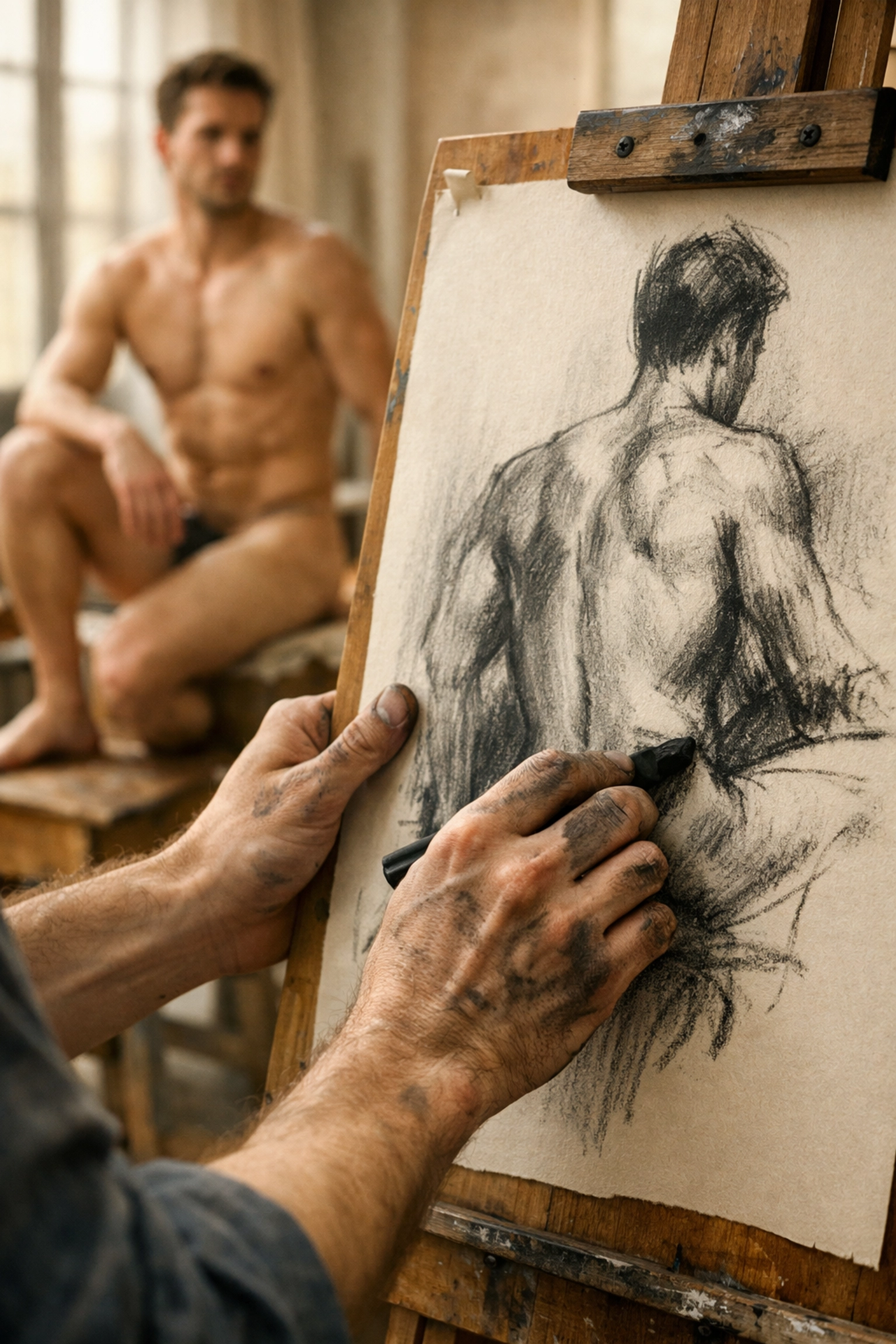
But for a queer student, that space is rarely objective. It’s deeply personal. When a gay artist sits down to draw a male nude, they aren't just looking at a "subject." They are looking at desire, at identity, and at a reflection of their own community. The university provides a safe, structured environment to explore this "Queer Gaze."
Instead of the objectification we often see in mainstream media, academic queer art focuses on the humanity of the body. It’s about the curve of a back, the tension in a hand, and the vulnerability of being seen. This academic rigor allows artists to move beyond "eye candy" and create something that actually says something about the LGBTQ+ experience.
From the Classroom to the Gallery: The Power of Exhibition
Universities do more than just provide studio space; they provide a platform. Campus galleries and student exhibitions are often the first places where gay fiction themes and queer visual art are allowed to breathe.
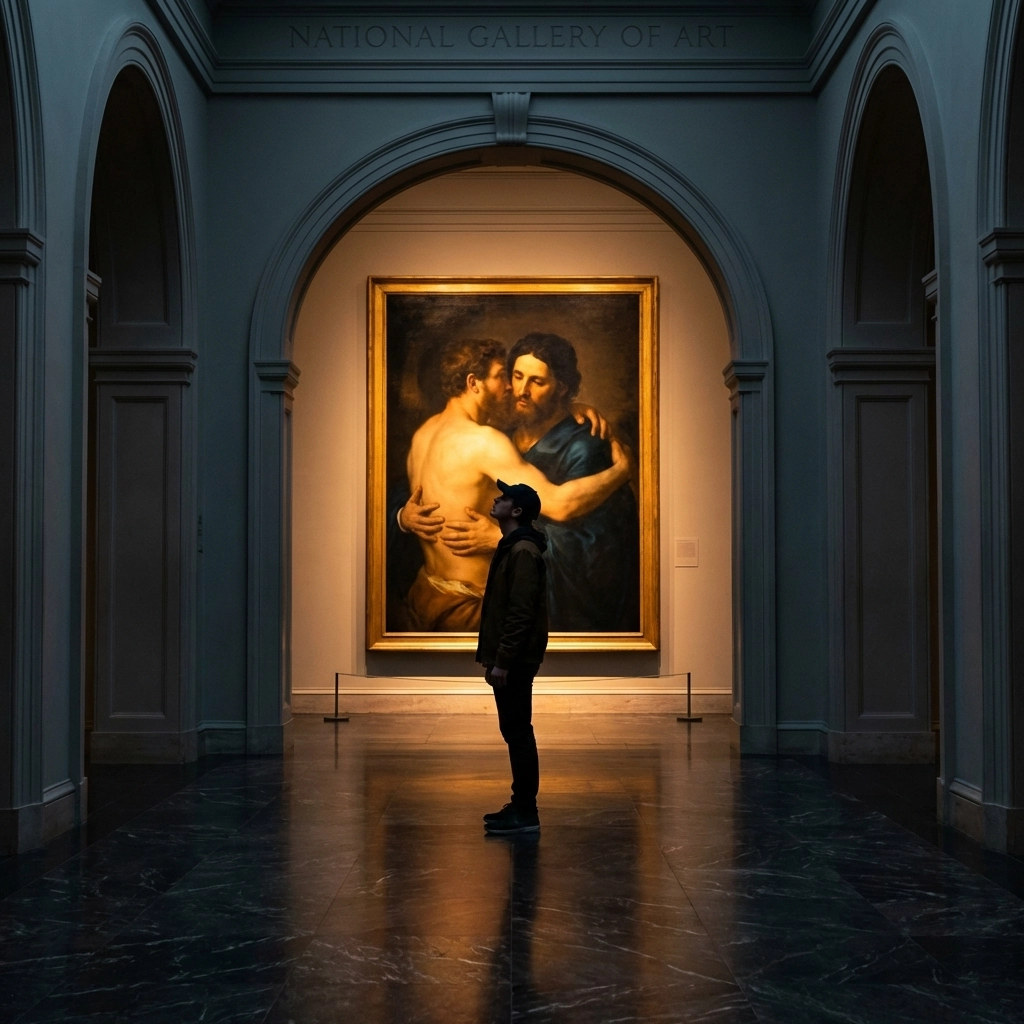
In these spaces, the naked gay body isn't treated as a "scandal." It’s treated as art. This is a massive shift from the outside world, where images of gay intimacy or nudity are often censored or relegated to "adult-only" corners of the internet. By placing queer nudes in a museum or university exhibition, the institution validates the queer experience. It says: This body belongs here. This story is worthy of study.
We see this reflected in some of the most popular MM romance books of 2026, where characters often find their voice: and their love interests: in these very galleries. If you're looking for a story that captures this vibe perfectly, check out The Canvas and the Closet. It dives deep into that world of art, secrets, and the bravery it takes to show your true self to the world.
Subverting the Classical "Ideal"
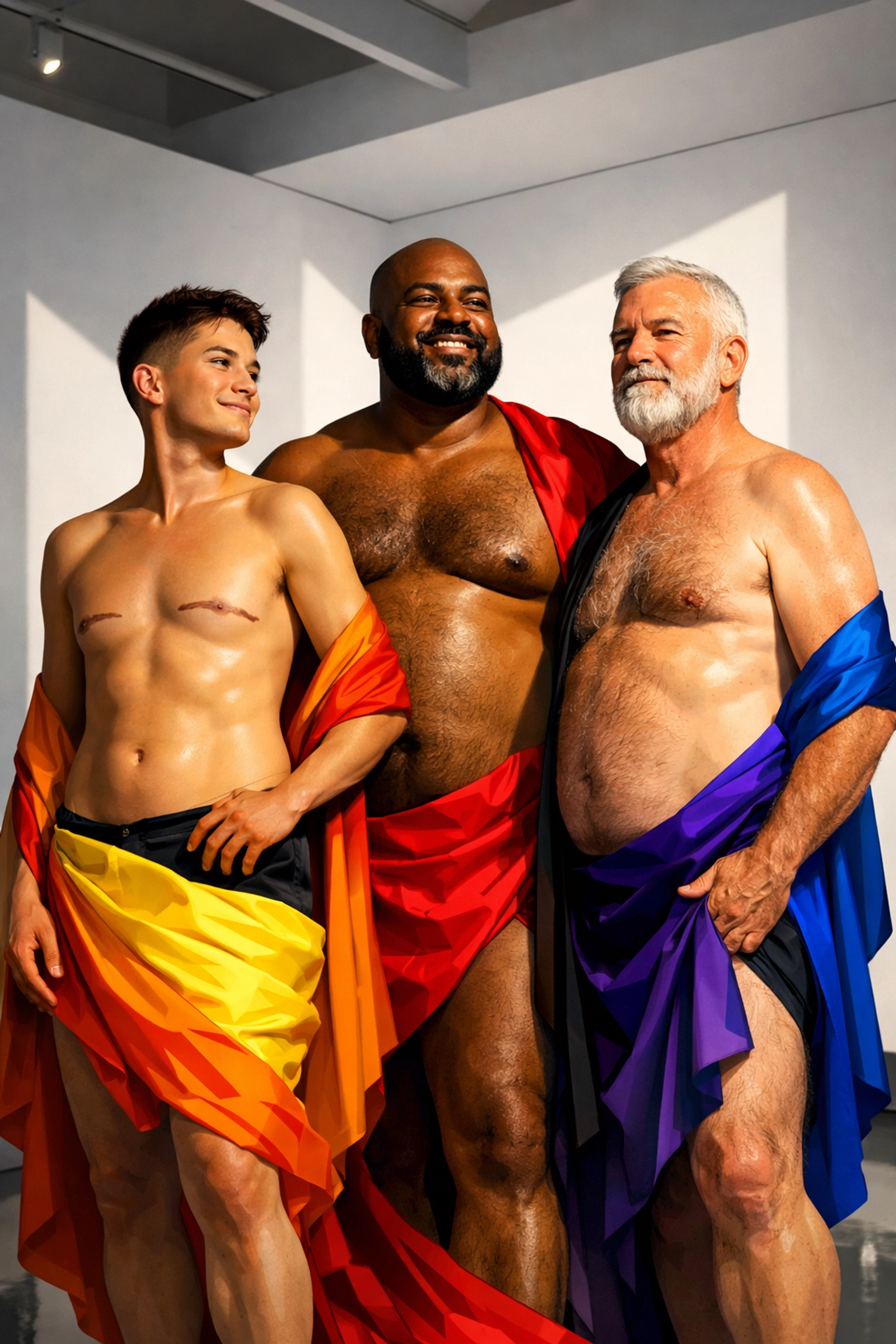
For centuries, the academic nude was about the "ideal" body: usually white, cisgender, and able-bodied. Modern university programs are leading the charge in tearing that down. Queer artistry in the academic world today is all about diversity.
We’re seeing exhibitions that celebrate trans-masculine bodies, older bodies, and bodies that don't fit the "gym-sculpted" mold. This is where nudism in art becomes truly radical. It’s not about perfection; it’s about truth.
When you browse through LGBTQ+ fiction or queer fiction today, you’ll notice the covers and the descriptions are starting to reflect this. We’re moving away from the generic "headless torso" and toward art that shows character and soul. The influence of university-trained artists is clear: they are bringing a level of thoughtfulness and inclusivity to the visual language of the gay community.
Photography, Nudism, and the Digital Shift
While charcoal and oil paint are the classics, photography is where a lot of the modern academic debate happens. How do we photograph the naked gay body without it being "pornographic"? How do we use light and shadow to tell a story of resilience or joy?
University photography programs encourage students to push these boundaries. They look at the history of nudism: from the early 20th-century "physique" magazines to contemporary fine art: and ask how we can do better. This academic approach helps separate the art from the "content." It gives queer photographers the tools to create work that ends up in high-end coffee table books and prestigious museums, rather than just disappearing into a social media feed.
At Readwithpride.com, we see this artistry every day in the creators we support. The same level of care that goes into a university thesis on queer photography goes into the gay novels and gay literature we publish. It’s all about the craft.
Why This Matters for the Reader
You might be wondering, "Penny, I just want a good MM romance to read on the train. Why does university art theory matter to me?"
It matters because the art we see shapes the way we see ourselves. When universities foster an environment where gay nude art is appreciated, it trickles down into everything else. It affects how book covers are designed, how characters are described in gay love stories, and how we perceive beauty in our own lives.
The "Academic Nude" isn't just a painting on a wall; it’s a statement of belonging. It’s the foundation for the best MM romance books of 2026 because it gives authors and artists the permission to be raw, honest, and unashamed.
Looking Ahead: Queer Art in 2026 and Beyond
As we move through 2026, the role of the university in shaping queer artistry is only getting stronger. With more specialized LGBTQ+ art history courses and a growing body of academic research into the "queer body," the next generation of artists is better equipped than ever to challenge the status quo.
We’re seeing more collaborations between writers and visual artists, creating immersive experiences that combine gay fiction with stunning visual art. The lines are blurring, and that’s a good thing. Whether it’s a museum exhibition in London or a digital gallery on a site like ours, queer art is finding its way into the light.
If you’re a fan of art, storytelling, and the beauty of the human form, there’s never been a better time to dive in. Keep supporting queer artists, keep reading gay romance novels, and keep pushing for spaces where our bodies and our stories are celebrated without apology.
Ready to explore some of these themes in your next read? Browse our full collection of LGBTQ+ ebooks at Read with Pride. From gay historical romance to gay psychological thrillers, we’ve got something that will capture your imagination.
Don't forget to follow our journey and stay updated on the latest releases and art discussions:
- Facebook: Read with Pride on Facebook
- X (Twitter): @Read_With_Pride
- Instagram: @read.withpride
Let’s keep the conversation going. What’s your favorite piece of queer art? Does it remind you of a specific book or story? Let us know!
#QueerArt #LGBTQBooks #MMRomance #AcademicNude #GayFiction #ReadWithPride #ArtHistory #GayLiterature #2026Books #QueerGaze

Leave a Reply
You must be logged in to post a comment.