

readwithpride.com
Let’s be real: the queer body has always been a masterpiece, but for a long time, the art world treated it like a secret kept in a locked drawer. For decades, if you wanted to see art that reflected your own desires: the curve of a shoulder, the intimacy of a look, the raw honesty of naked gay bodies: you had to look between the lines of "classical" figures or find it in the underground.
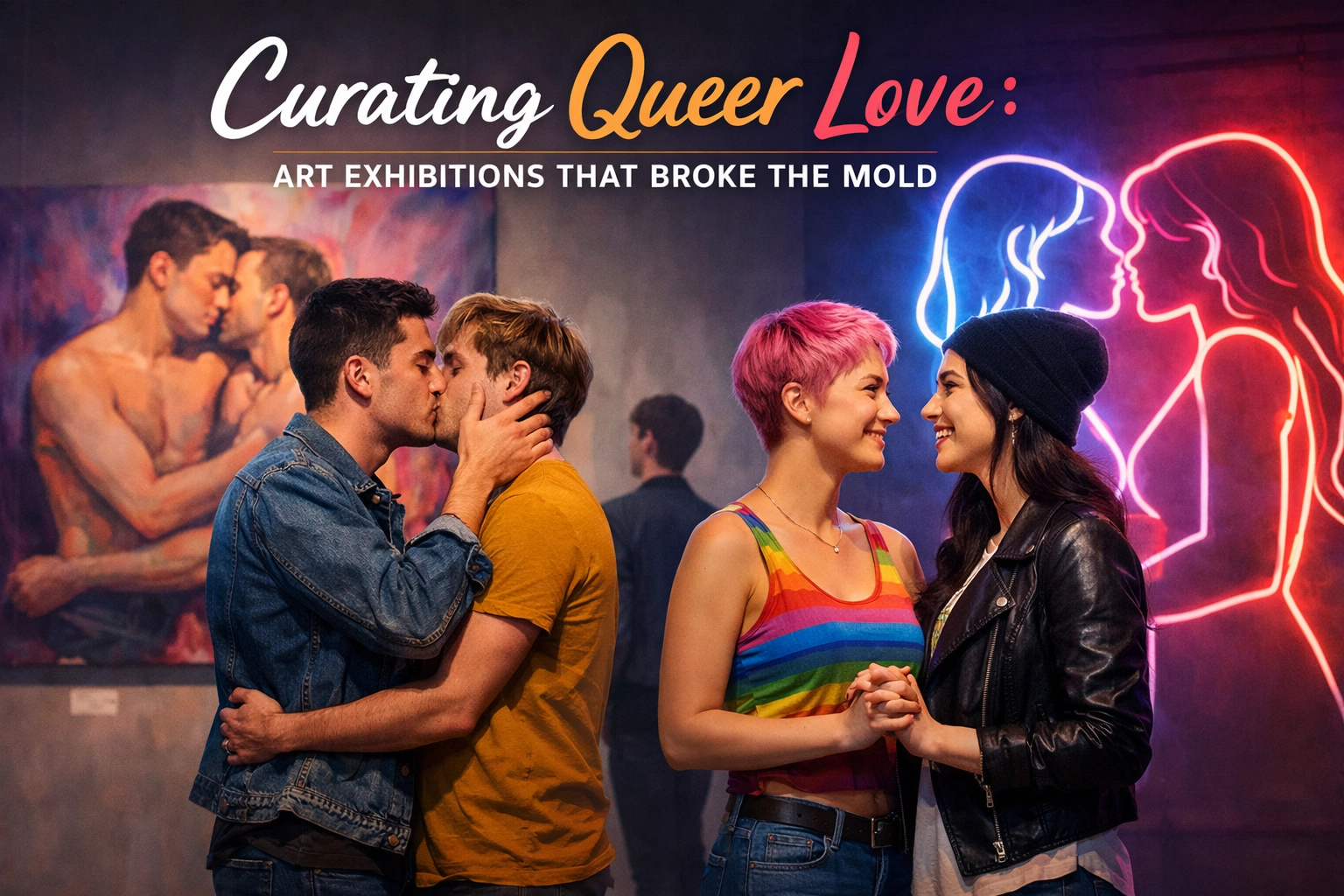
But things have changed. From the neon-lit lofts of 1970s Soho to the prestigious halls of modern museums, queer art has fought its way to the front and center. It’s not just about "nudism in art" for the sake of shock value; it’s about reclaiming our stories and seeing our love reflected in high-definition, unapologetic glory. At Read with Pride, we’re all about storytelling, and sometimes the most powerful stories are told through a lens or a brushstroke rather than a pen.
In this deep dive, we’re looking at the groundbreaking exhibitions that didn't just show queer art: they broke the mold of how the world sees us.
The Pioneers: When Queer Art Was an Act of Rebellion
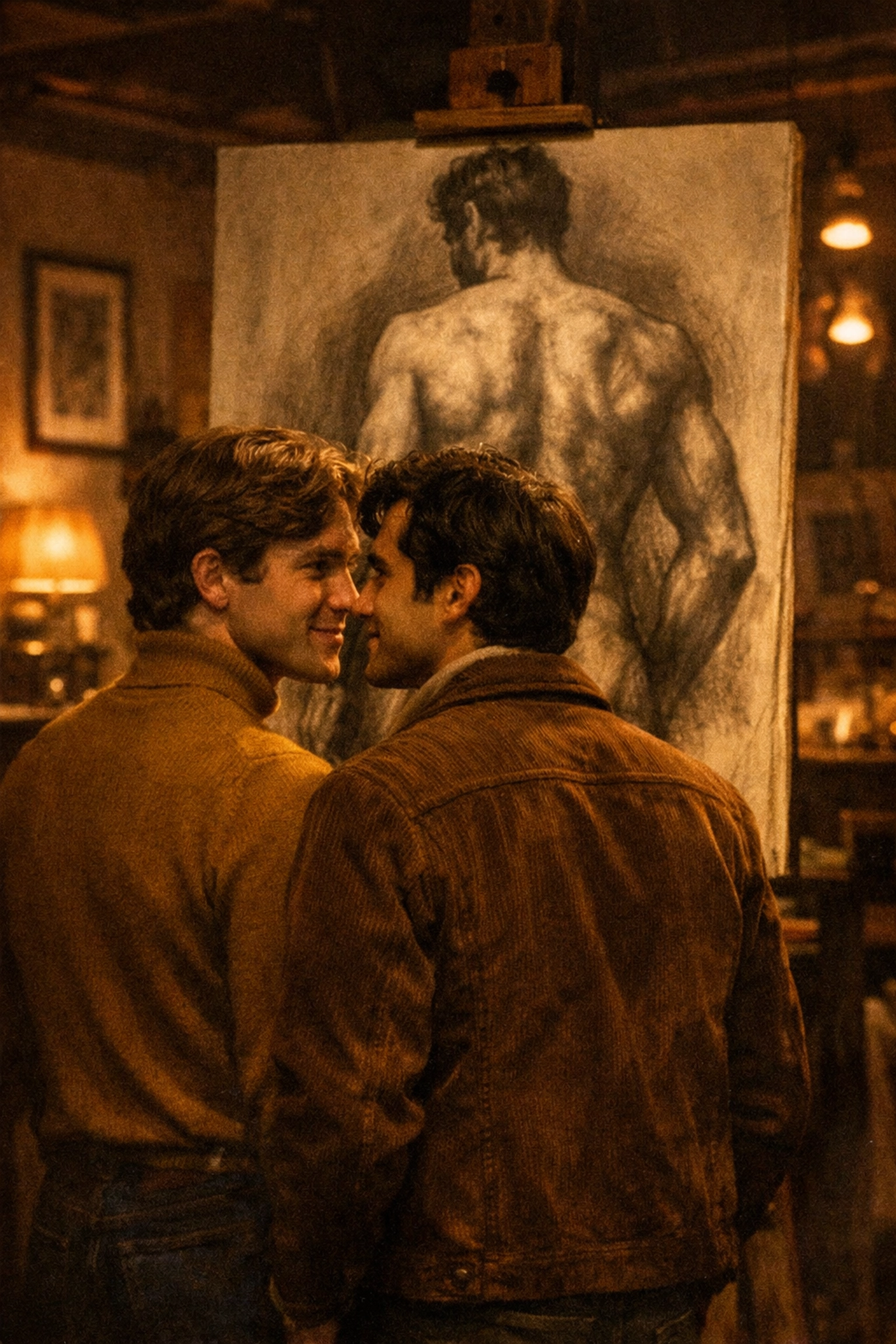
If we’re talking about the history of queer art exhibitions, we have to start with the Leslie-Lohman Museum. Back in 1969: the same year as the Stonewall Riots: Charles Leslie and J. Frederic "Fritz" Lohman held an exhibition in their Soho loft. Can you imagine the vibes? In a world where gay people were still being targeted by the police and "decency" laws were used as a weapon, these two decided to hang art that celebrated the male form and gay desire.
By 1972, they opened the Leslie Lohman Gallery on Broome Street. This wasn't just a gallery; it was a sanctuary. It survived the heights of the AIDS crisis and constant intimidation, proving that our community’s need for visual representation was stronger than the fear surrounding it. They paved the way for the gay novels and MM romance books we love today by proving there was a massive, hungry audience for queer-centric narratives.
1980: The Great American Lesbian Art Show (GALAS)
While the boys were doing their thing in NYC, the West Coast was making its own waves. In the spring of 1980, the Woman’s Building in Los Angeles hosted the Great American Lesbian Art Show. This was huge. Curated by Bia Lowe, it featured ten "out" lesbian artists.
It wasn’t just about the art; it was about the visibility. At a time when being "out" could cost you your career, these artists put their work: and their identities: on the line. It challenged the "hetero-centrism" of the art world and demanded that lesbian perspectives be given the same institutional weight as anyone else’s. It’s the same energy we see in our favorite queer fiction today: that refusal to be sidelined or edited for a "mainstream" (read: straight) audience.
The Modern Renaissance: "Queer Love" (2023)
Fast forward to 2023, and the conversation shifted from "we are here" to "this is how we love." The exhibition "Queer Love: Affection and Romance in Contemporary Art" at La MaMa Galleria and Lehman College Art Gallery was a total game-changer.
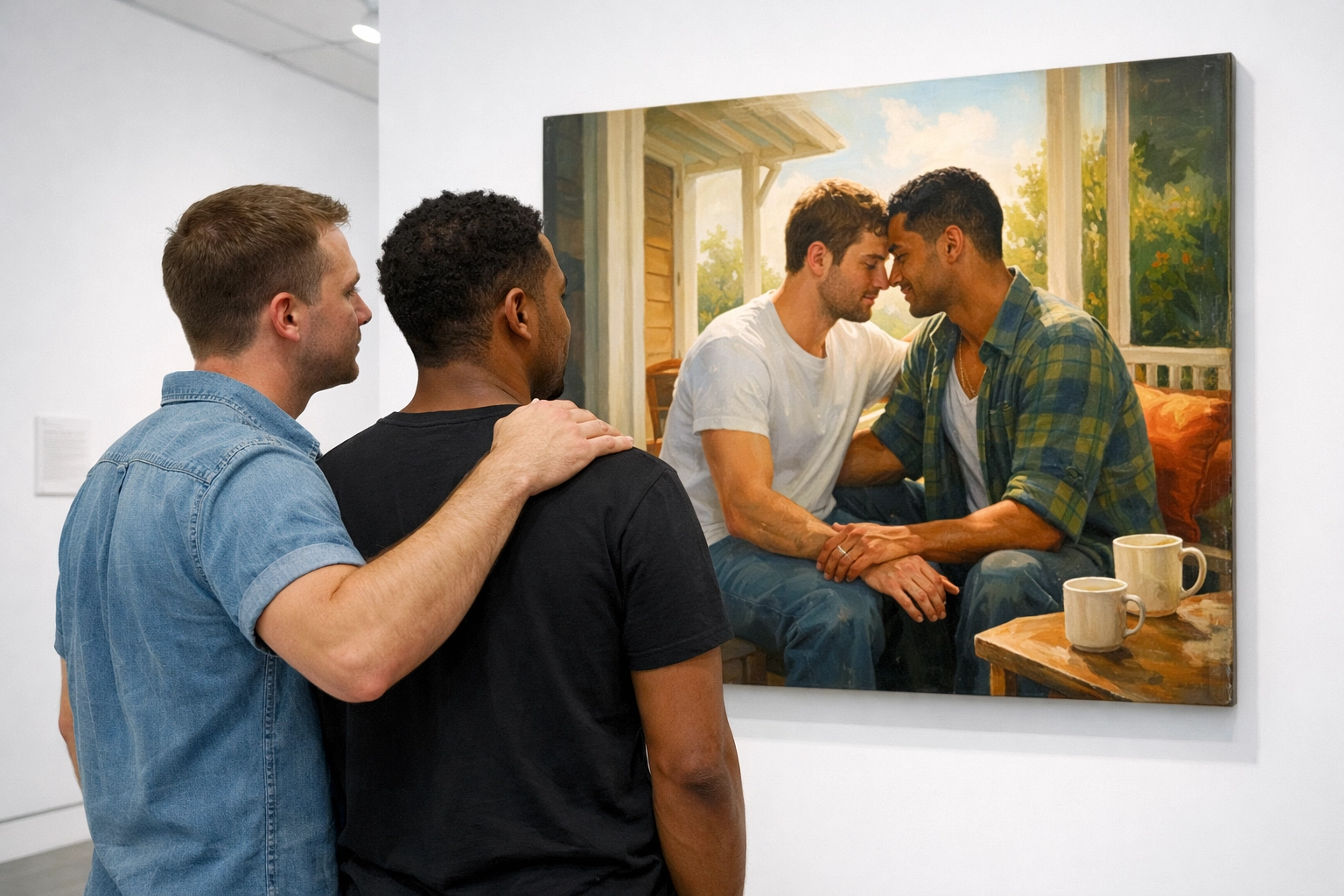
Featuring works by 48 different artists, this show moved past the "rigid interpretations" usually found in the heterosexual imagination. Instead of seeing queer bodies through a fetishistic or clinical lens, it focused on authentic intimacy. It captured the quiet moments: the way a couple shares a meal, the tension of a first touch, and the domestic bliss that is so often missing from mainstream media.
If you’re a fan of steamy MM romance or heartfelt gay fiction, this exhibition was the visual equivalent of those tropes. It showed that our love isn't a "subculture": it’s a universal human experience that deserves a place in the most prestigious galleries.
Beyond the Binary: Tracing Our Roots
One of the most exciting things happening in the art world right now is the "The First Homosexuals" exhibition (slated for 2025 at Chicago’s Wrightwood 659). This show is a massive undertaking, featuring over 300 artworks that trace queer expression from 1869 to the present.
What makes this exhibition a "mold-breaker" is its structure. It starts with "Beyond the Binary," showcasing early 19th-century works created before the word "homosexual" was even a thing. It proves that naked gay bodies in art aren't a modern "trend" or a "political statement": they are part of the historical record. From the sketches of gay historical romance eras to contemporary photography, it shows a lineage of desire that has always existed.
For those who love gay historical romance or digging into the "how we got here" of our community, this kind of institutional recognition is a massive win. It’s about taking our history back from the archives and putting it on the walls for everyone to see.
Naked Art in the University and Museum: Breaking the Taboo
There’s a specific kind of power when queer art moves into academic and formal museum spaces. For a long time, "naked art" in universities was limited to Greek statues or Renaissance figures. But today, university exhibitions are pushing boundaries by exploring the intersection of the queer body, identity, and politics.
Exhibitions in these spaces allow for a deeper dive into the "why." Why is the male nude still considered "scandalous" in some circles while the female nude is "classical"? Why do museums still struggle with the label "gay art"? By bringing these conversations into universities, a new generation of queer authors and artists is being told that their bodies and their stories are worthy of study and respect.
At readwithpride.com, we see this same shift in the world of LGBTQ+ ebooks. What used to be "pulp" or "underground" is now being recognized as significant gay literature.
Why This Matters for the Readers of Read with Pride
You might be wondering, "Penny, I’m here for the MM romance novels, why are we talking about art galleries?"
The answer is simple: it’s all connected. The bravery it takes for a photographer to exhibit photos of naked gay bodies in a public museum is the same bravery it takes for queer authors to write explicit, emotional, and authentic gay love stories.
When we see our bodies celebrated as art, it validates our experiences. It tells us that our desire isn't something to be hidden; it's something to be curated, studied, and admired. Whether you're scrolling through a product-sitemap looking for your next MM contemporary read or walking through an exhibition in London or New York, you are participating in a culture that is finally seeing you for who you are.
What’s Next for Queer Art?
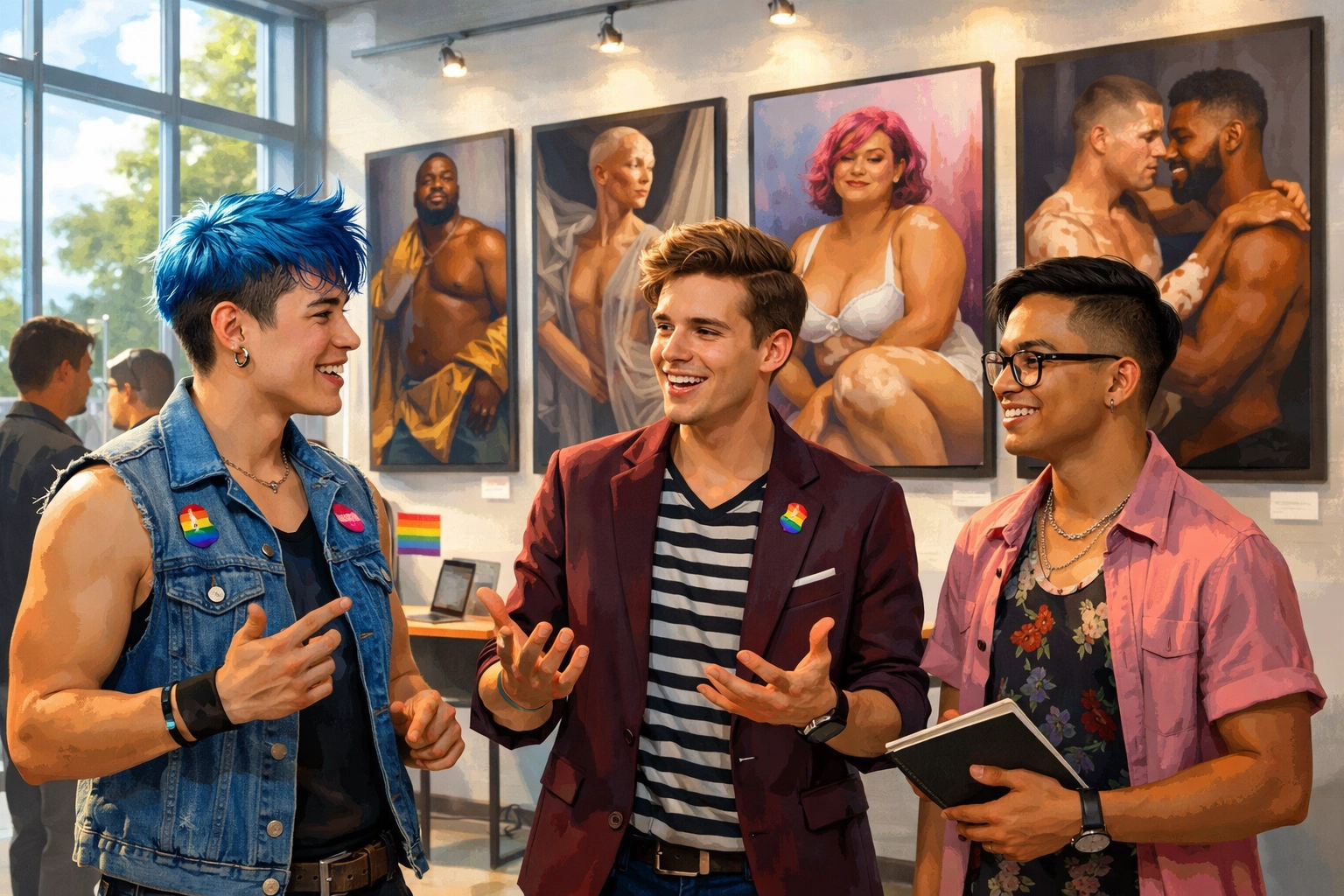
As we move through 2026, the landscape of queer art continues to evolve. We’re seeing more intersectionality: exhibitions focusing on Black queer joy, trans bodies as landscapes, and the beauty of aging in the gay community.
The "mold" hasn't just been broken; it’s been melted down and recast into something much more interesting. We are no longer asking for permission to be seen. We are curating our own spaces, writing our own gay novels, and ensuring that the next generation doesn't have to look as hard as we did to find themselves in a frame or on a page.
If you’re looking to dive deeper into queer stories, check out some of our latest MM romance books and gay fiction releases over at Read with Pride. From gay fantasy romance to gay psychological thrillers, we’ve got the stories that celebrate every part of the queer experience.
Join the Conversation
What’s the most impactful piece of queer art you’ve ever seen? Does seeing the queer body in a museum change how you feel about your own identity? Let us know!
Don't forget to follow us for more updates on the best 2026 gay books and queer culture:
- Facebook: Read with Pride
- Instagram: @read.withpride
- X (Twitter): @Read_With_Pride
Explore more at readwithpride.com and find your next favorite gay love story today.
#QueerArt #LGBTQHistory #ReadWithPride #MMRomance #GayLiterature #QueerVisibility #ArtExhibition #GayBooks2026 #NakedArt #GayPride

Leave a Reply
You must be logged in to post a comment.