

readwithpride.com
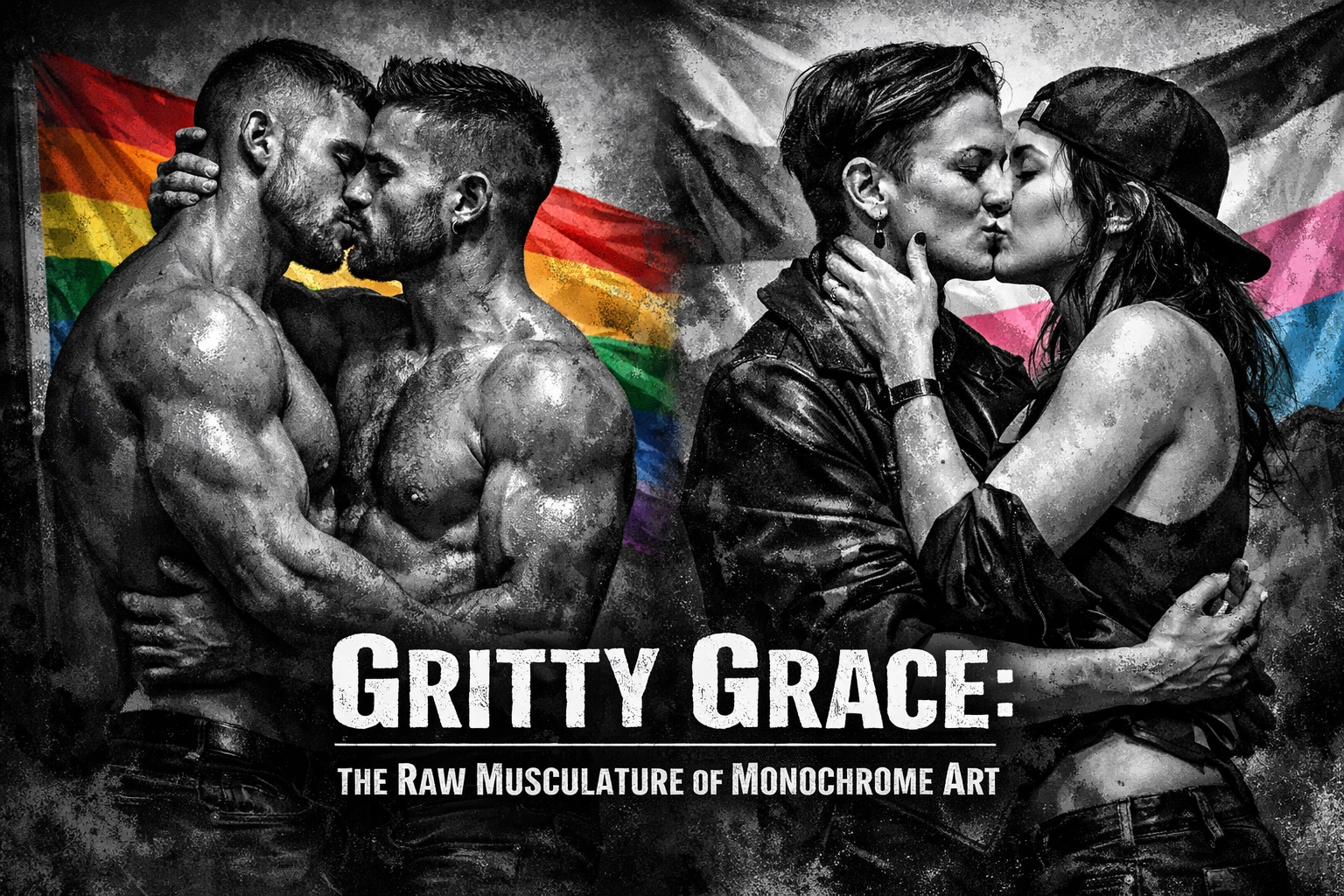
There’s something about a black-and-white photograph that just hits differently. When you strip away the distractions of color: the tan lines, the varying skin tones, the neon backgrounds: you’re left with the absolute truth of the human form. At Read with Pride, we’re obsessed with storytelling in all its forms, and let’s be real: a well-captured muscle in high-contrast monochrome tells a story all its own. It’s a story of strength, vulnerability, and the kind of "gritty grace" that defines the modern male aesthetic.
In 2026, the appreciation for naked male art has moved out of the stuffy corridors of traditional museums and onto our screens, into our art galleries, and into the very heart of the LGBTQ+ fiction we consume. We’re moving away from the airbrushed, plastic perfection of the early 2000s and leaning into the raw, the textured, and the real.
The Power of the Monochrome Lens
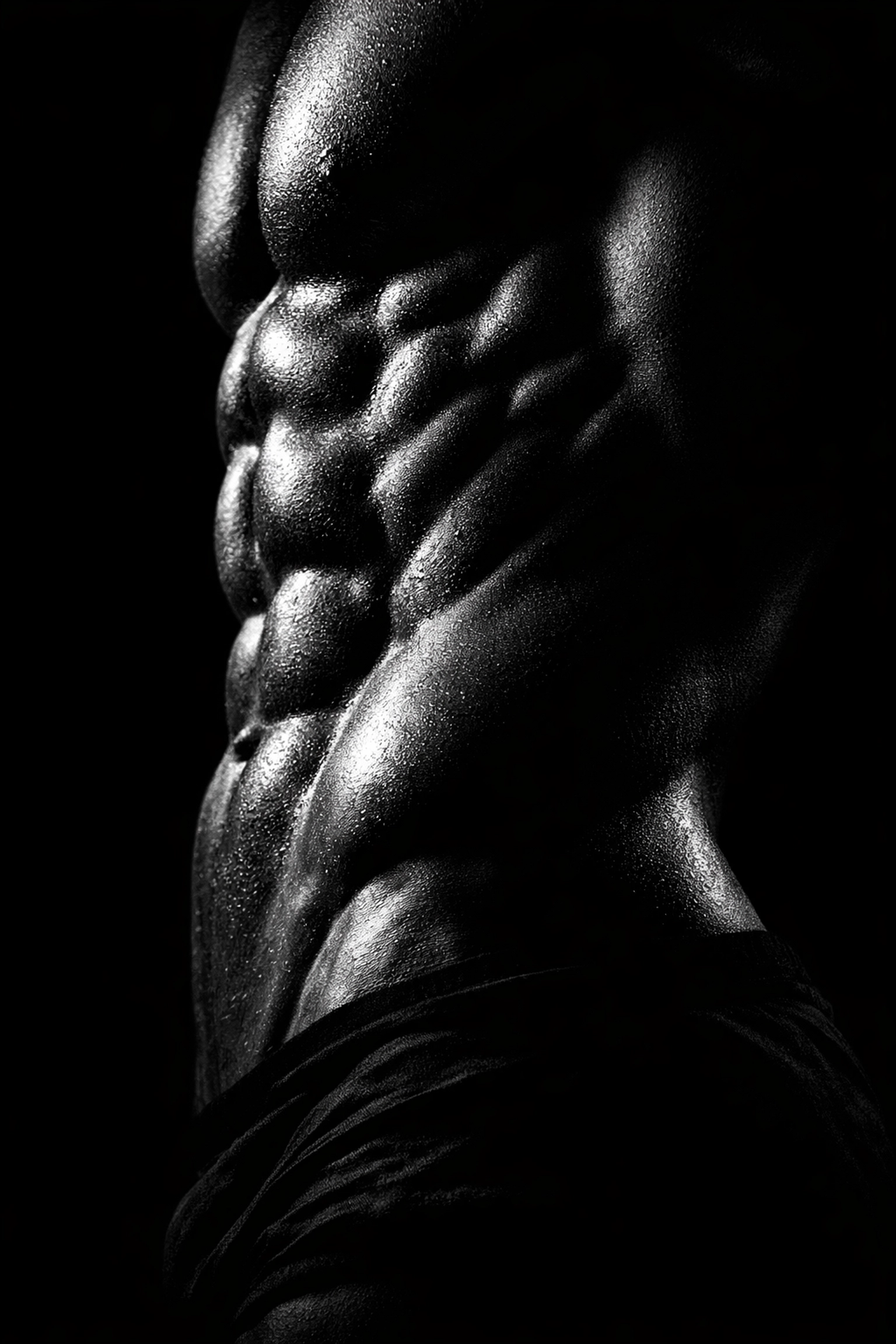
Why black and white? It’s a question art students have been debating since the first camera clicked. In the context of the male body, monochrome acts like a sculptor's chisel. It carves out the depth of a bicep and the sharp ridge of a hip bone. When a photographer uses harsh lighting to create deep shadows, they aren't just taking a picture; they’re mapping a landscape.
For fans of gay novels and MM romance books, this visual style often mirrors the emotional depth we look for in our favorite characters. It’s about the contrast: the light and the dark, the "hard" exterior of a muscular body versus the soft, "vulnerable" reality of naked skin. When you look at a monochrome study of a man, you aren't just seeing a body; you're seeing the play of light on skin, the grain of the texture, and the sheer power of human anatomy.
Lines and Landscapes: The Architecture of the Body
When we talk about "naked art," people often jump straight to the erotic. And while there’s absolutely a place for that (we love a good steamy MM romance around here), there’s also a profound architectural beauty in the lines of the body. Think about the way the serratus muscles look like a ribcage of armor, or how the line of the spine disappears into the small of the back.
In the world of professional photography and university art exhibitions, these are often referred to as "body landscapes." By focusing on specific "lines": the curve of a shoulder, the tension in a forearm: the artist invites the viewer to see the body as a work of structural art. It’s about the geometry of the male form. For those who write and read M/M books, these visual details are what bring a character to life on the page. We don't just want to know a character is "strong"; we want to feel the "gritty grace" of their movement.
Bums and Muscles: The Art of the Posterior
Let’s not beat around the bush: the "bum" is one of the most celebrated subjects in the history of art. From the classical marble statues in European museums to modern digital photography, the male posterior is a masterclass in muscular composition. In monochrome art, the glutes become a study in volume and shadow.
The texture of the skin, the way the light catches the curve, and the sheer power held within those muscles: it’s a focal point that demands attention. In 2026, we’re seeing a massive resurgence in "athletic nudes" that celebrate the results of hard work and physical discipline. This isn't just about "thirst traps" (though we aren't complaining); it's about honoring the human form in its most powerful state. Whether it's a quiet moment in a gay love story or a bold statement in a gallery, the raw musculature of the male body is a testament to the beauty of our community.

Texture and Grit: Why Imperfection is Beautiful
The "gritty" part of "Gritty Grace" comes from the texture. In high-definition monochrome, you see everything. You see the faint trail of hair, the slight roughness of the skin, the veins mapping out the arms, and the beads of sweat that catch the light. This is what we mean by authentic content.
At Read with Pride, we believe that authenticity is the soul of queer fiction. Just as we want our gay romance novels to feature characters with flaws, scars, and real emotions, we want our art to reflect the same. A perfectly smooth, photoshopped body is boring. Give us the grit. Give us the man who looks like he’s lived a life. That’s where the true grace lies: in the intersection of strength and reality.
From the Museum to the Page
There is a direct pipeline from the world of fine art photography to the world of LGBTQ+ ebooks. Think about your favorite MM romance books of 2026. When an author describes the way a character's muscles ripple under the skin or the heavy tension of a shared look in a locker room, they are drawing from this visual language.
Art exhibitions in universities and modern museums are increasingly focusing on the "Queer Gaze." This is about looking at the male body not just as an object, but as a subject with agency. When we view naked gay body art, we are participating in a long tradition of reclaiming our bodies from a society that once told us to hide them. Now, we display them with pride: in monochrome, in color, and in every word of gay literature we publish.

Curating the Aesthetic in 2026
As we navigate the landscape of popular gay books and visual media this year, the trend toward "raw" art is only growing. People are tired of the "perfect" and are hungry for the "personal."
If you’re looking to dive deeper into this world, here’s how to start:
- Follow Queer Photographers: Social media is a goldmine for modern monochrome artists who specialize in the male form.
- Support LGBTQ+ Publishing: Check out the latest new gay releases on Readwithpride.com to see how visual art influences narrative.
- Visit Local Exhibitions: Many universities are hosting "Body Positive" exhibitions that feature diverse male bodies, focusing on muscles, lines, and bums in a way that is inclusive and affirming.
Why It Matters
At the end of the day, "Gritty Grace" is about more than just looking at pretty pictures. It’s about representation. It’s about seeing the male body: in all its muscular, hairy, gritty glory: and recognizing it as a piece of art. It’s about the "lines" that connect us all and the "muscles" that give us the strength to live authentically.
Whether you are a fan of gay historical romance, MM contemporary stories, or high-concept art photography, the message is the same: the naked body is a canvas of our history and our future.

For more insights into the world of LGBTQ+ fiction, MM romance, and the art that inspires our stories, stay tuned to our blog. We’re here to celebrate every curve, every muscle, and every story that makes our community what it is.
Connect with us and join the conversation:
- Explore our library: readwithpride.com
- Follow us on Facebook: Read with Pride
- Catch us on X: @Read_With_Pride
- See the beauty on Instagram: @read.withpride
Check out our sitemaps for more amazing content:
Post Sitemap | Category Sitemap | Blog Category Sitemap
#ReadWithPride #GayArt #MonochromePhotography #MMRomance #LGBTQFiction #MaleNudeArt #GayBooks2026 #MuscleArt #QueerCulture #GayLiterature

Leave a Reply
You must be logged in to post a comment.