

readwithpride.com
Let’s be honest: when we scroll through the latest MM romance books or gaze at a gallery of modern queer photography, our eyes often wander to the pillars of the human form: the thighs and the glutes. There is something inherently magnetic about the lower body. It’s the seat of power, the engine of movement, and, frankly, one of the most celebrated aspects of the male physique in both classical and contemporary gay art.
At Read with Pride, we’re all about celebrating the stories and the visuals that make our community feel seen. Whether it's a meticulously described scene in a gay romance novel or a stunning piece of digital art, the focus on the "lines" of the body: specifically the curves of the glutes and the definition of the thighs: is more than just a "thirst trap." It’s an exploration of power, grace, and the sheer beauty of the male form.
A Classical Obsession: From Mount Olympus to the Gym
If you think our community’s obsession with a well-formed backside is a modern phenomenon, think again. The ancient Greeks were practically the inventors of the "glute-centric" aesthetic. If you walk into any major museum today, you’ll see marble statues that look like they’ve spent the last six months on a strict squat program.
Take the Discobolus (The Discus Thrower) or the Riace Bronzes. These aren't just depictions of men; they are celebrations of athletic perfection. The Greeks viewed the glutes as a symbol of civic virtue and strength. In fact, ancient Greece was famously described as a "country of buttocks." They understood that the power of a hero didn’t just come from his sword arm, but from the stability and drive of his legs.
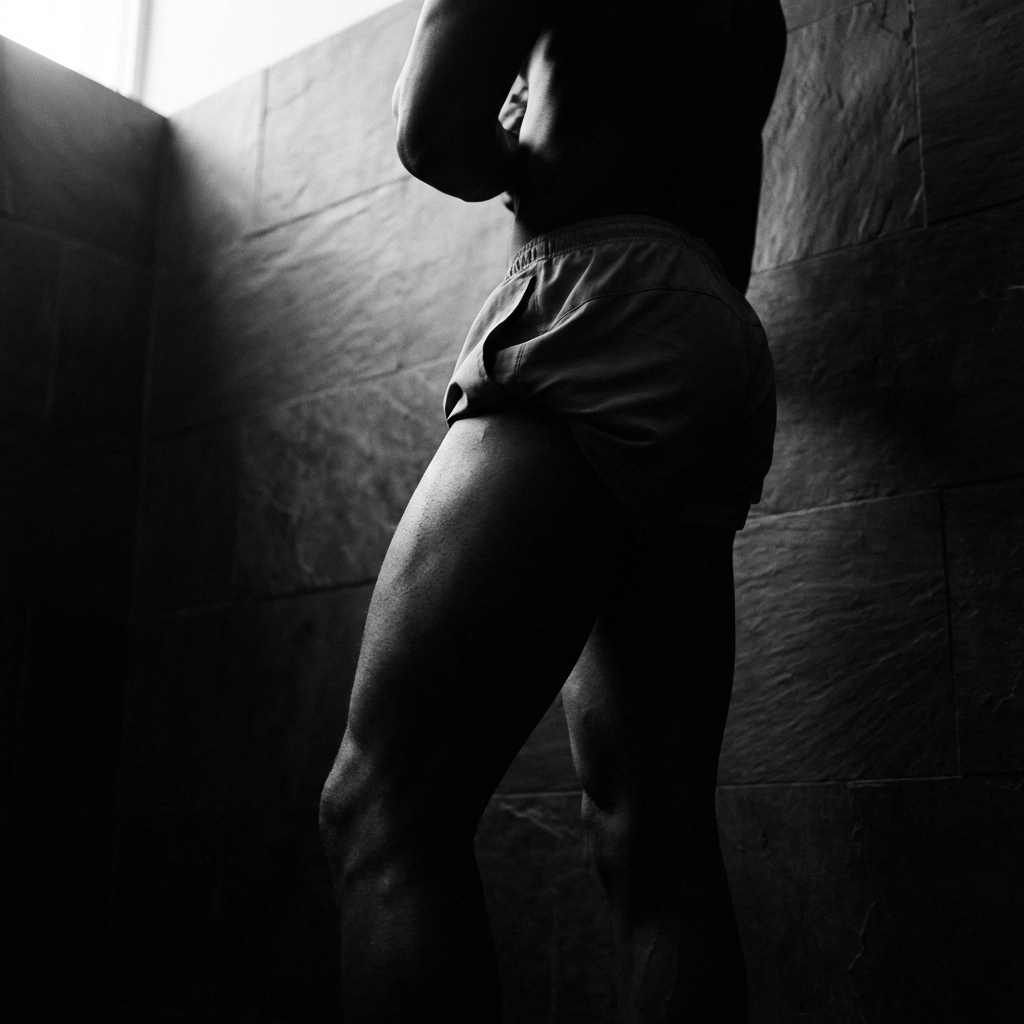
When we look at MM romance books today, specifically those in the sports or warrior tropes, that classical influence is everywhere. We see characters who move with the same "power and grace" that those ancient sculptors tried to capture in stone. It’s about the tension in the muscle, the curve of the line, and the story that a body can tell without saying a single word.
The Renaissance Revival: Michelangelo’s Masterclass
Fast forward to the Renaissance, and the focus on the male lower body hit a new peak. Artists like Michelangelo were obsessed with anatomy. They didn't just paint "naked men"; they mapped out every fiber of the gluteus maximus.
Michelangelo’s David isn't just famous for his face or his sling; he’s a masterpiece of anatomical accuracy. The way his weight shifts: a technique called contrapposto: emphasizes the curve of the hip and the tension in the thigh. It’s a pose that suggests both stillness and the potential for explosive movement.
This is a concept we see heavily used in modern gay romance covers and queer fiction illustrations. The "hero pose" often relies on that same weight shift to highlight the musculature of the lower body. It’s a visual shorthand for strength and confidence, qualities we often look for in our favorite gay book leads.
The Aesthetic of the Thigh: More Than Just Support
While the glutes often get the spotlight, the thighs: the quadriceps and hamstrings: are the unsung heroes of the aesthetic world. In art, the thighs represent the "lines of the body" in their purest form. They connect the torso to the earth, providing a sense of groundedness.
In the 16th and 17th centuries, manliness was often expressed through "shapely thighs and strong calves." Men wore hosiery and heeled shoes specifically to show off the definition in their legs. It was a sign of status and physical fitness.
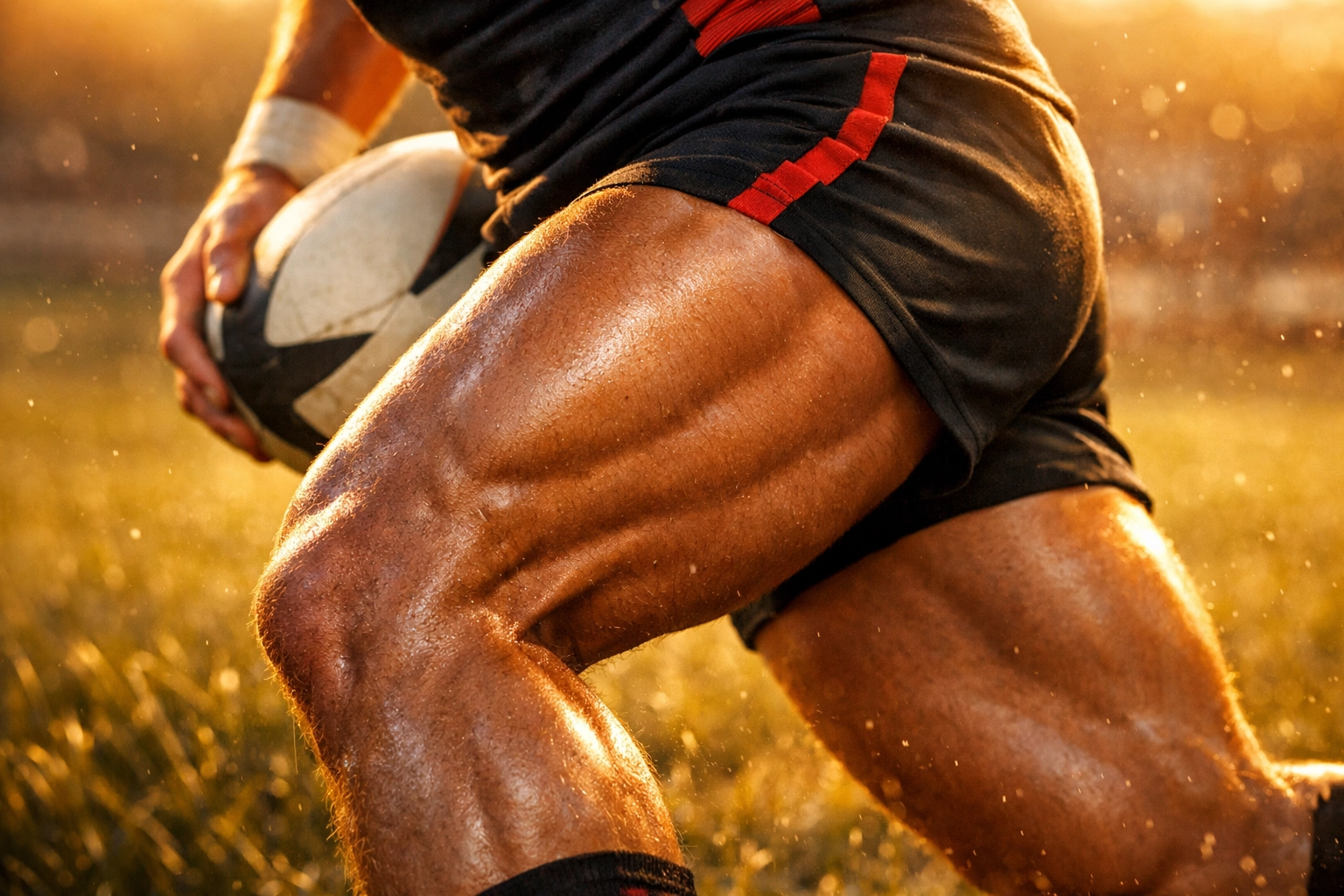
Today, in the world of MM contemporary romance and fitness-focused gay novels, "thunder thighs" are a badge of honor. Whether it's a rugby player in a gay romance series or a gym rat in a steamy MM romance, the aesthetic of the thigh is about raw, unadulterated power. It’s about the sheer mass and the way the skin stretches over the muscle: a detail that many gay authors and artists use to evoke a sense of physical intensity.
From Museums to Book Covers: The Modern Transition
Why does this matter to us as readers and lovers of LGBTQ+ literature? Because art informs the way we visualize our favorite characters. When we read a gay love story, our brains act like a gallery, hanging images of the characters based on the tropes and descriptions we love.
The "athletic aesthetic" in MM romance books often mirrors the trends we see in photography and digital art. We've moved from the hyper-lean look of the early 2000s back to a more "power-lifter" or "athletic" build that celebrates the glutes and thighs. This shift reflects a broader body-positivity movement within the queer community, where different types of strength and beauty are celebrated.
The lines of a naked body in art: the way light hits a flexed muscle or the shadow falls in the curve of a hip: are tools for storytelling. They convey vulnerability, dominance, speed, or endurance. When you look at the top LGBTQ+ books of 2026, you’ll notice that the cover art is more sophisticated than ever, often drawing direct inspiration from classical museum aesthetics to elevate the "steamier" elements of the genre.
The Psychology of the Lower Body in Art
There’s a psychological reason why we’re drawn to this. The lower body is our foundation. In art therapy and figure drawing, the hips are often referred to as the "soul" of the pose because they dictate the movement of the entire body.
When an artist focuses on the glutes and thighs, they are focusing on the part of the human form that allows us to run, jump, and stand our ground. In gay thriller or gay adventure romance stories, this physical capability is essential. We want our heroes to be strong, and there is no better visual representation of strength than the powerful musculature of the legs.
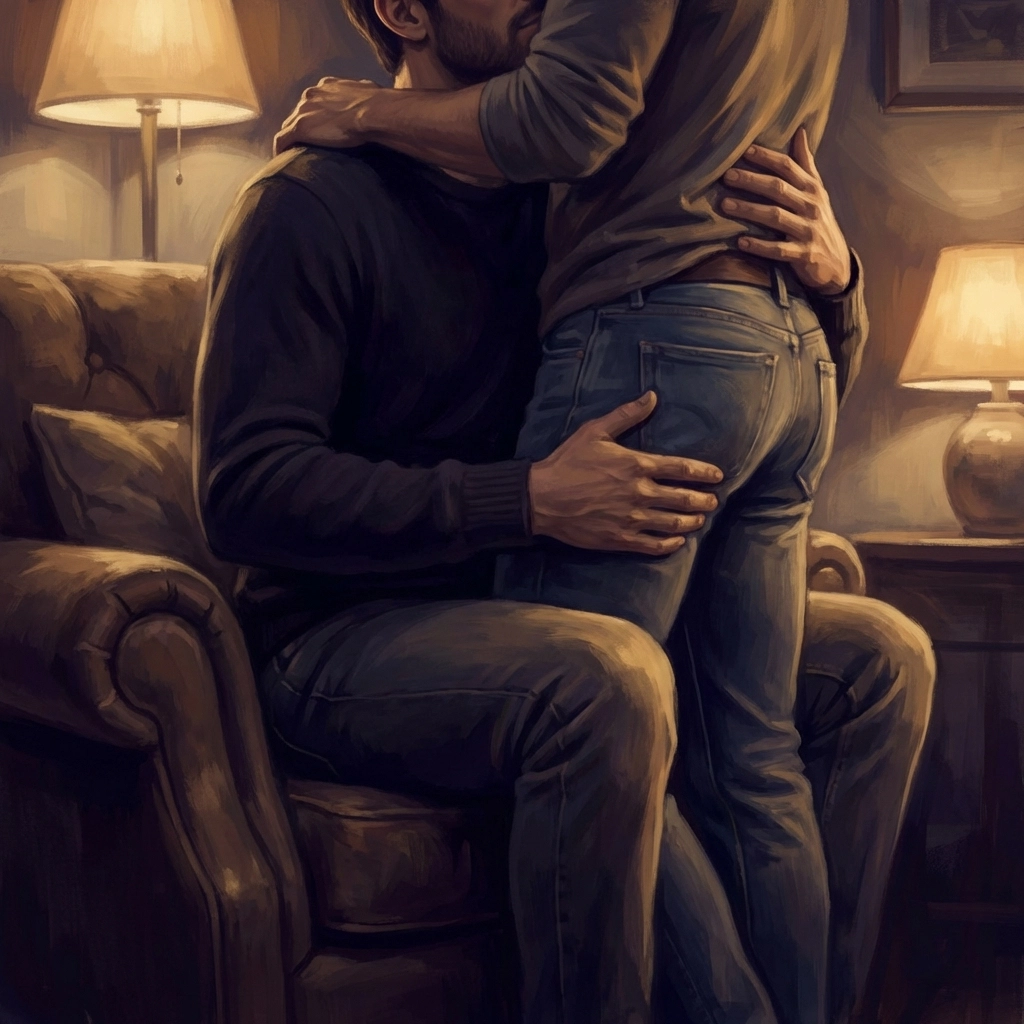
Furthermore, the celebration of these forms in gay fiction and art serves as a form of reclamation. For a long time, the male body was depicted as rigid and functional. By focusing on the "grace" and "aesthetic" of these muscles, queer artists are infusing the male form with a sense of beauty and sensuality that was once reserved only for the feminine.
Why We Love the "Lines"
"Lines" refer to the contours created by the muscles and bones. In a well-composed photo or painting of a naked body, the lines of the glutes and thighs create a flow that leads the eye through the piece.
- The S-Curve: The natural curve from the lower back through the glutes.
- The Teardrop: The specific muscle definition just above the knee (the vastus medialis).
- The Sweep: The outer curve of the thigh.
These aren't just anatomical terms; they are the building blocks of beauty in gay literature descriptions. How many times have you read a "slow burn" MM romance where the protagonist notices the way their love interest’s jeans cling to their thighs? That’s the art of the line in action.
Join the Celebration
Whether you’re a fan of gay historical romance where the aesthetic is all about those classical proportions, or you prefer new gay releases that push the boundaries of modern photography, there’s no denying the power of the glutes and thighs.
At Read with Pride, we believe that art and literature should be a celebration of all things queer: including the incredible beauty of the human body. We invite you to explore our collection of popular gay books and MM novels that don't just tell great stories but also celebrate the aesthetic power of our community.
Stay connected with us for more deep dives into the world of queer art, culture, and literature. Follow us on our journey to bring the best LGBTQ+ fiction to your digital shelf.
- Visit us: readwithpride.com
- Follow on Twitter/X: Read_With_Pride
- Instagram: read.withpride
- Facebook: Read with Pride
#MMRomance #GayArt #BodyPositivity #QueerFiction #ReadWithPride #MaleAesthetic #GayBooks2026 #MuscleArt #LGBTQCommunity

Leave a Reply
You must be logged in to post a comment.