

readwithpride.com
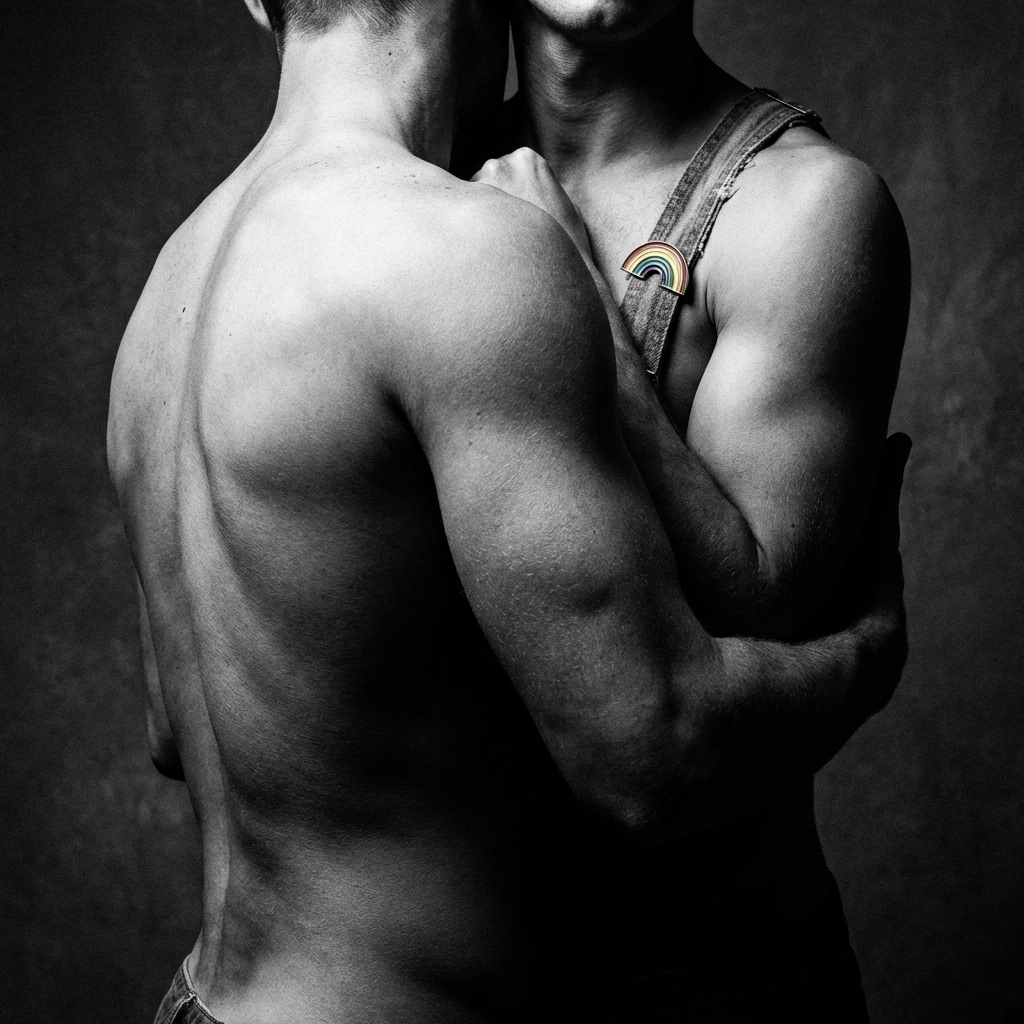
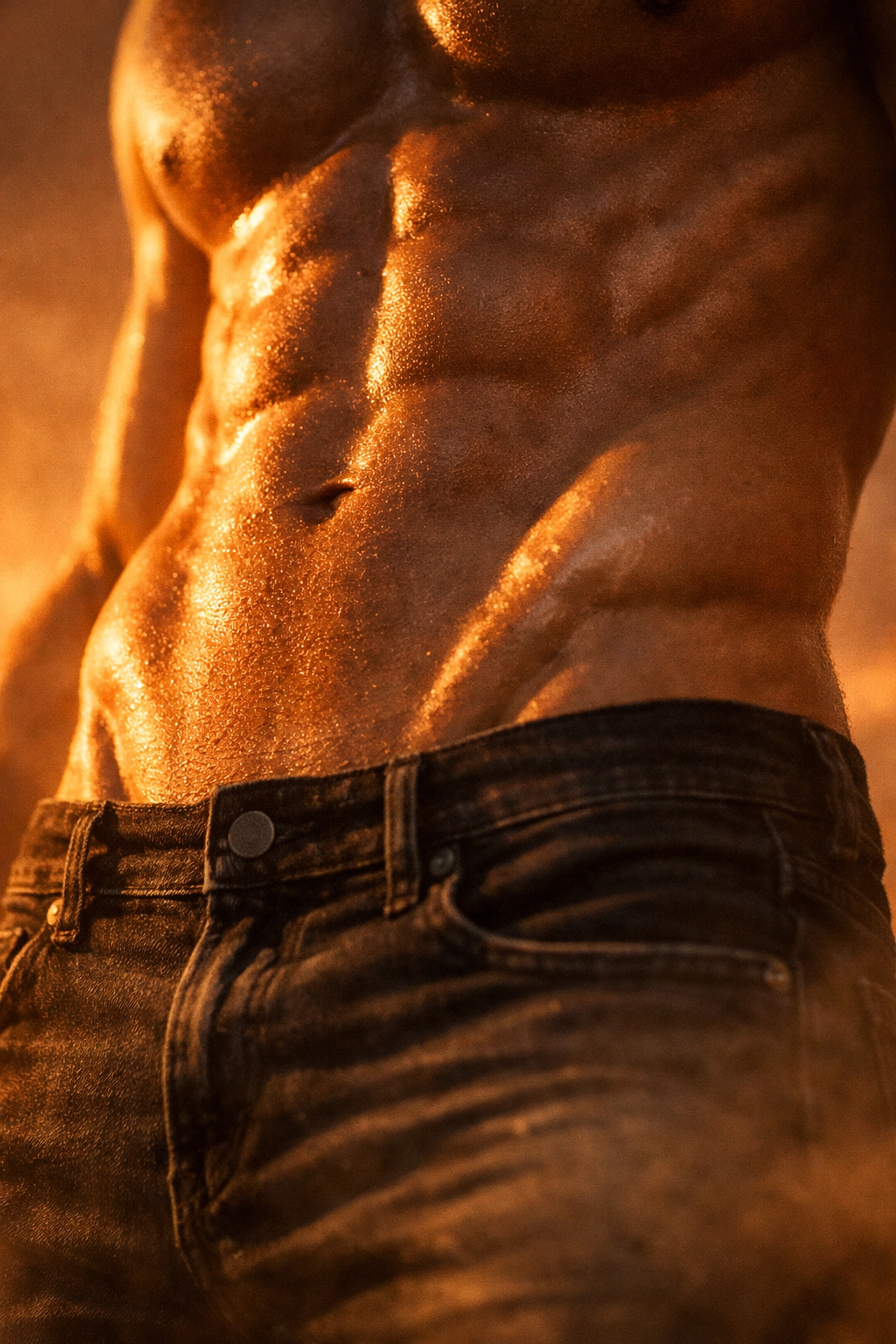
Let’s be real for a second: there is something inherently magnetic about the way light hits a well-defined chest. It’s not just about the gym hours or the low body fat: it’s about the drama. In the world of contemporary gay photography and fine art, the male torso has become a canvas for storytelling. Whether it’s the cover of your favorite MM romance books or a massive print in a high-end gallery, high-contrast art turns anatomy into a landscape of desire.
At Read with Pride, we spend a lot of time thinking about the intersection of visual beauty and the written word. After all, the perfect gay romance novel often starts with a cover that makes you stop scrolling. But what actually makes a high-contrast image of the male body work? Why do some photos look like masterpieces while others feel a bit… flat?
Today, we’re diving deep into the art of the torso. We’re looking at the interplay of shadow and muscle, the technical secrets of the pros, and why this specific aesthetic continues to dominate queer fiction and art in 2026.
The Chiaroscuro of the Queer Form
The term "chiaroscuro" sounds fancy, but it’s basically just the Italian word for "light-dark." It’s an old-school technique used by the likes of Caravaggio, and it’s still the gold standard for capturing the male body. In contemporary gay photography, high contrast is used to create a sense of three-dimensionality that feels almost tactile.
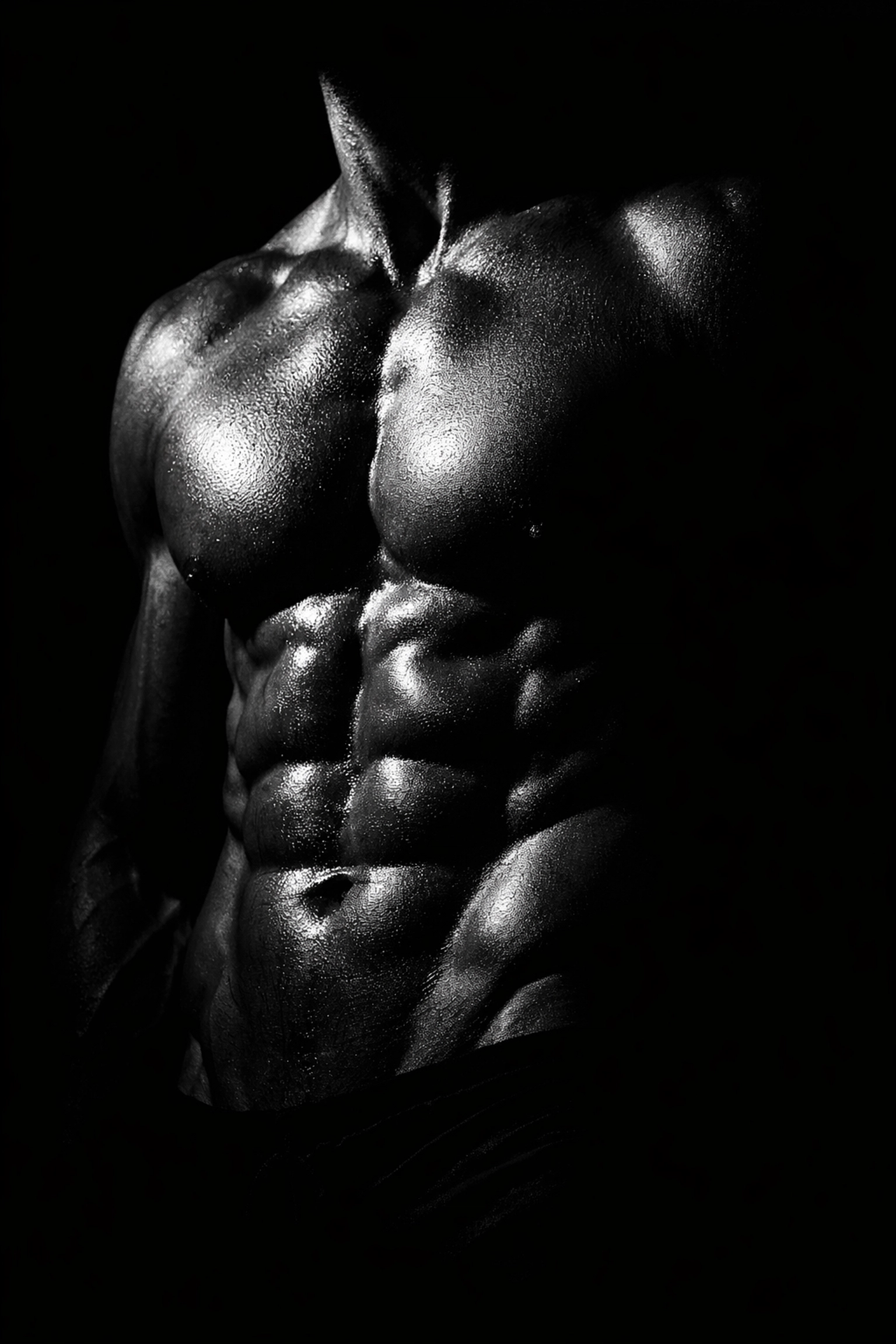
When you look at a high-contrast image of a torso, your eyes aren't just seeing skin. You’re seeing the "planes" of the body. The shadows carve out the pectorals, the highlights catch the ridge of the abs, and the deep blacks of the background make the body pop. It’s a celebration of the masculine form that feels both timeless and modern.
Beyond the "Six-Pack"
While "washboard abs" are a staple of MM romance covers, true high-contrast art goes deeper. It’s about the subtle transitions. One of the biggest mistakes amateur artists make is creating hard, blocky edges between muscles. Think of it like this: the skin is an envelope. It wraps around the muscle, softening the transitions.
Experts in the field focus on strategic contrast placement. Instead of drawing a dark line around every individual "ab," they use light to show how the serratus anterior (those "shark gill" muscles on the side) flows into the obliques. This creates a realistic, living body rather than a plastic mannequin. It’s that realism that makes gay novels and art feel so intimate.
The Technical Dance of Light and Shadow
If you’ve ever tried to take a "thirst trap" in your bathroom mirror, you know that lighting is everything. But in professional art and photography, it’s a science.
1. Separating Anatomical Planes
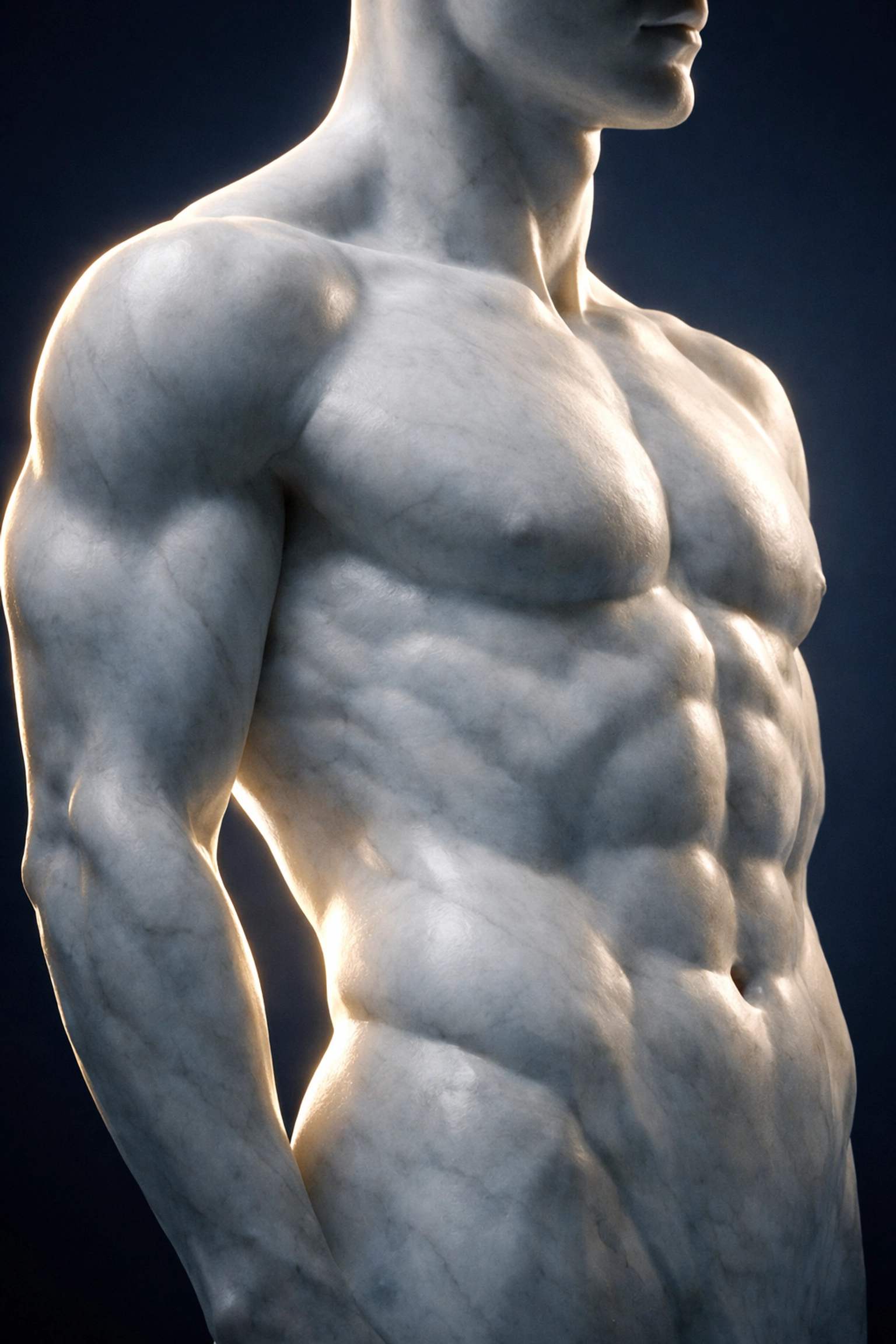
The human torso isn't a flat surface. The chest sits on a different plane than the stomach, and the sides of the body occupy their own volume axes. High-contrast artists use lighting to emphasize these differences. By lighting the front of the chest while letting the sides fall into shadow, they create depth. This is why a torso in a photograph can look so much more "real" than one in a poorly rendered drawing.
2. Building Volume Gradually
You don’t just jump into the deepest blacks and brightest whites. Professional artists start with a monochrome foundation: shades of gray that establish the "volume" of the body. They use soft strokes to indicate where the major muscle groups are before adding the sharp, high-contrast details. It’s a process of layering, much like how a writer layers tension in a gay psychological thriller.
3. The Power of "Multiply" and Gradients
In digital art, layers are a godsend. Using a "Multiply" layer allows an artist to add depth without losing the texture of the skin. They might add a neutral gradient to emphasize the curvature of the torso, ensuring that the viewer’s eye is drawn exactly where the artist wants it: whether that’s the curve of a hip or the definition of a collarbone.
Why We Are Still Obsessed in 2026
We are currently in a golden age of queer visibility. In 2026, naked gay bodies in art aren't just about "nudism": they are about reclamation. For decades, the male form was sanitized or hidden. Now, in museums, universities, and on platforms like Readwithpride.com, we celebrate the body in all its high-contrast glory.
This aesthetic has a massive influence on MM fiction. Think about the popular gay books of the last year. The covers often feature these high-contrast, artistic shots. Why? Because high contrast evokes emotion. It’s moody, it’s intense, and it hints at the passion found within the pages of a steamy MM romance.
Whether it’s an enemies to lovers MM romance or a slow burn contemporary tale, the visual representation of the male body sets the tone. It promises a story that is as defined and intense as the art on the cover.
The Torso in the Gallery: From University to Exhibition
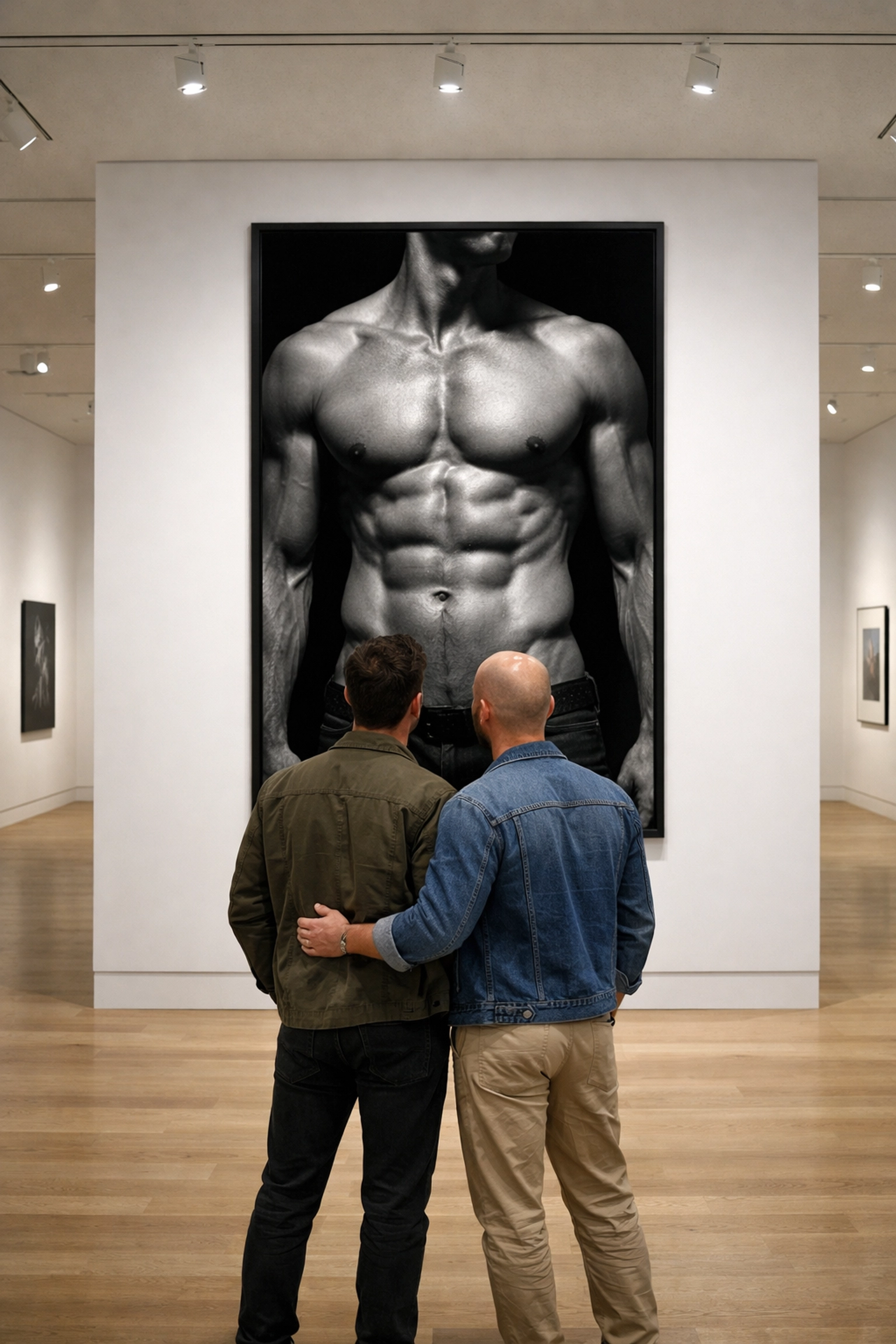
It’s not just about book covers, though. We’re seeing a resurgence of naked art in university exhibitions and major museums. These spaces are increasingly highlighting LGBTQ+ artists who use the male body to explore themes of vulnerability and strength.
High-contrast photography is particularly effective in these settings. When you see a life-sized print of a male torso, the play of light and shadow becomes an immersive experience. You start to notice the "lines" of the body: the way a vein traces across a bicep or how the "V-line" (the Adonis belt) creates a literal arrow toward the unknown. It’s art that demands you look closer.
If you’re looking to explore more of this aesthetic, check out our category sitemap for articles on queer art and culture, or browse the product sitemap to find books that feature this stunning visual style.
Capturing Your Own Perspective
You don’t need to be a professional photographer to appreciate or even create this kind of art. High contrast is all about experimentation.
- Find your light: A single, strong light source from the side (side-lighting) is the easiest way to create high-contrast shadows.
- Focus on the "Small" Details: Sometimes a close-up of just the abs or the curve of the lower back is more powerful than a full-body shot.
- Edit for Drama: Don't be afraid to crank up the "Blacks" and "Highlights" in your editing app. The goal isn't necessarily reality: it's impact.
The Connection to LGBTQ+ Literature
At the end of the day, our love for the male torso in art is tied to our love for gay love stories. We are a community that values the body as a site of pleasure, identity, and art. When we see a beautifully captured torso, we aren't just seeing muscles; we're seeing the physical manifestation of the characters we love in M/M books.
From gay historical romance to gay fantasy romance, the "defined desire" of the male form is a constant. It’s why we continue to curate the best LGBTQ+ ebooks and celebrate the artists who bring these visions to life.
If you’re a fan of art-centric stories, you might want to dive into some of the works by authors featured in our author sitemap or check out the latest releases from Dick Ferguson. There’s a whole world of queer fiction that explores the life of artists and their muses.
Final Thoughts
High-contrast art is more than just a trend; it’s a language. It’s a way of speaking about the male body that emphasizes its strength while acknowledging its softness. It’s about the lines we draw and the shadows we allow to remain. As we move further into 2026, we expect to see even more innovative ways that photographers and artists play with these concepts.
So, the next time you’re browsing for a new MM romance book or walking through a gallery, take a second to look at the shadows. Notice how they define the torso, how they tell a story of their own, and how they make you feel. That’s the power of high-contrast art.
Stay curious, stay proud, and keep reading.
Explore more at Read with Pride:
#LGBTQArt #MaleForm #HighContrast #MMRomance #GayFiction #ReadWithPride #2026Books #QueerCreativity #MaleTorso #PhotographyArt
Follow us on social media for more art and book recommendations:
Facebook | Twitter/X | Instagram

Leave a Reply
You must be logged in to post a comment.