

readwithpride.com
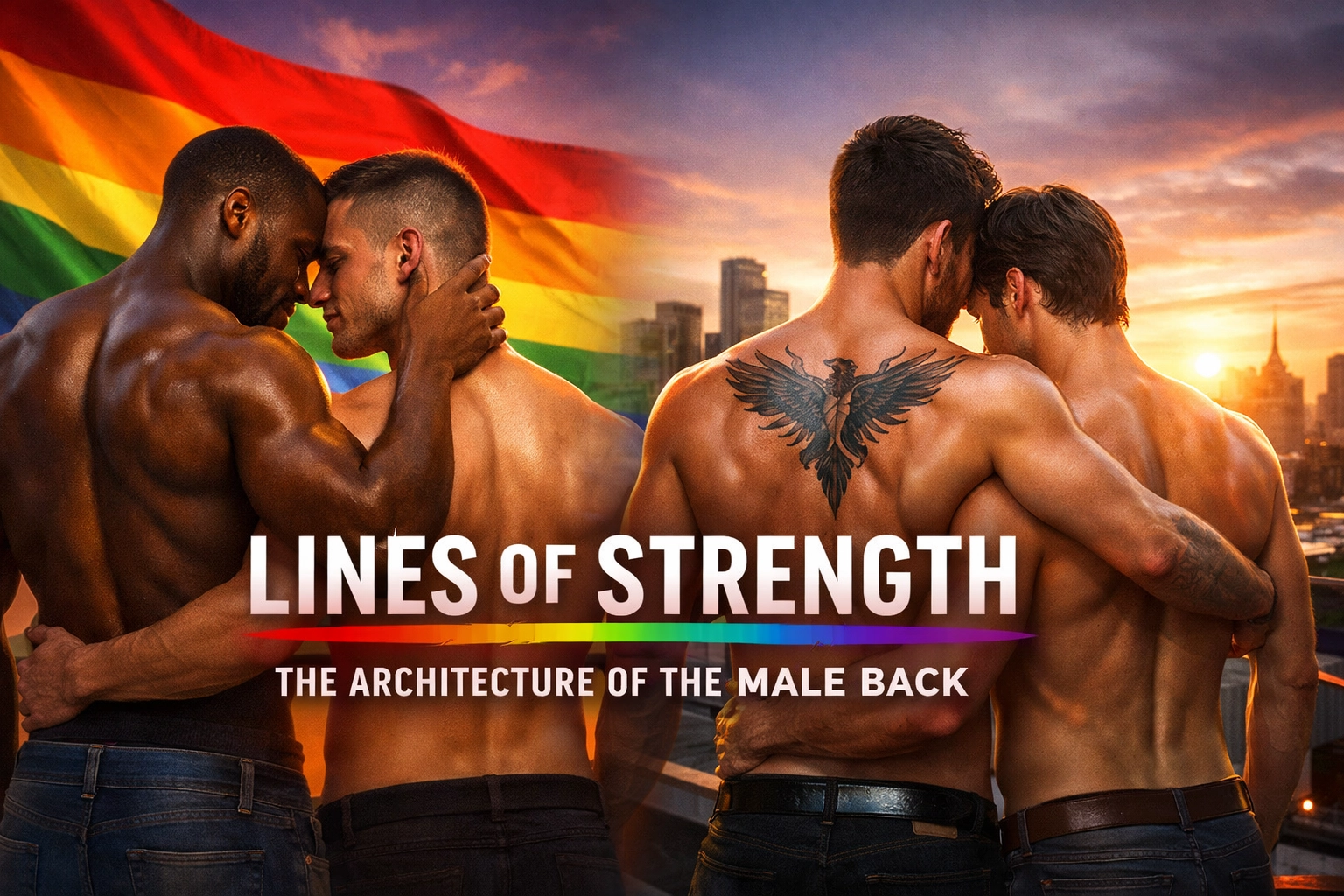
There is something inherently cinematic about the male back. Whether it’s a swimmer slicing through the water, a climber reaching for a granite ledge, or just that guy at the gym whose tank top is working overtime, the back is a landscape of its own. In the world of art and photography: and let’s be honest, in our favorite MM romance books: the back is often where the real story is told. It’s a canvas of power, vulnerability, and sheer structural perfection.
At Read with Pride, we’re all about celebrating the beauty of the community, and that includes the physical forms that inspire so much of our gay literature. Today, we’re putting the spotlight on the "Architecture of the Male Back." We’re talking about the lines, the curves, and the muscles that make us stop and stare.
The Anatomy of the A-List Aesthetic
When you look at a beautifully rendered drawing or a high-contrast photograph of a naked male body, your eyes are immediately drawn to the "V-taper." This isn’t just a lucky coincidence of genetics; it’s a masterpiece of biological engineering. To understand the art, we have to understand the anatomy.
The back isn't just one big slab of muscle. It’s a complex, layered system of pulleys and levers. The "wings" you see on a well-built guy are the Latissimus Dorsi, or the lats. These are the triangle-shaped powerhouses that span from the upper arm down to the pelvis. When an artist uses light to hit the edge of a lat, it creates that iconic silhouette we see in so many popular gay books.
Then you have the Trapezius, or the traps. These run from the base of the skull down to the middle of the back and out to the shoulders. They provide that sense of "heaviness" and stability in the upper torso. In gay romance novels, authors often describe the "broad set of shoulders" or the "tension in his traps," and for good reason: it’s where we carry our stress and our strength.

Lighting the Landscape: Shadows and Definition
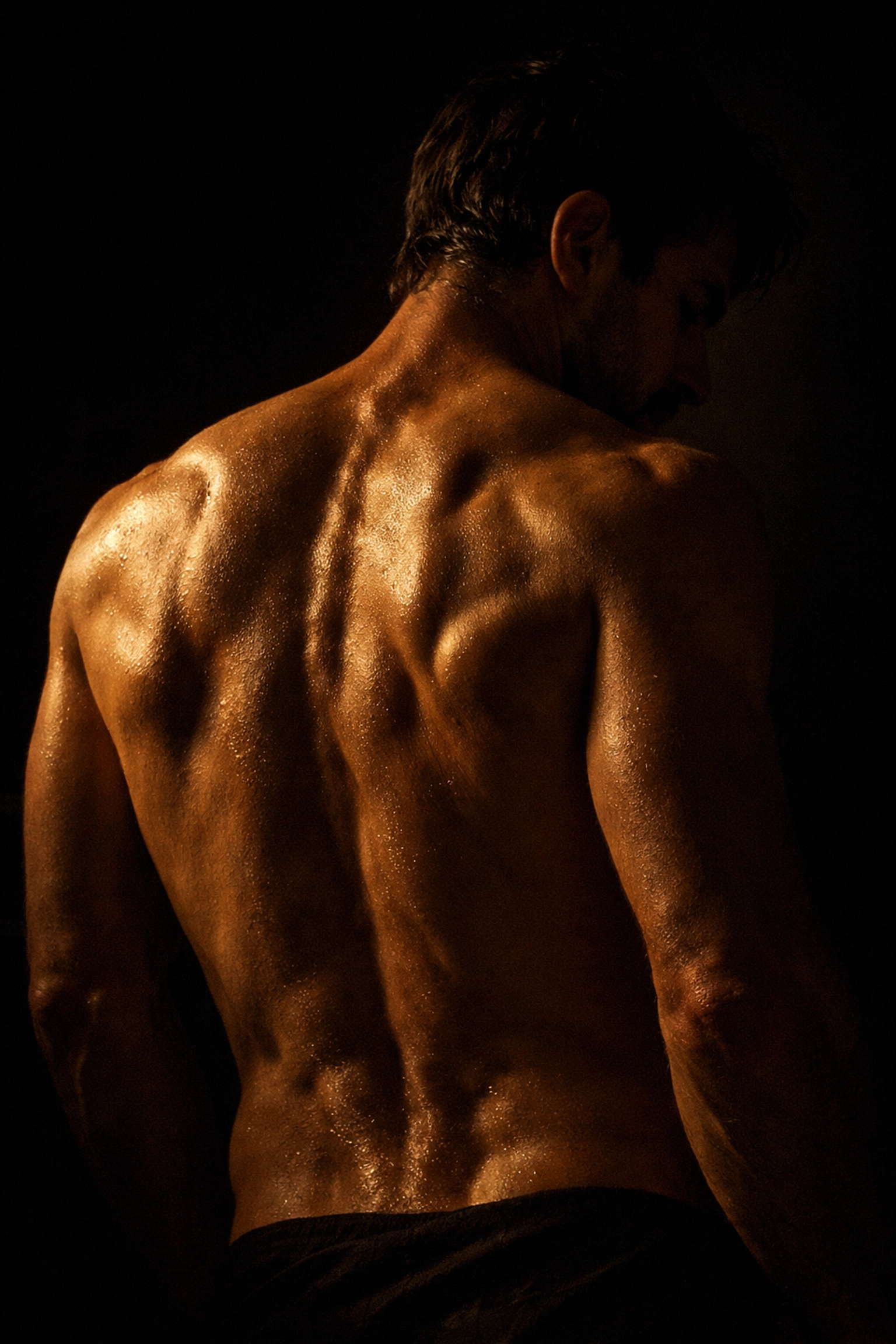
In art galleries and university exhibitions, the way a curator lights a sculpture of a male nude can change the entire mood of the piece. The same goes for photography. The male back is particularly responsive to chiaroscuro: the treatment of light and shade in drawing and painting.
Because the back has so many hills and valleys (thanks to the erector spinae muscles running like pillars down the spine), a single light source from the side can create dramatic shadows. This lighting highlights the "lines of strength." It turns a body into a landscape. You aren't just looking at skin; you're looking at the way the rhomboids squeeze together or how the posterior deltoids (the back of the shoulders) pop when someone reaches forward.
For fans of gay historical romance, this appreciation for the form goes back centuries. Think of the classical Greek statues. Those artists weren't just guessing; they were obsessed with the architecture of the body. They knew that a slightly twisted torso would highlight the "obliques" and the way the back muscles wrap around the ribs. It’s a tradition of admiration that carries through to modern LGBTQ+ fiction today.
The "V" and Beyond: The Connection to the Glutes
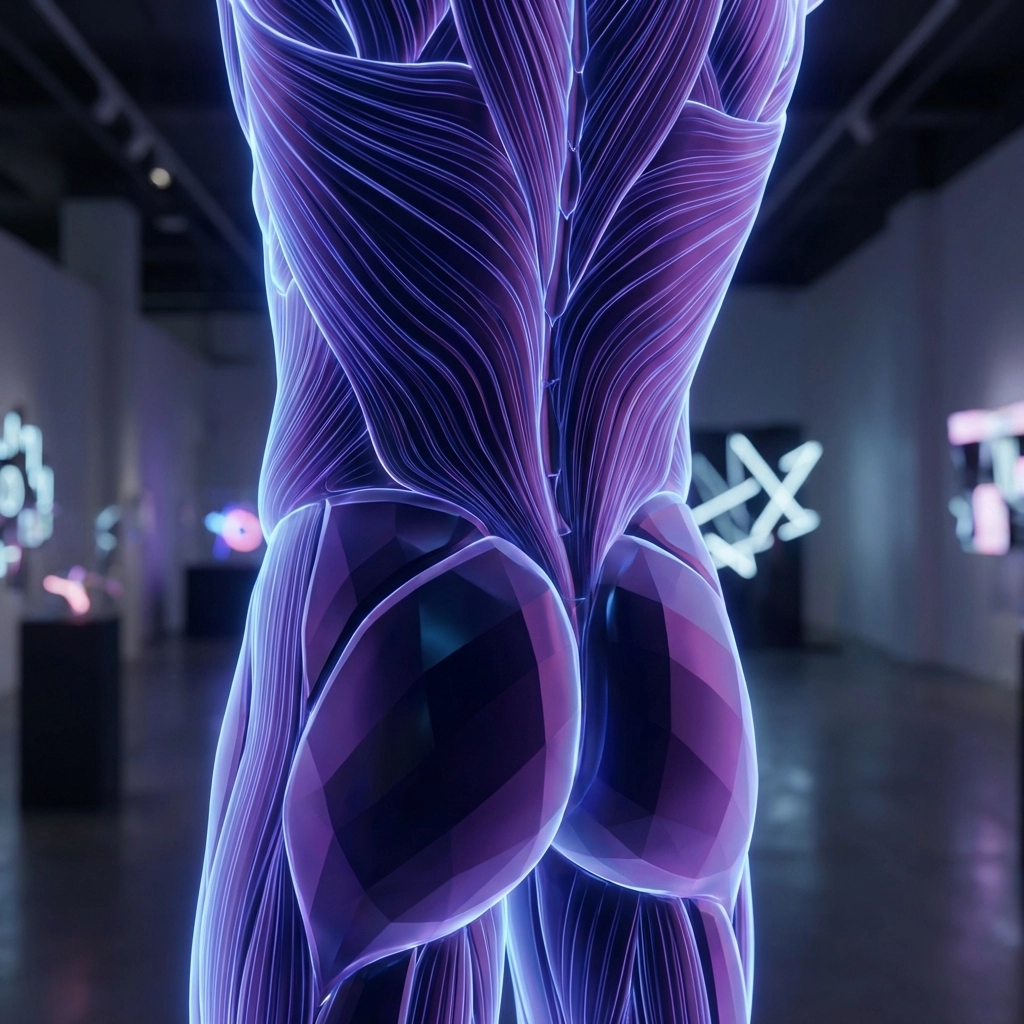
You can’t talk about the architecture of the back without talking about where it ends. The taper of the waist leads directly into the muscles of the lower back and, eventually, the glutes. In art and photography, the transition from the lower back to the "bum" is one of the most celebrated lines in the human body.
The erector spinae: those three individual muscles (spinalis, longissimus, and iliocostalis): provide the vertical definition that leads the eye downward. This is often where "naked art" gets its power. It’s the contrast between the rigid strength of the spine and the softer, rounded power of the glutes. Whether it’s a candid photo or a professional museum piece, this intersection represents a blend of functional power and aesthetic grace.
Why We Love the "Protective" Back in MM Romance
In the world of MM romance books, the back often serves a narrative purpose. How many times have we read a scene where one protagonist watches the other walk away, admiring the "play of muscles under his skin"? Or a scene in a gay thriller where a character’s back is a shield, standing between his lover and danger?
There’s a reason tropes like "forced proximity" or "enemies to lovers" often feature these descriptions. A character’s back can convey a lot without saying a word. A tense back shows anger; a slumped back shows defeat; a broad, stable back shows a place of safety. When we read gay love stories, we aren’t just looking for a plot; we’re looking for a visceral connection to the characters, and their physical presence: their "architecture": is a huge part of that.
If you’re looking for a new read that appreciates the finer things (and the finer forms), check out our best MM romance books of 2026 for stories that feature characters as well-built as any statue in a museum.
The Art of the Reveal: Nudism and Expression
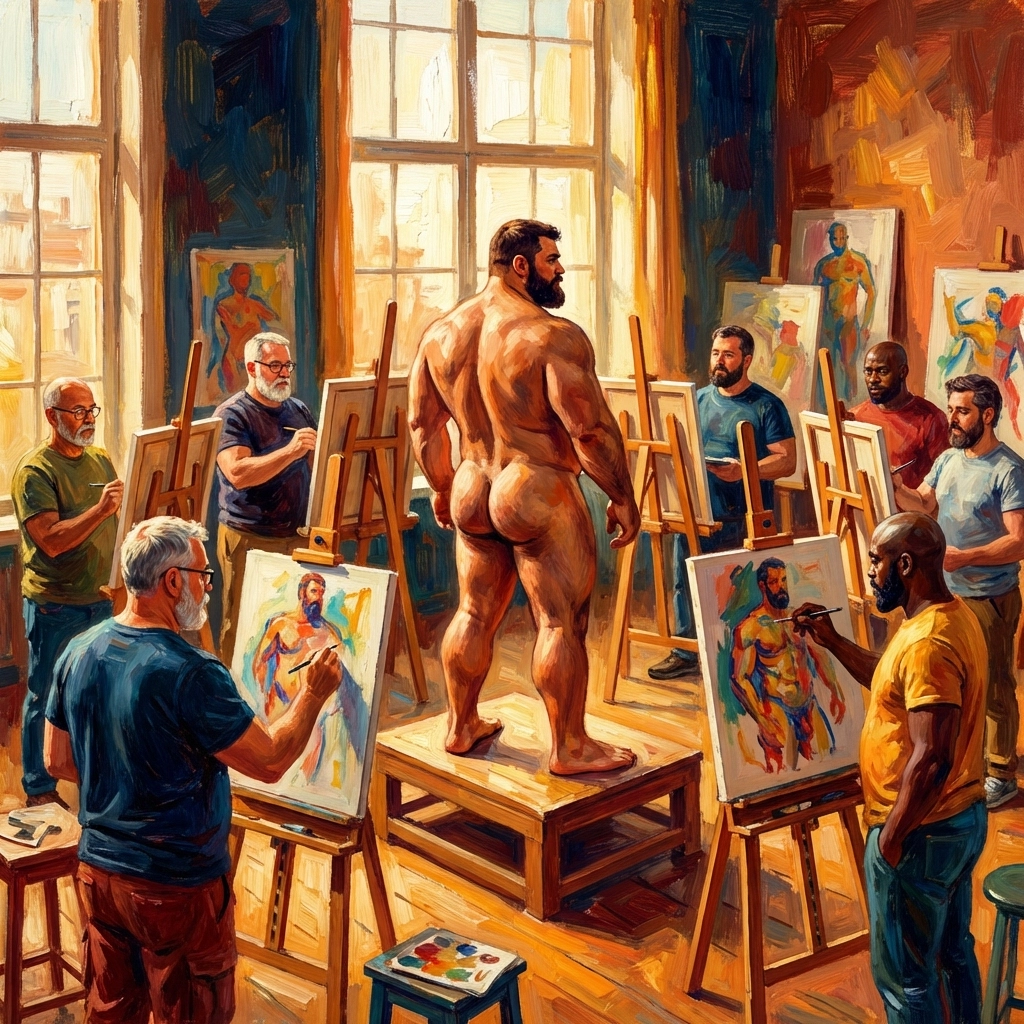
Artistic nudism in universities and museums isn't just about "being naked." It’s about stripping away the social constructs of clothing to see the human machine underneath. When we look at naked gay bodies in art, we are looking at a celebration of identity.
For a long time, the queer male body was something to be hidden or whispered about. Today, exhibitions of naked art celebrate the diversity of the male form: from the lean, wiry backs of runners to the thick, powerful backs of bears and powerlifters. This inclusivity is at the heart of Read with Pride. We believe that every line of strength, every scar, and every muscle tells a story worth publishing.
Creating Your Own Gallery
Whether you’re a writer looking to describe your lead character in your next MM fiction masterpiece, or an artist sketching the delicate lines of the scapula, remember that the back is about more than just "looking good." It’s about movement, support, and the history of the person inhabiting it.
Next time you’re browsing a museum or scrolling through gay eBooks, take a moment to look at the architecture. Notice how the light catches the traps, how the lats create that stunning V-shape, and how the entire structure works in harmony. It’s a work of art that we all carry with us.
Join the Community
Love the intersection of art, bodies, and great storytelling? Stay connected with us for the latest in gay romance series and queer culture.
- Follow us on Facebook: Read with Pride
- Catch us on X: @Read_With_Pride
- See the beauty on Instagram: @read.withpride
At Readwithpride.com, we’re more than just a publisher; we’re a destination for anyone who loves gay literature and the beautiful people who inspire it.
#ReadWithPride #MMRomance #GayArt #MaleAnatomy #QueerLiterature #GayBooks2026 #BodyPositivity #NakedArt #GayRomanceBooks #MMFiction

Leave a Reply
You must be logged in to post a comment.