

readwithpride.com
Ever been told that being queer is "against nature"? Yeah, we’ve heard it too. It’s one of those tired arguments people throw around when they haven't spent much time looking at, well, actual nature. At Read with Pride, we’re all about celebrating authentic identities, whether they’re in the pages of our favorite MM romance books or out in the wild.
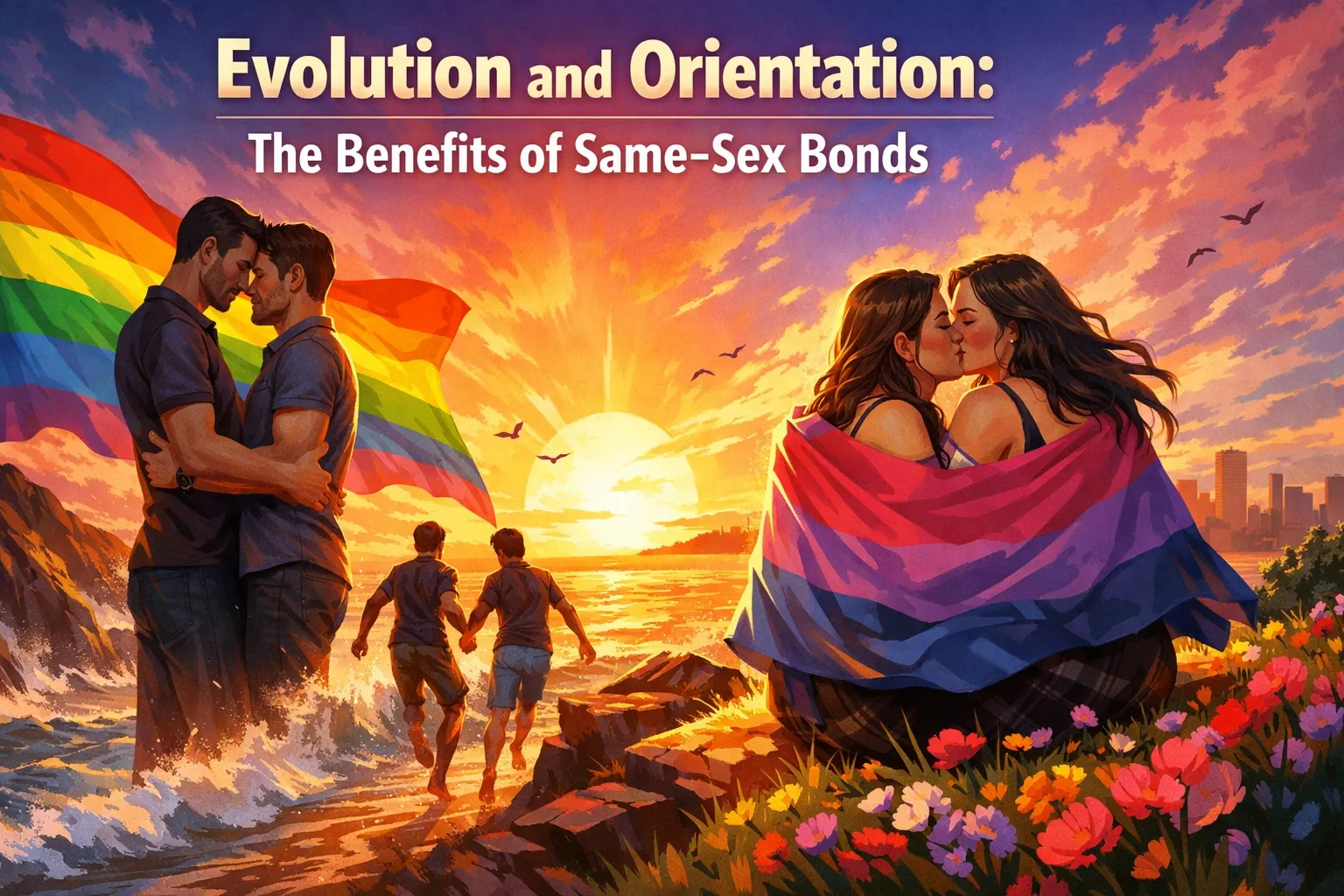
The truth is, nature is wonderfully, wildly queer. From the bottom of the ocean to the highest mountain peaks, hundreds of species engage in same-sex behavior. And it’s not just a "mistake" or a "phase." Evolution is way too efficient for that. Same-sex bonds offer massive advantages to groups, families, and even the survival of the species.
Today, we're diving into the science of why being gay is actually an evolutionary superpower, and we’re sharing 20 "stories" of animal homosexuality that prove the rainbow is everywhere.
The Science of the "Gay Uncle" (and Aunt!)
One of the most fascinating concepts in evolutionary biology is the kin selection hypothesis. Basically, it suggests that individuals who don't reproduce directly can still pass on their genetic legacy by helping their relatives survive. Think of it as the ultimate "wingman" move for the entire gene pool.
Research on the Samoan fa'afafine (biological males who live as women) shows they are significantly more altruistic toward their nieces and nephews than their heterosexual counterparts. By providing childcare, financial support, and tutoring, they ensure their family's genes thrive. In the animal kingdom, this translates to "extra hands" (or paws, or wings) to protect the nest.
Beyond just family support, same-sex interactions are a glue that holds social groups together. In complex societies, like those of primates or dolphins, queer behavior reduces tension, builds alliances, and ensures that everyone gets along well enough to find food and avoid predators.
20 Stories of Queer Life in the Wild
If you thought MM romance was strictly for humans, think again. Here are 20 incredible instances where animals show us that love, lust, and partnership aren't limited to the "traditional" reproductive script.
1. The Power-Couple Penguins
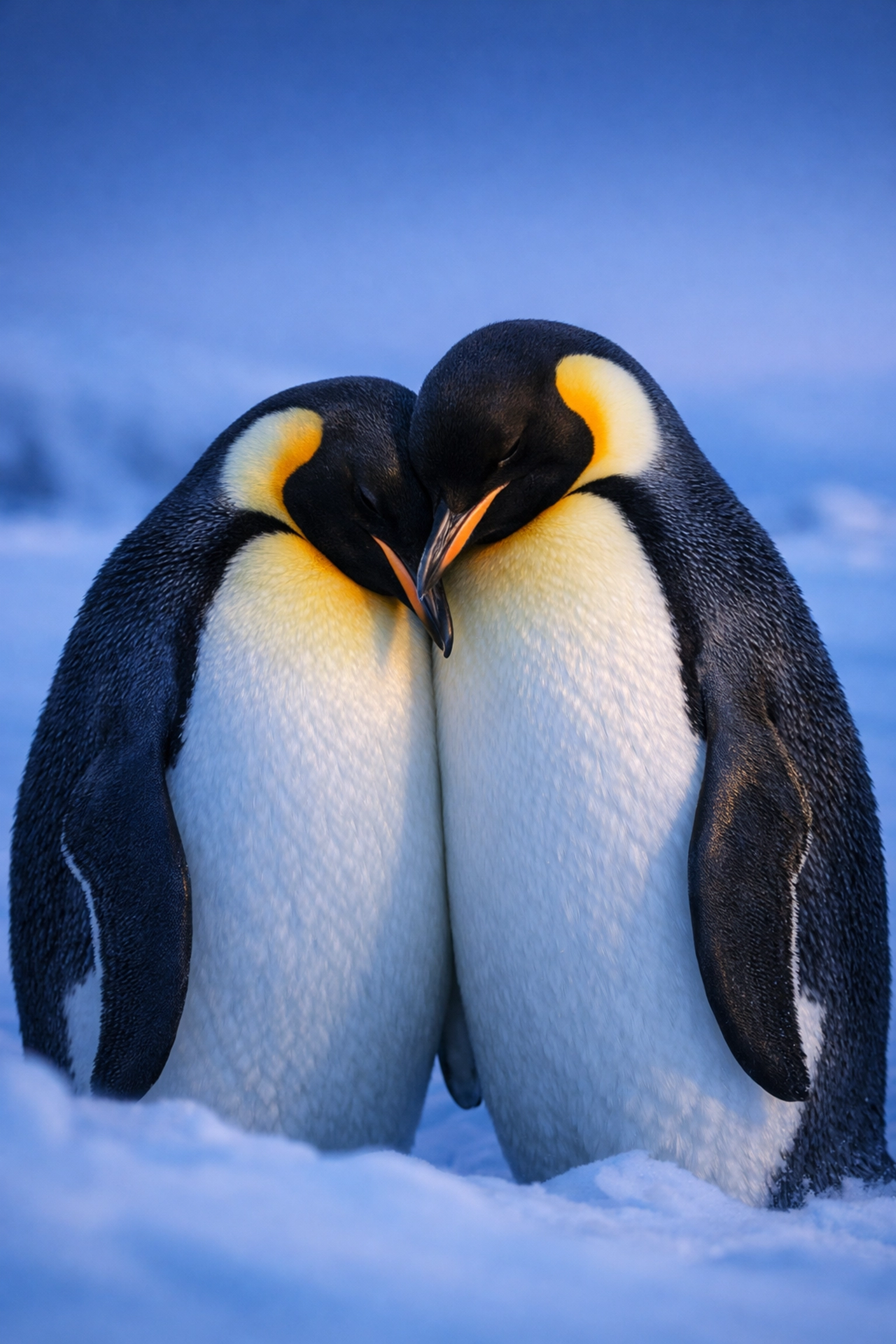
You’ve probably heard of Roy and Silo, the famous chinstrap penguins at Central Park Zoo. They didn't just hang out; they performed mating rituals, built a nest, and successfully hatched and raised an egg together. This isn't a one-off: same-sex penguin pairs are common in the wild, often providing a "backup" parenting system for abandoned eggs.
2. Bonobos: The Peace-Makers
Bonobos are our closest relatives, and they are famously queer. They use sexual contact: both heterosexual and same-sex: to resolve conflicts and bond. Instead of fighting over food, they have a little "fun" and move on. Talk about a "make love, not war" strategy.
3. Giraffe "Necking"
Male giraffes spend a huge amount of time "necking": a behavior that involves rubbing their necks together and can lead to sexual arousal and mounting. In some populations, same-sex activity actually accounts for the majority of observed sexual behavior.
4. Bisexual Bottlenose Dolphins
Dolphins live in intense "buddy" groups. Young males often form lifelong bonds that involve heavy sexual play. These bonds aren't just for fun; they create the social cohesion needed for the group to hunt and defend themselves. It’s basically a high-stakes gay adventure romance in real time.
5. Lion Kings (Literally)
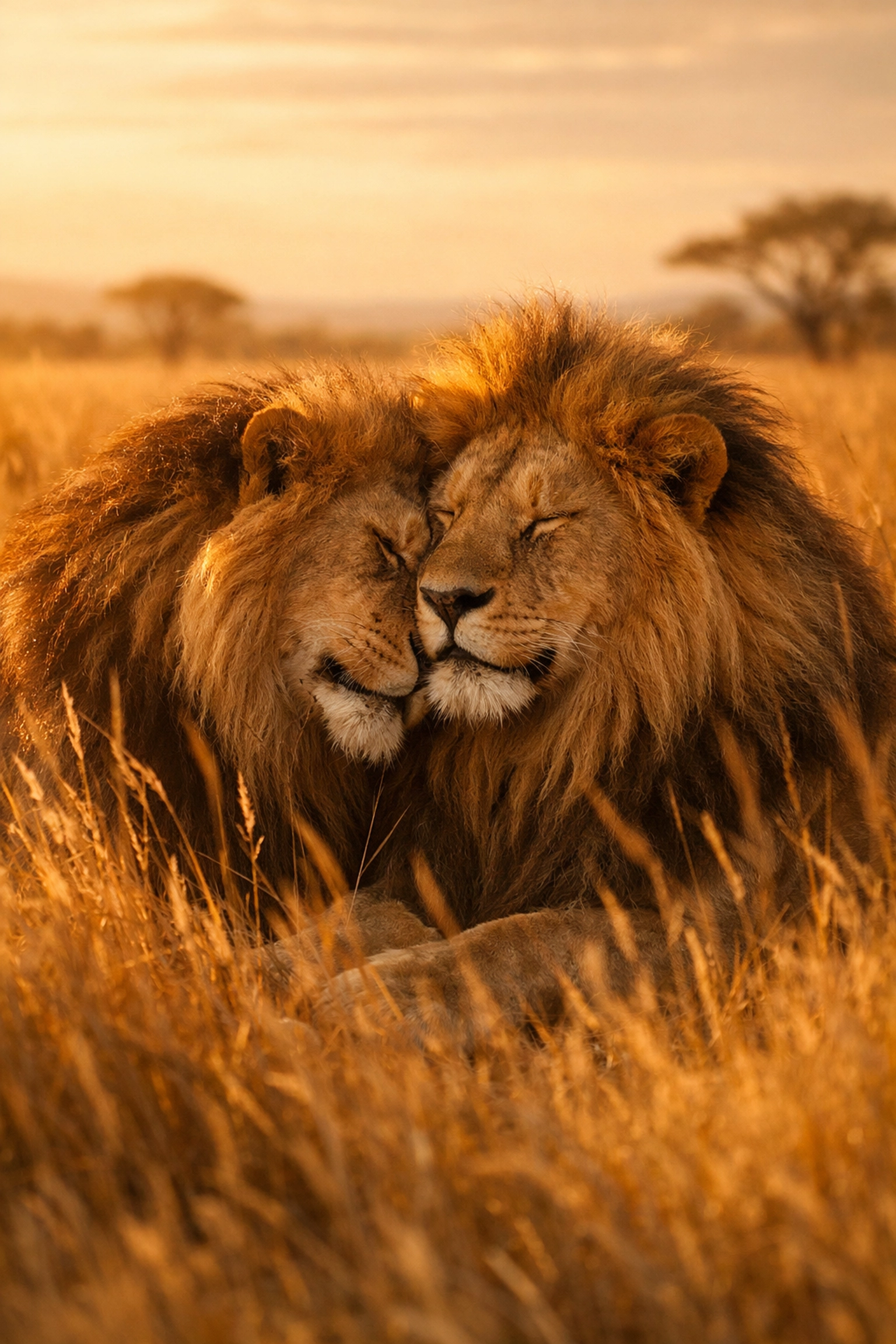
Male lions have been observed engaging in courtship and mounting behaviors with other males. These bonds strengthen the alliances between coalition males, which is vital for defending their pride from outside threats.
6. Laysan Albatrosses: The Long-Term Lesbians
On the island of Oahu, nearly a third of all Laysan Albatross pairs consist of two females. They stay together for years, cooperatively raising chicks (often fathered by a "donated" male who isn't part of the household).
7. The 8% of Domestic Sheep
Studies have shown that about 8% of domestic rams are exclusively attracted to other rams. They aren't interested in ewes at all, providing a clear biological basis for sexual orientation in mammals.
8. Black Swans and Threesomes
Male black swans often form pairs to raise cygnets. Sometimes they even form a temporary "threesome" with a female to get an egg, and then chase her off once the egg is laid so they can raise the baby as a duo. They are known to be more successful at defending their territory than heterosexual pairs.
9. Japanese Macaques
In many macaque troops, females form intense sexual bonds with other females. These "consortships" can last for days, involving grooming and synchronized movements.
10. Grizzly Bears
Even the "tough guys" of the forest have a soft side. Male grizzly bears have been observed in long-term same-sex pairings that involve mutual grooming and sexual activity.
11. Bison Bachelor Groups
During the non-breeding season, male bison often form small groups where mounting and stimulation are frequent. It keeps the peace and maintains the hierarchy without the need for constant, bloody combat.
12. Gulls and the "Female-Female" Nest
Much like the albatross, various gull species form female-female pairs when males are scarce. These pairs are just as dedicated to their nests as any other, proving that family is what you make it.
13. Flamingos
Flamingos are famously flamboyant, and that includes their dating lives. Same-sex pairs (both male-male and female-female) are a regular sight in flamingo colonies, often successfully rearing foster chicks.
14. Walrus Bachelor Parties
Male walruses, especially younger ones, engage in sexual play with each other throughout the year. It’s thought to be a way of practicing social skills and relieving stress.
15. Dragonflies
Even the insect world gets in on the action. Many species of dragonflies engage in same-sex mounting, likely as a way of managing competition and establishing territory.
16. Spotted Hyenas
Hyenas have a complex matriarchal society where female-female bonding is the most important social currency. Their unique anatomy and social structure mean that "queer" dynamics are actually the norm for the pack.
17. Elephants
Male elephants form incredibly deep emotional bonds. In some cases, these friendships involve sexual contact that can last for years, helping young "bulls" navigate the complex social world of the herd.
18. Orcas
Whales are highly social and highly intelligent. Male orcas often engage in sexual play within their pods, strengthening the "family" bonds that are essential for their survival in the harsh ocean.
19. Chimpanzees
Like bonobos, chimps use same-sex contact to build alliances. While chimps are more aggressive than bonobos, these bonds help mitigate that aggression and create stable power structures.
20. Whiptail Lizards
In some species of whiptail lizards, there are no males at all! The entire species is female, and they reproduce through parthenogenesis. However, they still engage in "pseudocopulation" with each other to stimulate egg production. They are literally a species of lesbians.
Why This Matters for Readers and Authors
Knowing that the world is naturally diverse helps us write better, more authentic gay fiction. At Read with Pride, we believe that when you pick up one of our MM novels or LGBTQ+ ebooks, you aren't just reading a "niche" story: you're reading a story that reflects the deep, ancient reality of connection.
The "psychological and behavioral advantages" of same-sex bonds: like higher empathy and lower physical aggression: are the same traits that make our favorite book boyfriends so compelling. Whether it's a slow burn MM romance or a gay historical romance, we’re drawn to these stories because they tap into a fundamental truth: bonding is essential for survival.

The Evolution of the Story
Just as same-sex bonds have evolved to help species thrive, the world of publishing is evolving too. We are seeing a massive surge in popular gay books and new gay releases for 2026 that don't just treat queer characters as an afterthought. They are the heroes, the leaders, and the glue that holds their fictional worlds together.
If you’re looking for your next great read, or if you’re an author looking to publish your own queer fiction, check out our resources:
- Explore our Book Store for the latest MM contemporary hits.
- Check out our FAQ for publishing tips.
- Browse our sitemaps to find your favorite genre, from gay fantasy romance to gay psychological thrillers.

Nature doesn't make mistakes; it creates variety to ensure resilience. Every time you pick up an LGBTQ+ romance or support a queer author, you’re celebrating that beautiful, evolutionary diversity.
Stay proud, stay curious, and keep reading.
Join the conversation and find your next favorite story:
- Facebook: Read with Pride
- X (Twitter): @Read_With_Pride
- Instagram: @read.withpride
#ReadWithPride #MMRomance #LGBTQBooks #GayFiction #QueerNature #EvolutionOfLove #2026GayBooks #GayRomanceNovels #GayLiterature #GayBookClub

Leave a Reply
You must be logged in to post a comment.