

readwithpride.com
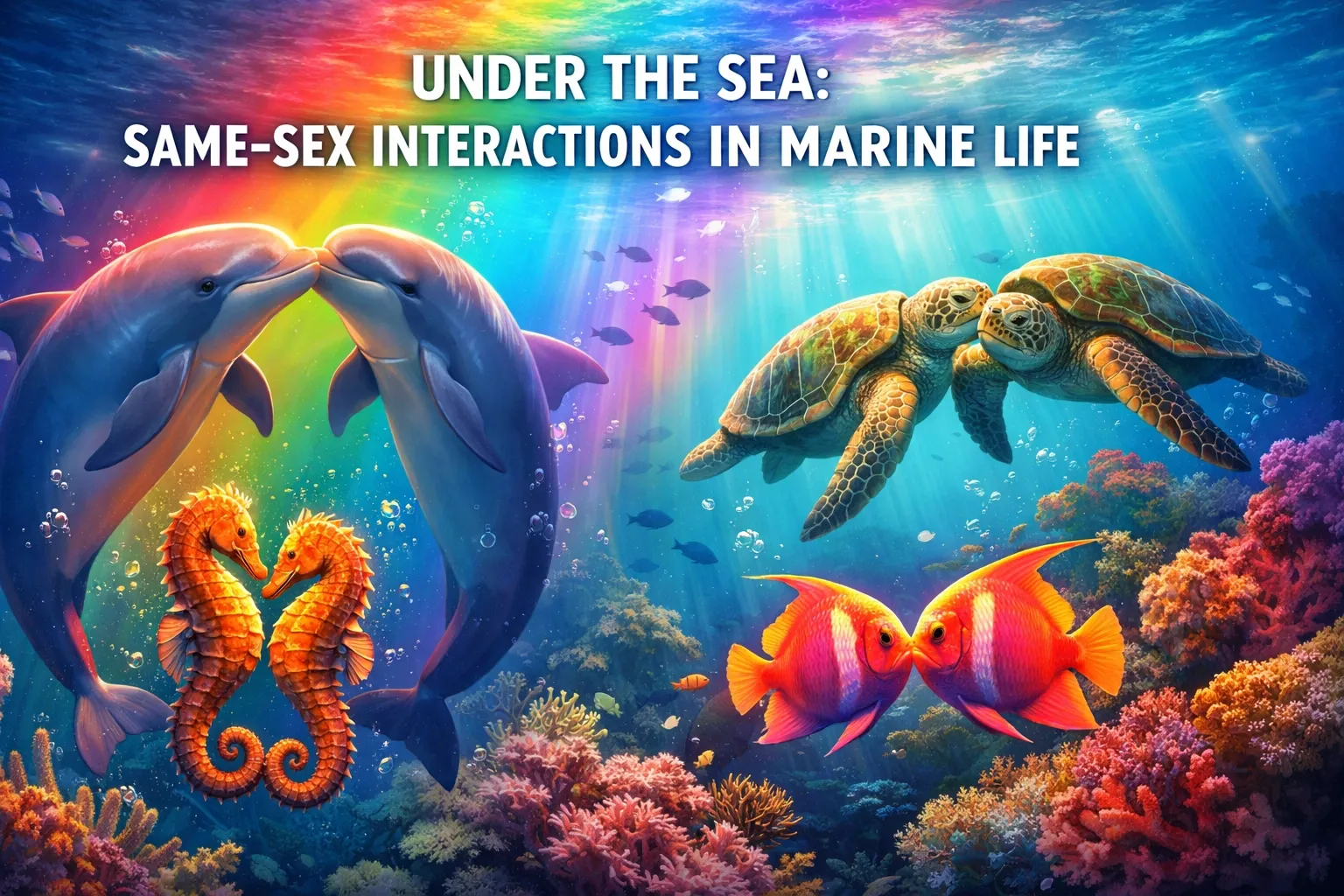
If you’ve ever tucked into a steamy MM romance or spent a rainy afternoon lost in gay love stories, you know that love is a many-splendored, diverse, and often beautifully complicated thing. But did you know that while we’re busy celebrating queer fiction and the best new gay releases of 2026, Mother Nature has been running her own LGBTQ+ book club under the waves for millions of years?
At Read with Pride, we believe in authenticity. We write, publish, and scream from the rooftops about the beauty of queer identity. Usually, we’re talking about MM romance books or the latest gay historical romance hitting the shelves. But today, we’re diving deep, literally: into the ocean to see how marine life embraces the rainbow. Spoiler alert: the ocean is way gayer than your middle school biology textbook let on.
Why Mother Nature Loves a Rainbow
For a long time, the "natural" world was viewed through a very heteronormative lens. But as scientists (and the rest of us) have opened our eyes, we’ve realized that same-sex interactions are widespread across the animal kingdom. In the marine world, these behaviors aren't just "accidents"; they are vital for social structure, survival, and: let’s be real: pleasure.
Whether it’s the high-stakes drama of a dolphin alliance that feels like a forced proximity trope or the domestic bliss of a penguin pair that reminds us of our favorite heartfelt gay fiction, the ocean is teeming with stories that mirror our own.
The Ultimate Bromance: Bottlenose Dolphins
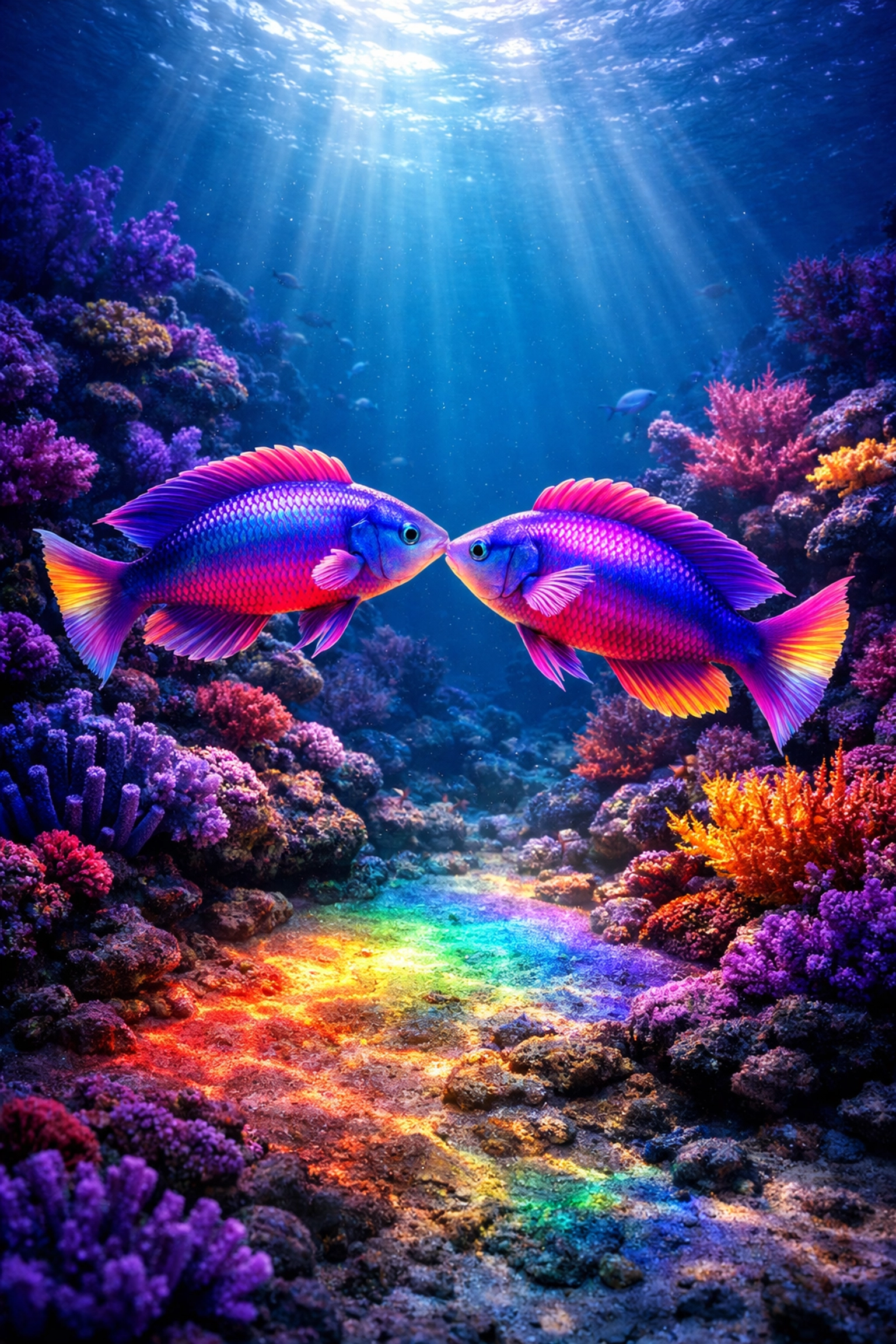
If you’re a fan of the "partners-to-lovers" or "lifelong bond" tropes in gay romance novels, you’re going to love bottlenose dolphins. These guys take "bros for life" to a whole new level.
Research shows that nearly all male bottlenose dolphins are bisexual. They form intense, long-term alliances with other males that start in their youth and last a lifetime. These aren't just casual flings; these pairs (and sometimes trios) are inseparable. They protect each other from predators, help heal each other’s wounds, and even take turns keeping watch while the other sleeps.
Their interactions often include genital rubbing and belly-to-belly contact. While some might dismiss this as purely social, marine biologists note that these encounters strengthen the social glue of the pod. It’s like a high-stakes gay adventure romance where the bond between the leads is the only thing keeping them alive in a dangerous world.
Penguin Power Couples: More Than Just 'March of the Penguins'
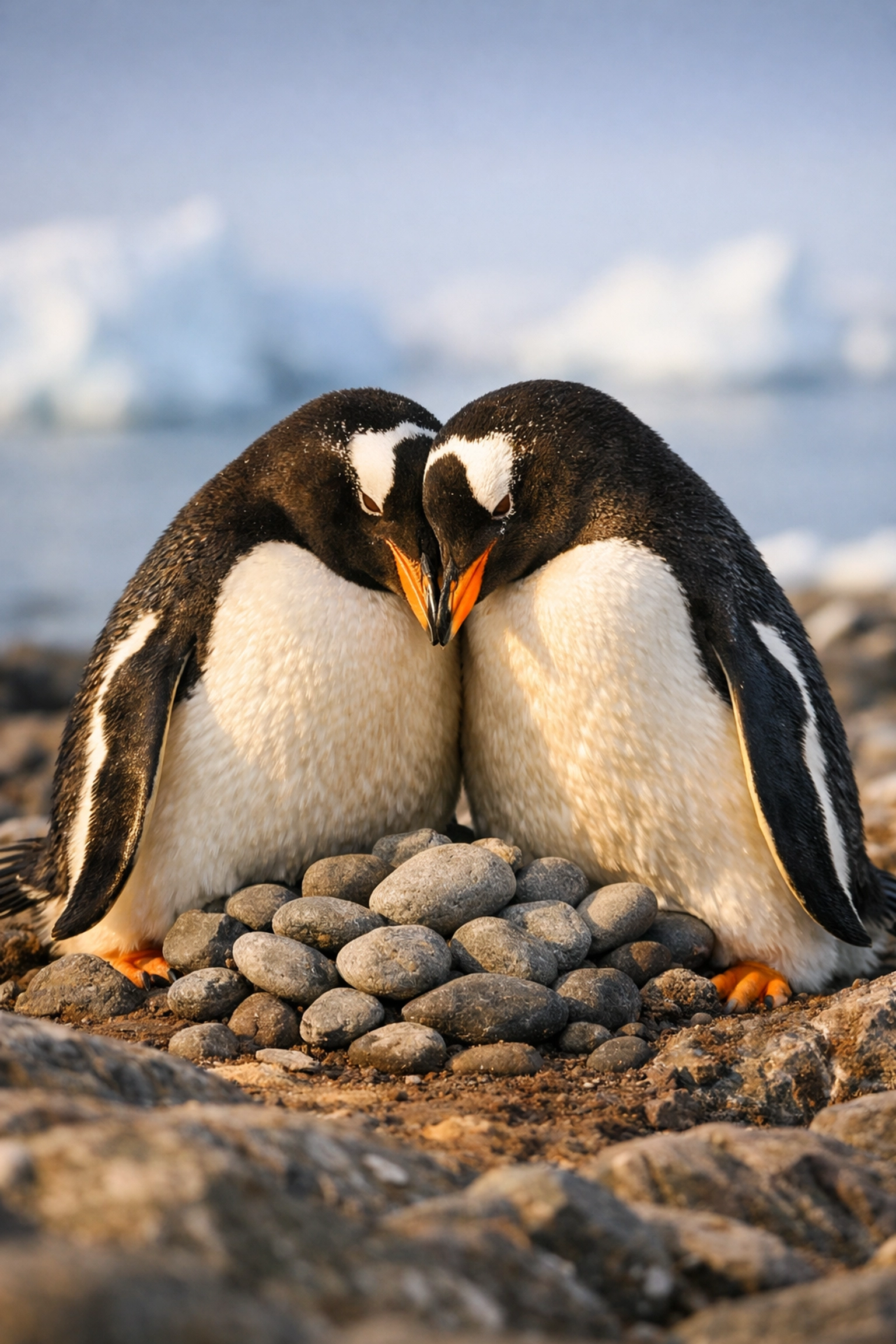
We’ve all heard the stories of Roy and Silo, the famous chinstrap penguins from Central Park Zoo, but same-sex pairings are actually quite common in the wild too. About one in five penguins is estimated to be homosexual.
In the world of penguins, male-male pairs form monogamous relationships that look a lot like the "domestic fluff" we love in MM contemporary stories. They build nests together, protect their territory, and have even been known to "adopt" abandoned eggs or brood over particularly egg-shaped rocks together.
These pairs show us that parenting isn't about gender; it’s about the commitment to the nest. It’s the kind of emotional MM books material that makes you reach for the tissues. If you're looking for more stories about unconventional families, check out our product category for some inspiring reads.
The Laysan Albatross: Girl Power on the High Seas
While much of the research focuses on males, the ladies are doing it for themselves in the albatross community. On the island of Oahu, Hawaii, about 31% of Laysan albatross pairs consist of two females.
These female-female couples stay together for years, sometimes for life. They engage in all the typical courtship rituals: dancing, preening, and nesting. To keep the species going, they’ll occasionally "cross-fertilize" with a male, but they return to their female partner to incubate the egg and raise the chick together.
Interestingly, chicks raised by two moms often have better survival rates because the two females are more committed to the long-term stability of the nest than a male-female pair might be. It’s a real-life version of those strong queer lead stories we love to publish at Read with Pride.
Gentle Giants: Whales and the Art of Touch
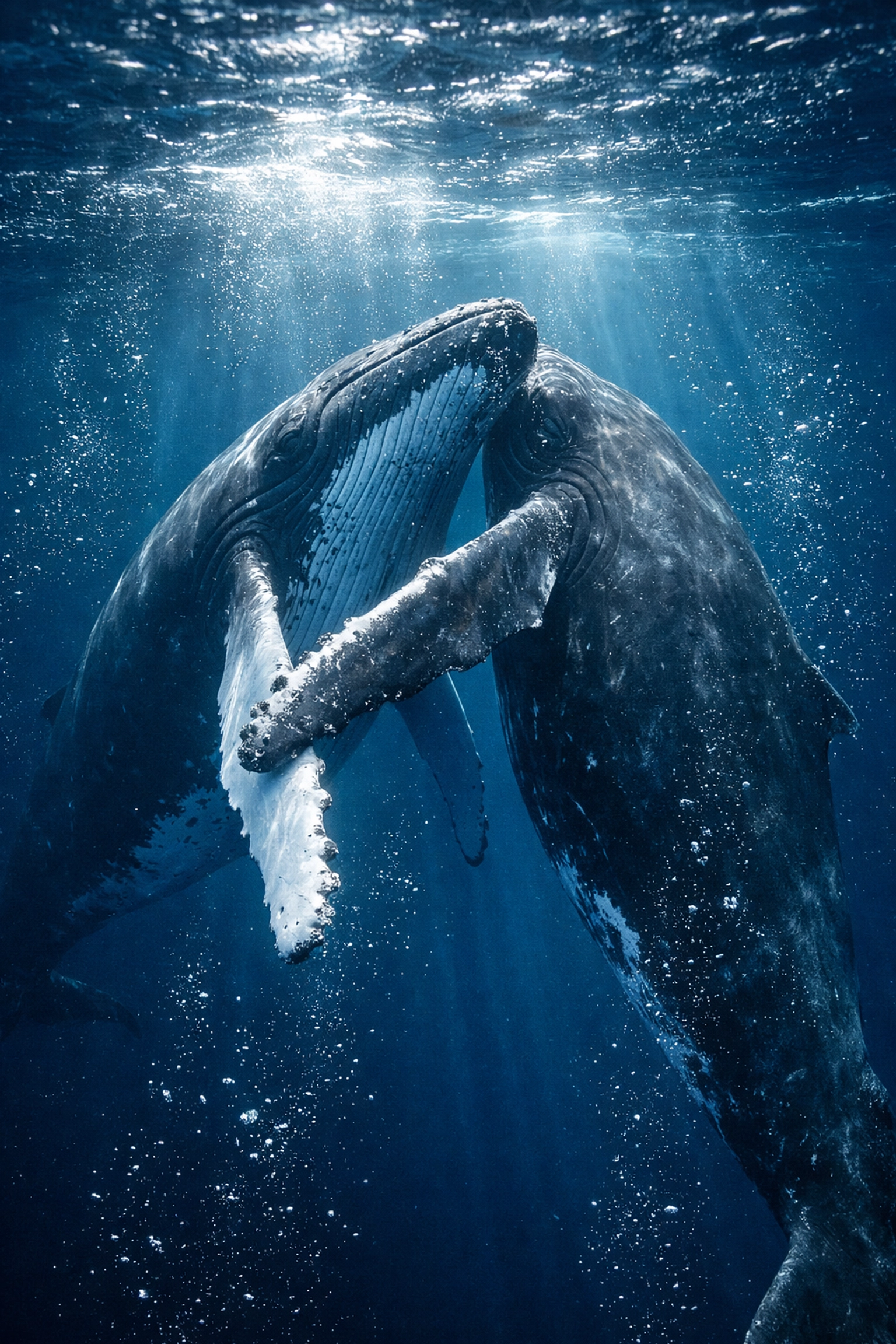
Whales are the poets of the ocean, and their romantic lives are just as epic as a gay fantasy romance. Gray whales have been observed forming same-sex trios and pairs where they spend hours swimming in sync, touching fins as if they’re holding hands.
In 2024, researchers even captured the first-ever photographs of two male humpback whales engaging in sexual behavior off the coast of Hawaii. While some scientists speculate on the social reasons behind this, others point to a simpler explanation: companionship and pleasure.
There’s something incredibly slow burn about the way whales interact. They use touch to communicate, comfort, and bond. It reminds us of those steamy MM romance scenes where the tension is built through small, meaningful gestures before the big payoff.
Walruses: A Summer of Love
Walruses have a fascinating approach to sexuality that feels like a "coming of age" gay novel. Young males are almost exclusively homosexual until they reach sexual maturity around age four. During this time, they form close physical bonds with other males, involving lots of cuddling, hugging, and swimming in close contact.
Once they reach breeding age, many become bisexual, participating in the seasonal breeding with females while maintaining their close bonds with their male companions. It’s a fluid, natural progression that challenges the rigid "either/or" boxes humans often try to force people into.
Why This Matters for Us (The Read with Pride Perspective)
You might be wondering, "Penny, why are we talking about gay walruses on a site for LGBTQ+ ebooks?"
The answer is simple: Representation matters everywhere.
When we see that queerness isn't just a "human invention" but a fundamental part of the natural world, it validates our stories. It proves that the themes we explore in MM romance books: loyalty, love, pleasure, and found family: are universal.
Whether you’re writing a gay thriller, a gay spy romance, or a gay historical romance, you are tapping into a vein of existence that is as old as the ocean itself. At Read with Pride, we are committed to being the home for these stories. We want to be the author of a new era where every kind of love is celebrated.
If you’re an aspiring writer inspired by the natural world (or just really into the "enemies to lovers" dynamic of rival dolphin pods), we want to hear from you. Check out our FAQ to see how you can start your publishing journey with us.
Dive Into Your Next Favorite Story
The ocean is vast, and so is our library. If this deep dive into marine life has you craving some top LGBTQ+ books, we’ve got you covered. From the best MM romance of 2026 to those classic gay love stories that never get old, there’s something for everyone.
Check out our store for the latest releases, or browse our blog sitemap for more fun articles like this one.
Don't forget to follow us on social media to stay up to date with the latest news, book recommendations, and queer culture:
- Facebook: Read with Pride
- X (Twitter): @Read_With_Pride
- Instagram: @read.withpride
Nature is beautiful, diverse, and unapologetically queer. Your bookshelf should be too.
#ReadWithPride #MMRomance #LGBTQBooks #MarineLife #GayRomance #QueerNature #MMBooks2026 #GayFiction #LoveIsLove #DolphinAlliances #PenguinCouples

Leave a Reply
You must be logged in to post a comment.