

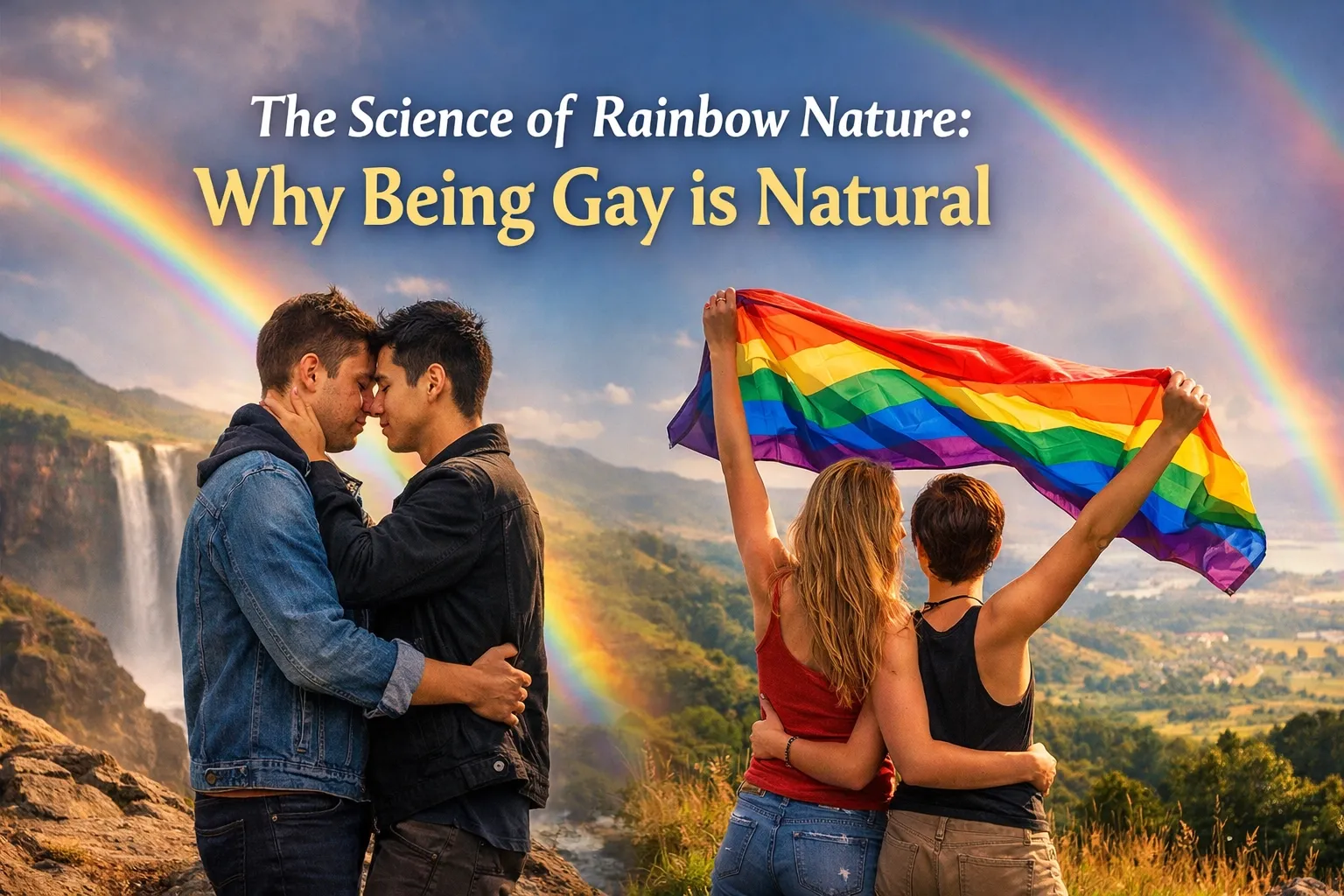
readwithpride.com
If I had a nickel for every time someone claimed that being queer was "against nature," I’d have enough money to buy every single one of the 2026 gay books currently topping the charts. Here’s the tea: nature is about as straight as a circle. From the depths of the ocean to the highest mountain peaks, the animal kingdom is flourishing with same-sex bonds, queer parenting, and gender-bending behavior.
At Read with Pride, we spend a lot of time celebrating gay love stories in fiction. But sometimes, the most authentic "gay novels" are written by biology itself. If you've ever felt like your identity was somehow separate from the natural world, grab a coffee and get comfortable. We’re diving into the science of why being gay is one of the most natural things on the planet.
The 32% Rule: It’s in the Code
Let’s start with the hard science. For decades, people searched for a "gay gene": a single switch that determined who you’d want to take on a date. Spoiler alert: it doesn't exist. But that doesn’t mean it’s not biological.
Recent research has shown that genetics account for about 32% of the variation in sexual orientation. It’s not one gene; it’s a beautiful, complex symphony of genetic variants spread across the entire genome. Think of it like a MM romance plot: there isn't just one moment that makes the leads fall in love; it’s a thousand tiny interactions, shared glances, and "there was only one bed" scenarios that build the final picture.
Beyond genetics, prenatal biological factors are huge players. The prenatal androgen theory suggests that exposure to testosterone in the womb helps shape who we are attracted to later in life. In many ways, our "queer compass" is calibrated before we even take our first breath. Whether you're a fan of MM contemporary or gay fantasy romance, those feelings are rooted in the very core of your biology.
20 Stories of Queer Nature: The Animal Kingdom’s Greatest Hits
If humans are the only ones who are "confused," why are over 1,500 species practicing same-sex behavior? Here are 20 quick looks at how the animal kingdom lives its best queer life.
- Dolphins: Male bottlenose dolphins are famous for their intense, lifelong "partnerships." They form bonds that involve plenty of sexual contact and social support.
- Penguins: Roy and Silo, the famous chinstrap penguins at Central Park Zoo, are the OG gay love story. They raised a chick together and remained a devoted pair for years.
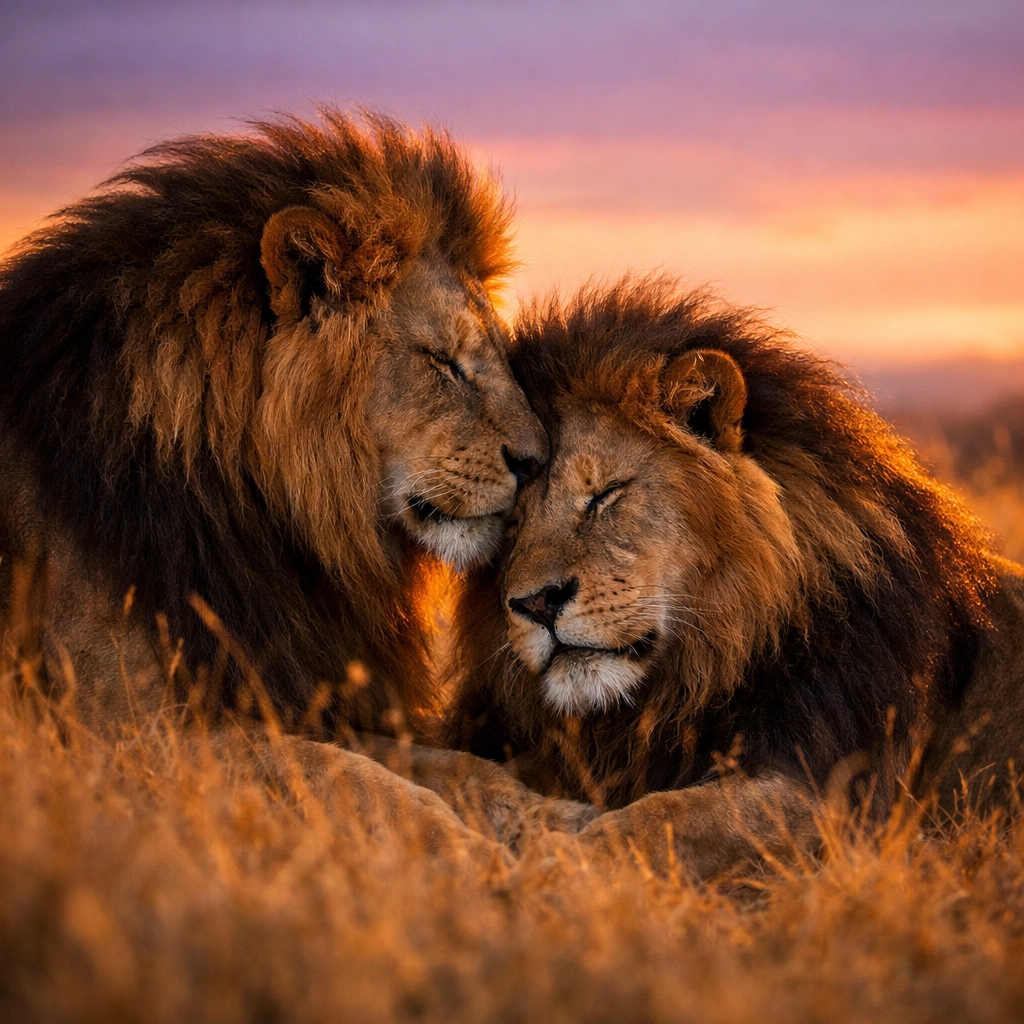
- Lions: Male lions have been observed forming coalitions that involve affectionate nuzzling and mounting, proving that the "King of the Jungle" can definitely be a fan of MM romance.
- Giraffes: In some populations, up to 94% of observed sexual activity is between two males. Talk about high-altitude gay fiction!
- Bonobos: Our closest relatives use sex to solve everything. Conflict? Sex. Found a new fruit tree? Sex. Female-female "GG rubbing" is a cornerstone of their society.
- Albatrosses: On the island of Oahu, nearly a third of Laysan Albatross pairs are female-female. They raise chicks together just as successfully as male-female pairs.
- Sheep: About 8% of domestic rams show a lifelong preference for other rams, even when fertile ewes are available.
- Bison: Male American Bison engage in "mounting bouts" that help establish social hierarchies and bonds.
- Black Swans: Male-male pairs are common among black swans. They sometimes even "borrow" a female to lay eggs before chasing her off and raising the cygnets together.
- Garter Snakes: Some males mimic female pheromones to attract other males, creating "mating balls" that keep them warm and protected.
- Japanese Macaques: Female macaques form temporary but intense sexual bonds with each other, often competing for the attention of the same female partner.
- Walruses: Male walruses are known to engage in same-sex activity outside of the traditional breeding season.
- Dragonflies: Queer behavior is rampant in the insect world, too. Male dragonflies often engage in aerial displays and contact with other males.
- Grizzly Bears: Same-sex mounting and genital licking have been documented in wild grizzlies, proving that even the toughest bears have a soft side.
- Koalas: Female koalas in captivity have been observed engaging in multi-partner same-sex encounters.
- Fruit Flies: Scientists can actually toggle sexual preference in fruit flies by adjusting certain genes, showing just how biological these "choices" really are.
- Hyenas: Female spotted hyenas have highly masculinized anatomy (a pseudo-penis) and exhibit dominant, often queer-coded social structures.
- Guianan Cock-of-the-rock: These vibrant birds engage in elaborate male-male lekking displays that often lead to sexual contact.
- Velvet-horned Deer: Some deer species show a complete lack of interest in the opposite sex, preferring the company of their "stags-only" social groups.
- Humans: Last but not least, us! We are a part of nature, and our diversity is our greatest strength.
Why Authenticity Matters in Queer Fiction
When we talk about Read with Pride and the MM romance books we publish, we aren't just telling "stories." We are reflecting a reality that has existed since life began. Whether it's a gay historical romance or a gay psychological thriller, these narratives tap into a fundamental truth: attraction is a spectrum.
For authors writing M/M books or queer fiction, understanding that gayness is natural helps remove the "shame" narrative that has plagued literature for centuries. We don't need to justify why two men fall in love in a gay contemporary romance: it’s as natural as the sunrise.
Tropes That Mirror Nature
It’s funny how our favorite MM romance tropes often mirror what we see in the wild:
- Forced Proximity: Think of those garter snakes huddling together for warmth.
- Enemies to Lovers: Many animal bonds start with a display of dominance that turns into a life-long partnership.
- Slow Burn: The elaborate courtship of the albatross can take years of dancing before they commit to their partner.
If you’re looking for your next read that captures this natural, authentic energy, check out the Read with Pride Store or browse our product categories to find the perfect gay romance novels for your collection.
2026: The Year of the Natural Narrative
As we move through 2026, the demand for popular gay books that feature diverse, healthy, and "natural" LGBTQ+ relationships is higher than ever. Readers are moving away from tragedy-only plots and toward gay love stories that celebrate queer joy as a fundamental part of the human (and animal) experience.
Scientific markers like handedness, finger-length ratios, and even the "older brother effect" (where having more older brothers increases the likelihood of a younger brother being gay) all point toward a biological blueprint. When you read MM fiction or gay literature, you aren't reading something "alternative." You are reading about the world as it truly is.

Conclusion: Wear Your Rainbow With Pride
The "Science of Rainbow Nature" tells us one thing clearly: you belong. You are not a glitch in the system; you are a feature of it. From the best MM romance of the year to the penguins in the Antarctic, queer love is everywhere.
At Read with Pride, we are committed to being the premier LGBTQ+ eBook publisher, helping queer authors and MM authors bring their authentic voices to the world. If nature isn't afraid to be colorful, why should we be?
Ready to dive into some "natural" selection? Check out our latest blog posts for gay book recommendations, or start your own journey as an author through our dashboard.
Don't forget to follow our journey and join the community:
- Facebook: Read with Pride
- X (Twitter): @Read_With_Pride
- Instagram: @read.withpride
Explore more of our world:
Main Website | Sitemap | Author Directory
#LGBTQ #GayScience #ReadWithPride #MMRomance #GayBooks2026 #QueerNature #GayFiction #NatureIsGay #AuthenticStories

Leave a Reply
You must be logged in to post a comment.