

readwithpride.com
Let’s be real for a second: if you grew up reading standard biology textbooks, you probably thought the animal kingdom was a strictly "one mom, one dad" kind of place. But here at Read with Pride, we know that life is rarely that binary. Whether we’re talking about the latest MM romance books or the behavior of a pod of bottlenose dolphins, the truth is that "queerness" isn't a modern human invention, it’s a fundamental part of the natural world.
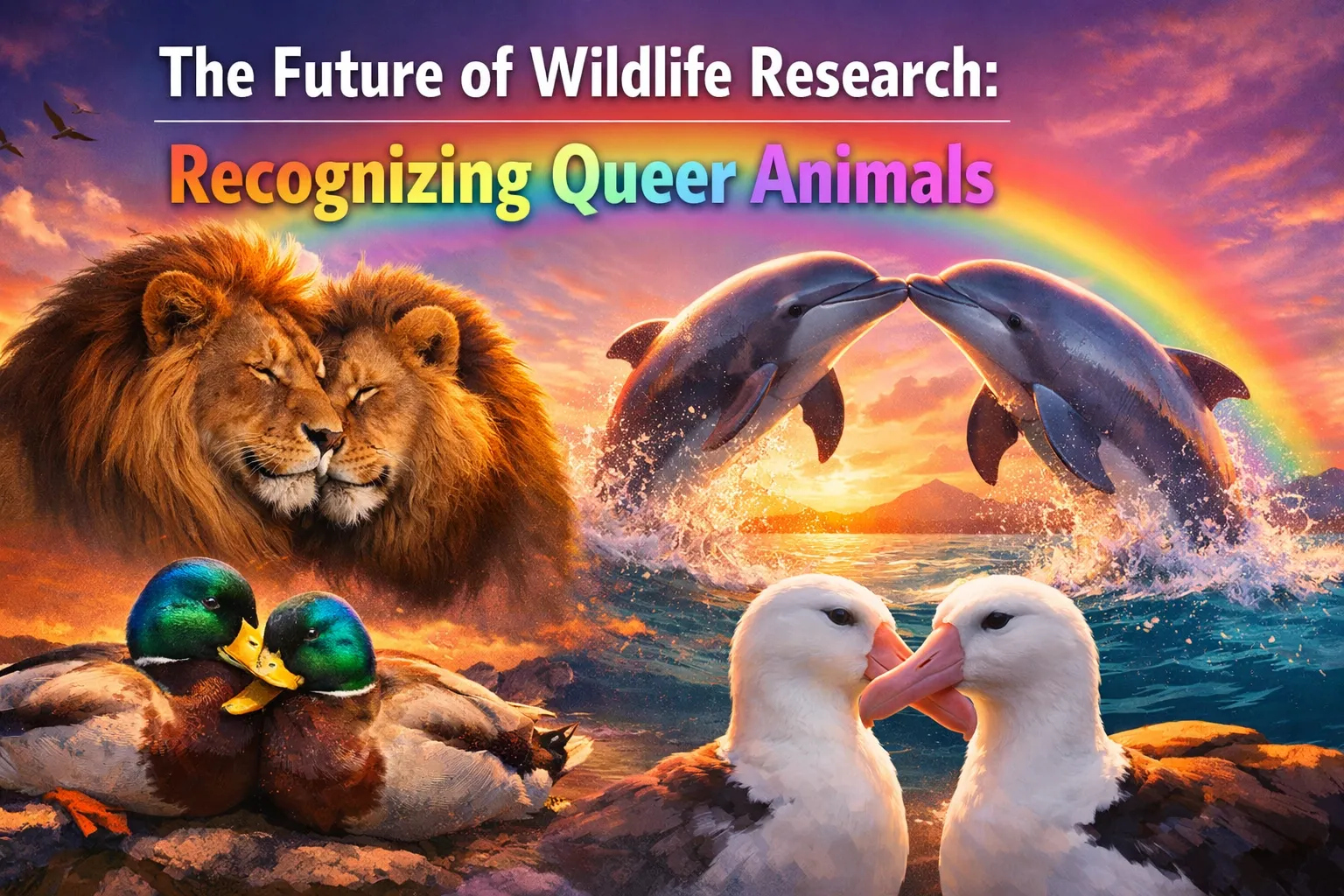
For a long time, science had a bit of a "don't ask, don't tell" policy regarding wildlife. Researchers would see two male lions getting cozy or female albatrosses raising chicks together and simply… look the other way. They called it "dominance displays" or "friendship." But in 2026, the vibe is shifting. Wildlife research is finally catching up to the reality that nature is vibrant, diverse, and, dare we say it, fabulous.
The Rise of Queer Ecology
So, what exactly is "Queer Ecology"? It sounds like a niche college elective, but it’s actually a revolutionary way of looking at the environment. It’s a framework that throws out the old-school idea that only heterosexual, reproductive behavior is "natural."
Introduced by Cate Sandilands back in the 90s, queer ecology is finally hitting the mainstream in 2026. It asks us to stop projecting our own social hang-ups onto animals. When we "queer" our perspective of the wild, we stop seeing urban coyotes as "pests" and start seeing them as resourceful cohabitants. We stop seeing same-sex pairings as "evolutionary mistakes" and start seeing them for what they are: essential components of social bonding and survival.

1,500 Species and Counting
If you thought it was just a few "confused" penguins, think again. Scientists have now documented same-sex behavior in over 1,500 species. We’re talking about:
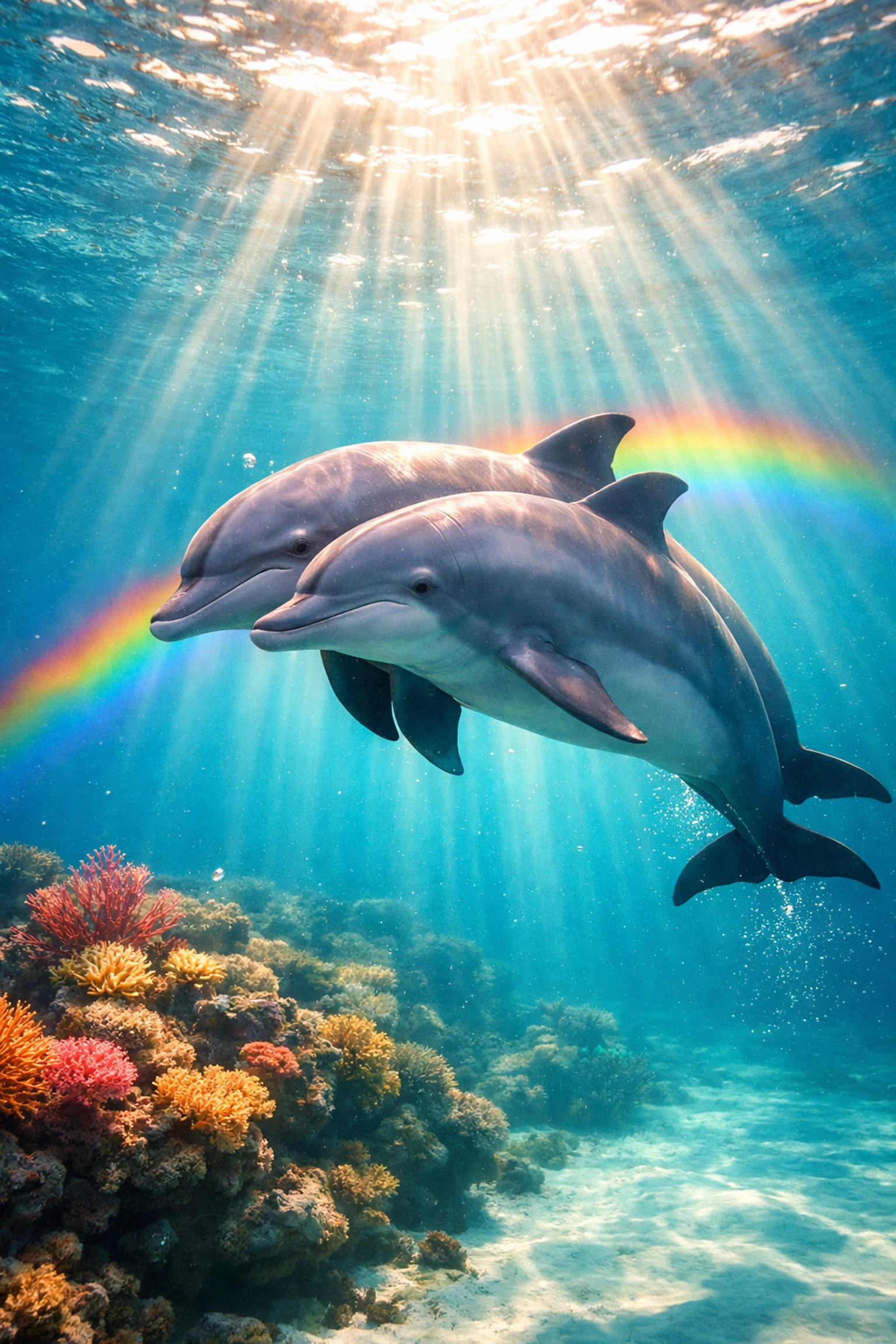
- Bottlenose Dolphins: These guys are basically the bisexual icons of the ocean. They engage in same-sex bonds that can last a lifetime, often using these relationships to navigate complex social hierarchies.
- Laysan Albatrosses: In some colonies, up to a third of the pairs consist of two females. They court, they bond, and they raise chicks together because, honestly, two moms are better than one when you’re facing the elements.
- Bonobos: Our closest relatives use sexual contact (regardless of gender) to resolve conflicts and say "hello." It’s basically their version of a handshake, but much more fun.
- Domestic Rams: Interestingly, about 8% of rams show a distinct preference for other males, even when fertile females are available.
This isn’t just "playing around." These are stable, documented behaviors that prove that the spectrum of attraction is a biological constant. If you love a good gay romance novel where the leads have to navigate social pressures, just know that there’s a pair of male lions out there doing the exact same thing (minus the witty dialogue).
The Secret History (The Science Tea is Scalding)
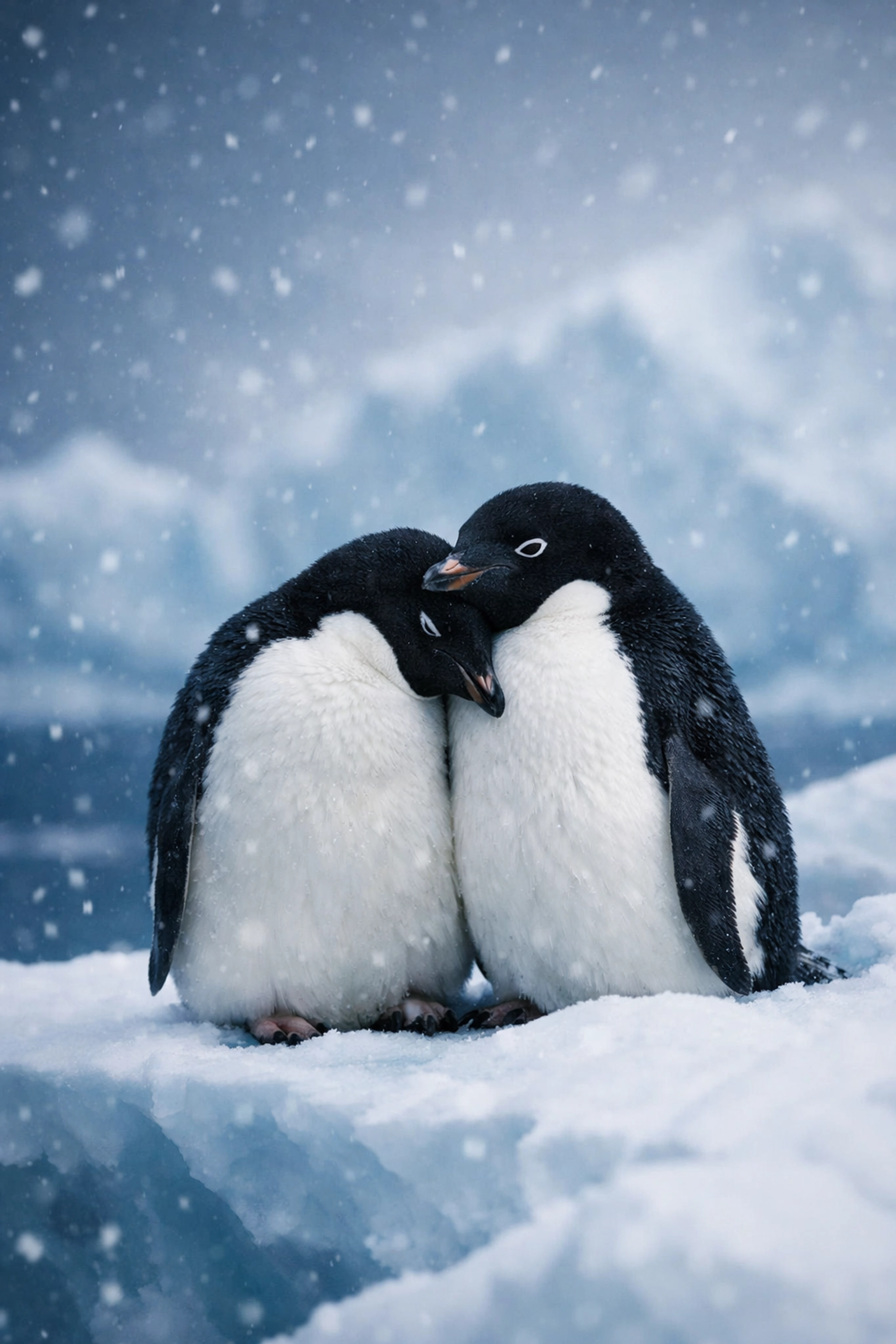
Why are we only hearing about this now? Well, because humans are great at gatekeeping. In 1912, George Murray Levick studied Adélie penguins in the Antarctic. He witnessed what he called "astonishing" same-sex behavior. But instead of publishing it, he wrote it in Greek so only "educated" men could read it, and the data was suppressed for an entire century. It wasn't officially "rediscovered" and published until 2012.
Imagine how different our understanding of nature would be if we hadn't spent a hundred years pretending gay penguins didn't exist! It’s the ultimate "erasure" trope, and frankly, we’re over it. That’s why at Read with Pride, we’re so passionate about LGBTQ+ fiction: because representation matters, whether it’s on your Kindle or in the middle of the Serengeti.
A New Generation of Researchers
The explosion of research we’ve seen in the last 20 years isn’t a coincidence. It’s happening because a new generation of scientists: many of whom are LGBTQ+ themselves: are entering the field. They aren't looking through a lens of prejudice. They’re seeing data for what it is.
A groundbreaking 2019 study in Nature Ecology & Evolution proposed something mind-blowing: what if the "original" state of animals was "indiscriminate sexual behavior"? Instead of evolving "gayness," maybe animals started out being attracted to everyone, and only narrowed it down later for reproductive efficiency. In this model, queerness isn't an "alternative" lifestyle: it's the baseline.
Why This Matters for the Community
You might be wondering, "Penny, this is cool, but I’m here for gay books, not a biology lecture."
Here’s the thing: the "it’s not natural" argument has been used against the LGBTQ+ community for centuries. By recognizing that queerness is everywhere in nature: from the smallest beetle to the largest whale: we dismantle that argument entirely.
When we read MM romance books or queer fiction, we are celebrating a truth that is reflected in the very world around us. Whether it’s an enemies-to-lovers MM romance set in a high-fantasy kingdom or a contemporary gay romance set in London, these stories are "natural" because love and attraction are natural.
Tropes in the Wild?
If you’re a fan of specific tropes, you can actually see them play out in wildlife research:
- Forced Proximity: Think of urban wildlife forced into small habitats. Scientists are finding that these "roommate" situations often lead to unique social bonds that challenge our understanding of species behavior.
- Slow Burn: Some bird species spend years "dating" and building nests before they ever commit to a partner: regardless of whether that partner is male or female.
- Found Family: Many species use same-sex pairings to adopt orphaned young, proving that family is about who shows up, not just genetics.
For those looking for their next great read that captures these vibes, check out our latest releases for 2026. We’ve got everything from steamy MM romance to heartfelt gay fiction that will make you feel as seen as a penguin in a pride parade.
The Future is Inclusive
As we move forward, the goal of wildlife research isn't just to "spot the gay animal." It’s to understand that diversity is a strength. Systems that are diverse are more resilient. This applies to ecosystems, and it applies to our society too.
At Read with Pride, we’re proud to be a part of this shift. We want to be your go-to source for gay romance novels and the best MM authors in the business. Our mission is to ensure that every story: human or otherwise: gets told authentically.

Join the Conversation
Nature is huge, weird, and incredibly queer. Let’s stop trying to fit it into a tiny box. If you want to stay updated on more cool intersections between queer culture and the world at large, or if you just want some killer gay book recommendations, come hang out with us on social media!
- Follow us on Facebook: Read with Pride
- Catch us on X: @Read_With_Pride
- See the aesthetic on Instagram: @read.withpride
And don’t forget to browse our store for the best MM romance books to add to your 2026 reading list. Whether you're into gay historical romance or gay spy romance, we’ve got the stories that celebrate your true self.
Stay curious, stay authentic, and keep reading with pride.
readwithpride.com
#LGBTQ #QueerEcology #NatureIsGay #MMRomance #ReadWithPride #GayBooks2026 #WildlifeResearch #QueerScience #LoveIsNatural

Leave a Reply
You must be logged in to post a comment.