

readwithpride.com
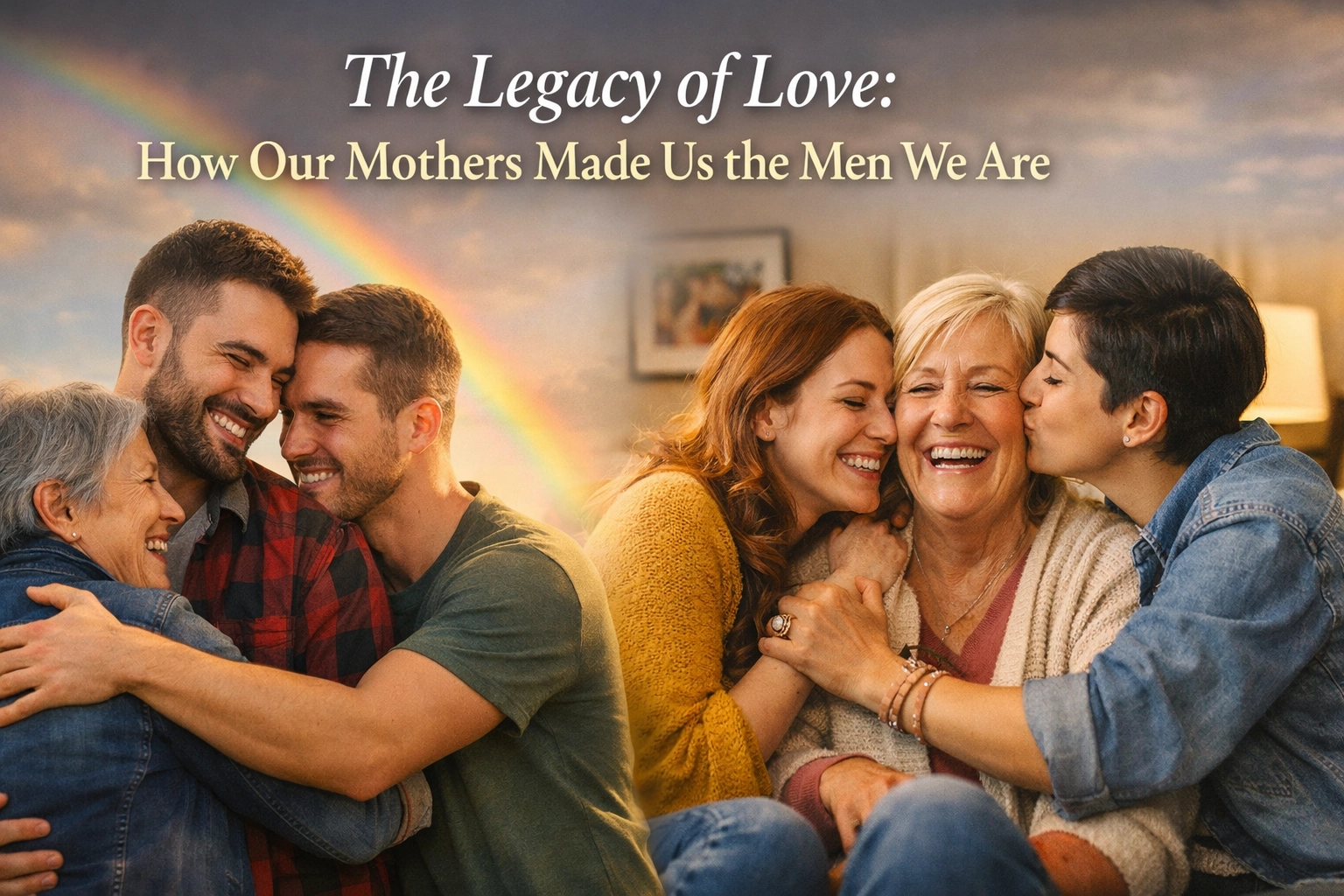
Mother’s Day isn't just about brunch and bouquets; for the LGBTQ+ community, it’s a day that carries a profound, often complex weight. For many gay men, our mothers were our first protectors, our first confidantes, and sometimes, our first heartbreaks. As we navigate 2026, a year where queer identity is more visible than ever, it’s worth taking a beat to look back at how maternal love: and the lack thereof: has stitched together the fabric of who we are.
At Read with Pride, we see these stories reflected in the MM romance books we publish and the gay romance novels we read late into the night. The "Supportive Mom" isn’t just a trope; she’s a lifeline. But the history of the gay man and his mother is a journey through different eras, different struggles, and a whole lot of resilience.
The Foundation of the Heart: Why She Matters
Research consistently shows that mothers play a massive role in shaping masculine identity. It’s a bit of a paradox, isn't it? In a world that often tells men to "man up" and suppress their feelings, it’s usually our mothers who teach us emotional literacy. They are the ones who model how to express joy, how to process grief, and how to understand the impact of our actions on others.
When a mother fosters her son’s personality for who he authentically is: rather than trying to squeeze him into a pre-cut mold of heteronormativity: she gives him the greatest gift possible: the permission to exist. This positive maternal influence is what allows a young gay man to grow into a strong, independent person. It’s that early acceptance that acts as a shield against the homophobia he’ll inevitably encounter in the "real world."

Through the Decades: A Changing Dynamic
The relationship between a gay man and his mother has shifted dramatically over the last century. Let’s take a walk through time to see how "Mom" has evolved as an ally and a figurehead.
The 1950s: The Silent Protector
In the mid-20th century, during the "Lavender Scare," a mother’s love often manifested as a whispered secret. These were the mothers who knew: who perhaps found the magazines or the letters: and chose to stay silent to protect their sons from a society that would have them institutionalized or arrested. It was a love built on survival. While they might not have had the language of "Pride," their refusal to cast their sons out was a radical act of rebellion.
The 1980s: The Caregivers of the Frontlines
During the height of the AIDS crisis, the image of the mother changed. When the world turned its back, it was the mothers who sat by hospital beds, who fought for medical rights, and who organized the first PFLAG (Parents, Families, and Friends of Lesbians and Gays) chapters. They became the "Mothers of the Movement." This era solidified the "Mama Bear" archetype in the queer community: the woman who would tear the world down to ensure her son was treated with dignity.
2026: The Champion and the Ally
Today, in 2026, the dynamic has shifted again. We see "Free Mom Hugs" at pride parades and mothers who are more educated on queer issues than their own children. But it’s not just about the public displays. It’s about the mothers who check out Read with Pride to find book recommendations so they can understand their son’s world better. They are reading 2026 gay books and queer fiction to bridge the gap between their experiences and ours.
The Power of the Single Mother
We can't talk about maternal influence without highlighting the incredible impact of single mothers. There’s a tired, outdated stereotype that boys raised without fathers lack "masculinity." But the reality is quite the opposite. Research indicates that sons raised by single mothers often develop a healthy, nuanced masculine identity.
These young men learn practical life skills, independence, and a deep respect for female strength. Because they aren't forced into a rigid "father-son" dynamic that might emphasize traditional (and sometimes toxic) masculine traits, they often have the freedom to explore a broader range of emotions. They grow up seeing competence and resilience modeled every single day. In many of the best MM romance books of recent years, we see this reflected in protagonists who are emotionally intelligent, fiercely loyal, and deeply respectful: traits often attributed to the influence of a strong maternal figure.

When the Bond is Broken
Of course, we have to acknowledge that not every story is a Hallmark card. Controlling or enmeshed relationships can leave lasting scars. When a mother tries to use her son to fulfill her own unmet emotional needs, it creates a "golden cage" effect. For a gay man, this can be particularly damaging, leading to a struggle for intimacy and emotional freedom in adulthood.
At Readwithpride.com, we believe in telling all stories: not just the happy ones. Some of the most "heartfelt gay fiction" deals with the pain of maternal rejection or the long road to reconciliation. These stories are essential because they validate the experiences of those who had to find their "Chosen Family" to survive.
The Chosen "Mother" in Queer Culture
In the LGBTQ+ community, the word "Mother" has a double meaning. We have our biological mothers, and then we have the "Mothers" of the ballroom scene and the drag houses. These are the gay men and trans women who stepped in when biological families stepped out.
The legacy of love isn't just biological; it’s a lineage of care. Whether it’s a "House Mother" teaching her "children" how to walk, how to dress, or how to survive on the streets, the maternal instinct to nurture and protect is a cornerstone of queer survival. This Mother's Day, we celebrate them too.
Fiction Mirroring Life: Moms in Gay Romance Novels
If you look at the top LGBTQ+ books of the last few years, the role of the mother is often a turning point in the plot. Whether she’s the one who helps the protagonist find the courage to pursue a "slow burn" romance or the one who provides the comic relief with her well-meaning but invasive questions about "that nice boy from the coffee shop," she’s a staple of the genre.
For authors like those featured on our Dick Ferguson Writer page, crafting these maternal figures is about adding a layer of authenticity to the MM historical romance or gay contemporary romance they write. A mother's reaction can be the highest stakes in a story, representing the bridge between a character's past and their future.

A Conclusive Note on Love
As we celebrate Mother’s Day 2026, let’s remember that the legacy of love left by our mothers: whether biological, adoptive, or chosen: is what makes us the men we are today. They taught us how to love, how to fight, and how to stay soft in a world that can be incredibly hard.
To the mothers who stood by us: thank you. To the mothers who are still learning: we see you. And to the "Mothers" who took us in when we had nowhere else to go: you are the heart of this community.
If you’re looking for a way to celebrate this bond, why not dive into some MM romance books that feature these incredible dynamics? Check out our product sitemap or browse our new gay releases for your next great read.
Don't forget to follow us on our journey to bring more authentic queer stories to the world:
Happy Mother’s Day from everyone at Readwithpride.com. Let's keep reading, keep loving, and keep living with pride.
#MothersDay2026 #ReadWithPride #MMRomanceBooks #GayRomanceNovels #LGBTQFiction #QueerAuthors #GayLiterature #MamasBoy #ChosenFamily #GayBooks2026

Leave a Reply
You must be logged in to post a comment.