

readwithpride.com
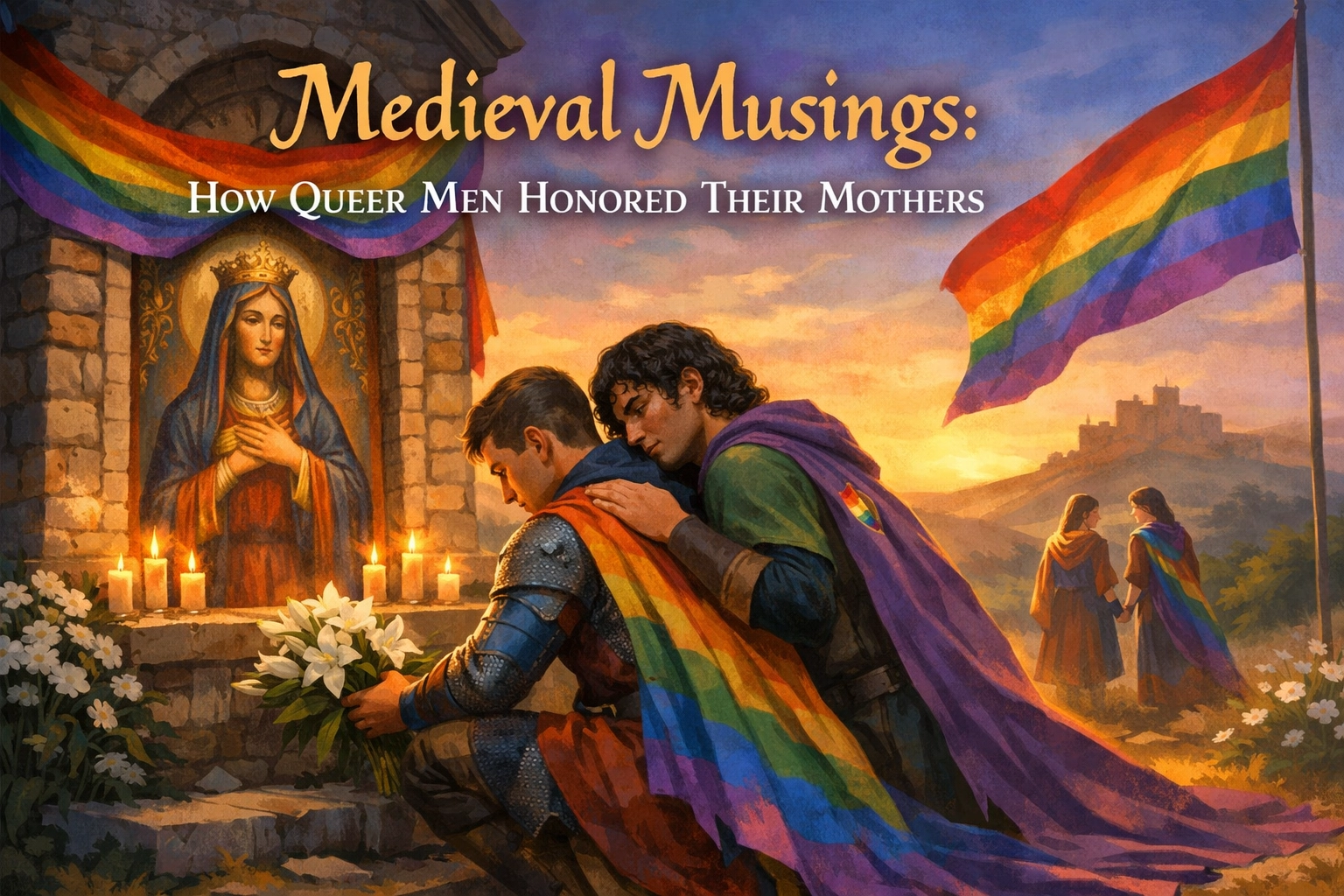
When we think of the Middle Ages, we often conjure up images of knights in shining armor, towering cathedrals, and perhaps a bit too much mud. But behind the tapestries and stone walls, there were real people with complex emotions and families. For the queer men of the era: those who didn't quite fit the mold of the typical patriarch: the relationship with their mothers was often the most significant and enduring bond of their lives.
At Read with Pride, we love a good gay historical romance, but history itself often provides the most fascinating "slow burn" narratives. While "Mother’s Day" as we know it didn't exist in the 14th century, the concept of honoring the woman who gave you life was deeply ingrained in the medieval psyche. For the "unmarried" son: the one who preferred the company of his "close companions" or the quiet contemplation of a monastery: Mothering Sunday and daily life offered unique opportunities to show devotion.
The "Unmarried" Son: A Medieval Trope
In many MM romance books set in the past, we see the trope of the son who refuses to wed. In medieval reality, this wasn't just a plot point; it was a lived experience. While the pressure to produce an heir was immense for the nobility, there were loopholes. Some men entered the Church, while others remained "confirmed bachelors" under the guise of being dedicated to their mother's care.
For a queer man in the Middle Ages, his mother was often his greatest ally. She was the one who could deflect prying questions from the local Bishop or the meddling neighbors. In return, these sons honored their mothers with a level of devotion that often surpassed that of their married siblings. They were the ones who stayed behind to manage the manor, the ones who ensured her dower house was comfortable, and the ones who sat by her side during the long winter nights.
Mothering Sunday: The Original LGBTQ+ Friendly Holiday?
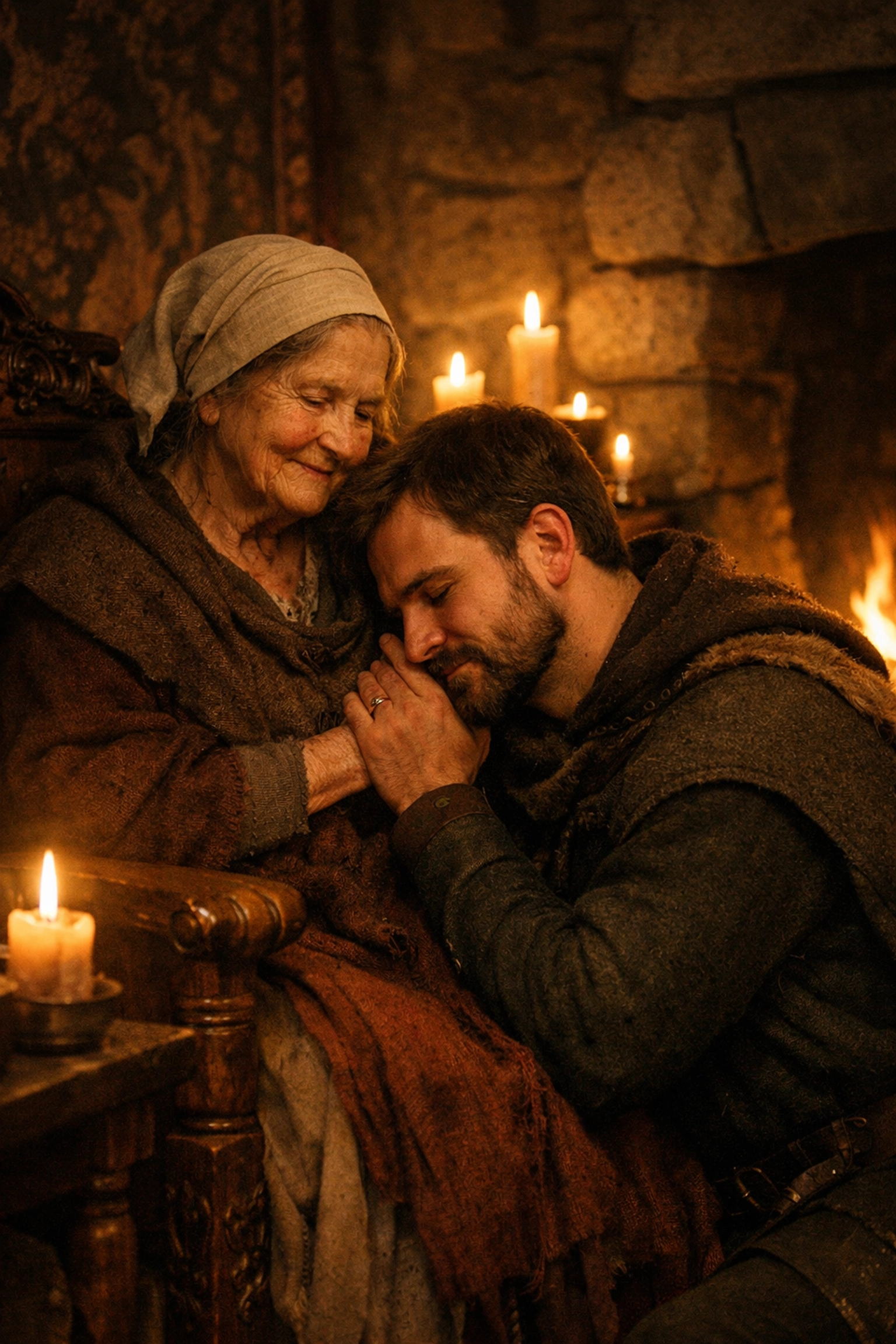
Long before the greeting card industry took over, there was "Mothering Sunday." Falling on the fourth Sunday of Lent, it was a day when people returned to their "mother church": the main church or cathedral of the area. For young men working as apprentices or servants away from home, it was the one day they were guaranteed to see their biological mothers.
Imagine a young man, perhaps a scribe or an artisan, traveling back to his village. He wouldn't just bring back tales of the city; he’d bring a small gift. While he might not have a wife to introduce, his devotion to his mother was his primary social currency. In the world of gay romance novels, we often see these moments of homecoming as bittersweet. In history, it was a rare moment of authentic connection where a man could be himself, sheltered by the maternal wing.
The Monastery: A Refuge for Sons and Their Secrets
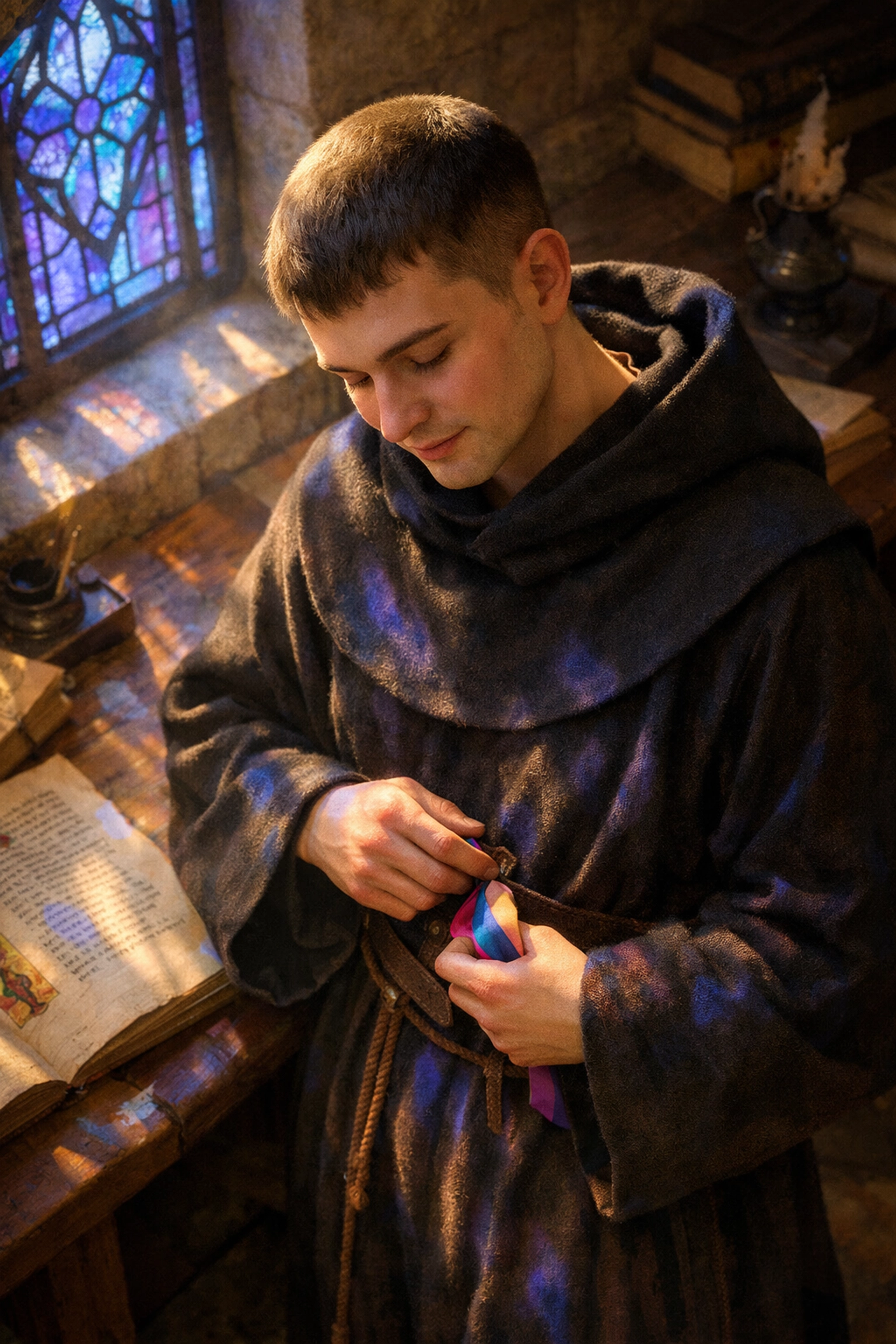
It’s no secret in the world of queer fiction and historical research that monasteries were often a haven for men who didn't fit the heterosexual norms of the time. But entering a monastery didn't mean cutting ties with "Dear Old Mum." In fact, some of the most touching letters from the medieval period are between monks and their mothers.
These men honored their mothers through prayer and spiritual advocacy. In a time when the afterlife was a very real concern, having a son who was a literal "professional prayer" was the ultimate gift. They would dedicate masses to her soul and ensure her name was inscribed in the monastery’s book of benefactors. This spiritual bond allowed for a deep, emotional intimacy that avoided the pressures of traditional family building.
Gifts of Ink, Silk, and Stone
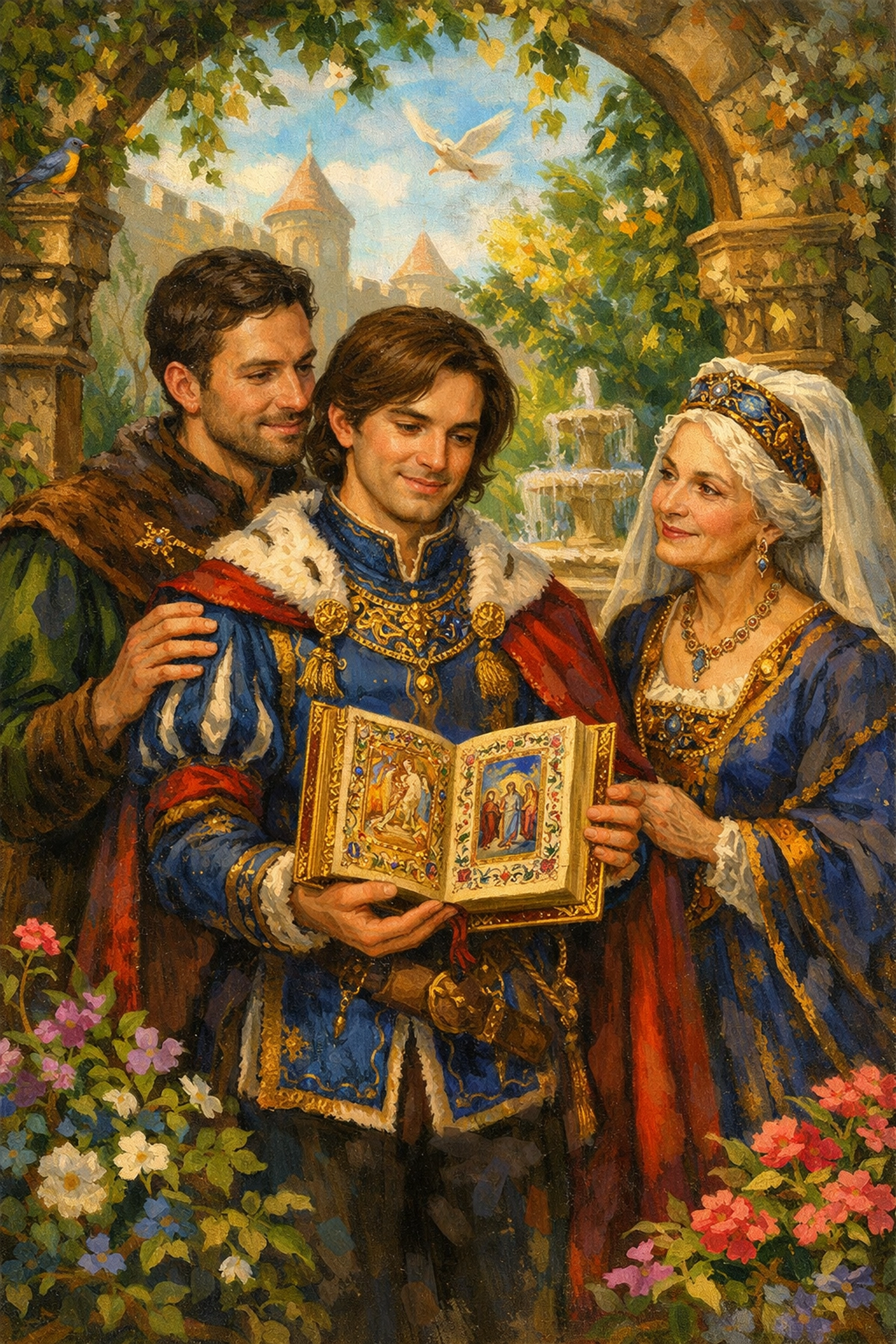
How did these men show their love? If you’re a fan of MM historical romance, you know that the "gift-giving" love language is a staple. In the Middle Ages, a wealthy "unmarried" son might commission a Book of Hours specifically for his mother. These were highly personalized prayer books, often decorated with gold leaf and vibrant pigments.
- Commissioned Art: A son might have his mother’s patron saint painted into a mural or featured in a stained-glass window.
- Exotic Spices: For those in trade, bringing home rare saffron or pepper was a sign of immense respect.
- Poetry: While many poems of the era focused on courtly love (which was often its own kind of queer performance), some men wrote verses dedicated to the wisdom and protection of their mothers.
In 2026 gay books, we see a resurgence of interest in these quiet, domestic acts of rebellion. Staying single to care for a parent was a socially acceptable way to avoid a lavender marriage, and many men leaned into this role with genuine affection.
The Mother as the "Protector of Secrets"
There is a recurring theme in gay fiction where the mother is the first to know: and the first to protect. In the medieval context, a mother’s social standing was often tied to her son’s success. If she realized her son was "different," her protection was vital. By honoring her publicly and lavishly, the son reinforced her status, which in turn gave her more power to shield him.
This was a symbiotic relationship built on mutual respect and, often, a shared secret. When we read queer authors writing about the Middle Ages today, they often tap into this dynamic: the silent understanding across the dinner table while the father blusters about grand-babies.
Why This Matters for Us Today
At Readwithpride.com, we believe that finding our history helps us navigate our future. Whether you're looking for steamy MM romance or heartfelt gay fiction, the themes of family, acceptance, and honoring those who love us for who we are are universal.
The queer men of the Middle Ages didn't have the labels we have today, but they had the same hearts. Their devotion to their mothers wasn't just about duty; it was about finding a safe harbor in a world that didn't always have a place for them.
Looking for more stories?
If you're looking to dive deeper into the world of MM romance books or want to find the best MM romance titles of 2026, check out our curated collections:
- Gay Historical Romance Collection
- New Gay Releases for 2026
- The Royalties Revolution: Supporting Queer Authors
Honoring our roots: and our mothers: is a tradition that transcends time. This Mother’s Day, whether you’re celebrating with a biological mother, a chosen mother, or simply honoring the memory of those who stood by you, remember that you’re part of a long, proud lineage of men who loved deeply and lived with pride.
Stay connected with us for more LGBTQ+ history and book recommendations:
- Follow us on Facebook
- Join the conversation on X (Twitter)
- See our latest favorites on Instagram
#ReadWithPride #MMRomance #GayHistoricalRomance #LGBTQHistory #QueerFiction #GayBooks2026 #MothersDay #MedievalHistory #GayLiterature #MMFiction
readwithpride.com

Leave a Reply
You must be logged in to post a comment.