

readwithpride.com
If you’ve ever curled up with a spicy MM romance book featuring a "found family" trope, you’ve felt the echoes of a history that was written in the glitter and grit of 1980s New York City. While the world outside was often cold, judgmental, and increasingly dangerous due to the HIV/AIDS epidemic, a vibrant underground world was flourishing. At the heart of this world weren't just the flashing lights of the runway, but a figure of immense strength and radical love: the House Mother.
At Read with Pride, we believe that understanding our history makes our contemporary queer fiction even more meaningful. Today, we’re diving into the legendary ballroom scene of the 80s to celebrate the men and trans women who stepped up to become parents for a generation of displaced queer youth.
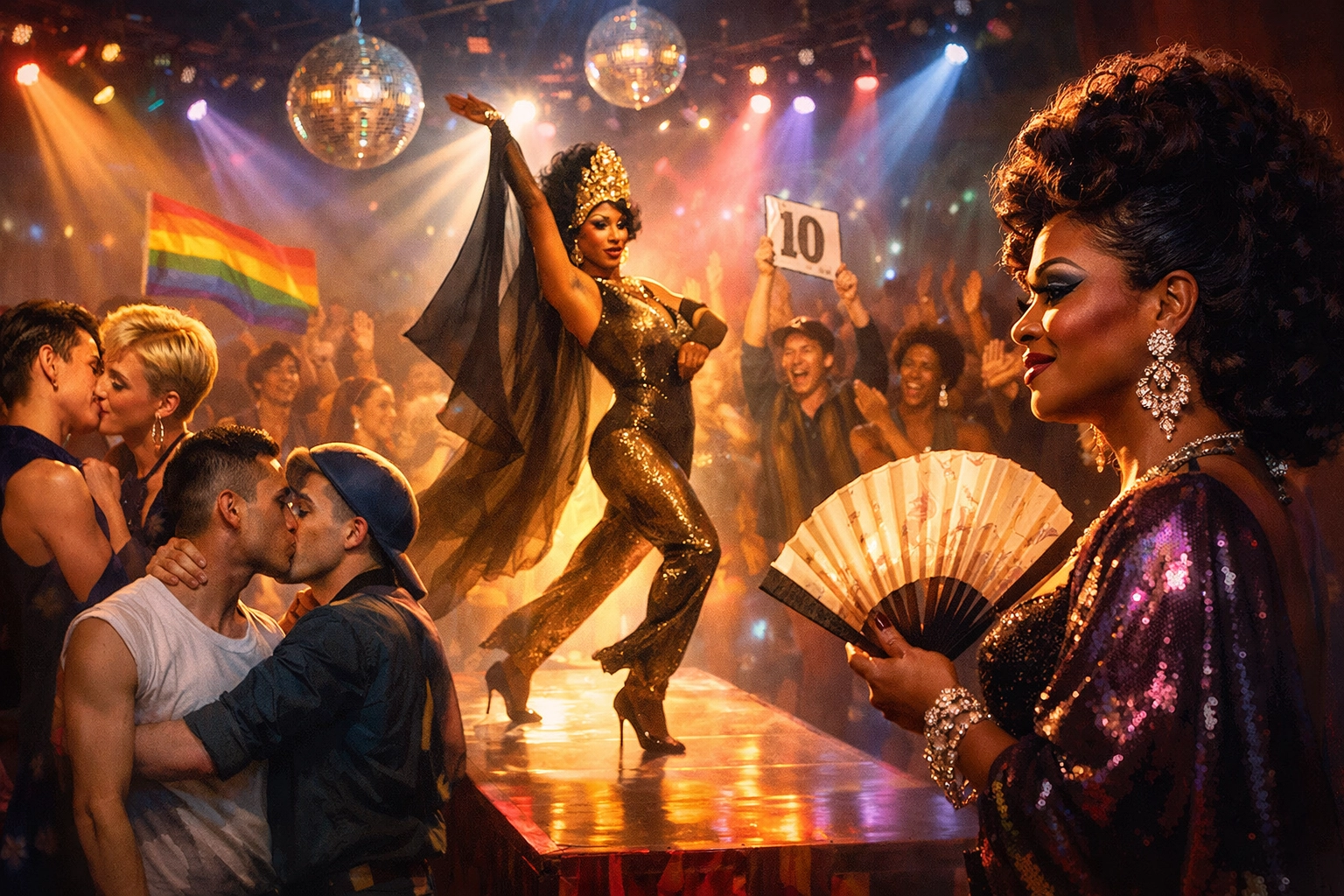
More Than Just a Pageant: The Birth of the House
To understand the 1980s ballroom scene, we have to go back a little further. The "house" system didn't just appear out of thin air; it was a revolution. In the early 1970s, the drag pageant circuit was dominated by white organizers and judges. Black and Latinx queens were often overlooked or expected to lighten their skin to win.
Enter the legendary Crystal LaBeija. After a particularly egregious display of bias at a 1967 pageant (immortalized in the documentary The Queen), Crystal decided she was done playing by other people's rules. Along with Lottie LaBeija, she founded the House of LaBeija. This wasn't just a social club; it was a kinship structure. It was the first "House" in the sense we know it today, creating a blueprint for the 1980s explosion of ballroom culture.
By the 1980s, these houses: like the House of Ninja, the House of Xtravaganza, and the House of St. Laurent: became sanctuaries. For many young gay and trans people of color who were rejected by their biological families, these houses provided something the rest of the world wouldn't: a home.
What Does it Mean to be a 'House Mother'?
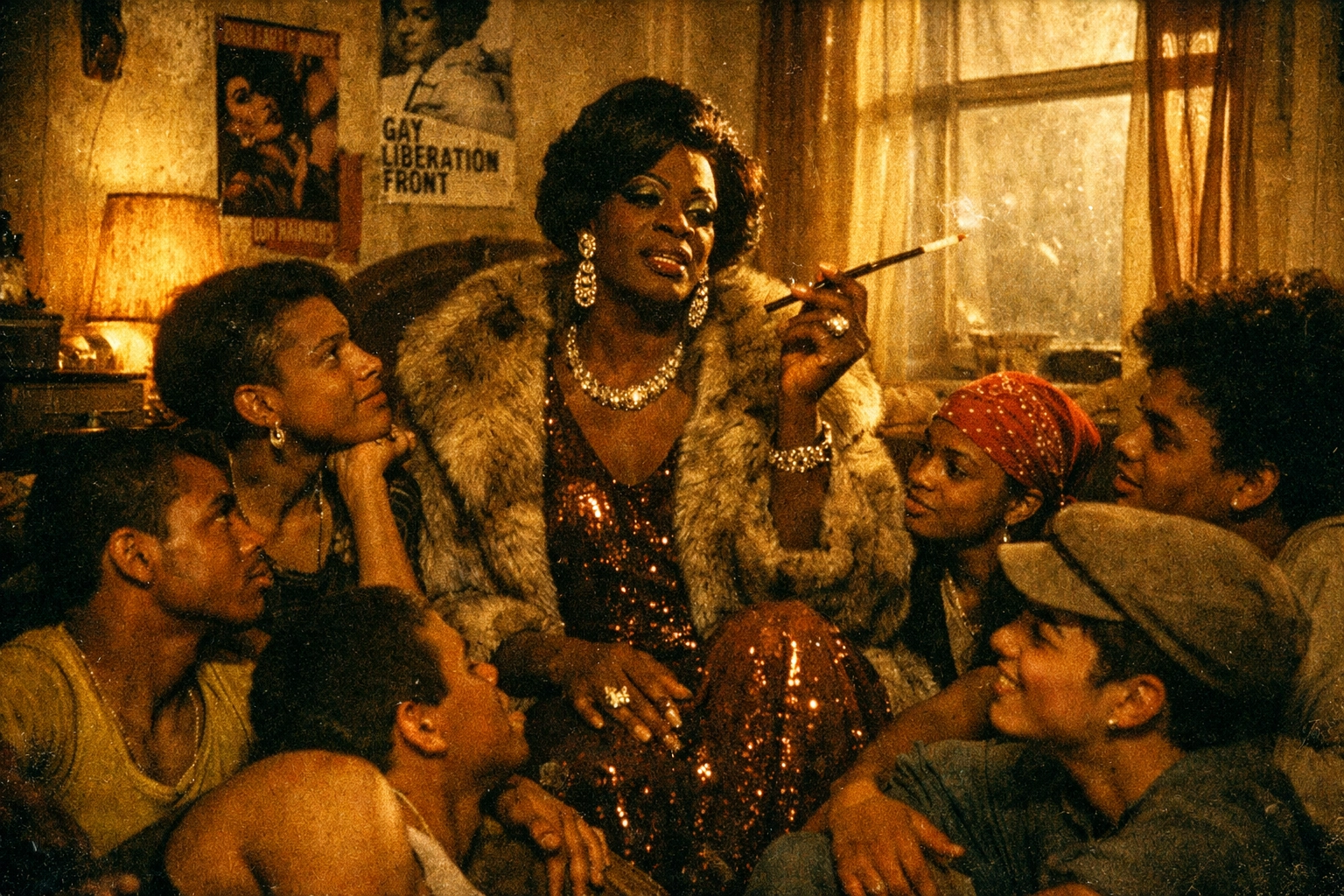
In the context of the 1980s, a "House Mother" was often a gay man or a trans woman who took on the role of a matriarch. But let’s be clear: this wasn't just about teaching someone how to walk in six-inch heels (though that was certainly part of the curriculum).
Being a Mother meant survival. Many "children" of these houses were teenagers who had been kicked out of their homes and were living on the streets or in precarious situations. The House Mother was responsible for:
- Providing Shelter: Often, the "House" was literally the Mother’s small apartment, packed with kids sleeping on couches or floors.
- Safety and Guidance: In a decade where the "gay plague" (as the media cruelly called it) was decimated the community, Mothers were the ones teaching their children about safety, health, and navigating a hostile city.
- Identity and Pride: They taught their children that they weren't "broken" or "sinful," but legendary.
This concept of "found family" is a cornerstone of gay literature and MM romance. It’s the idea that we get to choose who loves us, and that those bonds can be even stronger than blood. If you're looking for stories that capture this spirit, check out our latest gay book recommendations.
Walking for Your Life: The Balls as a Rite of Passage
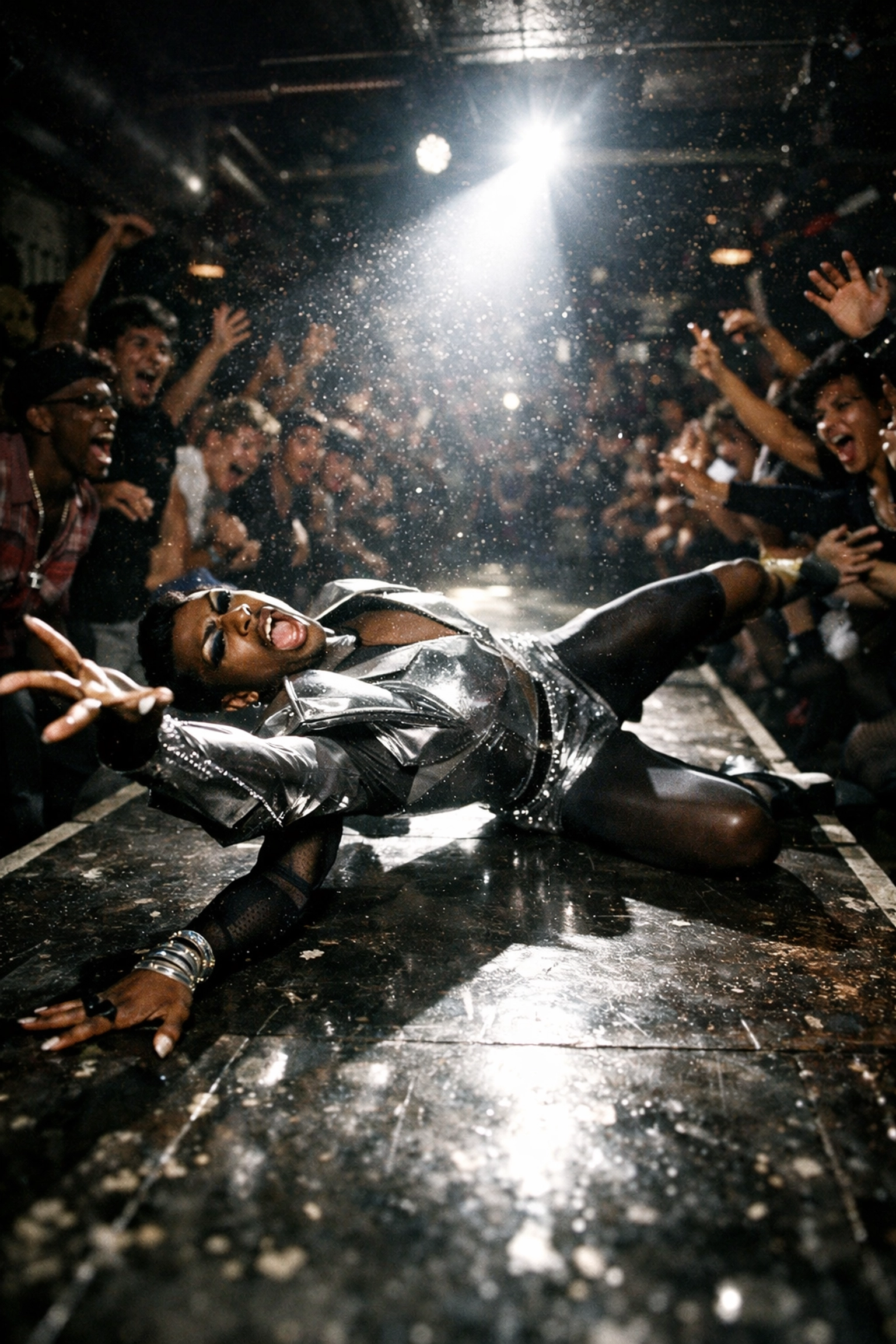
While the day-to-day life of a house was about survival, the "Balls" were where that survival turned into art. The 1980s saw the rise of legendary categories and the perfection of Voguing.
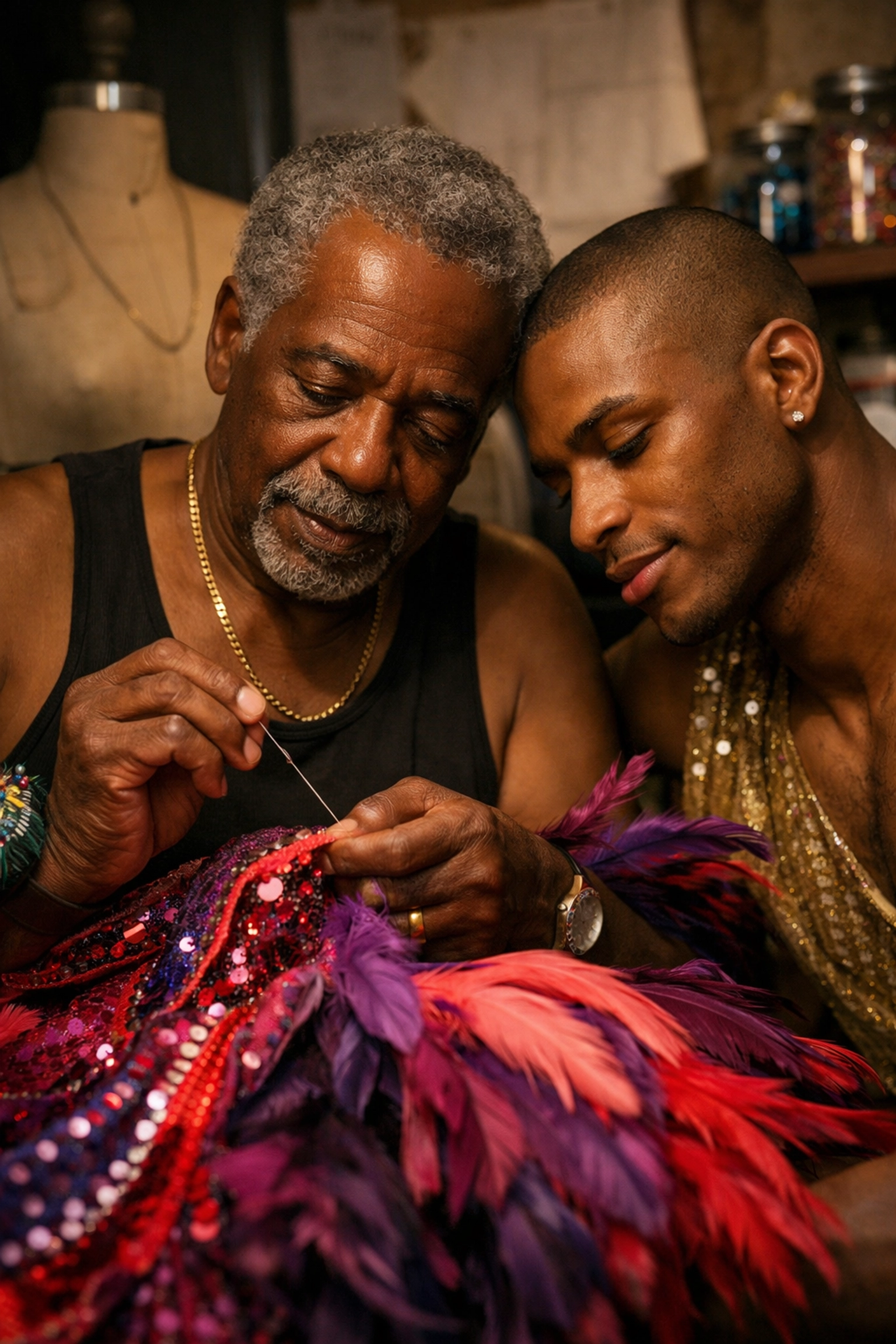
Willi Ninja, the Mother of the House of Ninja, took the sharp, angular movements inspired by high-fashion magazines and Egyptian hieroglyphs and turned them into a global phenomenon. But even in the heat of competition, the Mother’s role was paramount. She was the coach, the seamstress, and the loudest cheerleader in the room.
The balls allowed Black and Brown queer youth to occupy spaces they were traditionally denied. In a ball, you could be an executive, a high-fashion model, or a member of the social elite. You weren't "pretending": you were manifesting a reality where you were valued.
The 1980s Crisis and the Resilience of the Matriarch
We can't talk about the 80s ballroom scene without talking about the HIV/AIDS epidemic. It hit the ballroom community with devastating force. House Mothers found themselves in the position of not just being parents, but also being nurses and mourners.
The House of LaBeija, for instance, was one of the first to host benefits to raise awareness and funds for the community. Mothers were the ones holding the hands of their "children" in hospital rooms when biological families refused to visit. This era of gay historical romance and fiction often reflects this bittersweet reality: the highest highs of the runway juxtaposed with the deepest lows of the clinic.
For those interested in how these themes are handled in modern writing, our guide on avoiding mistakes in LGBTQ+ character development offers some great insights into writing authentic, resilient queer figures.
The 'Found Family' Trope in 2026 Gay Books
Fast forward to today, and the legacy of the 1980s House Mother lives on in the popular gay books we love. The "found family" trope remains one of the most beloved themes in MM romance books.
Why? Because it resonates with the universal queer experience of searching for belonging. Whether it's a group of friends in a small town or a modern-day house in a sprawling city, the idea that a "Mother" figure (regardless of their gender) can provide the love and structure a person needs to thrive is incredibly powerful.
At Read with Pride, we see this theme across all genres, from gay fantasy romance to steamy MM romance. The archetype of the mentor, the protector, and the nurturer is a direct descendant of the icons who walked the piers of NYC in 1985.
Keeping the Legacy Alive
The ballroom scene didn't stay underground forever. Through documentaries like Paris Is Burning and mainstream hits like Pose, the world finally got a glimpse of the magic. But it’s important to remember that the glamour was built on a foundation of radical, parental love provided by gay men and trans women who had every reason to be bitter, but chose to be "Mothers" instead.
If you’re looking to explore more stories that celebrate queer history or find your next favorite gay romance novel, make sure to follow us on our journey:
- Facebook: Join the conversation
- Instagram: See the aesthetic
- X (Twitter): Get the latest updates
The 1980s were a time of immense struggle, but they also proved that when we take care of our own, we become legendary. Whether you’re a reader, a writer, or just a fan of the culture, remember that every time you see a "chosen family" in your favorite queer fiction, you’re seeing the DNA of the NYC ballroom.
Stay authentic, stay proud, and keep reading.
#ReadWithPride #BallroomCulture #LGBTHistory #MMRomance #FoundFamily #QueerLiterature #1980sNYC #HouseOfLaBeija #GayRomanceBooks #2026GayBooks

Looking for your next great read? Explore our sitemaps to find everything from gay psychological thrillers to MM contemporary hits. Your next favorite story is just a click away at Readwithpride.com.

Leave a Reply
You must be logged in to post a comment.