

readwithpride.com
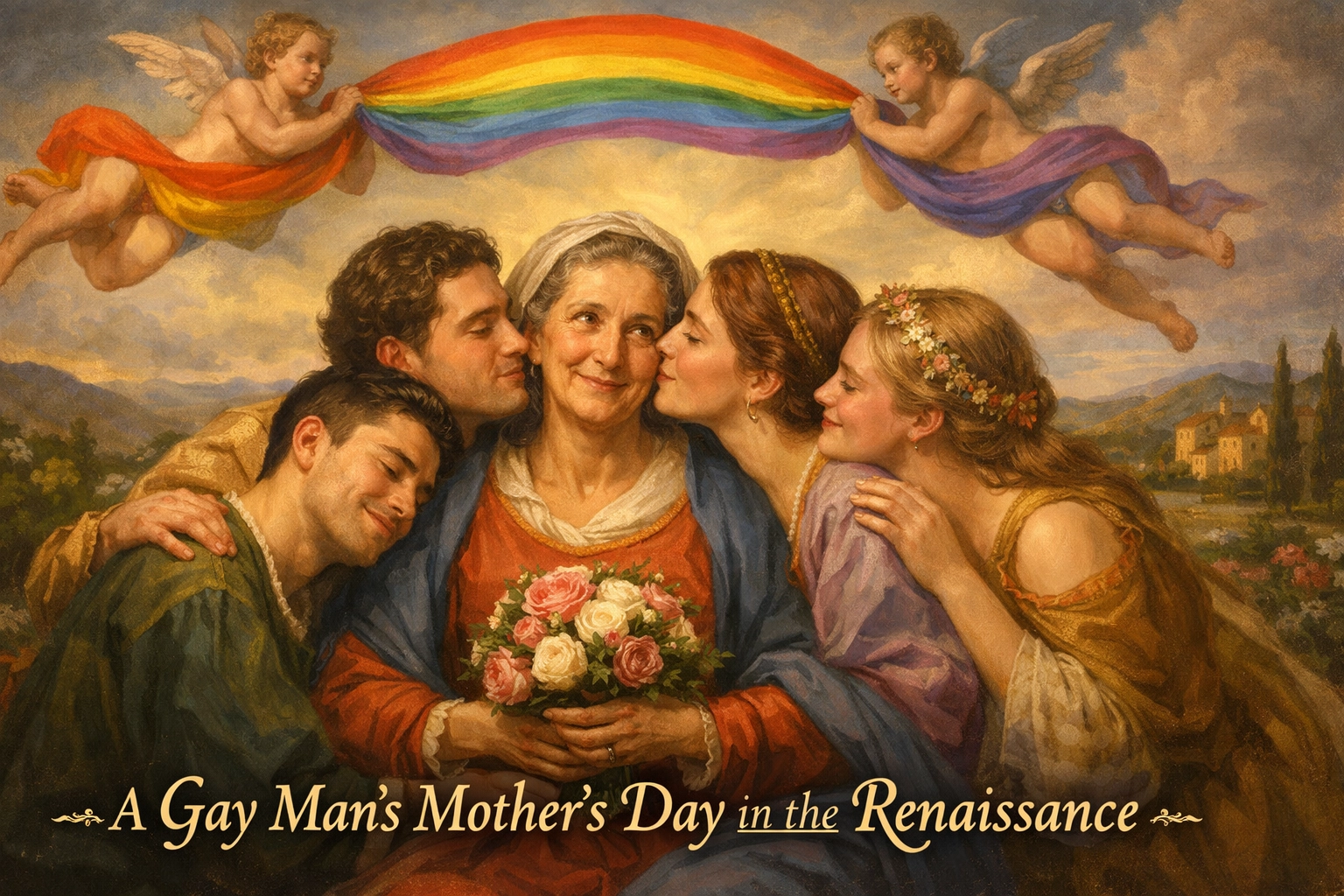
If you think navigating Mother’s Day in 2026 is a logistical minefield of brunch reservations and flower deliveries, imagine trying to honor your mama in 15th-century Florence while also trying not to get hauled off by the "Office of the Night."
Welcome to the Renaissance, a time of high art, questionable hygiene, and very complicated family dynamics. Here at Read with Pride, we love a good MM historical romance, but we also know that queer history isn’t just about the guys we swoon over in gay romance books. It’s about the women who raised us, protected us, and sometimes kept our secrets in a world that wasn't exactly handing out rainbow flags.
So, let’s take a stroll through the cobblestone streets of the 1490s and see how a gay man: let’s call him Luca: might have celebrated his mother figure during the height of the Italian Renaissance.
The "Mothering" Tradition Before the Greeting Cards
First things first: "Mother’s Day" as we know it didn't exist. However, there was a tradition called Mothering Sunday. While it started as a religious practice of returning to your "mother church," it eventually morphed into a day where domestic servants were given the day off to visit their mothers.
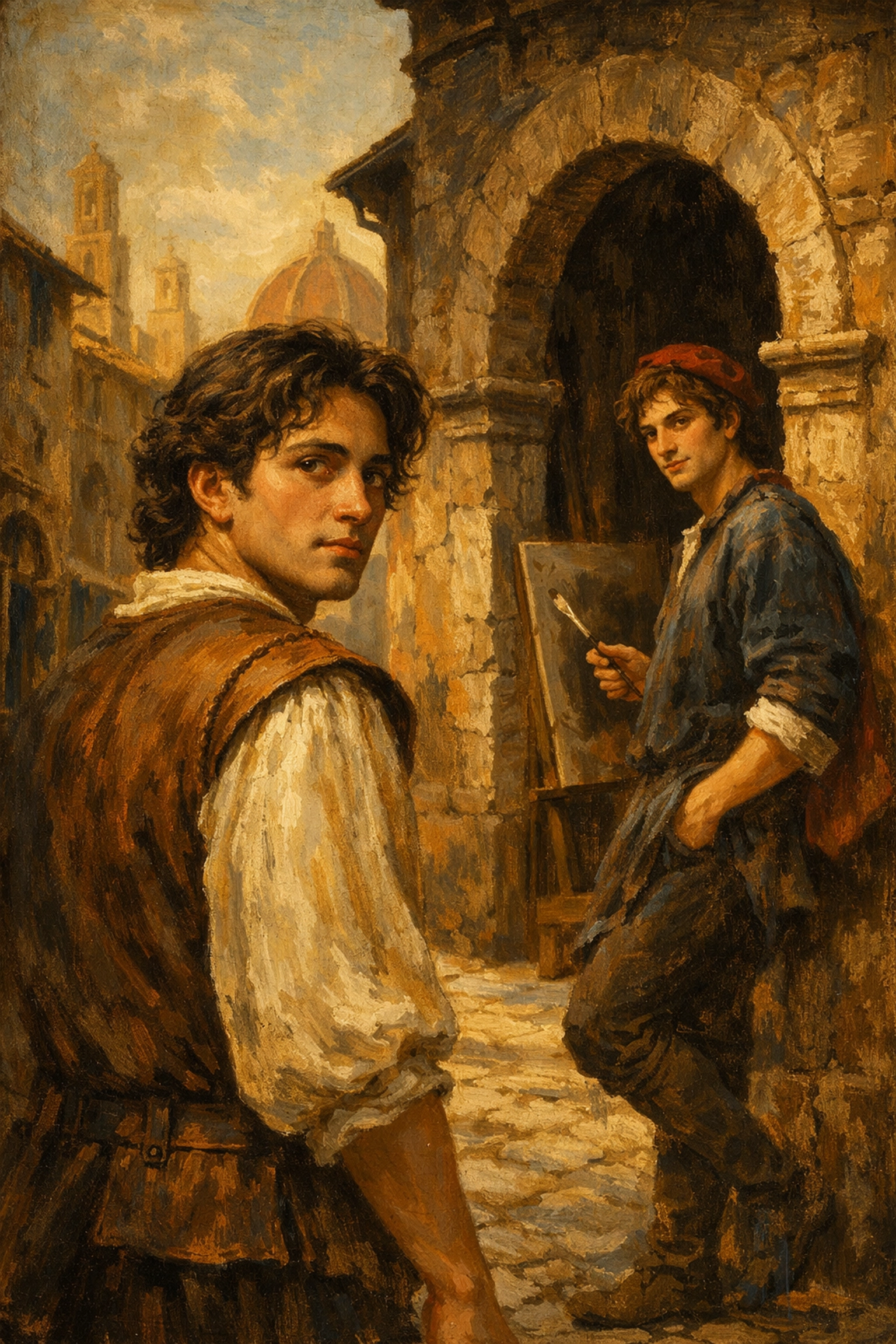
For a young man like Luca, an apprentice in a bustling artist’s studio, this was the one day he could put down his brushes, stop grinding lapis lazuli into pigment, and head back to the family villa or farmhouse. But for a gay man in the Renaissance, "going home" was often a double-edged sword. You wanted the comfort of your mother’s kitchen, but you had to leave your "special friend" (the fellow apprentice you’ve been sharing a narrow cot with) back in the city.
A Gift from the Heart (and the Studio)
In the Renaissance, status was everything. If you wanted to show your mother you loved her, you didn't buy a scented candle. You gave her art.
Luca, being a talented lad, wouldn't just bring flowers. He’d bring a desco da parto: a birth tray. These were circular or polygonal wooden trays painted with scenes of domestic life, mythology, or religious stories. Traditionally, they were given to women after childbirth to serve them food while they recovered.
But imagine Luca creating a special tray for his mother, years after his own birth. He might paint her as a saint, or perhaps include subtle symbols that only she would understand. Maybe a sprig of lavender or a specific bird that represented their shared secrets. In the world of gay historical romance, these small, coded gestures are what keep us turning the pages. They represent the "I see you" moments that queer people have relied on for centuries.
If you're looking for stories that capture this kind of deep, historical yearning, check out our gay romance series for some truly emotional reads.
The Sanctuary of the Kitchen
While the patriarchs of the family were busy arguing about dowries, trade routes, and the Medici family’s latest political scandal, the kitchen was often a matriarchal stronghold.
For Luca, his mother’s presence was his shield. History tells us that during the Renaissance, many mothers were acutely aware of their sons' "unconventional" tendencies. While the fathers might worry about the family line and the lack of heirs, a mother often prioritized her son’s safety.
In an era where the "Office of the Night" (Florence’s moral police) actively encouraged citizens to anonymously denounce "sodomites," a mother’s silence was the ultimate gift. She was the one who would hide his letters, welcome his "close companions" without asking too many questions, and perhaps even steer the conversation away when the neighbors started whispering.
The "Chosen Mother" of the Renaissance
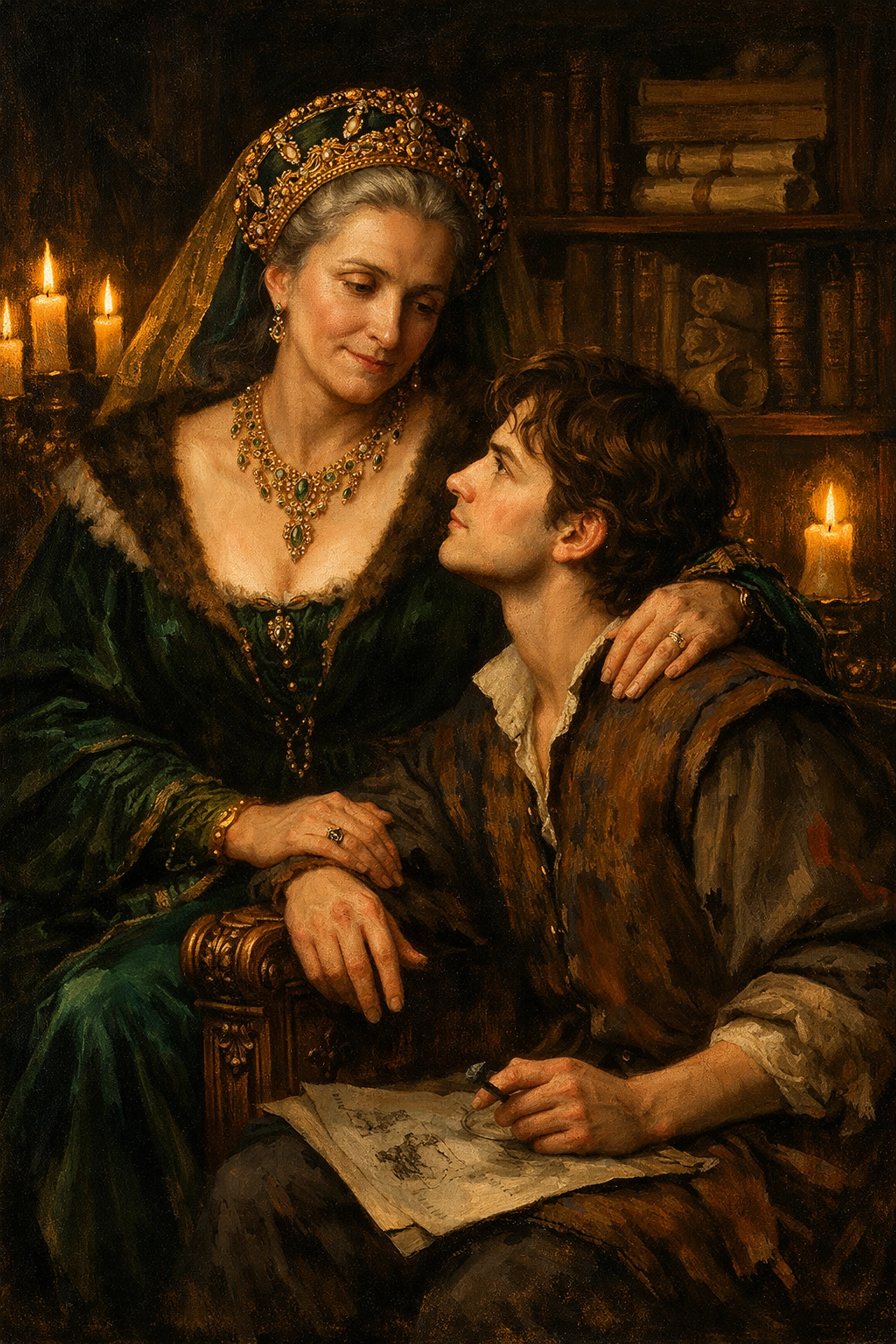
Not every gay man in the Renaissance had a biological mother who was supportive. Many sought out "chosen mothers": older women, perhaps widows or nuns, who provided the emotional labor and protection they couldn't find at home.
Think of the wealthy patronesses who funded the arts. They often formed deep, platonic bonds with the artists they supported. These women were the original "poodle walkers" (or perhaps "greyhound walkers" in the 1400s), providing a social cover for gay men to exist in high society. Celebrating these women wasn't just about duty; it was about survival.
Why We Write These Stories Today
At Readwithpride.com, we believe that exploring these historical nuances is vital. When we read MM historical romance, we aren't just looking for a steamy scene in a hayloft (though we don't complain about those!). We’re looking for the roots of our community.
The relationship between a gay man and his mother in the Renaissance reflects the same themes we see in gay contemporary romance today: the need for acceptance, the fear of rejection, and the power of unconditional love. Whether it’s 1426 or 2026, that bond remains a cornerstone of the queer experience.
If you're a fan of gay novels that dive deep into history, you might want to browse our LGBTQ+ fiction section. We have everything from gay fantasy romance set in reimagined pasts to gritty, gay thriller stories that explore the darker side of history.
How to Celebrate Like a Renaissance Man (Without the Plague)
If you want to channel your inner Luca this Mother’s Day, here are a few ways to bring a bit of Renaissance flair to your celebration:
- Commission (or Create) Art: You don’t have to paint a birth tray, but a handmade card or a framed photo means more than a generic gift.
- The Gift of Fine Fabric: Renaissance mothers loved a good silk or velvet. A high-quality scarf or a cozy throw blanket is a modern-day equivalent.
- A Shared Feast: Skip the crowded brunch and cook a meal together. Bonus points if you use period-appropriate ingredients like figs, honey, and farro.
- A Good Book: Obviously, we’re biased, but a heartfelt gay fiction novel or a top LGBTQ+ book makes an excellent gift for the mother who supports your love of reading. Check out our product catalog for recommendations.
The Legacy of Love
The Renaissance was a "rebirth" of art and science, but it was also a time of profound human connection. For the gay man of the 15th century, honoring his mother was an act of gratitude for the woman who likely knew him better than anyone else in the world.
As we look forward to the new gay releases of 2026, let’s not forget the stories of those who came before us. Their lives were lived in the shadows, but their love was just as bright as ours.
At Read with Pride, we are dedicated to bringing these voices to light through our LGBTQ+ eBooks and gay literature. Whether you’re into steamy MM romance or award-winning gay fiction, there’s a story waiting for you that celebrates the complexity of our lives and the families: born and chosen: that sustain us.
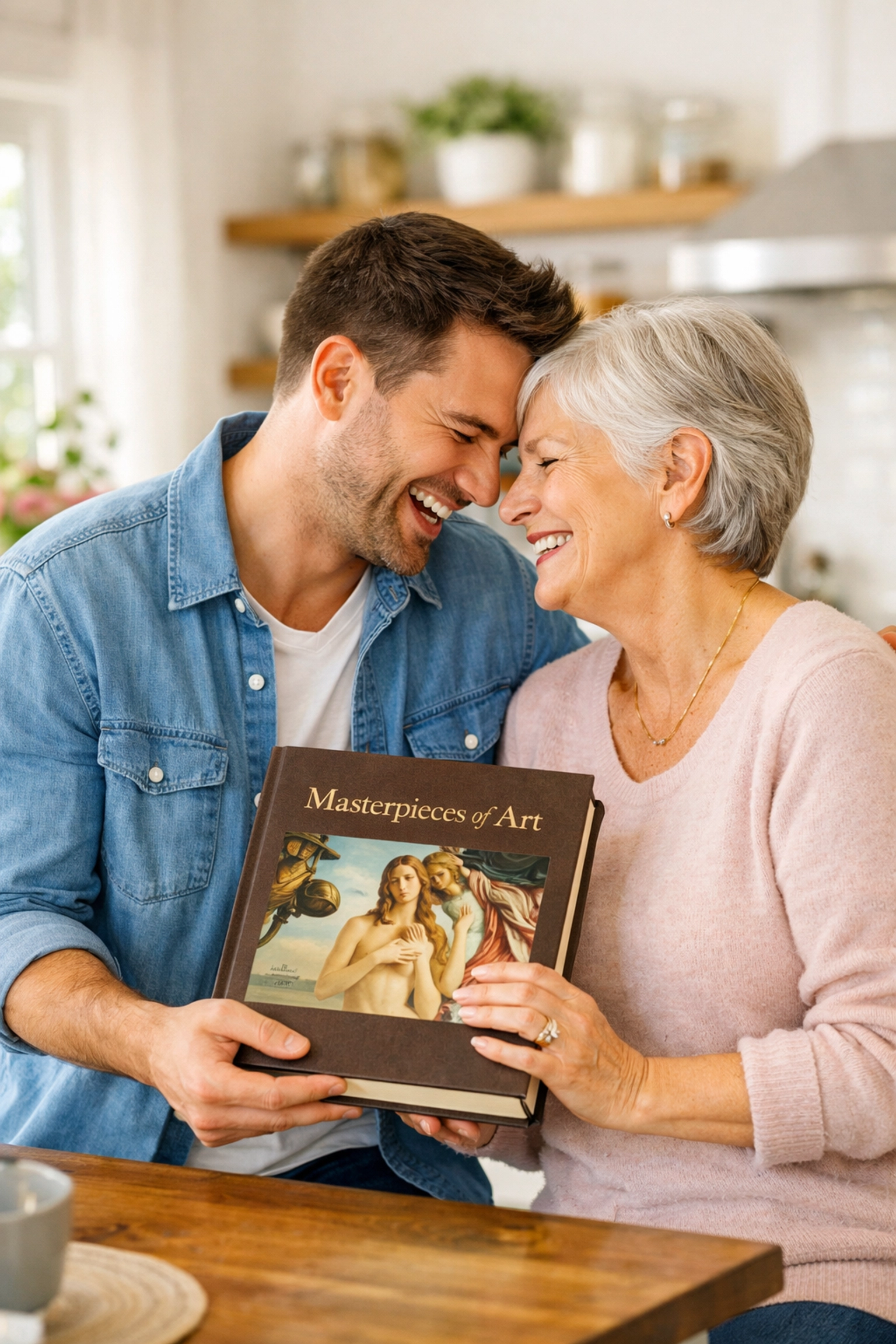
So, this Mother’s Day, whether you’re celebrating a biological mom, a drag mother, or a chosen mother figure, do it with the passion of a Renaissance artist. Paint your own masterpiece of a day, and remember that our history is rich, vibrant, and filled with pride.
Stay tuned for more historical deep dives and the best MM romance books of 2026 right here on our blog!
Want more queer content?
- Check out our FAQ for more info on our publishing.
- Find your next favorite read in our store.
- Follow our journey and stay updated on new releases.
Follow us on social media:
- Facebook: Read with Pride
- X (Twitter): @Read_With_Pride
- Instagram: @read.withpride
#ReadWithPride #MMRomance #GayHistoricalRomance #LGBTQBooks #MMSmut #GayFiction #RenaissanceQueer #MothersDay2026 #GayLiterature #QueerHistory #MMBooks #ReadWithPride2026

Leave a Reply
You must be logged in to post a comment.