

readwithpride.com
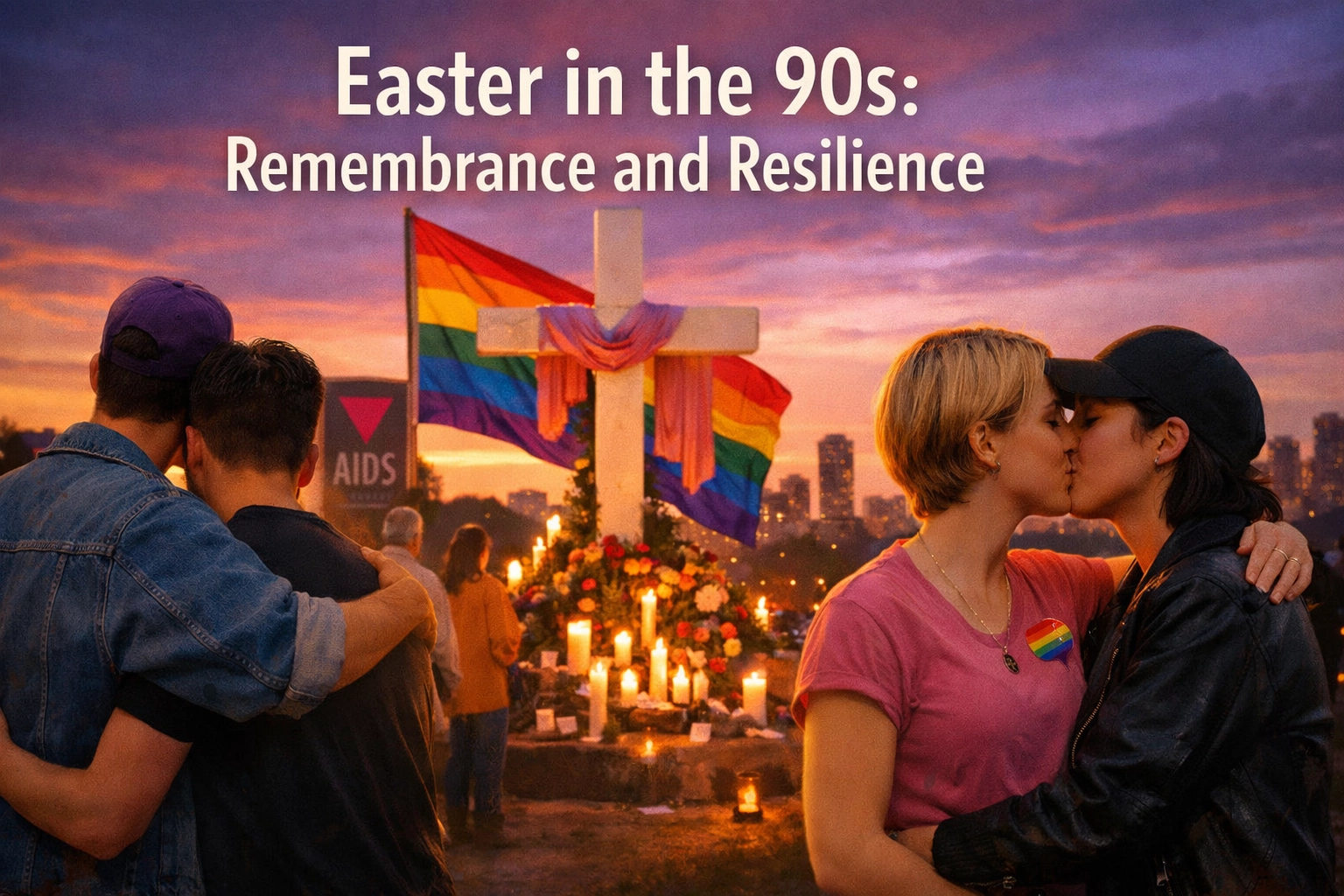
To look back at the 1990s through the lens of the LGBTQ+ community is to witness a decade of profound duality. On one side of the glass, the mainstream world was awash in the neon colors of a new decade, celebrating Easter with televised parades and the lighthearted whimsy of Disney specials. On the other side, within the heartbeat of the queer community, the spring season took on a much heavier, more sacred meaning. For many living through the peak of the HIV/AIDS crisis, Easter in the 90s was less about chocolate bunnies and more about the radical act of survival, the sanctity of remembrance, and the quiet resilience of a community that refused to be erased.
At Read with Pride, we believe that our history informs our stories. Whether you are searching for contemporary MM romance books or deep-diving into gay historical romance, understanding the atmosphere of the 90s is crucial to appreciating the depth of queer literature today. This was a time when the very concept of "resurrection", the central theme of Easter, was being reinterpreted by people who were seeing their friends, lovers, and chosen families vanish before their eyes.
The Contrast of the Early Nineties
In April 1990, while ABC broadcasted the Walt Disney World Happy Easter Day Parade to millions of homes, the queer community was in the trenches of activism and caregiving. The search for a cure was slow, and the political climate was often hostile. For a gay man in New York, San Francisco, or London, Easter Sunday wasn't necessarily a trip to a cathedral; it was often a trip to a hospital ward.
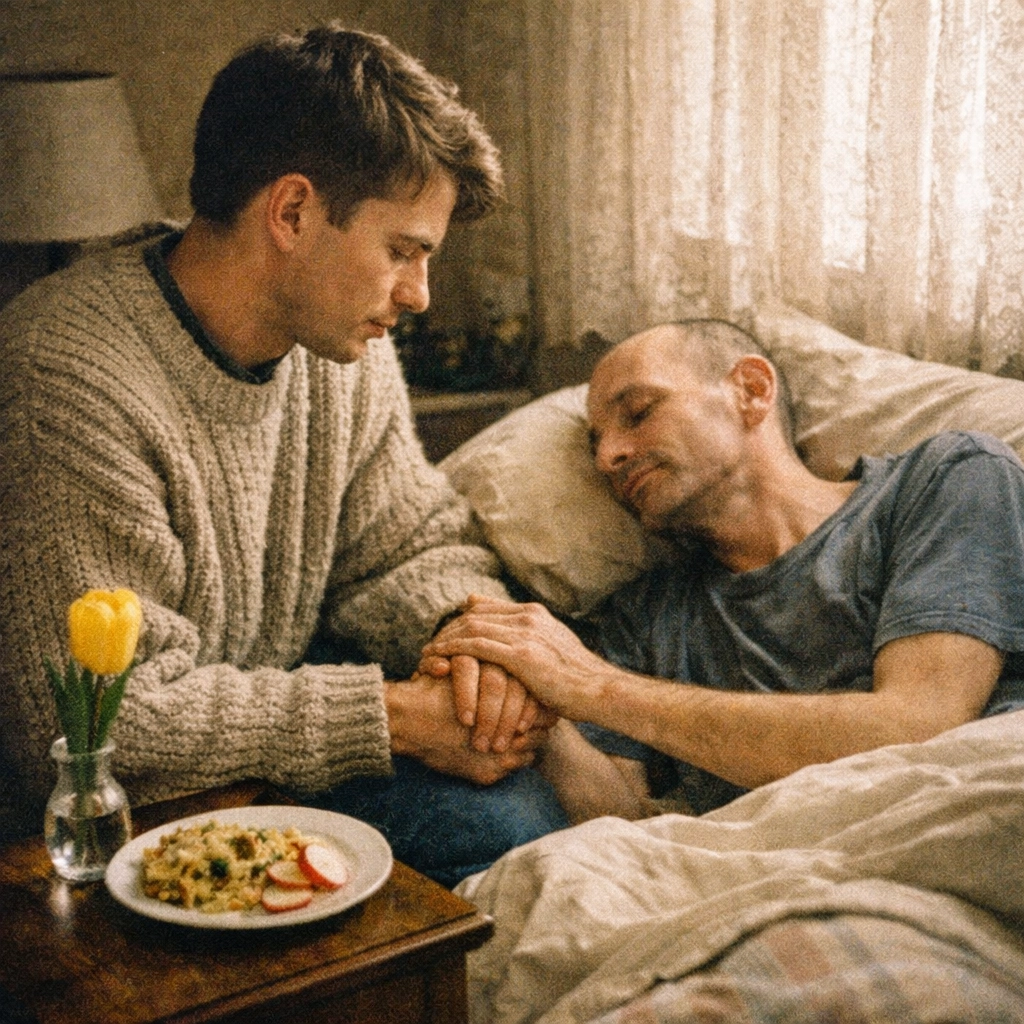
The early 90s represented the height of the epidemic's toll. Because many traditional religious institutions had turned their backs on the LGBTQ+ community, the "holiday" was reclaimed. It became a day of community care. We saw the rise of "Buddy" programs, where volunteers would bring Easter meals to those too weak to leave their apartments. These acts of service were the new liturgy. The resilience shown during these years is a cornerstone of 1990s history and continues to inspire the heartfelt gay fiction we publish and promote today.
Chosen Family and the Empty Chair
One of the most enduring tropes in gay romance novels is the "Chosen Family," but in the 1990s, this wasn't just a literary device, it was a survival strategy. Easter has traditionally been a family holiday, yet so many queer individuals were estranged from their biological relatives. During the 90s, the "Easter Brunch" became a defiant ritual.
These gatherings were bittersweet. There was laughter, yes, and often the campy flair that the community is known for, but there was also the "empty chair" syndrome. Every year, the circle grew smaller. Resilience meant showing up anyway. It meant setting a place for those who were gone and promising to tell their stories. This era of HIV/AIDS activism taught us that remembrance is an active verb.
In many gay contemporary romance stories written today, we see the echoes of these 90s brunches: the way we hold onto each other when the world outside feels cold. If you're looking for stories that capture this spirit, you can explore our collection of MM romance books that honor the legacy of those who came before us.
The NAMES Project and Secular Sanctity
During the 1990s, the AIDS Memorial Quilt became a mobile cathedral. While it wasn't exclusively an Easter event, the themes of the Quilt: stitching together a broken community, honoring the dead, and demanding a future: mirrored the spiritual weight of the season.
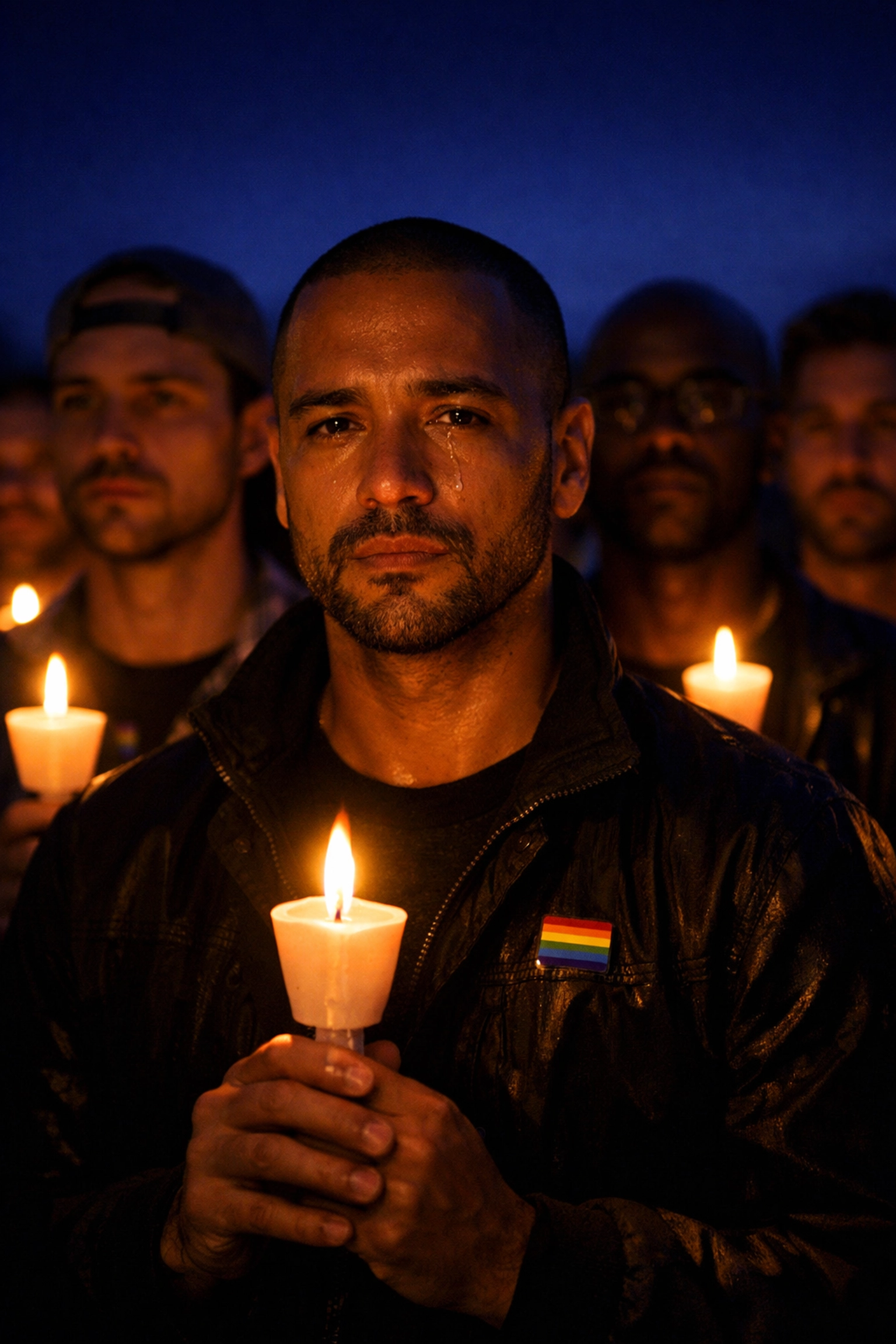
For many, visiting the Quilt or participating in a local candlelight vigil was their version of an Easter service. It provided a space for public mourning in a world that often demanded queer grief remain private. This period of remembrance and resilience transformed how the community viewed the "sacred." We found holiness in the hospital room, in the protest line, and in the shared silence of a vigil.

Resilience Through Literature and Art
As we look toward the new gay releases and 2026 gay books, we see a trend of authors returning to the 90s to capture this unique atmosphere. The 90s were a decade of "angry resilience." It was the era of ACT UP and the "Silence = Death" campaign.
Literature played a massive role in this. Before the ease of the internet, gay eBooks and physical gay novels were lifelines. They provided a way to see oneself reflected when the evening news only showed statistics. Today, gay historical romance often uses the 90s as a backdrop to explore how love can flourish even in the shadow of a plague. The resilience of the 90s was not a passive endurance; it was a loud, vibrant, and often rebellious insistence on the right to love and be remembered.
The Mid-90s: A "Lazarus" Moment
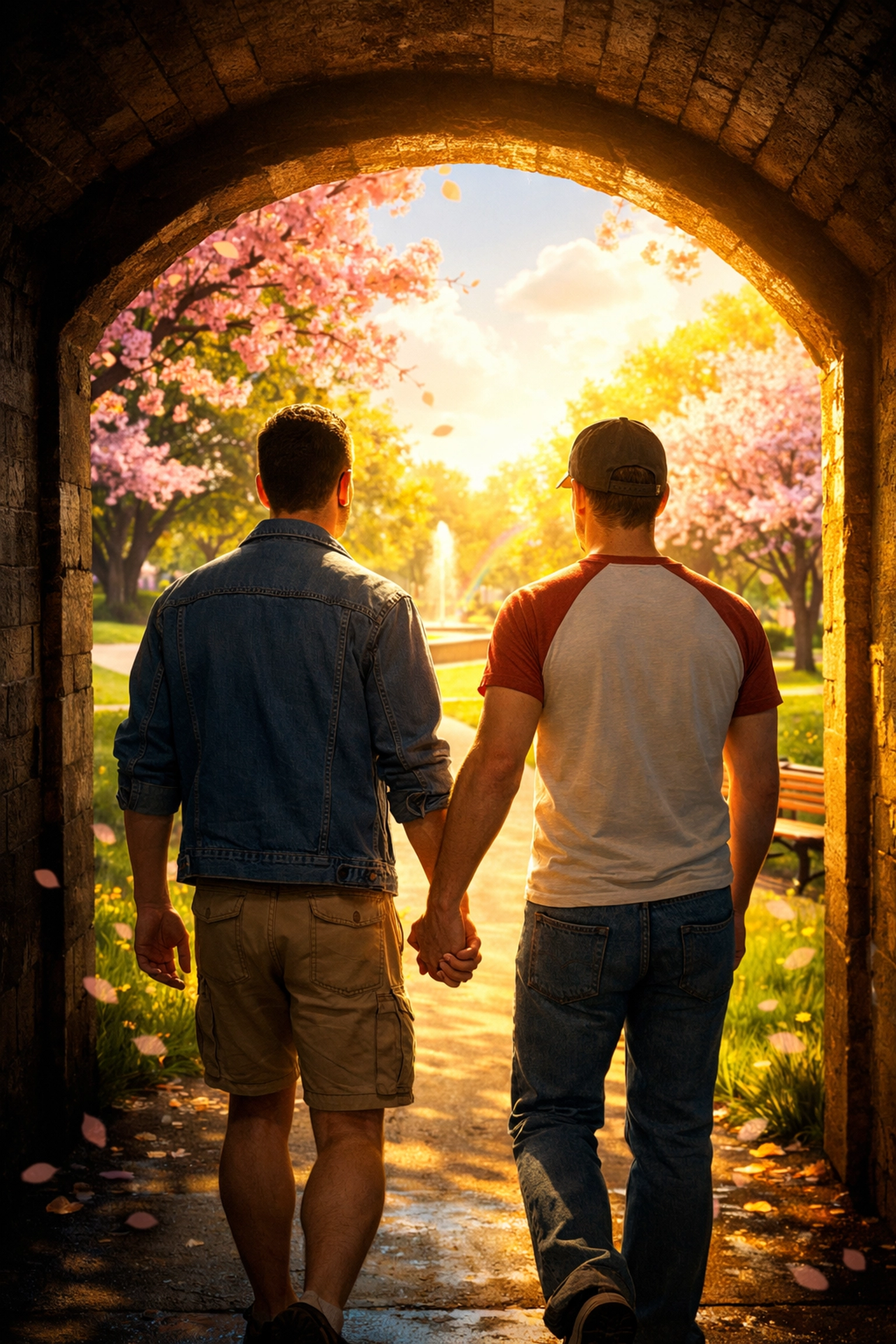
By the mid-1990s, specifically around 1996, the introduction of Highly Active Antiretroviral Therapy (HAART) changed the narrative of the Easter season for many. Suddenly, the theme of "resurrection" took on a literal, medical meaning. People who had been in hospice, who had said their final goodbyes, were suddenly getting out of bed. They were reclaiming their lives.
This "Lazarus Effect" brought its own set of challenges: survivor's guilt, the need to rebuild a life that had been put on hold, and the ongoing trauma of the years prior. Yet, it also solidified the community's resilience. We had walked through the valley of the shadow of death, and we were still here. This transition period is a fascinating setting for MM historical romance, offering a complex look at hope and recovery.
Carrying the Flame into 2026
Why do we talk about Easter in the 90s today? Because the lessons of that decade: of caring for our own, of demanding visibility, and of honoring our history: are more relevant than ever. At Readwithpride.com, we curate top LGBTQ+ books that reflect these values. Whether it’s a steamy MM romance that celebrates the joy of the present or an emotional MM book that pays tribute to the past, the spirit of resilience is the thread that connects them all.
Easter in the 90s was a turning point. It moved from being a day of traditional religious observance to a day of communal solidarity. It taught us that even in the darkest spring, flowers can still bloom if they are tended to by a community that refuses to let them wither.
As we move forward into 2026, let us continue to Read with Pride. Let us support queer authors and gay authors who are documenting our triumphs and our struggles. Our stories are our legacy, and by reading them, we ensure that the resilience of the 90s is never forgotten.
Join the Conversation
The history of our community is vast and varied. We invite you to explore more stories of resilience, love, and history on our platform. From gay thriller novels to MM contemporary hits, there is a story for everyone.
- Visit our shop: Read with Pride Store
- Follow us for updates: Facebook | Twitter/X | Instagram
- Explore more: Readwithpride.com
#ReadWithPride #LGBTQHistory #1990s #HIVAIDSActivism #MMRomanceBooks #GayFiction #QueerResilience #GayRomanceNovels #Remembrance #EasterHistory #GayAuthors #2026GayBooks #MMHistoricalRomance

Leave a Reply
You must be logged in to post a comment.