
readwithpride.com
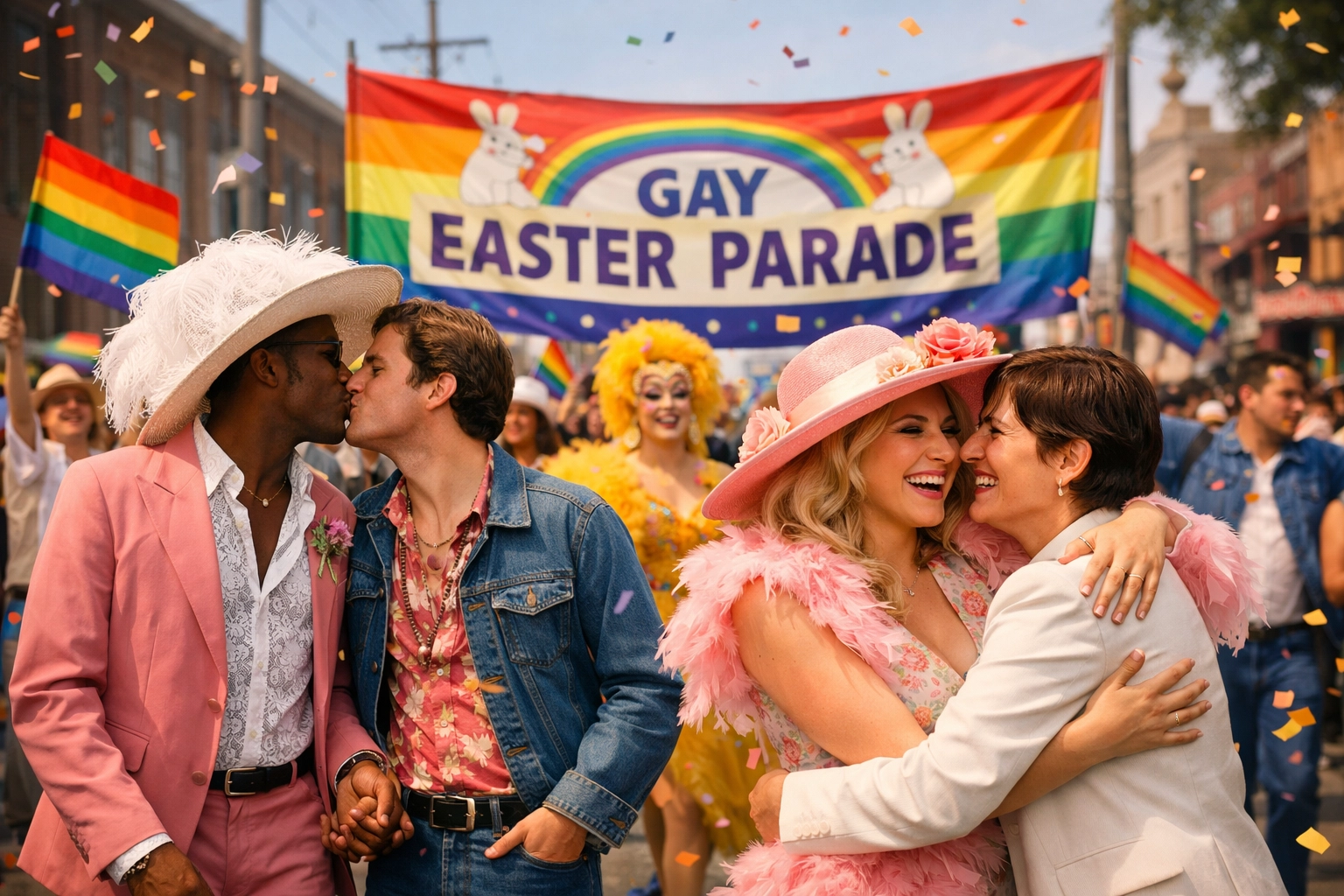
When we think of the 1970s in the queer timeline, our minds usually flash to the neon heat of disco, the grit of the Christopher Street Liberation Day marches, and the defiant roar of post-Stonewall activism. But there’s a softer, feathers-and-lace side to this revolution that often gets overlooked: the rise of the Gay Easter Parade. In an era where being visible was a political act, taking over a religious holiday and drenching it in camp, community, and "Sunday Best" realness was nothing short of radical.
At Read with Pride, we love a good origin story: especially one that involves a well-placed sequin and a lot of heart. Whether you’re a fan of gay historical romance or you’re currently devouring the latest MM romance books, understanding the history of our joy is just as important as knowing the history of our struggle. So, let’s travel back to the 70s, where the Easter bunny was likely wearing six-inch platforms and the baskets were filled with more than just chocolate.
A New Kind of Resurrection
In the early 1970s, the LGBTQ+ community was busy defining itself. The 1969 Stonewall Uprising had lit a fire, and by 1970, the first official Pride marches were taking place in New York, Los Angeles, and Chicago. But activism isn't always about shouting in the streets with a picket sign; sometimes, it’s about claiming space where you were previously told you didn't belong.
Easter Sunday has historically been a day of high-society visibility: the "Easter Parade" where folks would show off their new spring fashions. In cities like San Francisco and New Orleans, queer people decided that if the world was going to watch people walk down the street in fancy clothes, they were going to give the world a show they’d never forget.
San Francisco: The Sisters and the Streets
If there is a spiritual home for the Gay Easter Parade, it’s the Castro. By the mid-70s, San Francisco was becoming a mecca for gay men and women from across the country. The vibe was electric, and the creativity was bursting at the seams. While the formal Pride marches happened in June, Easter became a sort of "soft launch" for the season’s most fabulous looks.
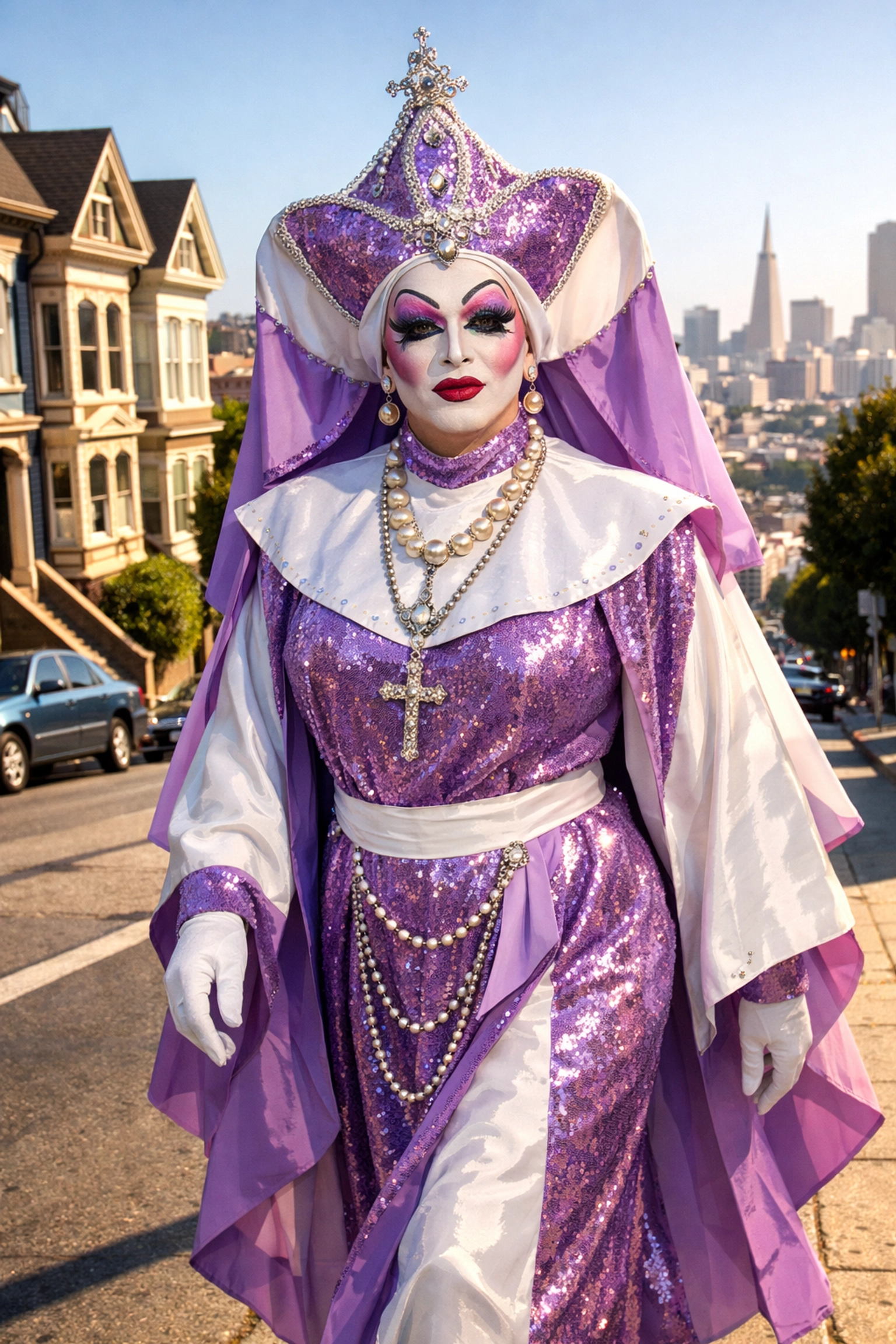
By 1979, this energy culminated in the birth of the Sisters of Perpetual Indulgence. While they are now a global phenomenon, their first appearance on Easter weekend in '79: clad in traditional nuns' habits they’d "borrowed" from a convent: set the tone for what queer Easter could be: a mix of satire, spirituality, and sheer audacity. This era of San Francisco is a favorite setting for many gay novels and queer fiction because it captures that perfect tension between the old world and the new, liberated self.
New Orleans: The French Quarter’s Finest
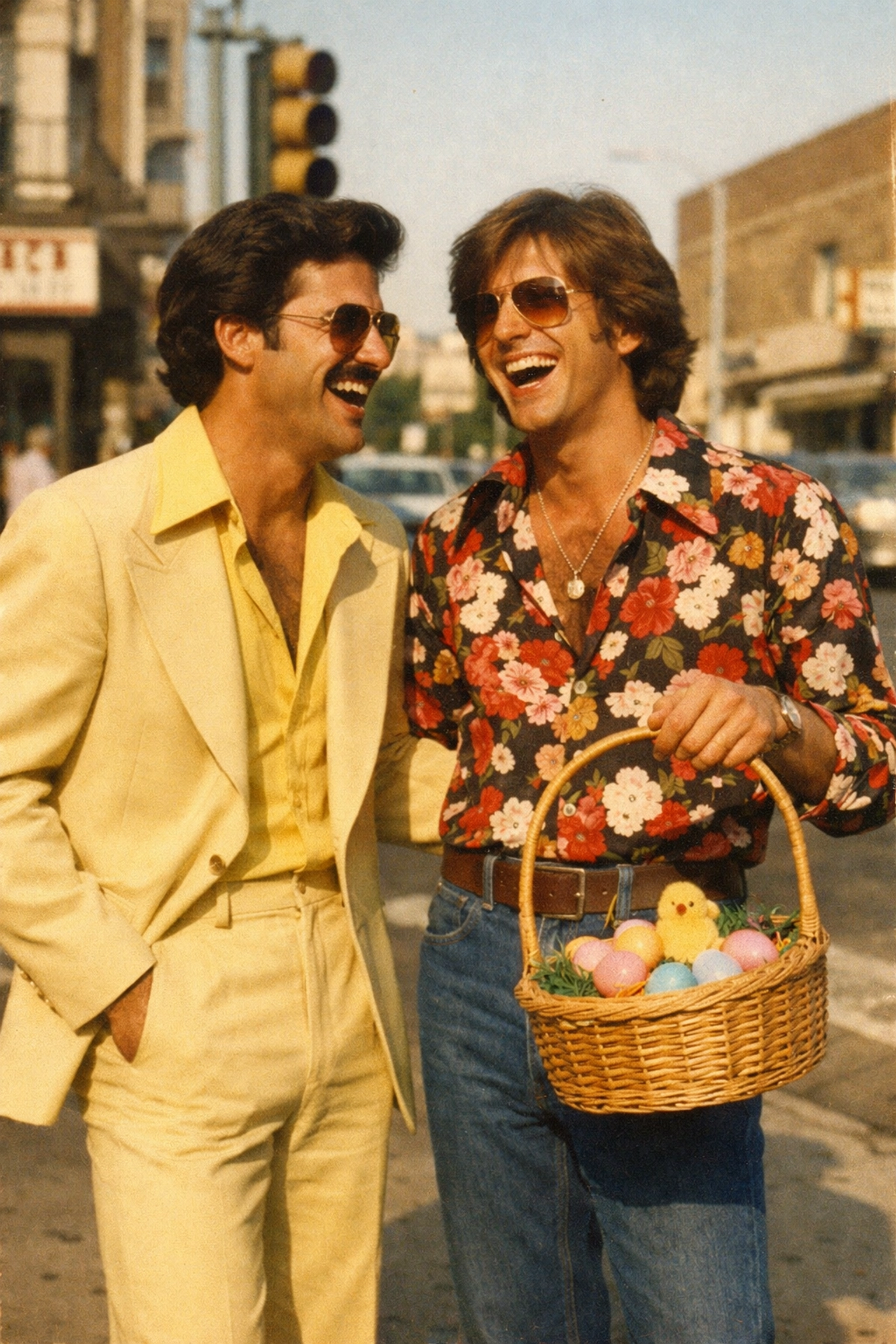
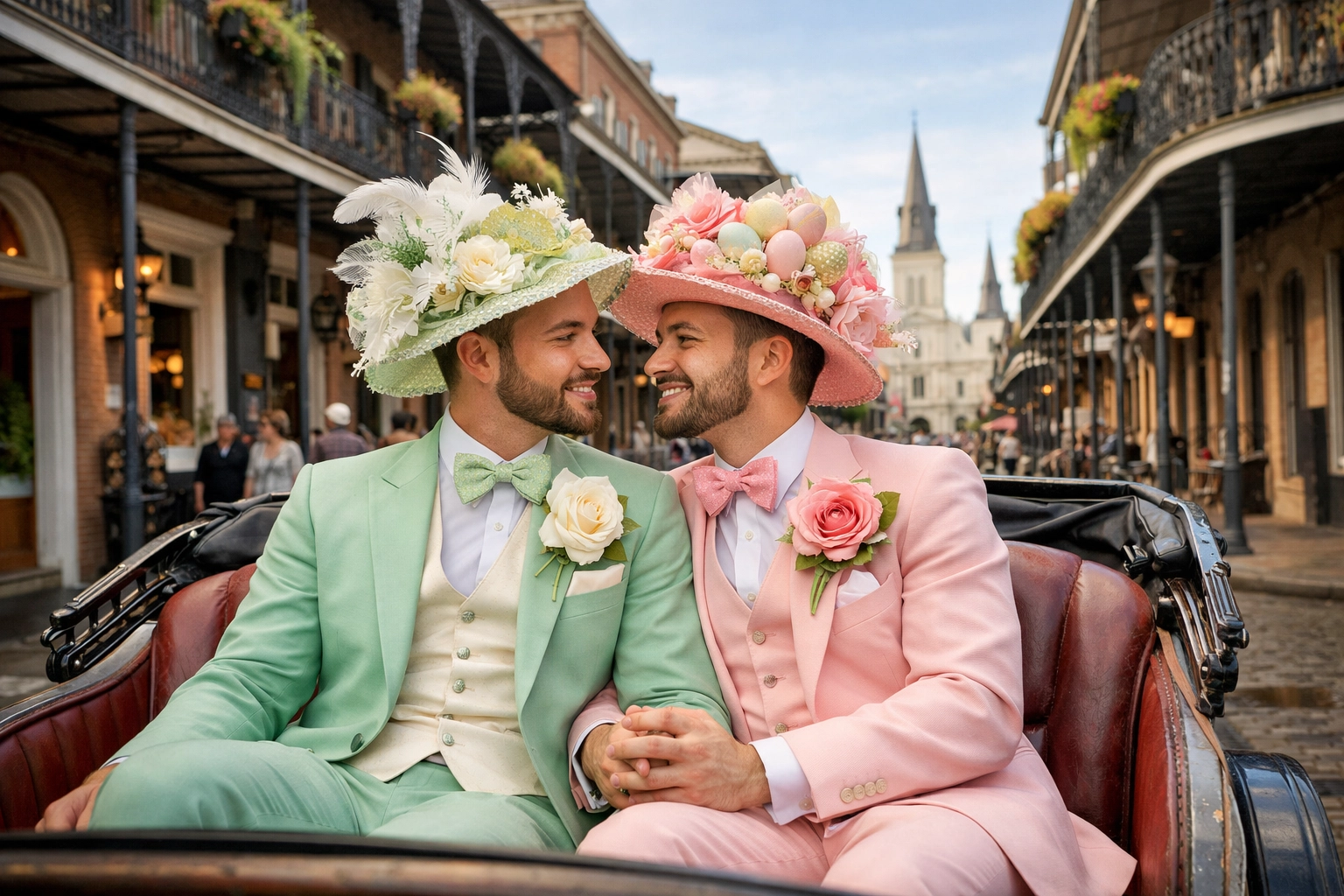
While San Francisco was getting gritty and political, New Orleans was doing what it does best: throwing a party with a side of elegance. The New Orleans Gay Easter Parade has roots that stretch deep into the 70s. It began as a way for the community, particularly the "gay royalty" of the various krewes, to dress in their absolute finest: we’re talking pastel suits, elaborate hats, and enough lace to cover the Mississippi: and carriage-ride through the French Quarter.
It was a reclamation of the Southern "Gentleman" and "Lady" archetypes, twisted through a queer lens. In a region where religious tradition was (and is) a massive part of daily life, showing up in the French Quarter on Easter Sunday was a way of saying, "We are here, we are blessed, and we look better than you." This aesthetic often pops up in MM historical romance set in the South, where the contrast between stifling tradition and underground queer joy creates the perfect backdrop for a slow burn romance.
Why the 1970s Easter Energy Matters Now
You might be wondering why we’re talking about 50-year-old parades in 2026. The truth is, the energy of the 1970s Gay Easter Parade paved the way for the "Hunky Jesus" contests and the elaborate drag brunches we enjoy today. It was the first time our community used celebration as a form of confrontation.
For writers of gay romance novels and LGBTQ+ fiction, this era is a goldmine. It offers a rich tapestry of characters: the activist who’s tired of hiding, the drag queen who finds her family in the streets, and the young man from the Midwest seeing a gay parade for the first time. It’s about the "found family" trope: a staple in popular gay books: coming to life in real-time.
At Readwithpride.com, we see these themes reflected in the MM contemporary stories we publish and promote. The idea that we can take something traditional and make it ours is a core part of the queer experience.
Finding Your Story in the Past
If you’re looking to dive deeper into this world, there are so many gay book recommendations that capture the 70s spirit. From gay thriller novels set in the shadows of the Castro to heartfelt gay fiction about the early days of liberation, the 1970s continue to inspire.
We often recommend checking out our curated lists of best MM romance or exploring our gay romance series to find stories that resonate with this specific brand of courage. There’s something incredibly romantic about two men finding love while the world around them is changing, and the 70s provided the ultimate backdrop for that.
The Legacy of the Bonnet
The Gay Easter Parade of the 70s wasn't just about the clothes (though, let’s be honest, the clothes were incredible). It was about visibility. In 1975, you couldn't just post a selfie on Instagram to tell the world you were proud. You had to put on a hat, walk out your front door, and join a line of people who were just as brave as you were.
This Easter, whether you’re heading to a parade, a brunch, or just curling up with one of the new gay releases of 2026, take a second to think about the guys in the 70s. They were the ones who decided that Easter wasn't just for the church: it was for the community.
Join the Community
If you love stories that celebrate our history and our future, make sure to follow us and stay updated on the best in LGBTQ+ literature:
- Website: readwithpride.com
- Facebook: Read with Pride
- X (Twitter): @Read_With_Pride
- Instagram: @read.withpride
Whether you are looking for steamy MM romance, emotional MM books, or award-winning gay fiction, we have something for every reader. Let’s keep reading, keep writing, and keep parading.
#ReadWithPride #GayHistory #1970sActivism #M_M_Books #LGBTQFiction #GayEasterParade #MMRomanceBooks #QueerAuthors #GayRomance2026 #HistoricalGayRomance
Want more? Check out our FAQ or browse our latest gay eBooks. If you're an author looking to share your own story of queer history or romance, visit our publisher page to see how we can work together.
2026 is the year of queer joy( let's make it a page-turner.)

Leave a Reply
You must be logged in to post a comment.