

readwithpride.com
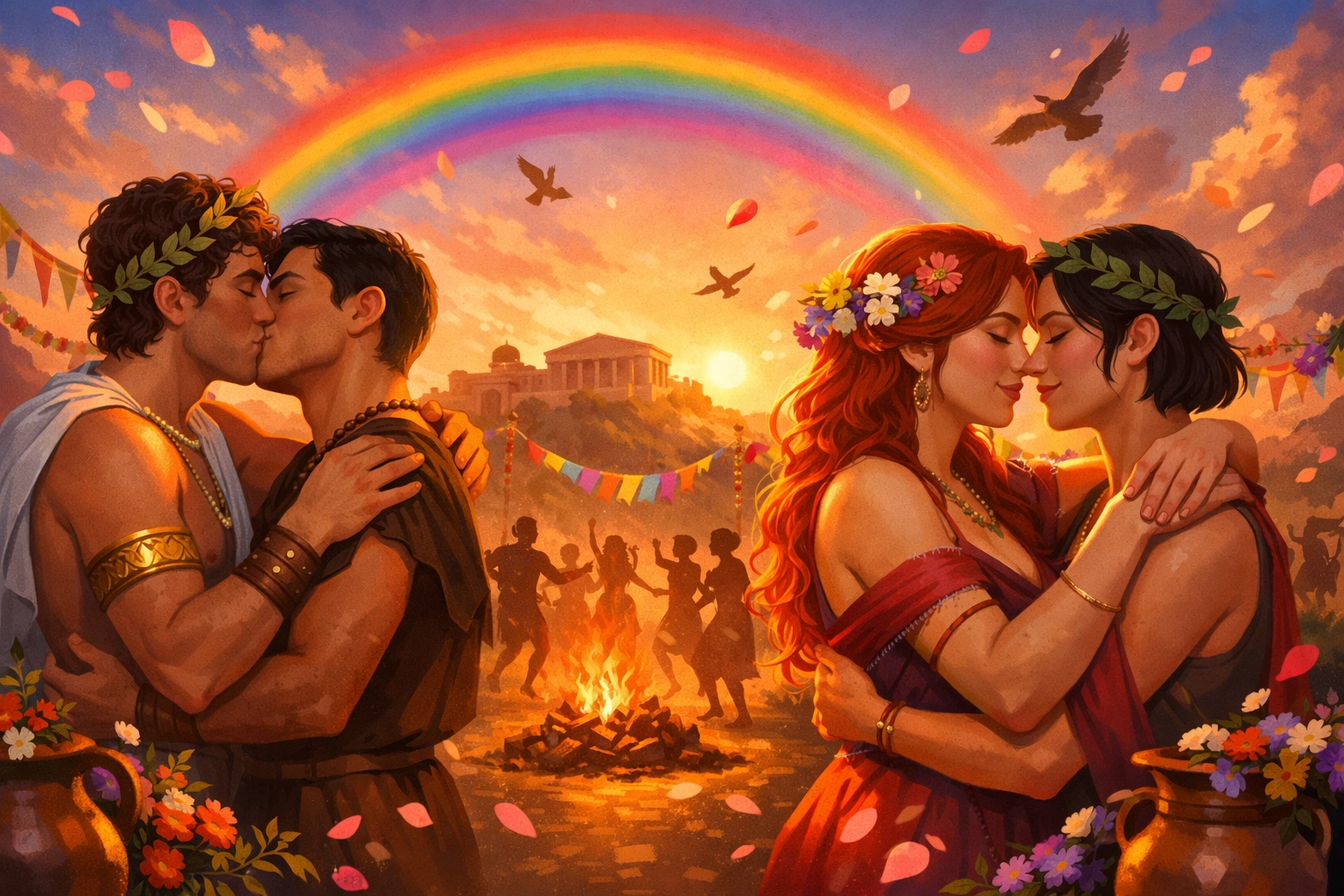
When we think of spring today, we usually think of chocolate bunnies, pastel-colored eggs, and maybe a nice brunch. But if we peel back the layers of history, long before the chocolate eggs hit the supermarket shelves in 2026, we find a season that was deeply, unapologetically queer.
At Read with Pride, we’re obsessed with stories. While we spend most of our time publishing the latest MM romance books and queer fiction, we know that our history didn't start with the Stonewall riots. It goes back thousands of years to ancient groves, marble temples, and festivals that celebrated gender fluidity and same-sex love as sacred.
If you’ve ever felt like the traditional spring holidays don’t quite "fit" you, it might be because the original versions were way more radical than what we see today. Let’s dive into the pagan roots and queer history of spring.
The Wild World of Cybele and Attis
In Ancient Rome, the most significant spring event wasn't a quiet Sunday service; it was a high-energy, gender-bending marathon known as the Megalensia or the Attis and Cybele mysteries. Held between March 15th and 25th, this festival celebrated the Great Mother, Cybele, and her consort, Attis.
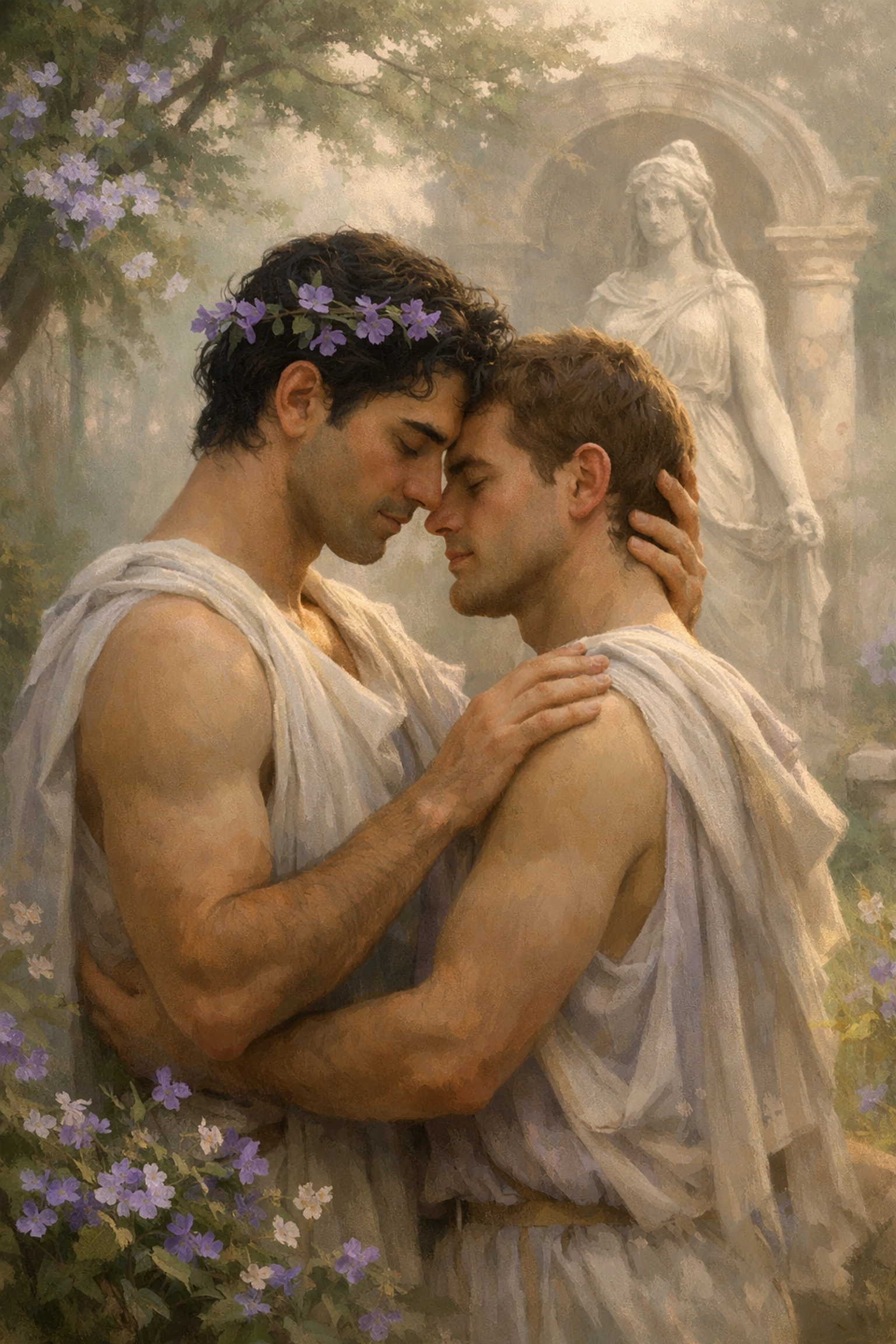
The mythology here is wild. Attis was the lover of a deity named Agidistis (who was born from the seed of Zeus and had a complex gender history of their own). This wasn’t your standard "boy meets girl" story. It involved transformations, self-sacrifice, and a total reversal of the traditional Roman gender roles.
For fans of gay historical romance or MM historical romance, this era is a goldmine. The relationship between Attis and Agidistis was revolutionary because it challenged the rigid hierarchies of the time. It was a story of devotion that transcended the physical body, a theme we still see in the most emotional MM romance novels today.
Meet the Gallae: The Original Non-Binary Priests
The most fascinating part of the Attis festival wasn't just the story, it was the people who ran it. These were the Gallae.
The Gallae were priestesses of Cybele who were assigned male at birth but lived, dressed, and identified as women. Historians often describe them as "gender-bending, long-haired, makeup-wearing, loud, and flamboyant." They were the heart of the spring celebrations, leading massive processions through the streets of Rome.
During the Dies Sanguinis (Day of Blood) on March 24th, the Gallae would engage in frenzied dances accompanied by drums and flutes. In a moment of divine ecstasy, new initiates would often castrate themselves to transition into their new lives as priestesses of the Goddess.
While this sounds intense to our modern ears, in the ancient world, this was a recognized, and sacred, path for gender-nonconforming people. They were visible, they were loud, and they were the keepers of the spring mysteries. It’s a powerful reminder that trans and non-binary identities aren't a "new trend"; they are ancient, sacred, and deeply rooted in our history.
The Resurrection of Joy: Hilaria
After the mourning and the blood of the previous days, March 25th marked the Hilaria, the Day of Joy. This celebrated the resurrection of Attis. It was a day of absolute revelry, masquerades, and jokes. People would dress in costumes, often crossing gender lines, and the city would be filled with a sense of renewal.
This cycle of death and rebirth is the blueprint for many modern spring traditions, but for the queer community of ancient Rome, it was specifically about the rebirth of the self into a more authentic identity. It’s the kind of transformation we love to see in heartfelt gay fiction, that moment when a character finally sheds the expectations of others and steps into their true light.
Dionysus and the Anthesteria
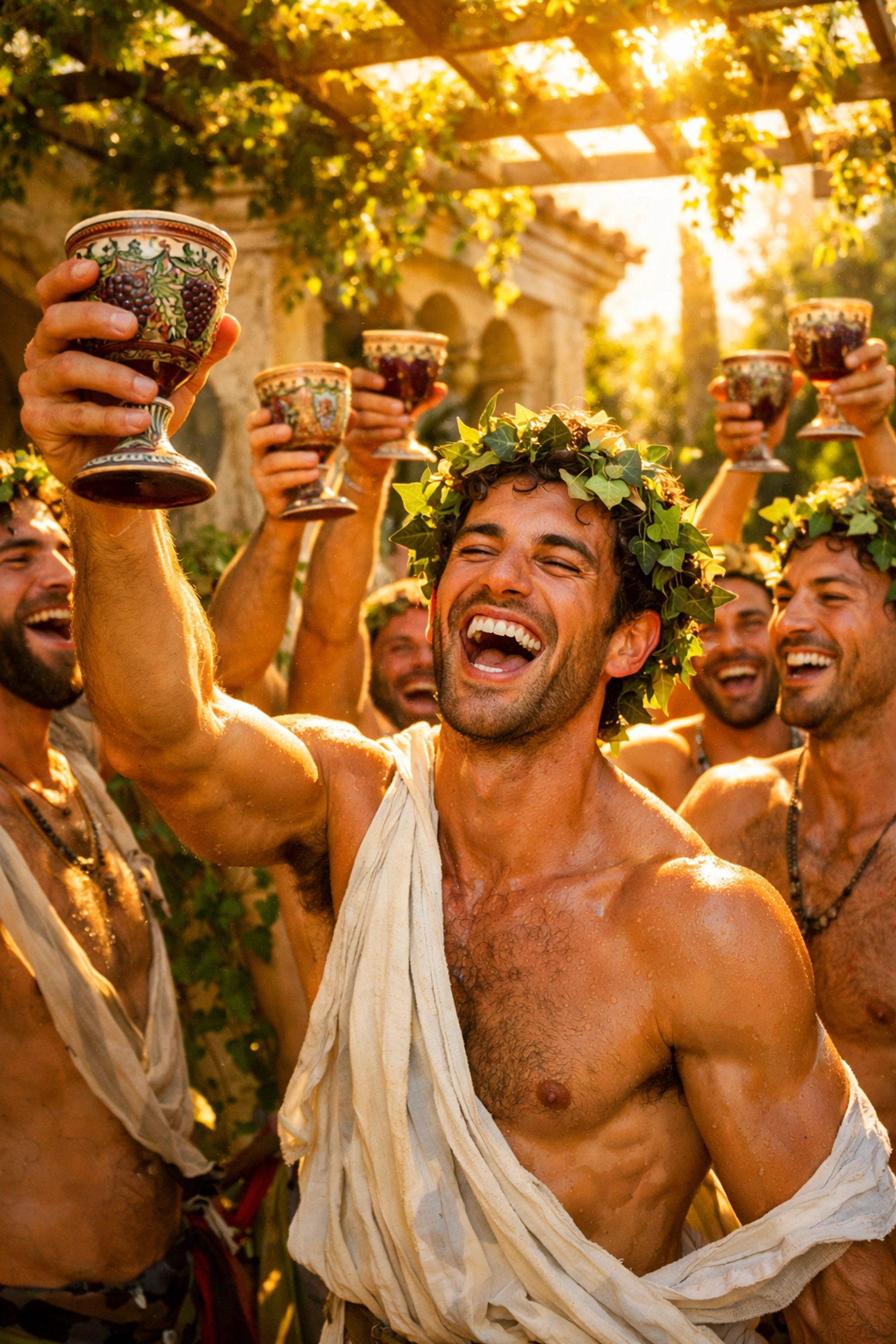
While Rome was busy with Cybele, Ancient Greece had its own queer spring vibes centered around Dionysus, the god of wine, theater, and "divine madness." Dionysus is perhaps the most "queer" god in the pantheon; he was often depicted as effeminate, was raised as a girl to hide from Hera, and had many male lovers.
In late February and early March, the Greeks celebrated the Anthesteria. This was a three-day festival dedicated to the opening of new wine. It was a time of drinking contests, but also a time when the boundaries between the living and the dead, and between social classes and genders, became blurred.
Dionysus represented the breaking of chains. He encouraged his followers to step outside of their societal "boxes." For the LGBTQ+ community, Dionysus is a patron saint of being exactly who you are, regardless of what the neighbors think. If you’re looking for gay fantasy romance that captures this wild, magical energy, you can find some amazing titles in our product sitemap.
Floralia: The Season of Carnal Indulgence
If the Attis festivals were about transformation and the Anthesteria was about wine, the Floralia (late April to early May) was about, well… sex.
Named for Flora, the goddess of flowers, this festival was famously "carnal." It involved mime performances (which were often quite spicy), bunny hunts, and a lot of public nudity. It was a celebration of fertility in every sense of the word. While the official Roman state liked to keep things orderly, the Floralia was the time when everyone: regardless of their sexual orientation: could indulge in the pleasures of the flesh.
In the world of steamy MM romance, we often talk about "heat levels." If we were rating the Floralia, it would be a solid 5/5 stars. It was a time to celebrate the body, the blooming of nature, and the joy of physical connection.
Why We Should Remember These Roots
You might be wondering why a publisher of LGBTQ+ ebooks and gay books is talking about ancient history. The answer is simple: representation matters across time.
When we see ourselves in the past, it validates our existence in the present. Knowing that gender-nonconforming people were the leaders of major religious festivals 2,000 years ago helps us fight the narrative that we are a "modern invention."
At Read with Pride, we believe that every gay love story we publish is a continuation of this ancient tradition. Whether it’s a gay contemporary romance set in a bustling city or a gay spy romance with high stakes, these stories are all about the same thing: the human need for connection, authenticity, and a little bit of magic.
Spring Reading List for 2026
If these ancient festivals have you in the mood for some fresh starts and epic transformations, check out some of the new gay releases of 2026. We’ve got everything from slow burn romances to the ever-popular enemies to lovers MM romance trope.
If you're a fan of the "found family" aspect of the Gallae, look for stories that feature gay book clubs or queer communities coming together. There’s nothing quite like the bond of people who have chosen to walk their own path together.
You can browse our full collection and find your next favorite read at our store.

Connect with Us
We love hearing from our readers! What are your favorite queer historical facts? Or do you have a favorite MM romance book that feels like a spring celebration?
Follow us on our social media channels to stay updated on the latest LGBTQ+ fiction and community news:
- Facebook: Read with Pride
- X (formerly Twitter): @Read_With_Pride
- Instagram: @read.withpride
For more articles and deep dives into the world of queer literature and history, visit our LGBTQ+ Blogs and Articles section. If you have questions about our books or how to get published, check out our FAQ.
Happy Spring, everyone! May your season be as bold, bright, and authentic as a Gallae priestess in the streets of Rome. 🌈✨
#ReadWithPride #QueerHistory #MMRomance #LGBTQBooks #PaganRoots #GayFiction #SpringFestivals #AncientRome #GayBooks2026 #TransHistory
Looking for something specific? Explore our sitemaps:

Leave a Reply
You must be logged in to post a comment.