

readwithpride.com
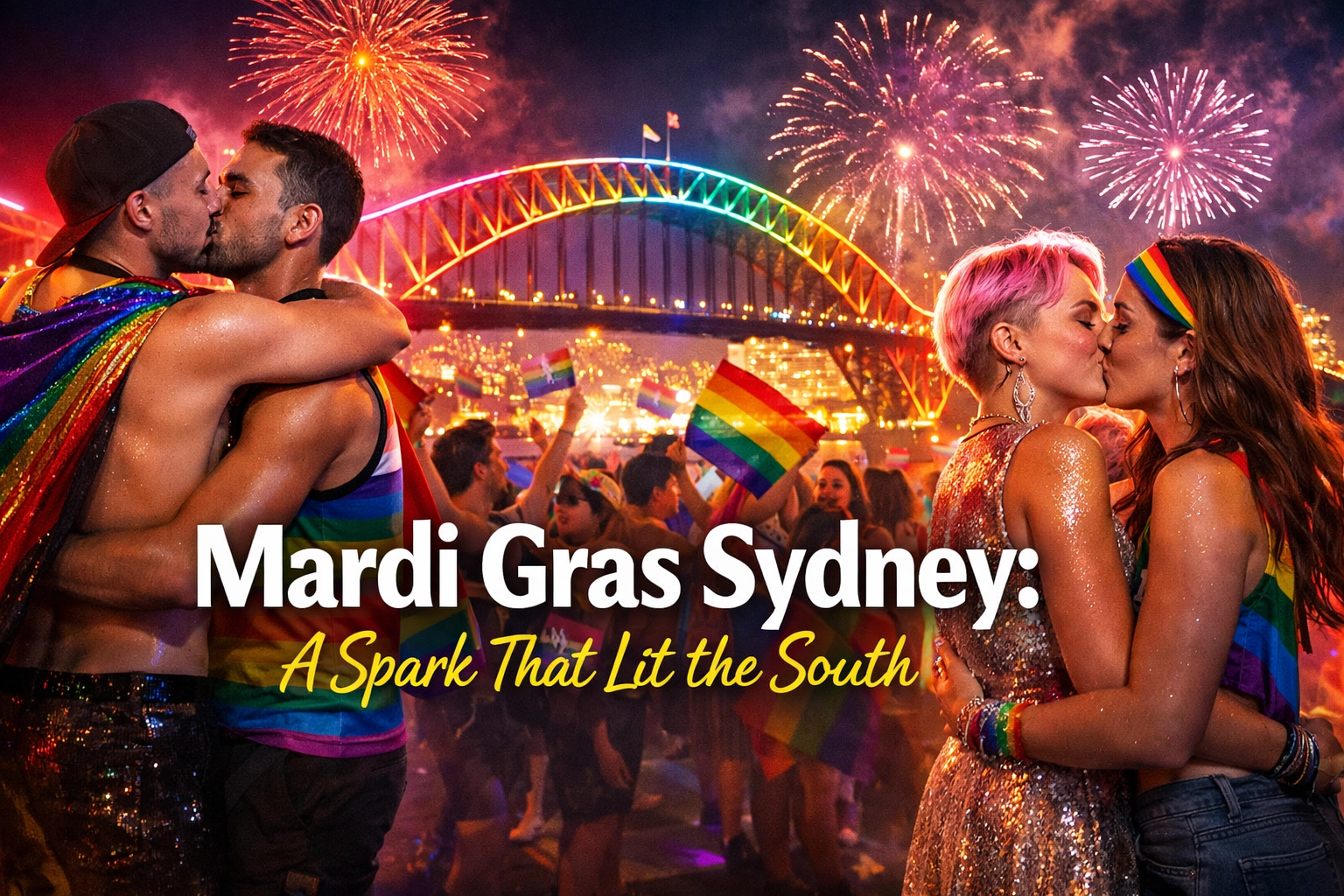
If you’ve ever found yourself dancing down Oxford Street in late February, covered in biodegradable glitter and surrounded by half a million of your closest friends, you know that the Sydney Gay and Lesbian Mardi Gras is more than just a party. It’s a vibe, a pilgrimage, and a massive neon-lit "we’re here" to the rest of the world. But before the feathers, the drag queens on floats, and the 2026 celebrations we’re seeing today, there was a night that looked a whole lot less like a celebration and a whole lot more like a battlefield.
At Read with Pride, we love a good origin story. Whether it’s the slow-burn tension in our favorite MM romance books or the gritty reality of gay historical romance, nothing beats the real-life drama of how Sydney became the queer capital of the Southern Hemisphere. So, grab a drink, settle in, and let’s talk about the spark that lit the south.
The Night the Glitter Met the Grime: June 24, 1978
Imagine it’s 1978. In New South Wales, being gay isn’t just frowned upon; it’s actually illegal. There’s no "Swipe Right" for a date, no LGBTQ+ fiction sections in mainstream bookstores, and certainly no televised parades.
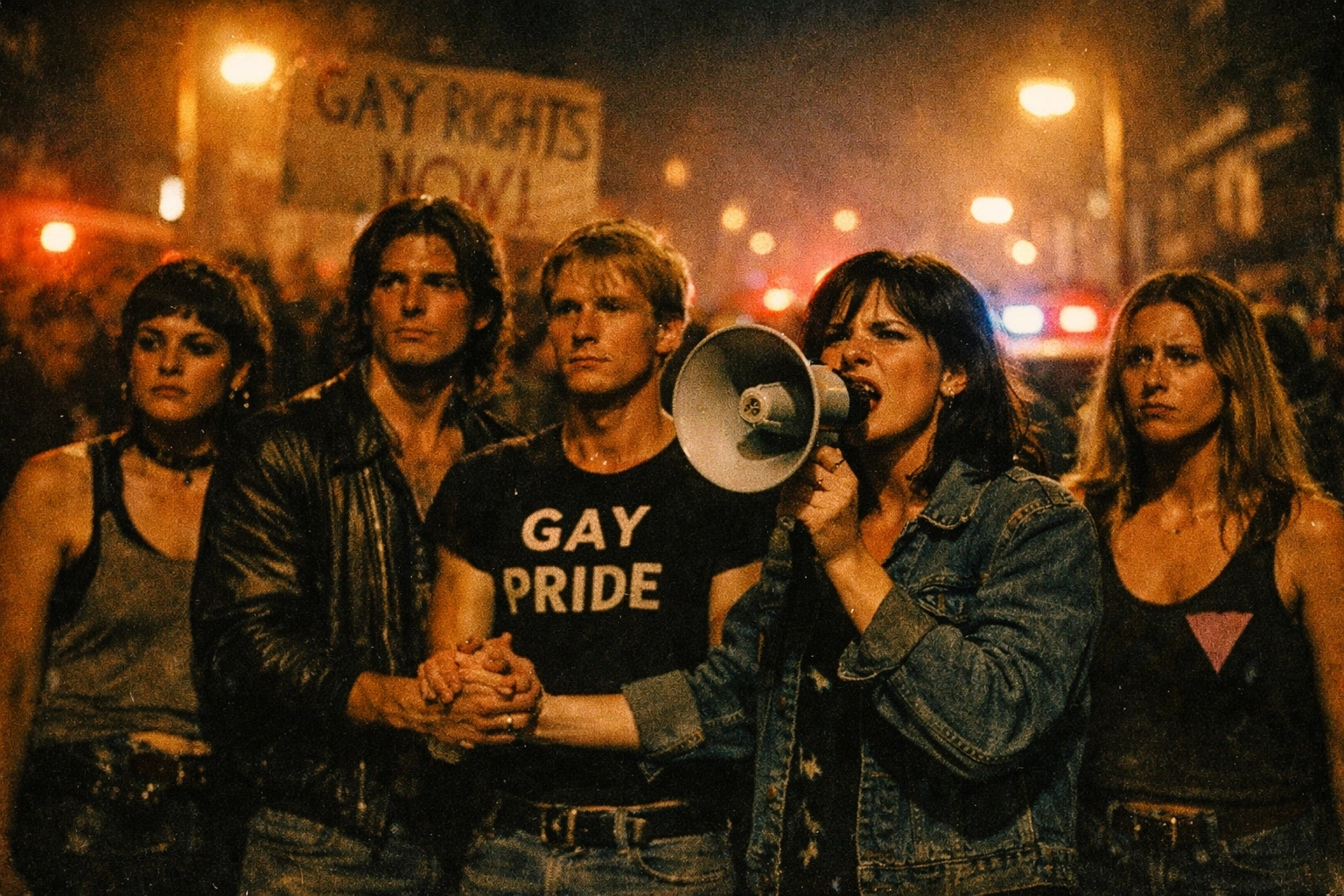
On June 24, 1978, a group known as the Gay Solidarity Group decided they’d had enough. Inspired by the Stonewall Riots in New York, they planned a day of events: a morning march, a public meeting, and a "street festival" at night. They wanted to raise awareness about the discrimination that was stifling the community. It was supposed to be a celebratory march: a way to show the city that queer people existed and weren’t going anywhere.
They even had a truck with a small PA system playing music. People were dancing, laughing, and feeling a rare sense of freedom. But as the crowd moved toward Darlinghurst, the vibe shifted. The police weren’t there to manage traffic; they were there to shut it down.
53 Arrests and the Birth of the "78ers"
The police response was, in a word, brutal. They confiscated the lead truck, began physically dragging people from the crowd, and eventually arrested 53 men and women. The stories from that night at the Darlinghurst Police Station are the stuff of gay thriller novels: beatings in the cells, harassment, and a level of violence that was meant to crush the movement once and for all.
But the police made a massive tactical error. Instead of silencing the community, they galvanized it. The Sydney Morning Herald published the names, occupations, and addresses of everyone arrested, which backfired spectacularly. Instead of shaming the protesters, the public exposure forced the community to stand together. Friends, family, and coworkers saw the injustice plainly.
Those original protesters are now known as the "78ers." They are our queer elders, the pioneers who stood their ground when it was most dangerous. Their resilience is the kind of stuff we look for in the best MM romance: characters who fight against the odds for the right to love and exist.
From Protest to Party: The 1980s Evolution
By 1979, the community returned. This time, 3,000 people marched. The police stayed back, and no arrests were made. The message was clear: the spark had caught fire.
In 1981, a genius move was made: the event was shifted from the cold, damp month of June to the sweltering heat of February/March. Let’s be real: gay people and summer go together like enemies to lovers MM romance tropes. It just works. Moving the date transformed the event from a gritty protest into a tropical, high-energy festival.
By 1983, the Sydney City Council started to realize that this "little protest" was actually a cultural powerhouse. They hung Mardi Gras flags along Oxford Street, and the Australia Council provided funding. It was the beginning of institutional recognition. The parade was no longer just about survival; it was about visibility.
A Global Icon and the "Hallmark" Era
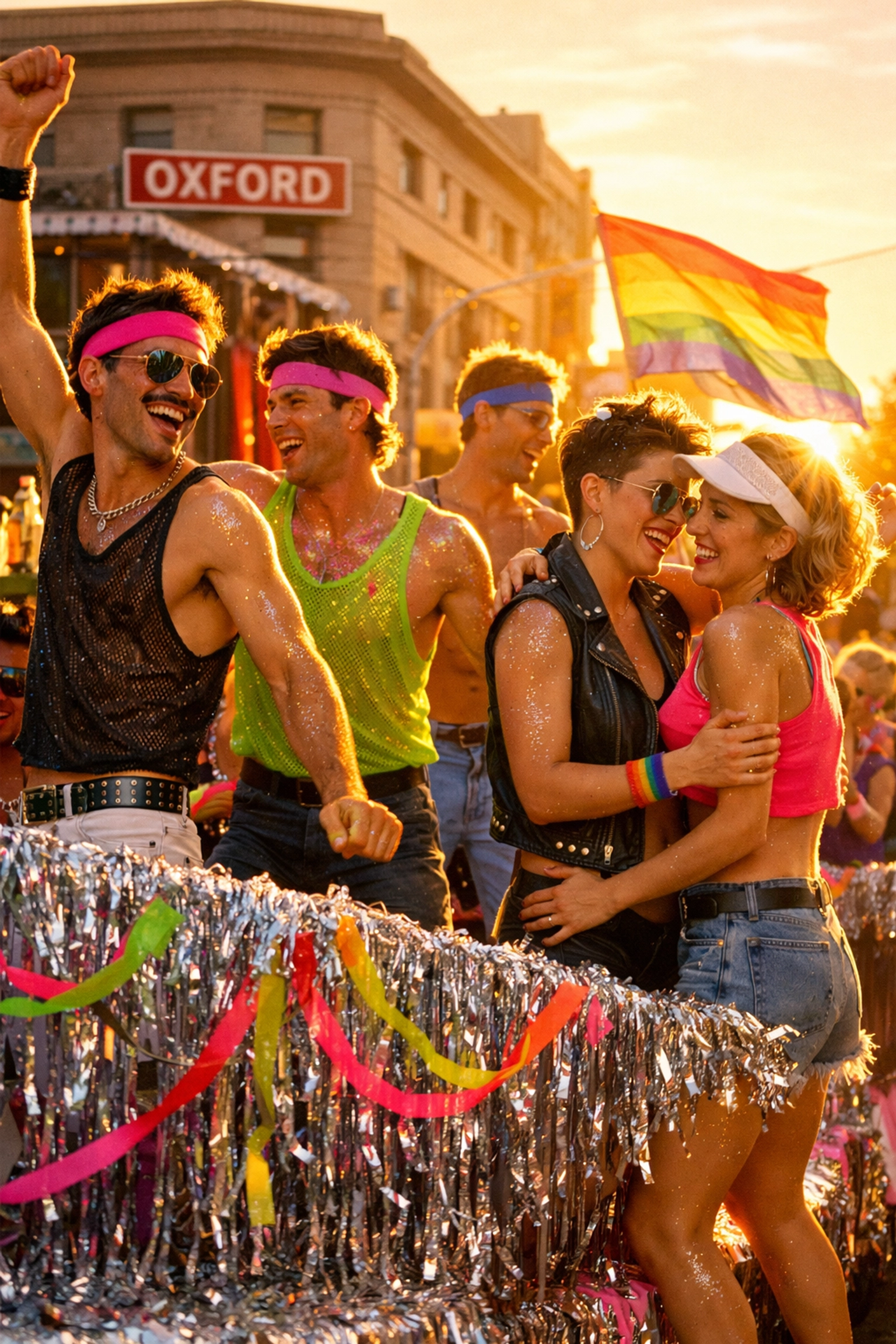
Fast forward to the 90s and early 2000s, and Mardi Gras had become Australia’s biggest nighttime parade. It wasn’t just locals anymore; people were flying in from all over the world to see the "Dykes on Bikes" kick off the festivities and the incredible, elaborate floats that took months to build.
In 2002, the city officially recognized it as a "Hallmark Event." Today, it contributes millions to the economy, but more importantly, it provides a sense of belonging that is hard to find anywhere else. It’s a place where you can see every flavor of the rainbow: from the leather community to queer youth groups to the "78ers" who still lead the march with pride.
If you can't make it to Sydney this year, you can still dive into that spirit through gay literature. At Readwithpride.com, we feature popular gay books and MM novels that capture the essence of these historic shifts. Reading about the struggle makes the celebration that much sweeter.
The Ripple Effect: Melbourne and Beyond
Sydney wasn't the only city feeling the heat. The success and visibility of Mardi Gras inspired other cities to step up. In 1996, the Melbourne Pride March was founded. While Melbourne already had the Midsumma Festival, the Pride March was a direct response to police harassment at the Tasty nightclub raid.
It’s a recurring theme in our history: when they try to push us down, we come back with a parade. This "forced proximity" to injustice always seems to lead to a "slow burn" of social change that eventually explodes into progress. Whether you're into gay contemporary romance or hard-hitting gay psychological thrillers, you'll see this theme of community resilience reflected in the 2026 gay books hitting the shelves.

Why History Matters in Our Stories
Why do we talk about 1978 in 2026? Because every gay love story we read today: every MM romance where two men can hold hands in a park: was paid for by the people who were beaten in Darlinghurst.
When you browse our store or look for new gay releases, you’re engaging with a culture that fought for its right to be heard. From steamy MM romance to heartfelt gay fiction, our stories are our legacy.
Sydney Mardi Gras is a reminder that visibility is a superpower. It turned a night of violence into a lifetime of celebration. It took the "grime" of a 1970s jail cell and turned it into the "glitter" of a world-class festival.
Tips for Celebrating Pride in 2026
If you’re heading to Mardi Gras or any Pride event this year, here’s how to do it "Read with Pride" style:
- Know Your History: Take a moment to look up the "78ers." Without them, we wouldn’t have the party.
- Support Queer Creators: Whether it's buying gay romance books or supporting local drag artists, keep the "pink dollar" in the community.
- Read Something New: Grab one of the top LGBTQ+ books of the year. We highly recommend checking out some gay historical romance to get a feel for the era that started it all.
- Stay Safe and Kind: The spirit of Mardi Gras is inclusion. Look out for your fellow revelers.
The Sydney Gay and Lesbian Mardi Gras is a testament to the fact that a single spark can indeed light up the entire south. It’s a celebration of how far we’ve come and a loud, proud reminder of how far we can go.
So, whether you're reading MM fiction on a beach in Bondi or scrolling through gay eBooks in a cafe in Melbourne, remember: you are part of a vibrant, defiant, and beautiful history.
For more stories, gay book recommendations, and the latest in LGBTQ+ publishing, keep hanging out with us here at Read with Pride.
Check out our FAQ if you have questions about our content!
Follow the journey:
#MardiGras2026 #SydneyMardiGras #LGBTQHistory #78ers #ReadWithPride #GayBooks #MMRomance #QueerFiction #SydneyPride #GayLiterature #GayRomanceNovels

Leave a Reply
You must be logged in to post a comment.