

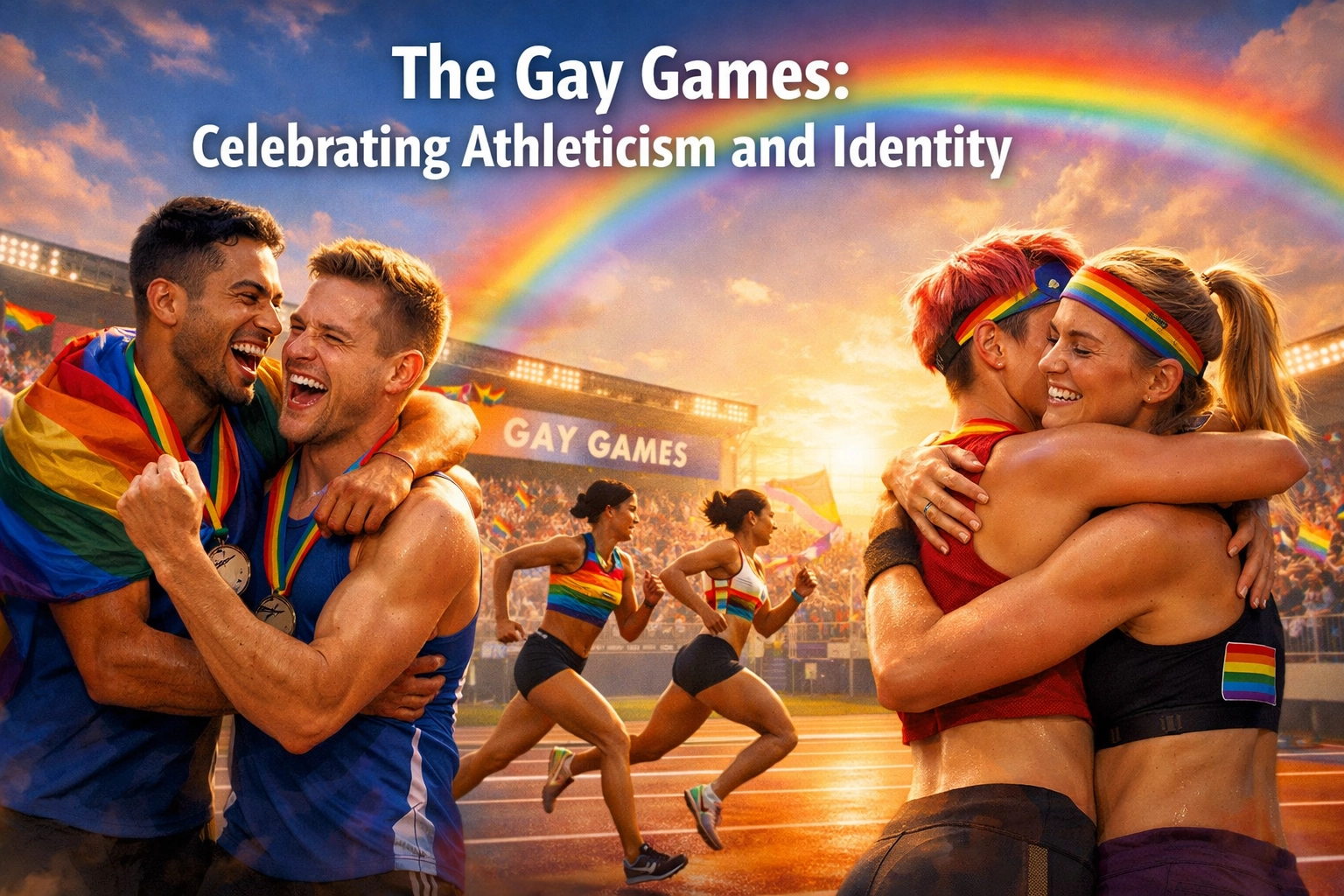
readwithpride.com
If you’ve ever picked up one of our favorite MM romance books featuring a star quarterback or a brooding swimmer, you know there’s something uniquely electric about the intersection of sports and queer identity. But long before we had a library full of steamy MM romance featuring out-and-proud athletes, there was a real-world movement brewing to prove that LGBTQ+ people didn't just belong on the sidelines, they belonged on the podium.
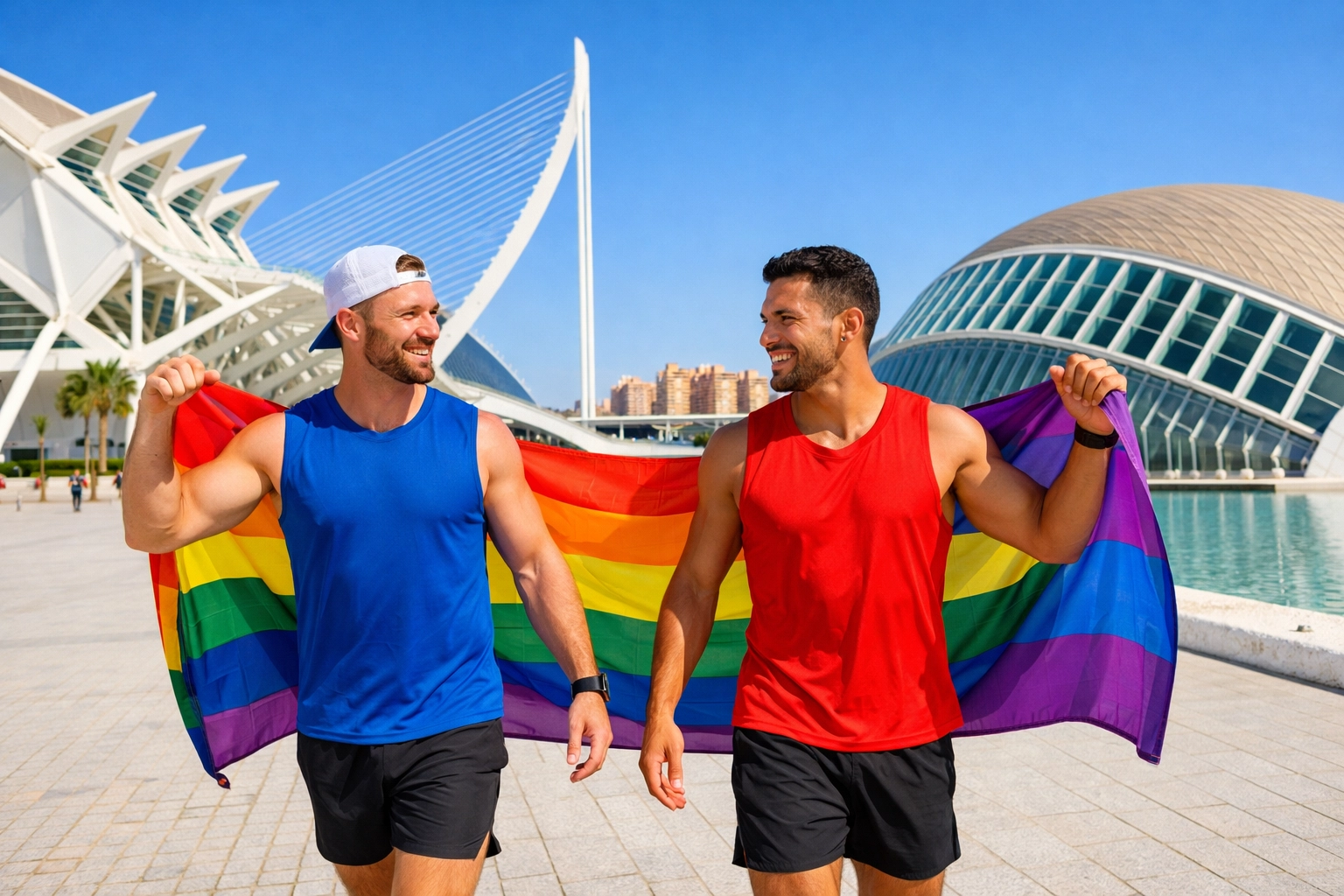
Welcome to the story of the Gay Games. It’s a tale of sweat, spandex, legal battles, and a whole lot of heart. As we look forward to the incredible events planned for the 2026 gay books and events season, including the upcoming Games in Valencia, it’s the perfect time to look back at how this global phenomenon started and why it remains a cornerstone of our history.
The Spark: Dr. Tom Waddell’s Vision (1982)
Let’s travel back to San Francisco in the early 1980s. The city was a heartbeat of queer culture, but the world of professional sports was still very much a "closet-required" zone. Enter Dr. Tom Waddell. Tom wasn't just any doctor; he was an Olympic decathlete who placed sixth in the 1968 Mexico City Olympics. He knew the power of the "Olympic spirit," but he also knew how exclusionary it could be for anyone who didn't fit the heteronormative mold.
Waddell, along with activists like Rikki Streicher, wanted to create something different. They didn't just want a "gay version" of the Olympics; they wanted to strip away the nationalism, the elitism, and the "winning at all costs" mentality. In 1982, the first "Gay Olympic Games" were born.
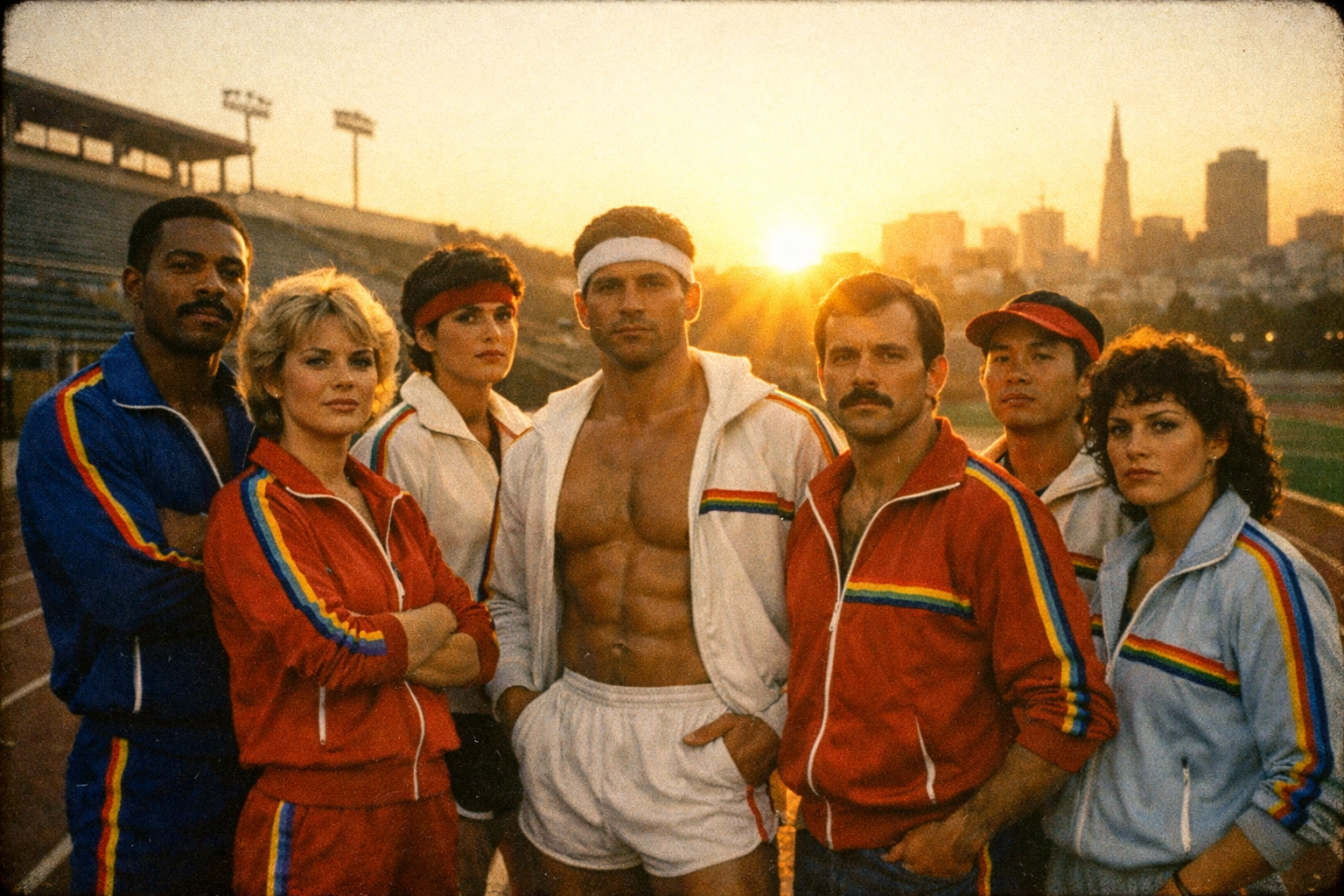
However, the path to the finish line wasn't easy. Just weeks before the first event, the United States Olympic Committee (USOC) sued Waddell for using the word "Olympic." Interestingly, the USOC hadn't gone after the "Rat Olympics" or the "Special Olympics" with the same ferocity, but they drew a hard line at "Gay Olympics." Despite the legal setback and the sudden need to rebrand simply as the "Gay Games," the event was a massive success. It wasn't just about sports; it was about the right to exist and compete with dignity.
Participation, Inclusion, and Personal Best
If you’ve spent any time browsing Read with Pride for gay love stories, you know that the best narratives are about personal growth and finding your tribe. The Gay Games built their entire philosophy on this. They landed on three pillars that still stand today: Participation, Inclusion, and Personal Best.
Unlike the traditional Olympics, where you have to be the absolute top 0.01% in your country to even show up, the Gay Games opened the doors to everyone. It didn't matter if you were a world-class sprinter or someone who just picked up a tennis racket three months ago. The goal wasn't to beat the person in the next lane; it was to achieve your "personal best."
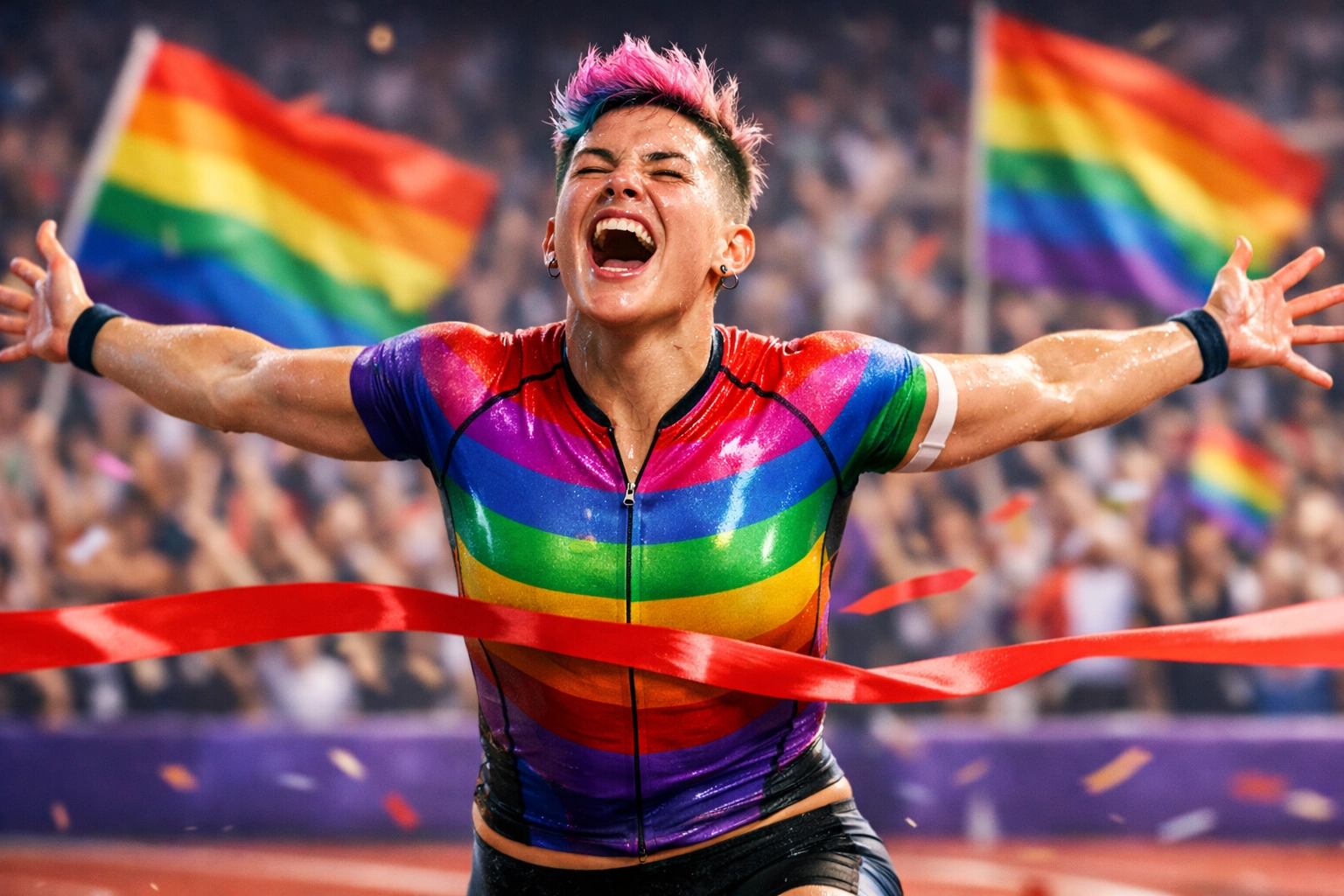
This philosophy changed the game for LGBTQ+ athletes who had been bullied out of locker rooms in high school or felt they had to hide their partners to keep their scholarships. For many, the 1982 Games were the first time they could hear a stadium full of people cheering for them, not in spite of who they were, but because of it.
A Lifeline During the HIV/AIDS Crisis
As we dive into gay historical romance or nonfiction from the 80s and 90s, we see the shadow of the HIV/AIDS crisis. During some of the darkest years for our community, the Gay Games became a vital symbol of health, vitality, and resilience.
By the 1986 and 1990 Games, the community was losing thousands of people. The Games became a space to honor those lost and to show the world that queer people were still here, still strong, and still fighting. It was a defiant "yes" to life when so much of the media was focusing on death. The sight of thousands of LGBTQ+ athletes marching into a stadium was a powerful antidote to the stigma of the era.
Breaking Ground: Trans Inclusion in 1994
One of the coolest things about the history of the Gay Games is how often they were ahead of the curve. While mainstream sports organizations are still, even in 2026, wrestling with how to be inclusive of transgender and non-binary athletes, the Gay Games were leading the way decades ago.
In 1994, during the New York Games (which coincided with the 25th anniversary of Stonewall), the Federation of Gay Games (FGG) became the first international sports organization to formalize policies for transgender athletes. They recognized that identity is about more than just a birth certificate. This commitment to gender diversity ensured that the Games truly lived up to the "Inclusion" pillar of their mission.
Whether you’re a fan of MM contemporary stories or LGBTQ+ fiction that explores the nuances of gender, the Gay Games provide a real-life blueprint for what a truly inclusive society could look like.
More Than Just Medals: The Cultural Festival
If you think the Gay Games are just about track and field, think again. From the very beginning, Tom Waddell insisted that the event be a "cultural festival" as much as an athletic one. This means alongside the swimming heats and volleyball tournaments, you’ll find choral festivals, marching band performances, and art exhibitions.
It’s about celebrating the whole person. It’s the same reason we love gay novels that don't just focus on the romance, but also on the friendships, the careers, and the passions of our characters. The Games celebrate the athlete as an artist and the artist as an athlete.
Why We Still Need the Gay Games in 2026
You might wonder, "In an era where we have out athletes in the NFL and the Premier League, do we still need a separate event?" The answer, quite simply, is yes.
While visibility has improved, many queer people: especially youth and those in less accepting parts of the world: still face immense barriers in sports. The Gay Games provide a safe harbor and a global stage. The upcoming 2026 Games in Valencia are expected to bring together over 10,000 participants from every corner of the globe.
For many athletes traveling from countries where being gay is still criminalized, the Gay Games aren't just a vacation: they are a homecoming. They offer a taste of a world where they can be their authentic selves without fear.
From the Track to the Page: Sports in Queer Literature
At Read with Pride, we’ve seen a massive surge in the popularity of MM romance books centered around sports. Whether it’s an "enemies to lovers" plot between rival hockey players or a "forced proximity" situation on a long bus ride to a championship, the drama of the game provides the perfect backdrop for romance.
If you’re feeling inspired by the history of the Gay Games, why not dive into some MM sports romance? We’ve got a fantastic selection of gay eBooks and LGBTQ+ Kindle books that capture that same spirit of competition and camaraderie. You can check out our latest releases and new gay releases 2026 at readwithpride.com.
Conclusion: Join the Celebration
Whether you’re a lifelong athlete or someone whose only exercise is turning the pages of a gay romance novel, the legacy of the Gay Games belongs to you. It’s a legacy of claiming space, pushing boundaries, and celebrating the skin we’re in.
As we move through 2026, let’s carry that spirit of "Personal Best" into everything we do. Support queer athletes, read queer fiction, and never stop celebrating the diversity that makes our community so vibrant.
For more stories, book recommendations, and community updates, follow us on our social channels:
- Facebook: Read with Pride
- X (Twitter): @Read_With_Pride
- Instagram: @read.withpride
And don't forget to visit our Sitemaps to discover your next favorite MM romance read!
#History #GayGames #LGBTQSports #ReadWithPride #MMRomance #GayFiction #QueerHistory #Valencia2026

Leave a Reply
You must be logged in to post a comment.