

readwithpride.com
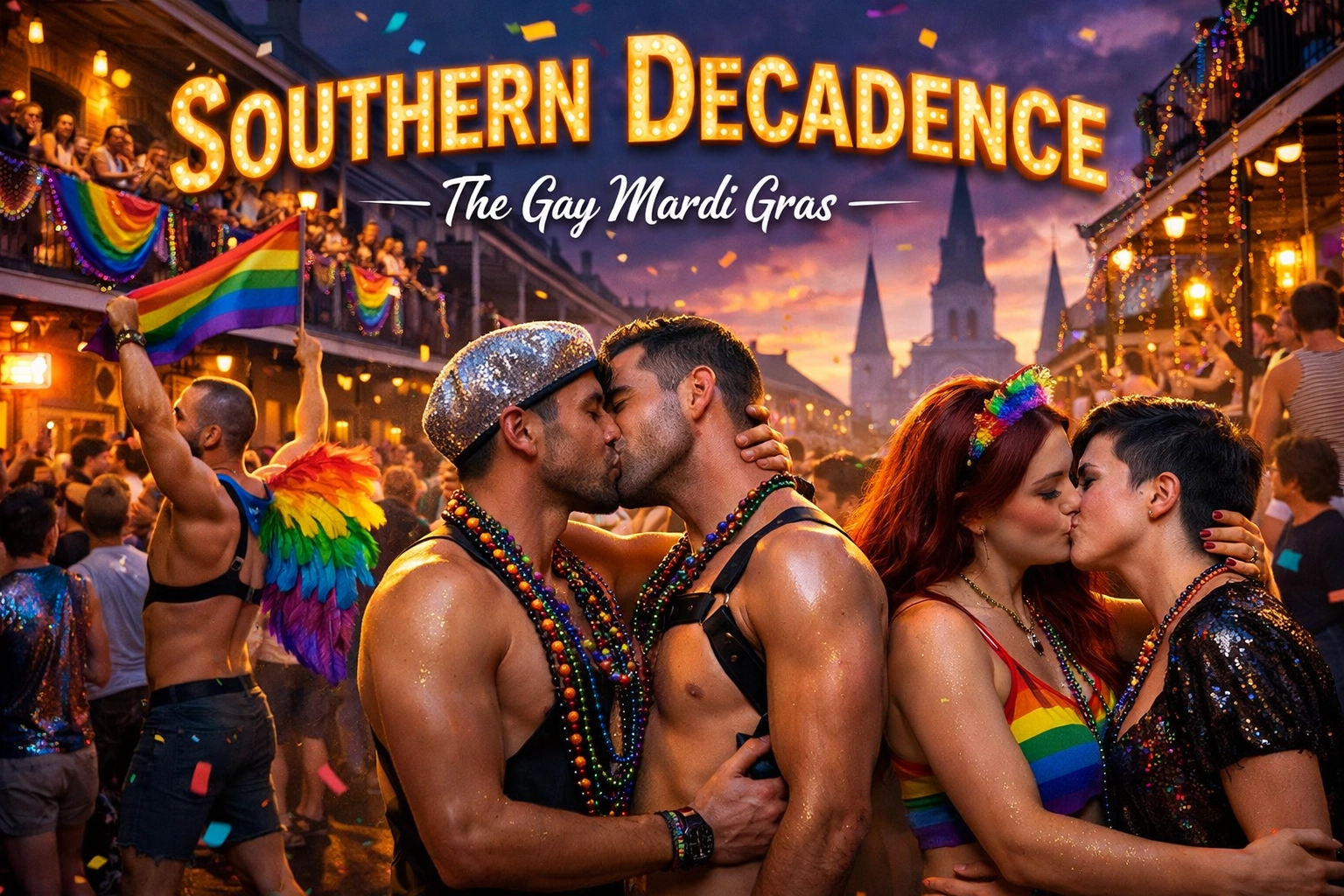
If you’ve ever found yourself in the French Quarter during Labor Day weekend, you know that the air hits different. It’s thick with humidity, the scent of jasmine, and an electric hum of excitement that can only mean one thing: Southern Decadence is in town. Often dubbed the "Gay Mardi Gras," this isn't just a party; it’s a living, breathing testament to queer joy, resilience, and the art of putting on a damn good show.
At Read with Pride, we’re obsessed with the stories that shape our community. Whether it’s the latest MM romance books or the deep-rooted history of our celebrations, we believe every glittery moment deserves to be documented. So, grab a cold drink, turn up the fan, and let’s dive into the wild history of how a small house party in 1972 turned into a multi-million-dollar phenomenon.
1972: The Party That Started It All
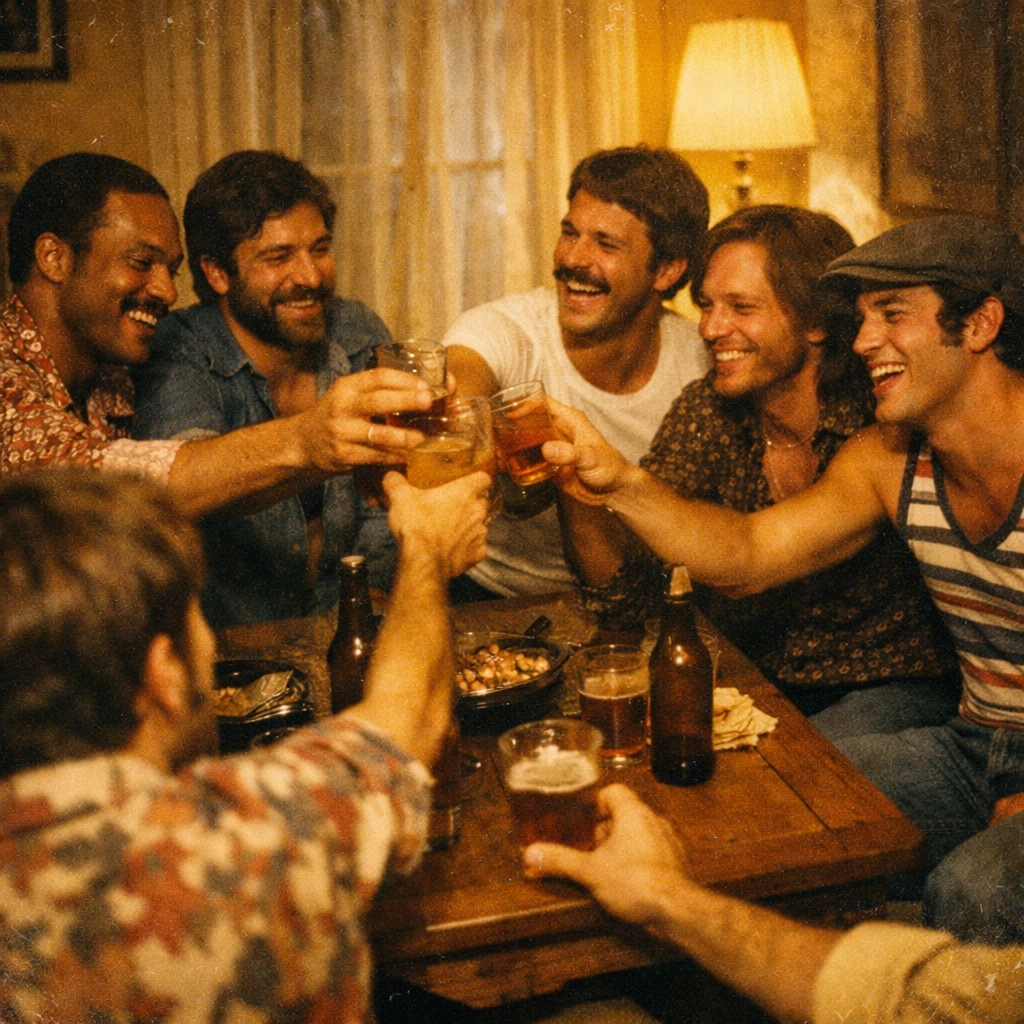
Believe it or not, Southern Decadence didn't start with massive stages or corporate sponsors. It started in the Treme neighborhood at a house called Belle Reve. The year was 1972, and a group of friends who called themselves "The Decadents" decided to throw a costume party.
The original intent was actually quite poignant, it was a farewell bash for Michael Evers, a member of the group who was leaving New Orleans. The hosts, David Randolph and Michael Evers himself, couldn't have predicted that their Sunday afternoon get-together would evolve into one of the largest LGBTQ+ events in the world. Back then, it was just about community, creative costumes, and saying goodbye to a friend.
1973: Hitting the Pavement
The following year, the group decided to take the vibe to the streets. In 1973, Robert Laurent suggested that instead of just staying at the house, they should meet at Matassa’s Bar in the French Quarter to show off their costumes before trekking back to Belle Reve.
Imagine it: about 15 people, dressed to the nines as "decadent Southern" icons. We’re talking Belle Watling, Tallulah Bankhead, and even Helen Keller. They weren't trying to make a political statement; they were just queer people reclaiming space in a city that, while more tolerant than most, still had its shadows. This "parade" was essentially a high-fashion bar crawl, and it set the template for everything that was to come.
If you love a good origin story like this, you’ll find that many gay historical romance novels draw inspiration from these gritty, glamorous early days of liberation.
The Birth of the Grand Marshal
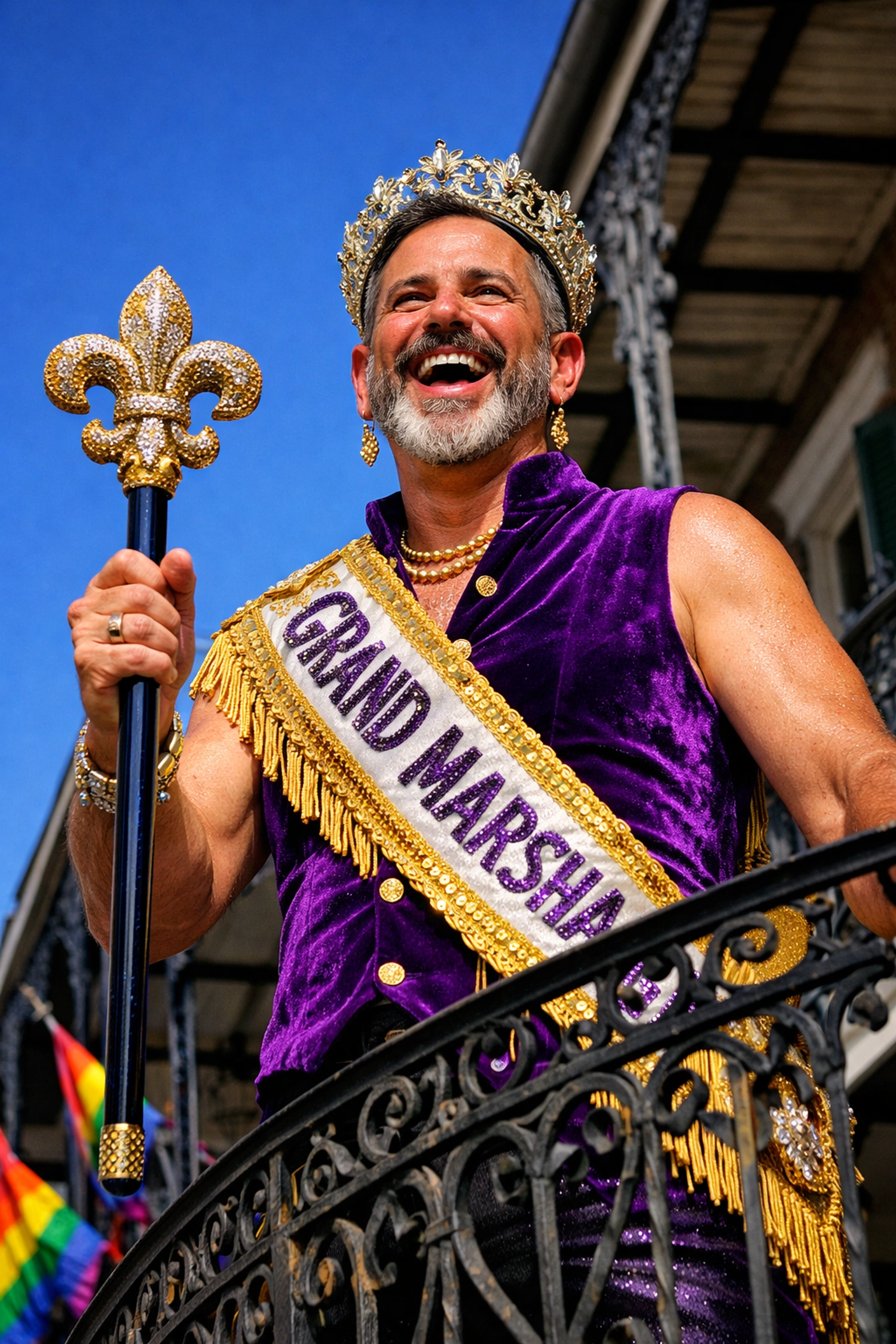
By 1974, the tradition needed a leader. The group established the Grand Marshal role, choosing Frederick Wright: the "guiding spirit" of the Decadents: to lead the way. This wasn't just about who had the best outfit; the Grand Marshal became the keeper of the flame, the person responsible for the "theme" and the general chaos of the weekend.
One of the most unique things about Southern Decadence compared to other Pride events is the lack of a fixed route. Traditionally, the Grand Marshal simply decides where the parade goes. They might turn down an alley, stop at a specific bar, or lead the crowd in a completely spontaneous direction. This spontaneity is the heart of New Orleans culture: it’s jazz in motion.
The 1980 "Lost Parade"
Every great history has its legends, and for Southern Decadence, it’s the 1980 "Lost Parade." Grand Marshal Tom Tippin was leading the charge when a random marching band happened to cross their path. Half the crowd followed the band, the other half followed Tom, and the whole thing dissolved into a glorious, confused mess.
This moment was a turning point. It made the organizers realize that the event was getting too big to be purely accidental. It needed a bit more structure (but only a bit: we are talking about New Orleans, after all). This blend of chaos and community is a trope we see all the time in MM contemporary fiction: the moment where a plan falls apart and something even better is born.
Scaling Up: From 15 to 200,000
The 1990s and the birth of the internet changed everything. Suddenly, word of the "Gay Mardi Gras" wasn't just whispered in bars; it was blasted across message boards and early websites. The attendance skyrocketed.
Today, Southern Decadence isn't just a walk between bars. It involves parade permits, security teams, sanitation contracts, and massive economic impact. In recent years, the event has drawn over 200,000 revelers and generated upwards of $275 million for the city of New Orleans. It’s a powerhouse.
But despite the crowds and the commerce, the spirit remains the same. It’s about being "decadent" in the best sense of the word: indulging in who you are, who you love, and the vibrant culture of the South.
Why We Celebrate in 2026
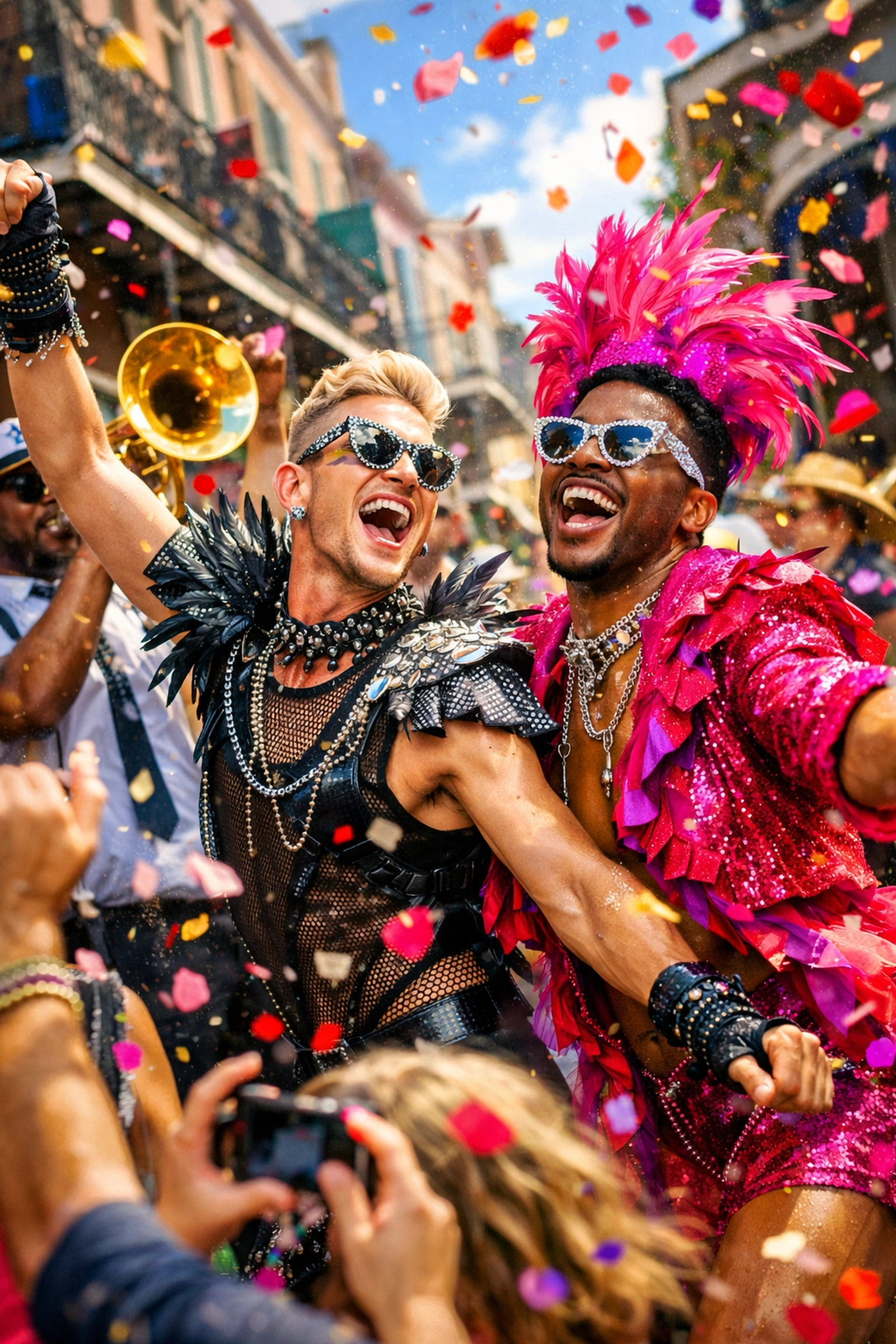
As we look at the landscape of 2026 gay books and queer media, Southern Decadence stands out as a beacon of authenticity. In an era where some Pride events can feel a bit corporate, Decadence remains rooted in the bars, the streets, and the people of the French Quarter.
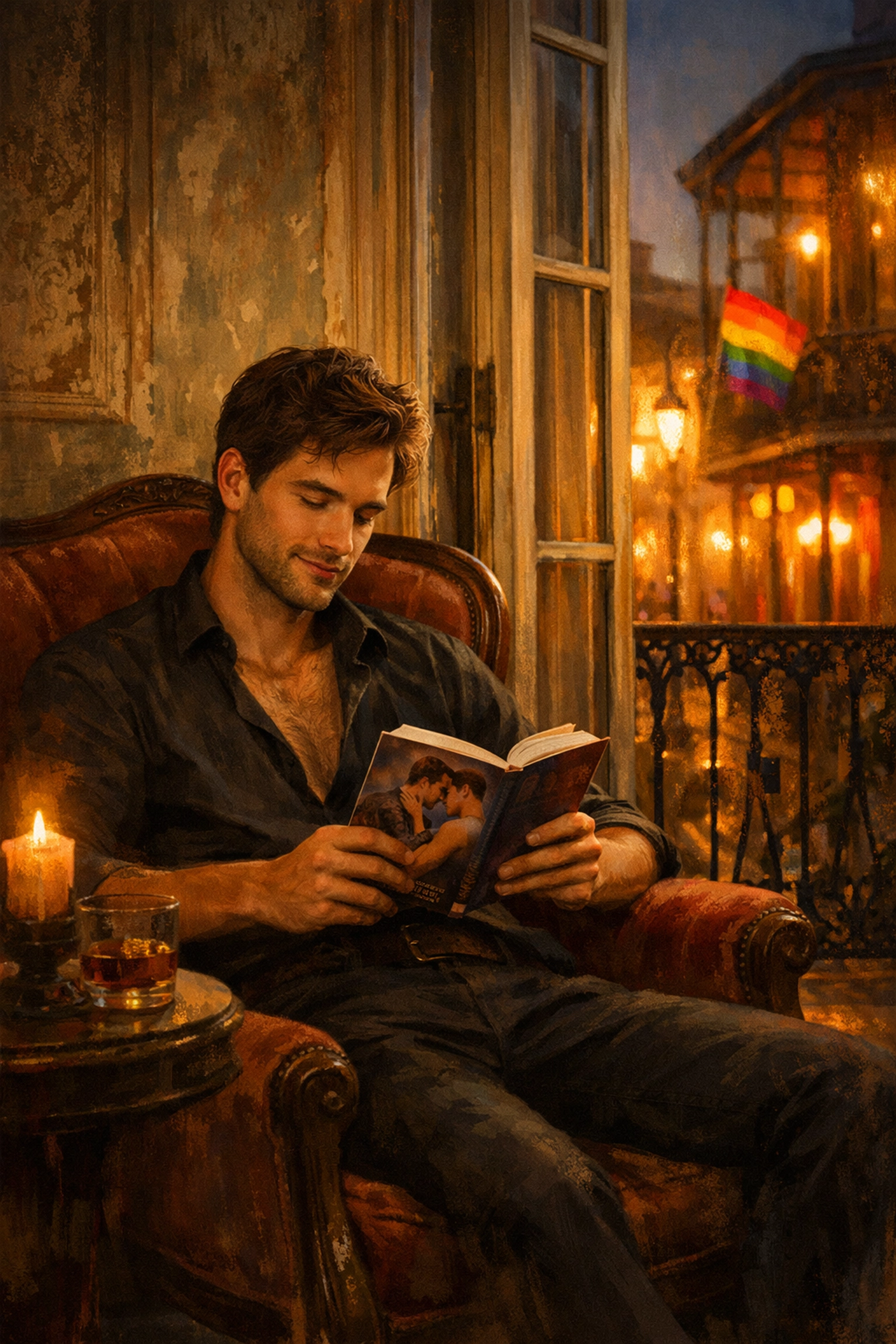
For many in the LGBTQ+ community, New Orleans represents a place where you can be your most "extra" self. It’s why so many gay love stories are set in the Crescent City. There’s something romantic about the crumbling architecture, the flickering gas lamps, and the sense that around any corner, you might find the love of your life: or at least a very good drag show.
Decadence and Literature: A Match Made in Heaven
If you can’t make it to Bourbon Street this year, the next best thing is diving into a book that captures that Southern heat. Whether it's a steamy MM romance set in a haunted New Orleans mansion or heartfelt gay fiction about finding your "chosen family" in the Treme, the spirit of Southern Decadence lives on in our pages.
At Readwithpride.com, we’re committed to bringing you the best in LGBTQ+ fiction. From gay fantasy romance to MM historical romance, we believe our stories are our greatest strength. Southern Decadence started as a story between friends, and look where it is now.
Tips for Your First Southern Decadence
If you're planning to join the festivities, here are a few survival tips:
- Hydrate like it’s your job: New Orleans in August/September is basically a sauna.
- The Costume is Mandatory (Mostly): You don't have to dress up, but why wouldn't you? Embrace the theme!
- Support Local: Visit the historic gay bars like The Bourbon Pub and Oz. These places are the anchors of the community.
- Read Up: Grab some new gay releases for the plane ride or the hotel room. There's nothing better than reading gay romance novels while soaking in the atmosphere of the city.
Final Thoughts
Southern Decadence is more than just a party: it’s a legacy. It’s a reminder that even in the face of adversity, queer people will always find a way to celebrate, to create art, and to look out for one another. From those 15 friends in 1972 to the hundreds of thousands of us today, we continue to walk the streets with pride.
Stay tuned to Read with Pride for more deep dives into LGBTQ+ history, culture, and the best gay books hitting the shelves in 2026.
Keep reading, keep celebrating, and stay decadent!
Join the Conversation:
Follow us for more queer book recommendations and history:
- Facebook: Read with Pride
- Instagram: @read.withpride
- X (Twitter): @Read_With_Pride
#History #SouthernDecadence #LGBTQHistory #NewOrleans #ReadWithPride #MMRomance #GayCulture #GayMardiGras #QueerLiterature

Leave a Reply
You must be logged in to post a comment.