

readwithpride.com
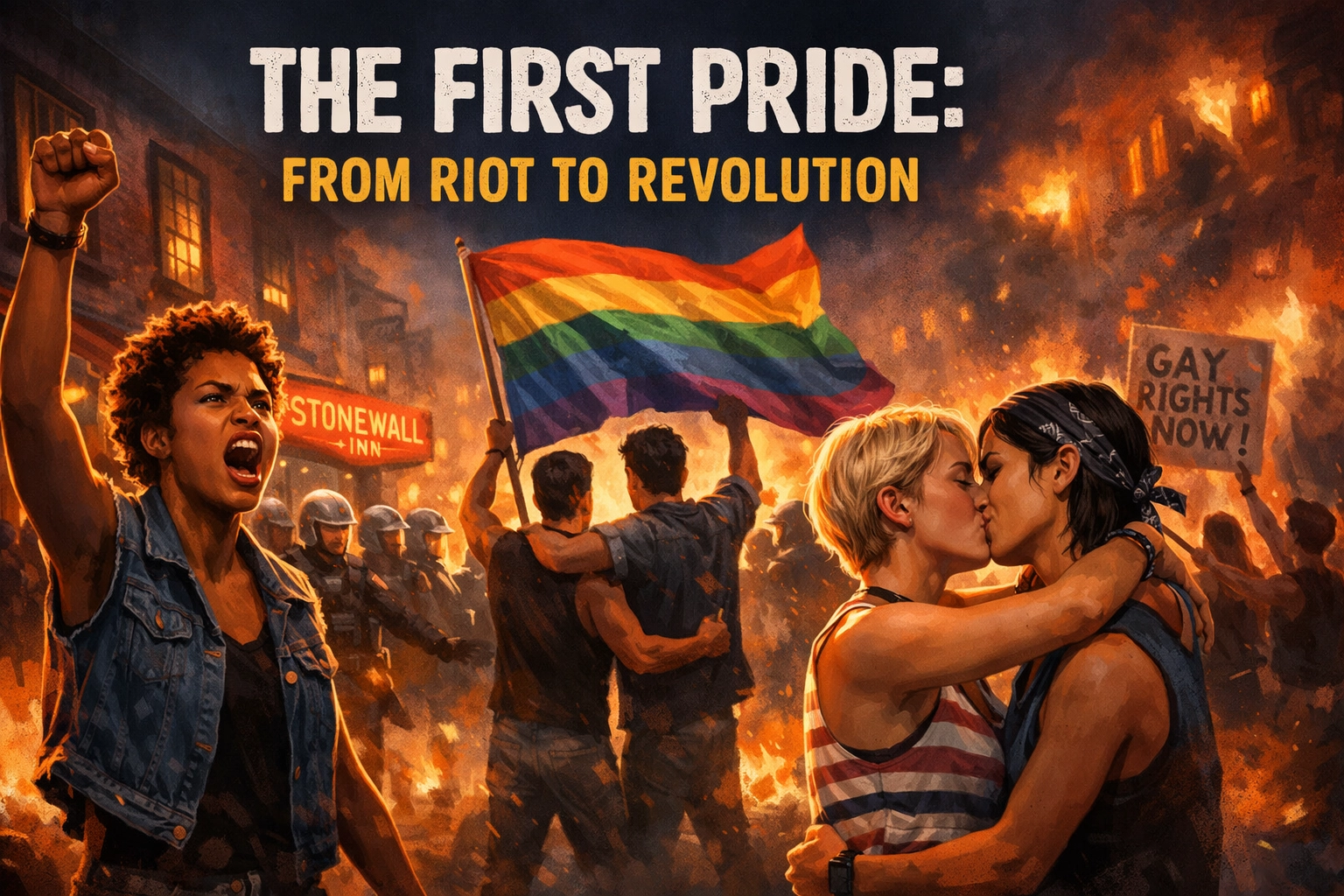
Let’s be real for a second: when we think of Pride today, we usually think of glitter, massive parade floats, high-energy circuit parties, and maybe a few too many overpriced vodka sodas. It’s a celebration, a party, and a beautiful display of "we are here." But if we hop into a time machine and head back to New York City in the late 1960s, the "vibe" was drastically different. We weren’t celebrating; we were surviving.
The transition from the 1969 Stonewall Uprising to the very first Pride march in 1970 wasn’t just a change in the calendar. It was the moment the LGBTQ+ community decided that being "tolerated" wasn't enough. We wanted liberation. At Read with Pride, we love a good story, especially ones involving gay historical romance, but the true story of how we got from a hot, sweaty riot to a global movement is better than any fiction.
The Spark: What Really Happened at Stonewall?
On June 28, 1969, the Stonewall Inn was just another dive bar in Greenwich Village. It was dirty, it was run by the mob, and it was one of the few places where queer people, drag queens, and trans folks could congregate. But back then, being queer was effectively illegal. Police raids were a "normal" part of life. You’d get lined up, checked for "gender-appropriate" clothing (yes, the "three-article rule" was a real, terrifying thing), and hauled off to jail.
But that night, something snapped. Maybe it was the heat, or maybe it was just decades of suppressed rage, but when the police raided Stonewall, the patrons didn't just tuck their heads and walk into the paddy wagons. They fought back.
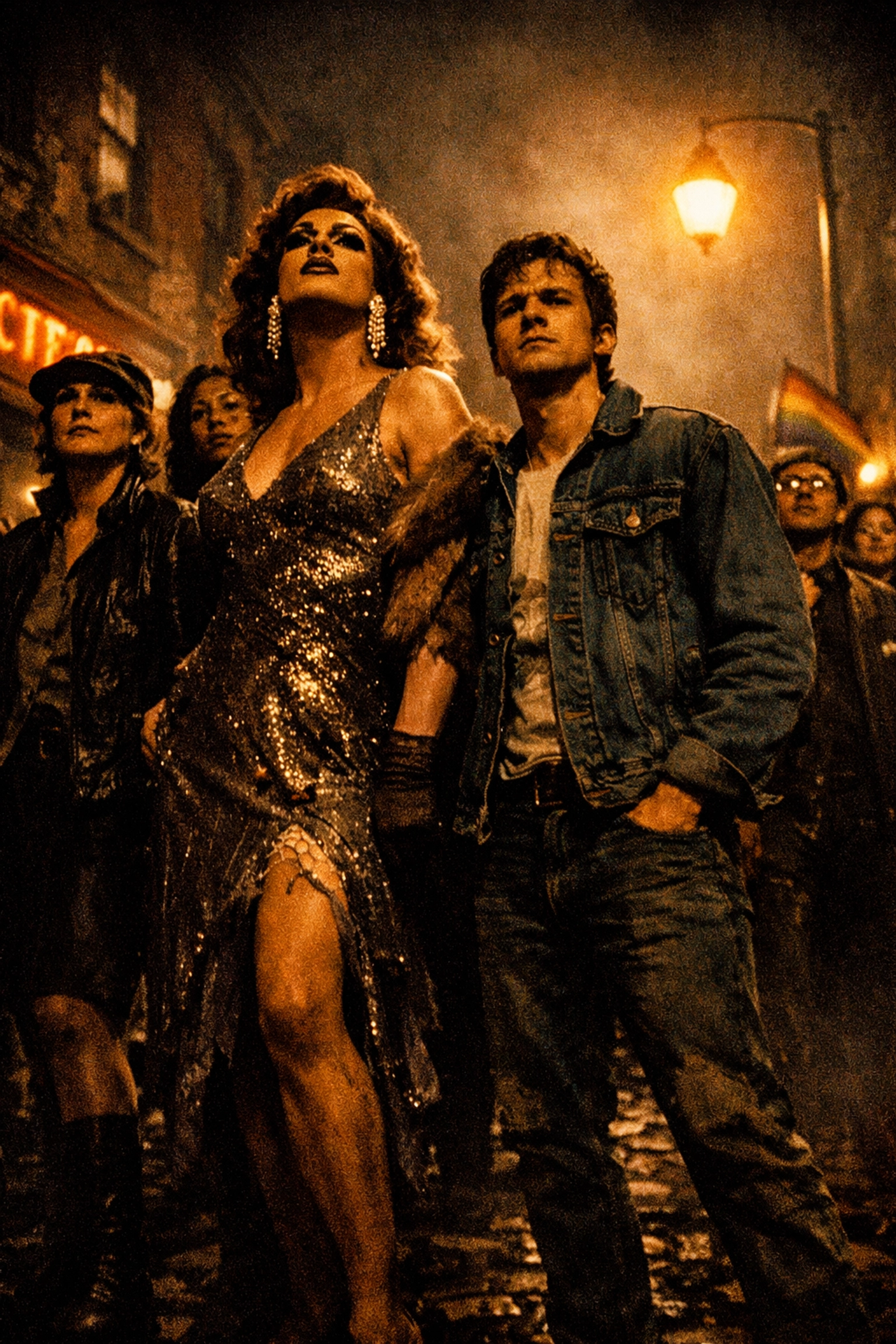
It wasn't just a "riot": it was a six-day uprising. We’re talking pennies thrown at officers (symbolizing the payoff money the police took from the mob), heels clicking against the pavement as people refused to move, and a growing crowd of neighborhood residents joining the fray. This wasn't a polished political statement; it was raw, messy, and absolutely necessary. It was the ultimate enemies to lovers MM romance trope, except the "lovers" part was the community finally falling in love with its own power, and the "enemy" was a system designed to keep us in the shadows.
From Chaos to Community: The Year of Living Dangerously
The days following the riot weren't spent nursing hangovers. Instead, the energy from the streets shifted into the meeting rooms. Before Stonewall, there were "homophile" organizations that tried to gain acceptance by looking "respectable": think suits, ties, and polite picketing. After Stonewall? The gloves were off.
The Gay Liberation Front (GLF) was born almost immediately. They didn't want to ask for a seat at the table; they wanted to flip the table over. They were radical, loud, and unapologetic. Soon after, the Gay Activists Alliance (GAA) formed, focusing on more structured political "zaps." A "zap" was essentially a surprise public confrontation with a politician or public figure to force them to acknowledge queer rights. It was the 1970s version of going viral, and it worked.
This period of history is exactly why we see so much depth in modern queer fiction. When you browse Read with Pride, you’re seeing the legacy of these activists who paved the way for us to even have a "gay book" section. Without their refusal to be quiet, the MM romance books we devour today might still be coded messages hidden in the back of "physique" magazines.
Planning the Impossible: Christopher Street Liberation Day
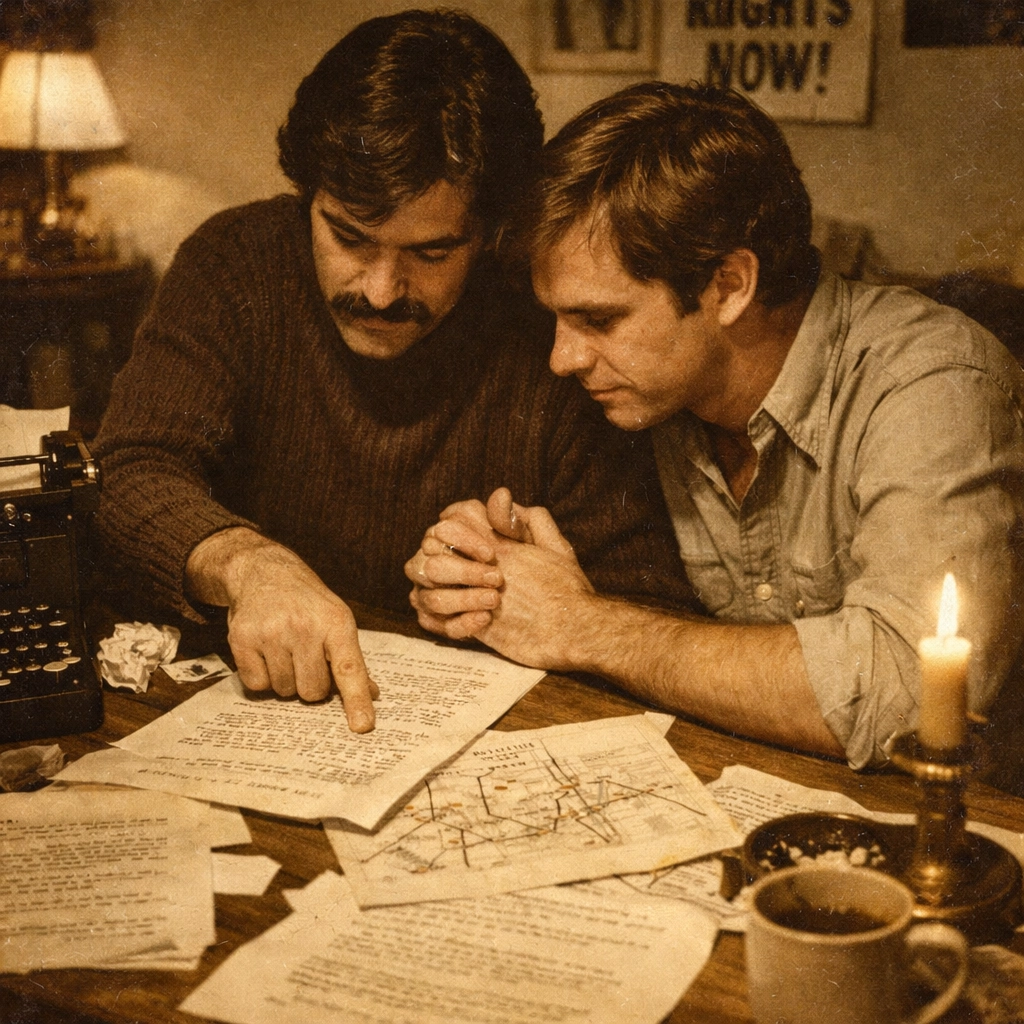
As the one-year anniversary of the riots approached, activists Craig Schoonmaker, Brenda Howard (often called the "Mother of Pride"), and others had a wild idea. They didn't want another riot; they wanted a commemoration. They proposed "Christopher Street Liberation Day."
The goal was simple but terrifying: march from Greenwich Village to Central Park. In 1970, walking down the street as an out gay person was an act of extreme bravery. There were no permits guaranteed to keep them safe, and no corporate sponsors handing out rainbow flags. There was just a group of people who decided they weren't going to hide anymore.
June 28, 1970: The First March
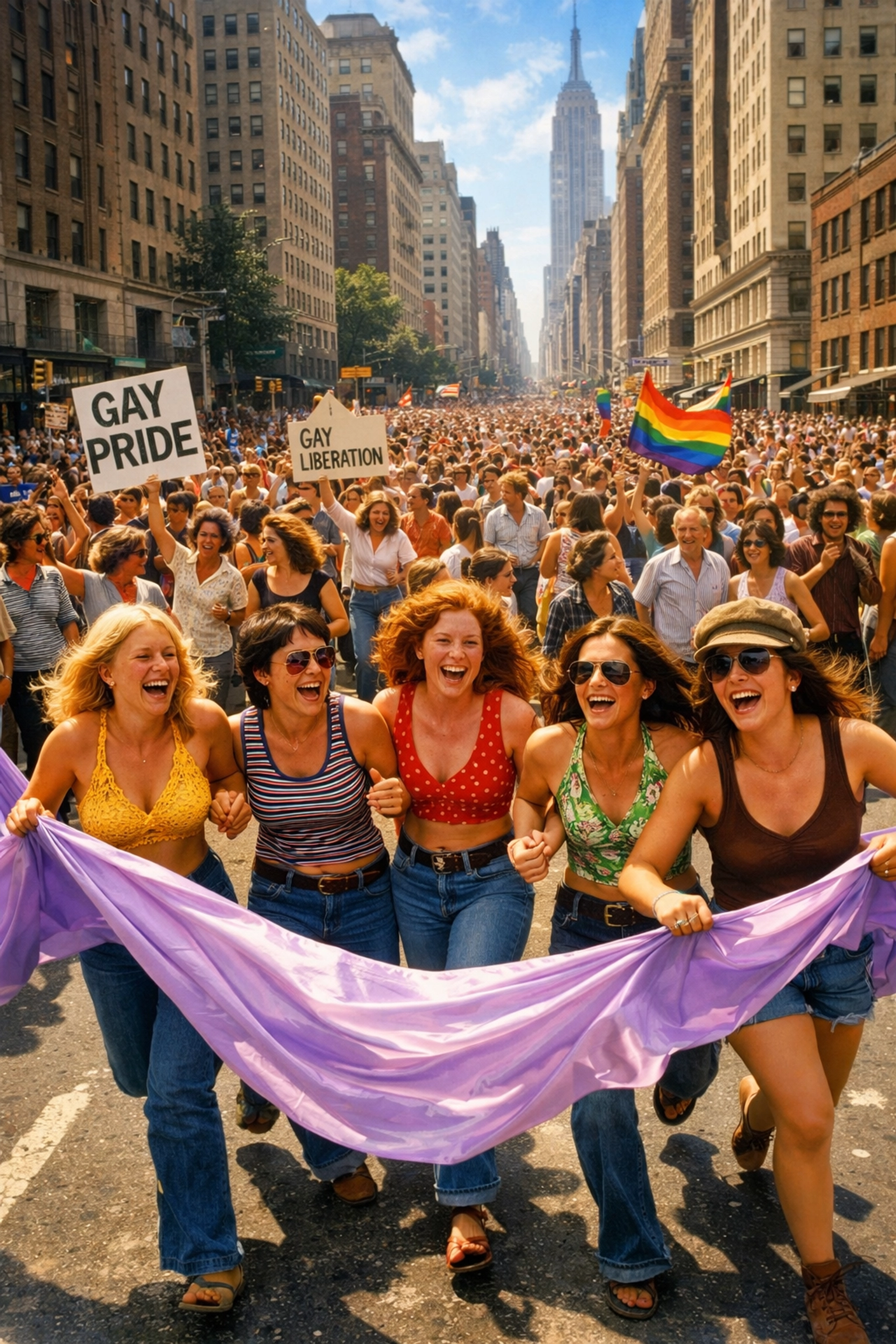
When the morning of the first march arrived, no one knew if ten people would show up or a thousand. There was a palpable sense of fear. Would the police attack again? Would the public throw more than just insults?
The march started with a few hundred people. But as they moved uptown, something magical happened. People joined in from the sidewalks. The chant "Say it loud, gay is proud!" echoed through the concrete canyons of Manhattan. By the time they reached Sheep Meadow in Central Park, the crowd had swelled to thousands.
It wasn't just a march; it was a collective exhale. For the first time, the community saw its own size and strength. This wasn't a localized incident at a bar anymore; it was a movement. This historical shift is a frequent theme in MM historical romance, where characters find their strength through the burgeoning community of the 70s. If you’re looking for stories that capture this era, check out our latest releases.
Why Pride Matters in 2026
Fast forward to today. It’s March 1, 2026, and the landscape for LGBTQ+ people is vastly different, yet the echoes of 1969 remain. We still face challenges, and we still need our stories. At Readwithpride.com, we believe that reading is an act of revolution. Whether you’re into a slow burn romance, a forced proximity thriller, or a heartfelt gay fiction novel, you are participating in a tradition of visibility that started on Christopher Street.
The best MM romance books of 2026 aren’t just about the "happily ever after": though we love those!: they are about the right to exist, to love, and to be seen. When you pick up a book from a queer author, you’re supporting a lineage of storytellers who refused to be erased.
How to Celebrate Your Own Pride Today
You don't have to wait for June to honor the spirit of Stonewall. Here’s how you can keep the revolution going:
- Read Widely: Dive into popular gay books and LGBTQ+ fiction. Understanding our history through literature helps us navigate our future. Check out The Fjords' Hunger for a taste of how genre-bending is changing the game.
- Support Queer Creators: Buy your MM romance books from platforms that prioritize the community.
- Stay Informed: Don't let the "riot" part of Pride be forgotten. The rights we have in 2026 were fought for with blood, sweat, and a lot of glitter.
- Connect: Join a gay book club or follow us on social media to stay connected with other readers who share your passion.
The journey from a police raid to a global celebration is a reminder that change is possible. The first Pride was a demand for space, and every time you share a gay love story or recommend your favorite gay novels, you are holding that space open for the next generation.
If you’re looking for your next obsession, whether it’s a steamy MM romance or an emotional MM book, we’ve got you covered. Explore our product categories and find the story that speaks to your own revolution.
Stay loud, stay proud, and keep reading.
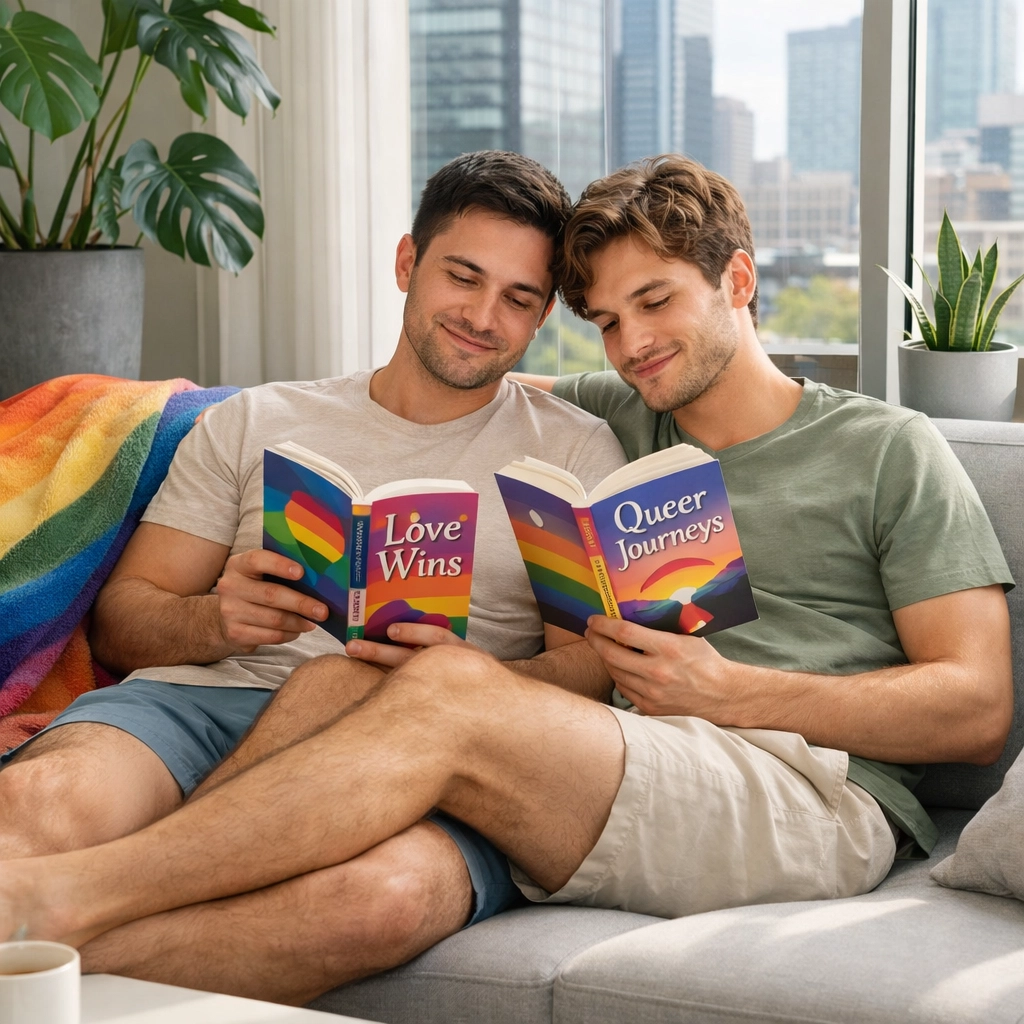
Follow us for more queer history and book recs:
- Facebook: Read with Pride
- X (Twitter): @Read_With_Pride
- Instagram: @read.withpride
Explore more at readwithpride.com.
#History #Stonewall #GayPride #LGBTQPlusBooks #MMRomance #QueerHistory #ReadWithPride #2026GayBooks #GayRomanceNovels #GayFiction #ChristopherStreet #PrideRevolution

Leave a Reply
You must be logged in to post a comment.