

readwithpride.com
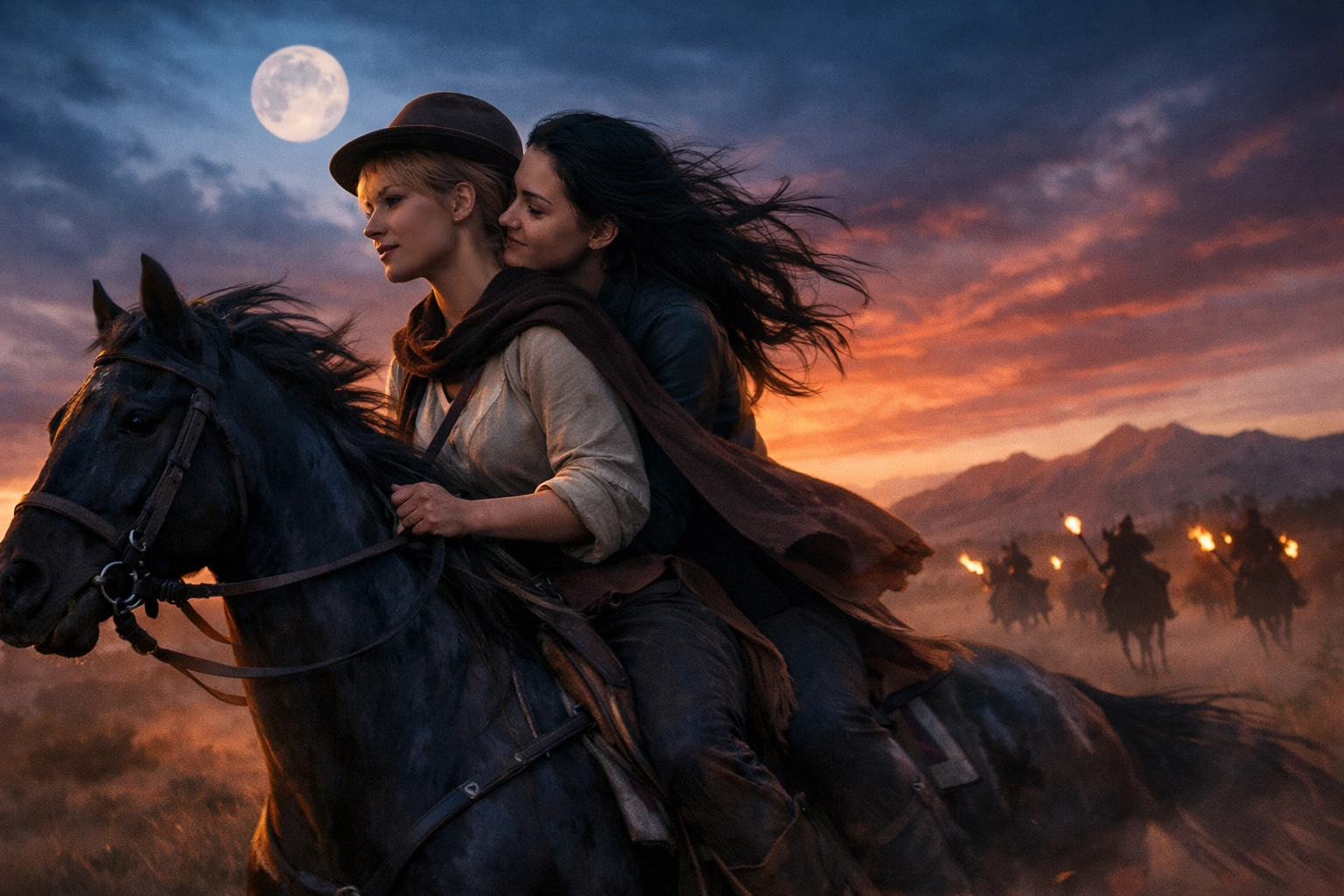
Long before the era of encrypted apps and "disappearing messages," the quest for queer connection required a different kind of horsepower: the literal kind. In a world where your every move was scrutinized by a judgmental village or a prying family, the horse wasn't just a tool for transport; it was the ultimate wingman. It was the vessel that carried you away from the prying eyes of the 19th-century social police and into the arms of someone who truly understood you.
At Read with Pride, we love a good gay historical romance, but the reality for our ancestors was often a high-stakes game of logistics. If you wanted to see your "special friend" who lived two towns over, you couldn't just call an Uber. You saddled up, took the long way through the woods, and hoped the horse didn't lose a shoe.
The Original "Getaway" Car
Imagine it’s 1870. You’re living in a small farming community where everyone knows your business, your baptismal records, and what you had for breakfast. If you’re seen walking toward the neighboring estate too often, tongues start wagging. But a horse? A horse provides an excuse. You’re "checking the fences," "heading to the mill," or "scouting new pasture."
Horses offered a level of mobility that was revolutionary for queer people. They allowed for a "radius of anonymity." Once you were five or ten miles away from home, you were a stranger. You could meet in a secluded grove, a hidden valley, or a quiet stable. For many, the rhythmic gallop wasn't just about speed; it was the sound of heartbeats matching the pace of freedom. In the world of MM romance books, we often see the "riding together" trope, but historically, this was a functional necessity for survival.
The Frontier: Where the Lines Blurred
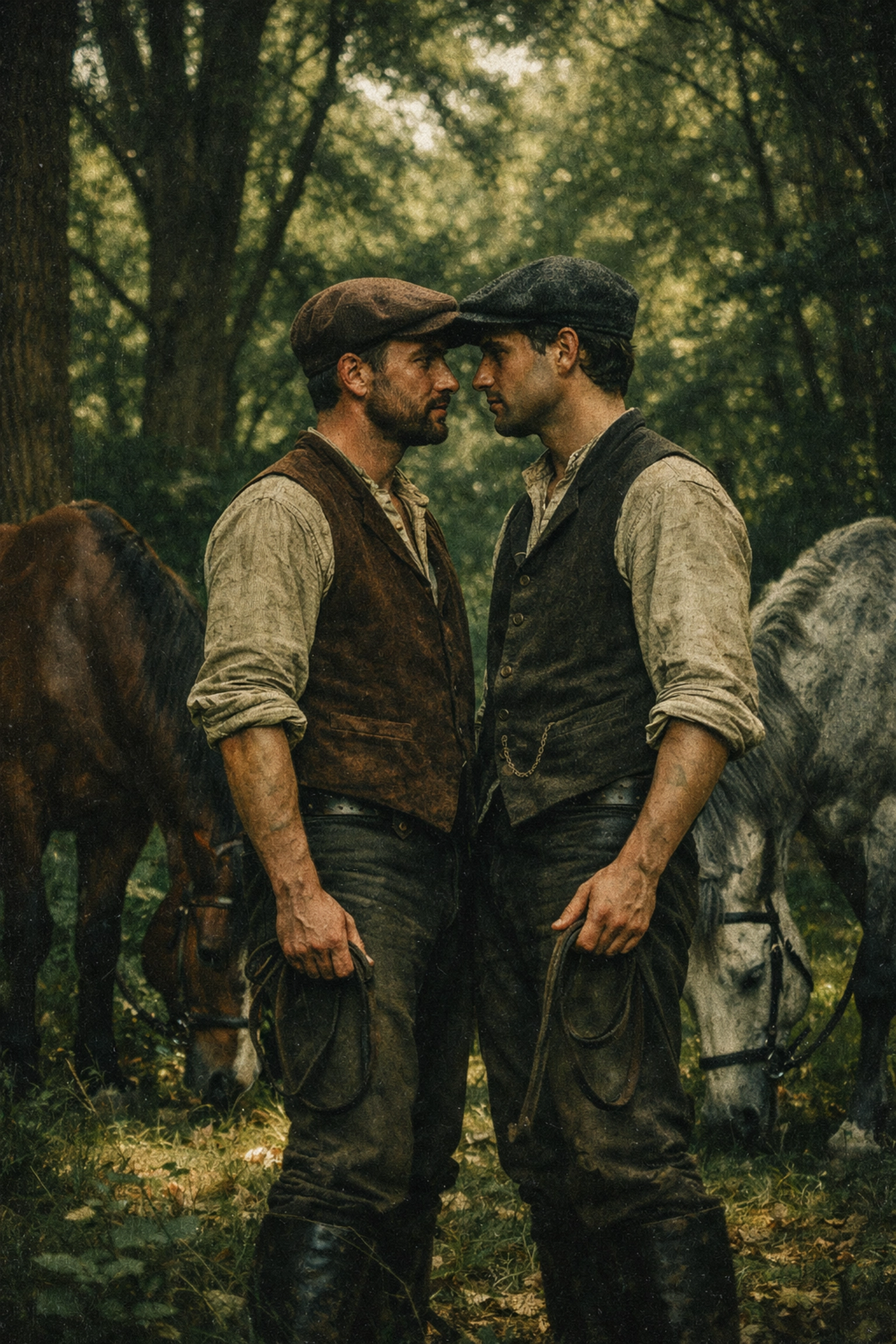
The American West is a staple of gay fiction for a reason. The vastness of the landscape meant that the social structures of the East Coast were stretched thin. Out on the trail, the relationship between a man and his horse: and often, his trail partner: became the center of his world.
Historians have often pointed to the "bachelor" culture of the frontier. While many men were simply there for the gold or the land, many others were there because the frontier offered a life where "don’t ask, don’t tell" was the law of the land. Your horse was your primary companion, but your "riding partner" was often the person you shared a bedroll with under the stars.
The horse facilitated these long-term partnerships. Transporting goods, herding cattle, or simply moving from camp to camp required two people who trusted each other implicitly. In many gay love stories set in this era, the horse acts as a silent witness to the intimacy that grew in the spaces between the towns.
The Stable: A Sanctuary for the "Different"
It’s not just about the travel; it’s about the culture surrounding the animals. Throughout history, the world of horses: stables, blacksmiths, and racing: has often been a place where gender norms were slightly more flexible.
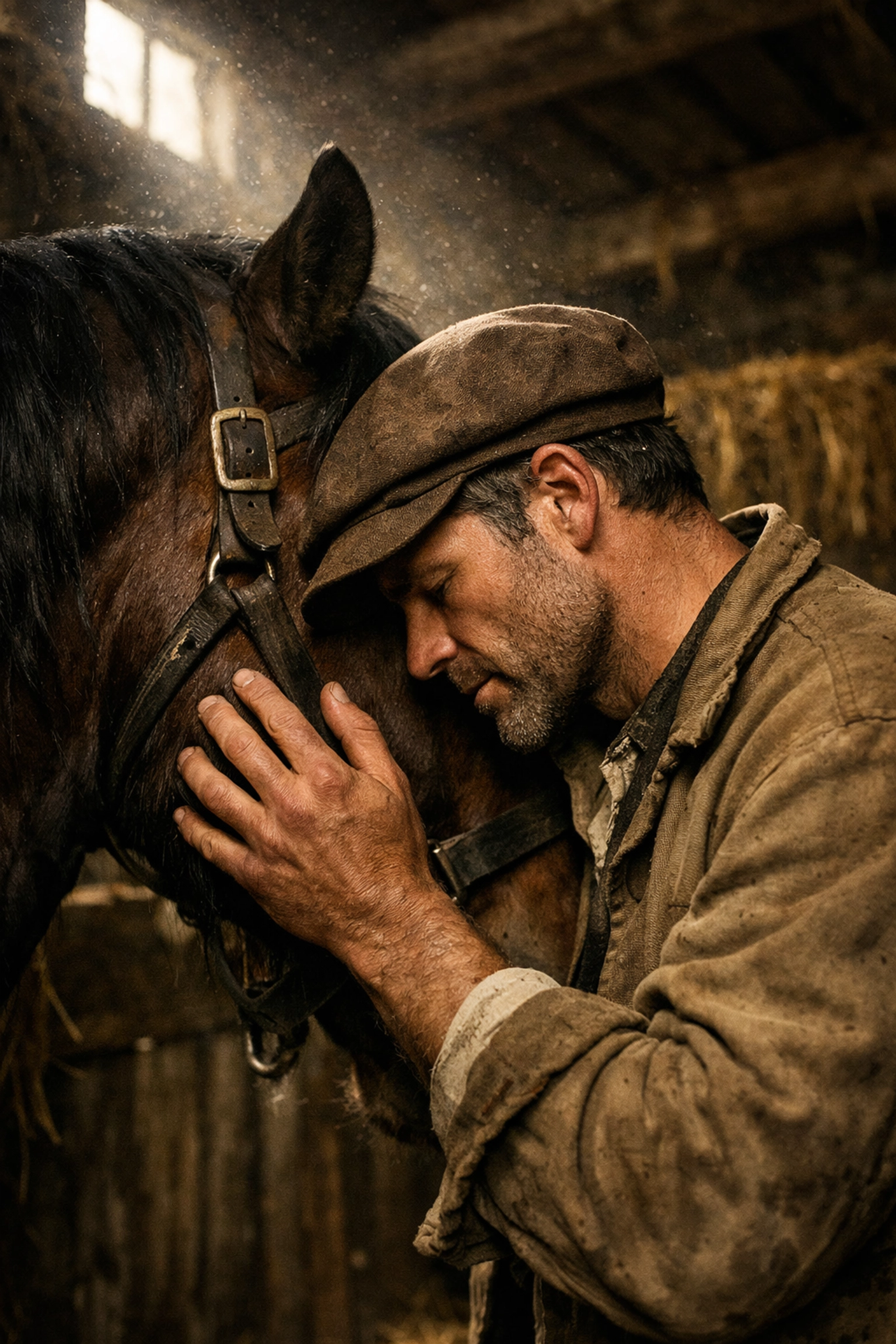
For people who didn't fit the standard mold of "ladylike" or "gentlemanly," the tactile, dirty, and physically demanding work of horse care offered a refuge. There are countless historical accounts of "passing" individuals: those assigned female at birth who lived their lives as men: finding employment as stable hands or teamsters. The heavy coats, the boots, and the grime of the stable provided a perfect cover.
In these spaces, LGBTQ+ fiction finds its roots. The stable wasn't just a place to keep a horse; it was a place where you could wear trousers, throw a saddle, and maybe find a fellow traveler who saw through the disguise and loved you for it anyway.
Coded Gallops and Secret Meetings
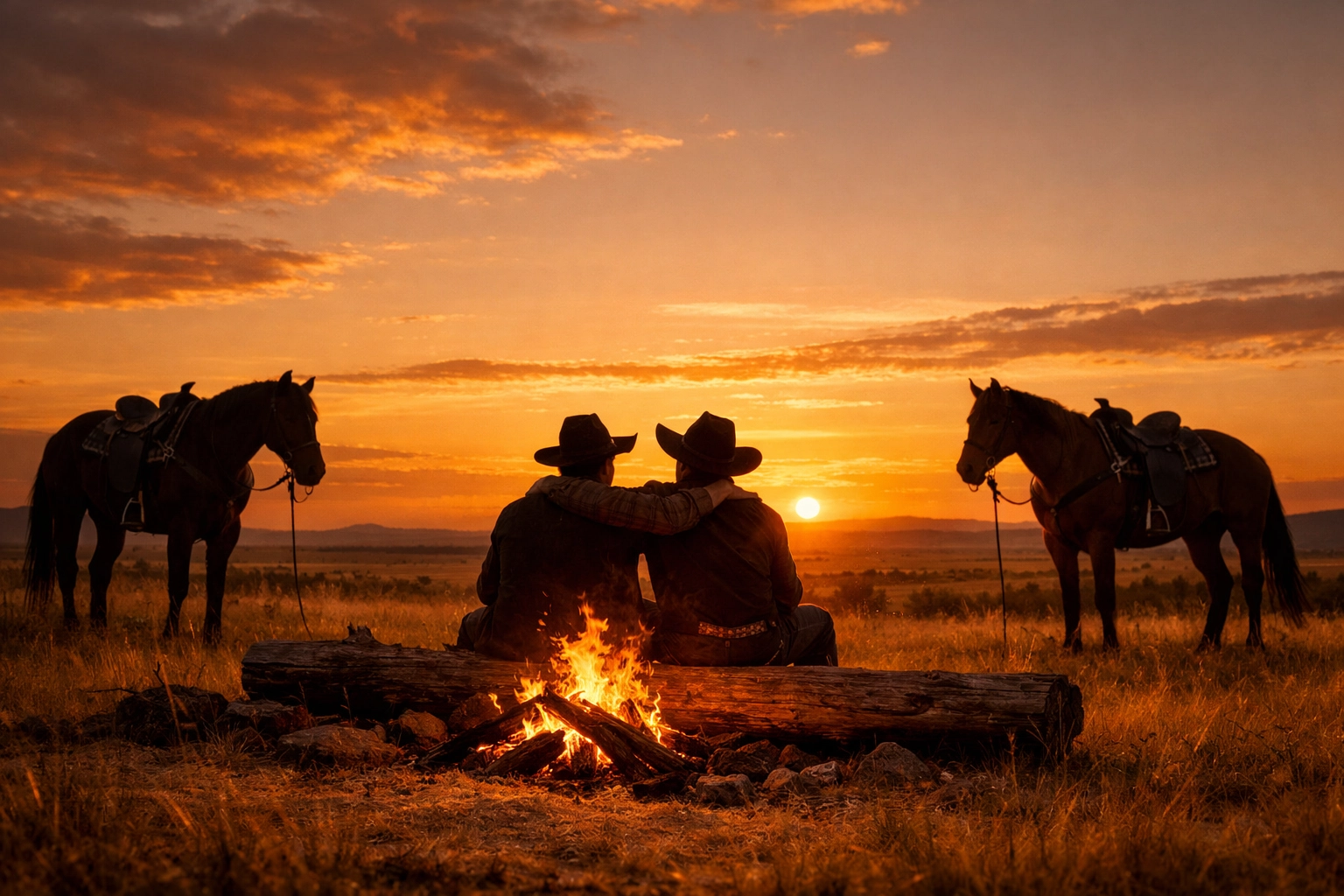
In Victorian England, the "afternoon ride" was a social staple. For the queer elite, it was the perfect cover for a rendezvous. Two "gentlemen" riding together in the park or through the countryside was perfectly acceptable. They could talk privately, away from the ears of servants and family members.
We see this frequently in MM historical romance. The carriage ride or the horseback excursion is used as a plot device to get the leads alone. In reality, these moments were precious. The horse allowed for a physical distance from society that was otherwise impossible. You could ride to a ruined abbey or a quiet creek, tie the horses to a tree, and for a few hours, the world of "forbidden" ceased to exist.
Why We Still Love the Trope in 2026
Fast forward to today, and the "horseback escape" remains one of the most popular tropes in gay romance novels. Why? Because it represents a return to nature and a stripping away of modern complications. When a character in an MM contemporary novel goes back to their family ranch and finds love with the rugged stable hand, we’re tapping into that ancestral yearning for a space where we can just be.
Whether it’s a gay fantasy romance involving mythical steeds or a gritty gay adventure romance set in the Australian outback, the horse remains a symbol of agency. It represents the power to move, to change one's circumstances, and to seek out love in the furthest corners of the map.
Finding Your Own Escape
At Read with Pride, we believe that every story is a journey. Whether you’re looking for a heartfelt gay fiction story about a modern-day equestrian or a steamy MM romance set in the Regency era, we have the books that will take you where you want to go.
History wasn't just lived in parlors and ballrooms; it was lived on the trails, in the haylofts, and in the quiet moments between the clatter of hooves. The horse was the engine of queer history, carrying our community toward a future where we no longer have to hide in the woods.
If you’re looking for your next great read, check out our latest collections of popular gay books and new gay releases for 2026. From MM historical romance to the best gay thriller novels, we’ve got your back (and your bookshelves).
Join the Conversation
What's your favorite trope involving horses in gay fiction? Is it the "sharing a horse" moment, or the "running away together" climax? Let us know on our socials!
- Visit us: readwithpride.com
- Follow us on Facebook: Read with Pride Facebook
- Catch us on X: @Read_With_Pride
- See the aesthetic on Instagram: @read.withpride
Explore more of our world:
#History #GayHistory #MMRomance #GayHistoricalRomance #ReadWithPride #QueerStories #LGBTQBooks #HorsebackEscape #ForbiddenLove #2026GayBooks

Leave a Reply
You must be logged in to post a comment.