

readwithpride.com
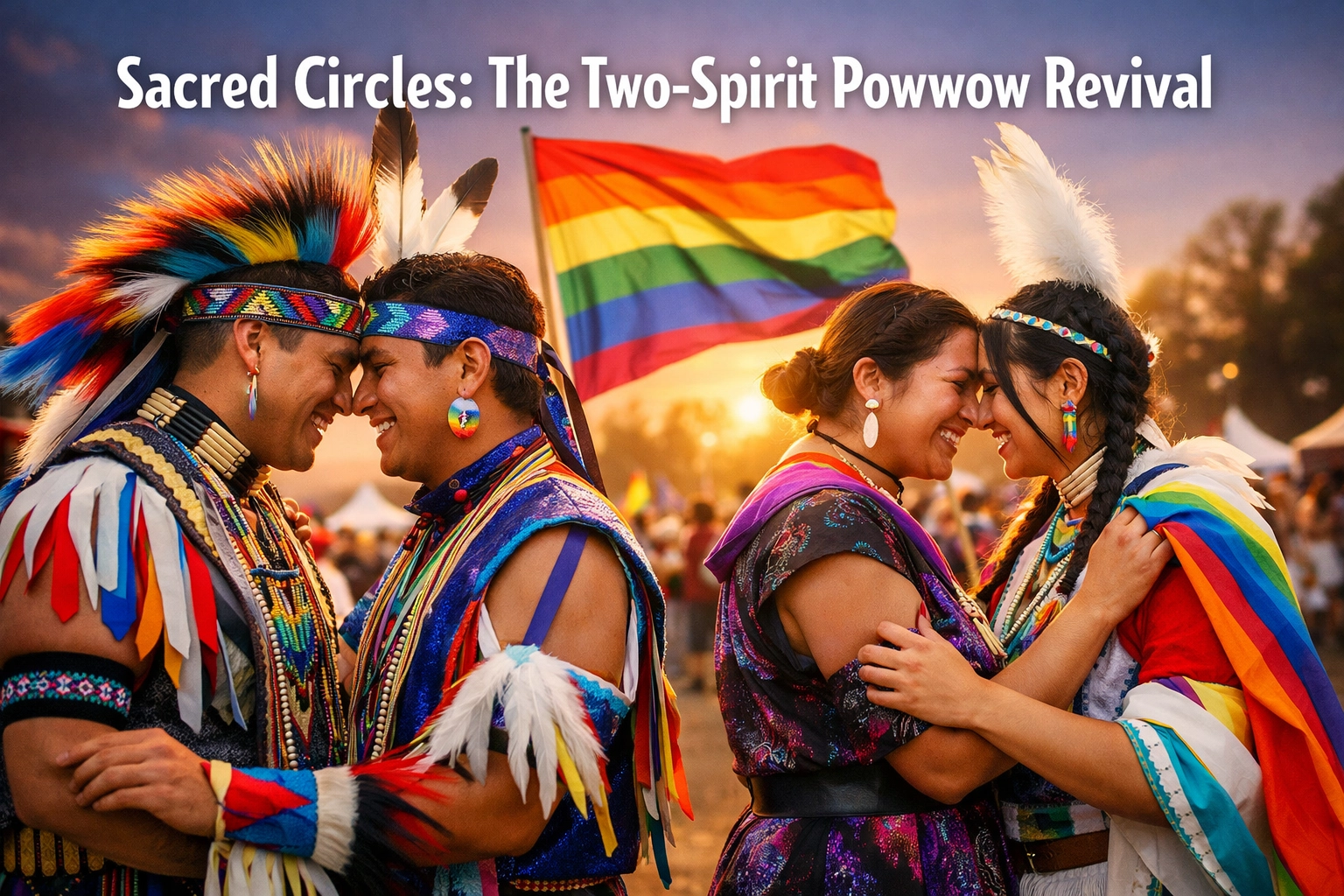
The rhythm of the drum isn't just a sound; it’s a heartbeat. If you’ve ever stood at the edge of a dance circle, you know that vibration that travels from the soles of your feet straight up to your chest. But for a long time, for many Indigenous LGBTQ+ folks, that circle felt like it had a "Members Only" sign that didn't quite include them.
Fast forward to 2026, and the landscape of queer Indigenous identity is undergoing a beautiful, loud, and rhythmic transformation. The Two-Spirit Powwow Revival is more than just a weekend of feathers and frybread: it’s a massive middle finger to colonial erasure and a warm embrace for those who have spent decades looking for a place to call home. At Read with Pride, we believe that every story matters, and the stories coming out of the Two-Spirit community are some of the most vital, vibrant, and transformative in the world of queer fiction today.
What Does "Two-Spirit" Actually Mean?
Before we dive into the glitter and the grass dance, let’s do a quick terminology check. "Two-Spirit" is a modern pan-Indigenous term, coined in 1990 at a third annual intertribal Native American/First Nations gay and lesbian conference in Winnipeg. It was created to reclaim ancient identities that existed long before European settlers showed up with their very narrow, very rigid ideas about gender and who you’re allowed to kiss.
In many Indigenous cultures, individuals who carried both masculine and feminine spirits were seen as gifted, often holding roles as healers, name-givers, or mediators. They weren't just "tolerated": they were essential. Then came colonization, and well, we know how that story goes. But you can’t bury a spirit forever. The revival we’re seeing now is about digging up those roots and letting them bloom.
The Birth of a New Tradition: The BAAITS Impact
The revival didn't happen by accident. It took work, sweat, and a lot of brave souls standing their ground. One of the biggest catalysts has been the Bay Area American Indian Two Spirits (BAAITS) Powwow. What started as a small gathering has exploded into a massive annual event that draws thousands.
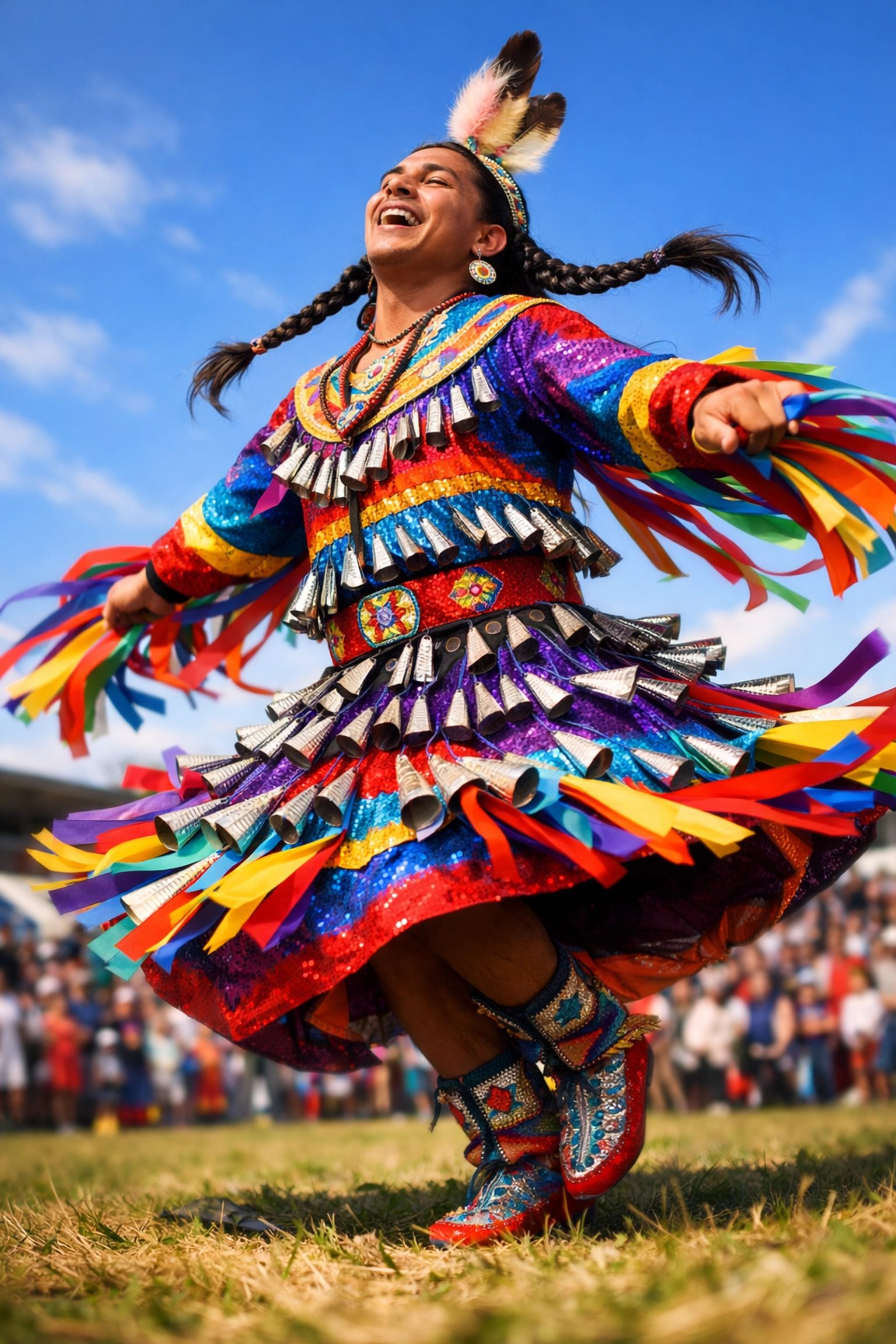
Why is this a big deal? Because in traditional competitive powwows, roles are often strictly gendered. Men dance the Grass Dance or the Fancy War Dance; women dance the Jingle Dress or the Fancy Shawl. But at a Two-Spirit Powwow? You dance the spirit that moves you. If a person assigned male at birth feels the calling of the Jingle Dress: a healing dance: they dance it. No side-eyes, no whispers, just the community showing up to support the medicine of the dance.
This movement sparked a chain reaction. From the first Two-Spirit powwow in New York City during Pride weekend in 1991 to the massive gatherings we see in 2026, these "Sacred Circles" are healing the generational trauma of being told that being queer and being Indigenous are mutually exclusive. Spoiler alert: they aren’t.
From the Circle to the Page: Authenticity in MM Romance
As a publisher and a hub for LGBTQ+ ebooks, we’ve noticed a massive shift in how readers consume MM romance books. People are tired of the "cardboard cutout" characters. They want depth. They want the messy, beautiful reality of intersectional identities.
For a long time, Indigenous characters in gay romance novels were often relegated to the "mystical shaman" trope or the "tragic outcast." But the Two-Spirit revival is changing the narrative in queer literature. We are seeing a surge in MM historical romance and MM contemporary stories written by Indigenous authors who actually know the difference between a regalia and a "costume."
Authentic representation means showing a character who is navigating the complexities of their tribal heritage while also trying to figure out if the hot guy at the local coffee shop is flirting or just being nice. It’s about the slow burn of a relationship built on shared cultural understanding. It’s about the forced proximity of two rivals having to organize a community event together.
If you’re a writer looking to dive into these themes, check out our guide on 7 mistakes you’re making with LGBTQ+ character development to make sure you're honoring the culture rather than appropriating it.
Why We Love the "Two-Spirit" Trope (Done Right)
In the world of popular gay books, we love a good trope. But when we apply these to Two-Spirit characters, they take on a whole new layer of meaning:
- Found Family: Many Two-Spirit folks have had to build their own families. In MM romance, the "found family" trope hits harder when it’s set against the backdrop of a community reclaiming its traditions.
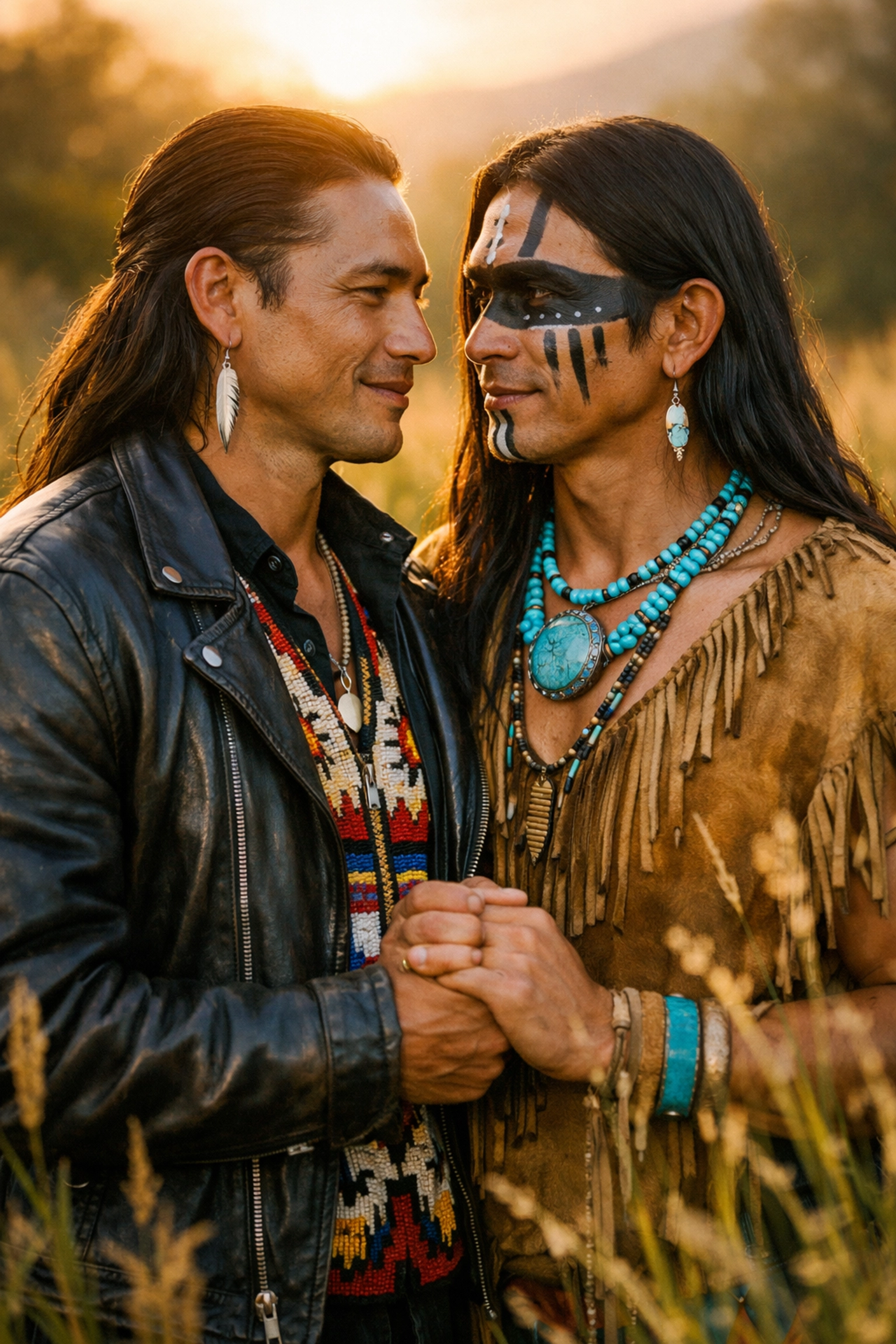
- Coming Home: This is a huge theme in 2026 gay books. A character returns to their reservation after years away, feeling "not Indigenous enough" and "too queer." Watching them find their place in the sacred circle is pure emotional gold.
- Forbidden Love? Not Quite: The twist here is often that the "forbidden" part doesn't come from the culture’s ancient roots, but from the colonial influence. Unlearning that shame together makes for some of the most heartfelt gay fiction you’ll ever read.
The Power of Genre-Bending
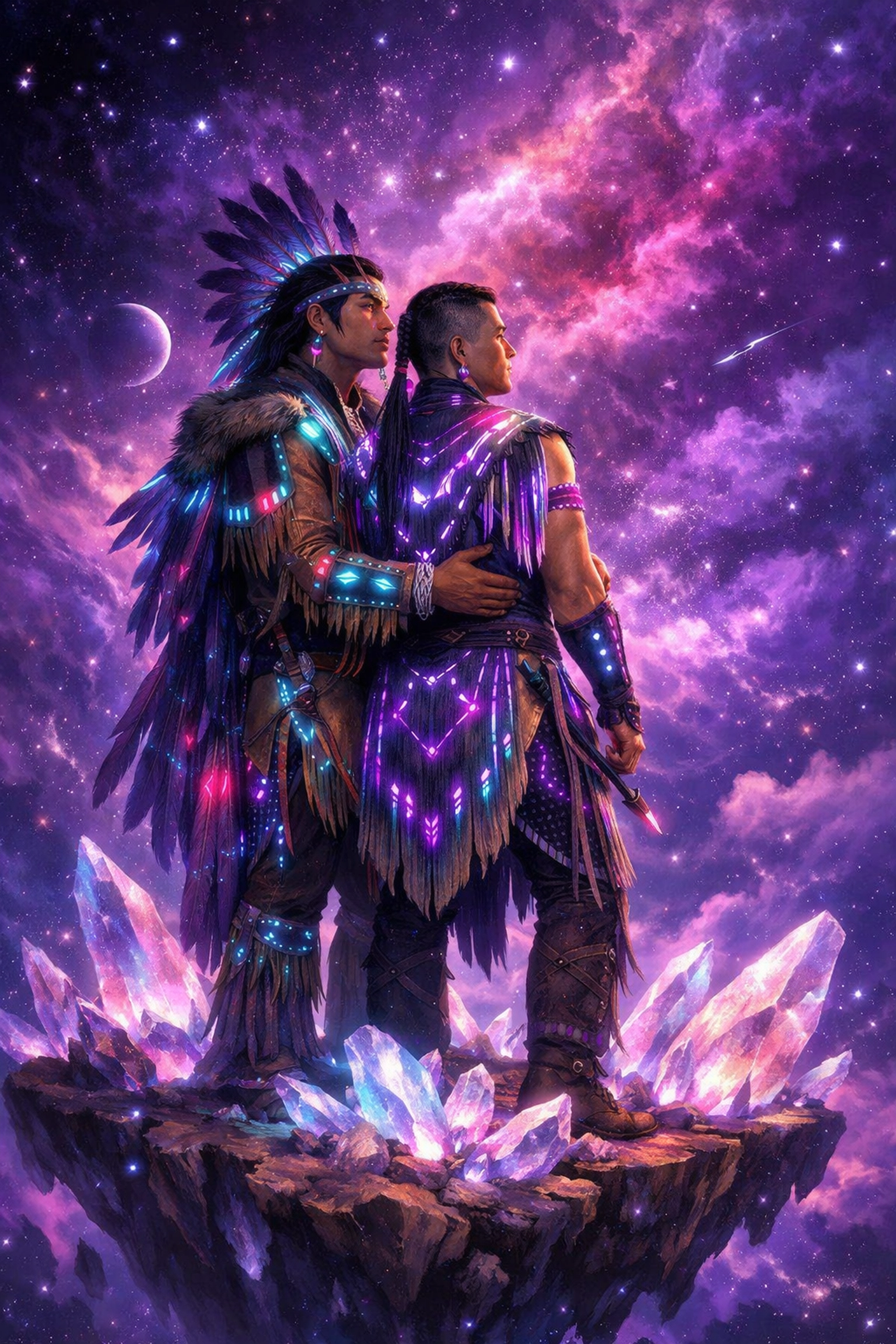
The Two-Spirit experience doesn't just fit into contemporary romance. We’re seeing a massive rise in gay fantasy romance and MM fantasy that draws on Indigenous cosmologies. Think of it as "Indigiqueer Futurism." These stories imagine worlds where gender is fluid and magic is tied to the balance of spirits.
This is part of a larger trend in the industry. As we discussed in our recent post on why genre-bending MM romance is reshaping queer literature, breaking these boundaries allows for more authentic storytelling. It’s not just about "being gay"; it’s about how your entire identity: culture, history, and spirituality: informs who you love and how you live.
Supporting the Movement in 2026
So, how can you engage with the Two-Spirit Powwow Revival, whether you’re a reader, a writer, or an ally?
- Read Indigenous Authors: Look for queer authors and MM authors who identify as Two-Spirit or Indigiqueer. Your support of their gay eBooks helps ensure these stories keep being told.
- Attend (Respectfully): If there is a Two-Spirit Powwow in your area, they are often open to the public. Go, eat some food, buy from the vendors, and watch the dances. Just remember: it’s a sacred ceremony, not a petting zoo. Follow the protocol, don’t take photos without permission, and enjoy the energy.
- Educate Yourself: Move beyond the stereotypes. The "Two-Spirit" identity is diverse and varies from tribe to tribe. There is no one-size-fits-all experience.
Final Thoughts: The Circle Never Ends
The revival of the Two-Spirit Powwow is a reminder that culture is a living, breathing thing. It’s not a museum exhibit; it’s the guy in the beaded vest dancing his heart out to a song his ancestors sang, updated with a beat that resonates in 2026.
At Readwithpride.com, we are honored to be a small part of this ecosystem by providing a platform for LGBTQ+ fiction that celebrates these intersections. Whether you’re looking for a steamy MM romance set on a modern reservation or an award-winning gay fiction novel about the history of the movement, the stories are out there, waiting to be read.
Let’s keep the circle moving. Let’s keep reading with pride.
Check out more of our latest releases and community stories:
- Follow us on Facebook
- Join the conversation on X
- See the beauty on Instagram
- Explore our full sitemap
#TwoSpirit #Indigiqueer #MMRomance #QueerLiterature #ReadWithPride #LGBTQBooks #IndigenousPride #GayRomance2026 #TwoSpiritPowwow #Intersectionality #MMFiction #GayAuthors #DecolonizeLove

Leave a Reply
You must be logged in to post a comment.