

readwithpride.com
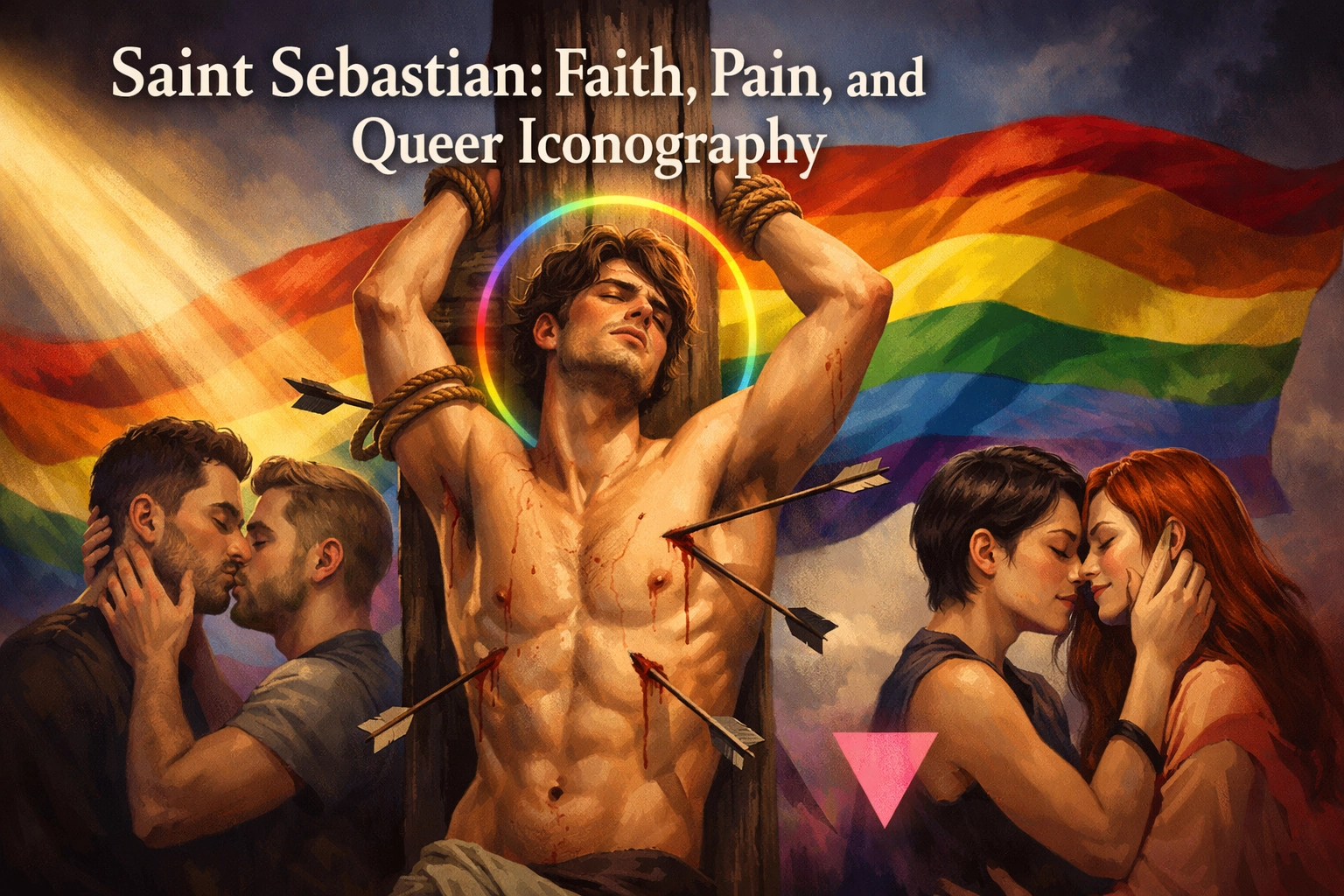
If you’ve ever wandered through a classical art museum, scrolled through a particularly moody Pinterest board, or spent way too much time in the "hurt/comfort" tag on Archive of Our Own, you’ve met Saint Sebastian. He’s usually tied to a tree, looking slightly more "ethereal" than someone being pelted with arrows probably should, and he’s been a cornerstone of queer culture for centuries.
But how did a 3rd-century Roman martyr become the ultimate poster boy for the LGBTQ+ community? At Read with Pride, we’re obsessed with the intersection of history, art, and the stories we tell today. Whether you’re looking for MM romance books that feature that classic "suffering but make it fashion" vibe or you’re diving into gay historical romance, Sebastian is the blueprint.
The Martyr with a Renaissance Glow-Up
Historically, Sebastian was a captain of the Praetorian Guard under the Roman Emperor Diocletian. He was a secret Christian who was eventually outed and sentenced to be shot to death by archers. Plot twist: he didn't die the first time. He was rescued and nursed back to health by Saint Irene, only to go back and confront the Emperor again, where he was finally beaten to death.
In early Medieval art, Sebastian was depicted as an older, bearded man: fairly standard "holy guy" vibes. But then the Renaissance happened, and the artists got thirsty.
By the 15th and 16th centuries, painters like Botticelli, Perugino, and most famously, Guido Reni, transformed him. Suddenly, Sebastian wasn't just a martyr; he was a lithe, beautiful young man with perfect abs and a loincloth that was doing a lot of heavy lifting. This shift toward "ephebic beauty" turned a religious figure into an object of intense visual desire. He wasn't just a saint; he was the original queer icon.

The "Closet" Parallel: Hidden Identities and Public Pain
The reason Saint Sebastian resonates so deeply within the LGBTQ+ community: and why his image often pops up in discussions about gay literature: isn't just because he’s nice to look at. His story is a literal metaphor for the closet.
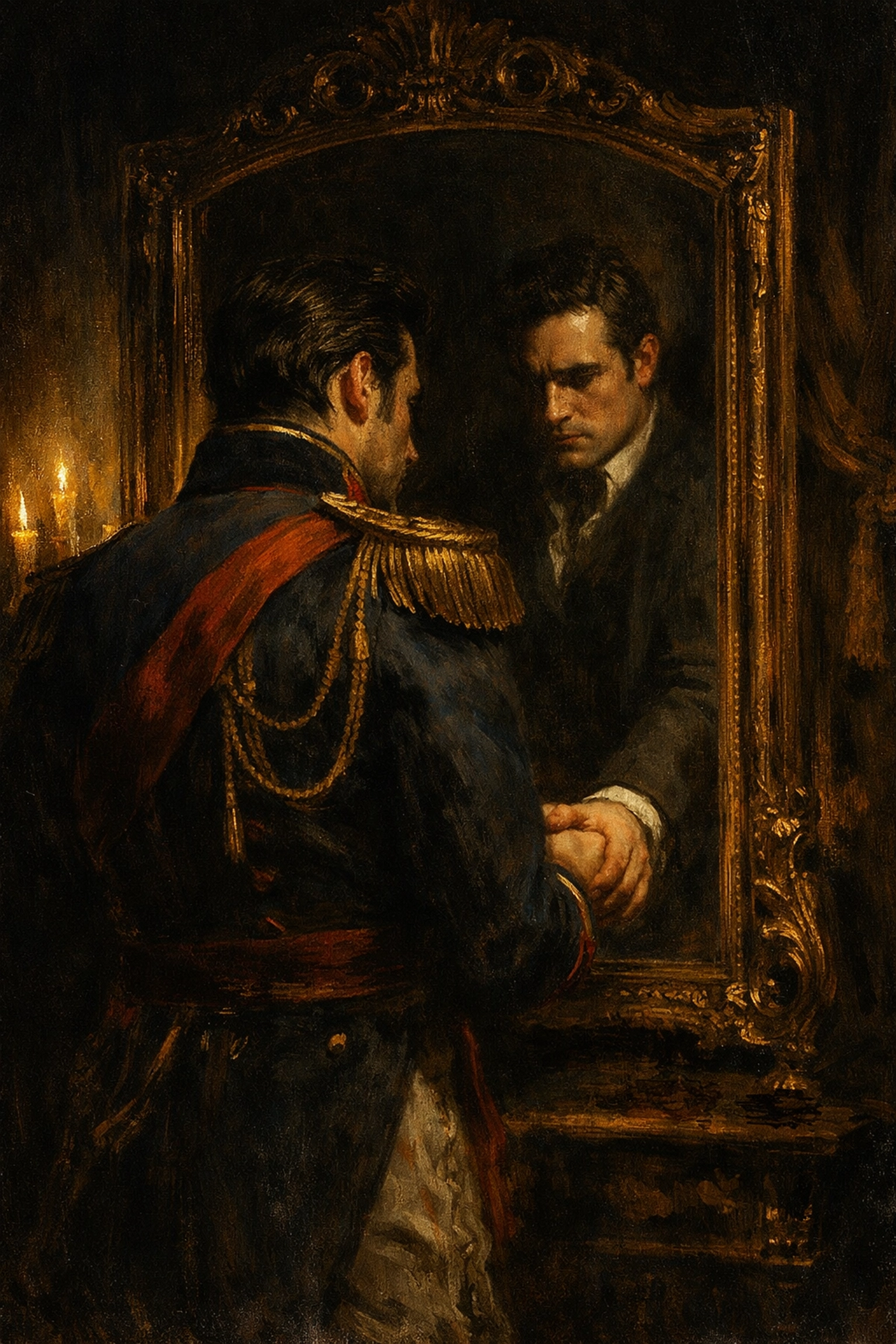
Sebastian lived a double life. He was a high-ranking soldier in an army that would have killed him if they knew who he truly was. When he was "outed" as a Christian, he was subjected to public shaming and physical torture. For many queer people throughout history, this narrative of a hidden identity leading to persecution is all too familiar.
As Susan Sontag famously noted, Sebastian doesn’t scream in pain in these paintings. He looks upward with a gaze that is "caught between torment and transcendence." It’s an expression of endurance. For centuries, gay men saw their own internal struggle: the pain of being hidden and the beauty of their private truth: reflected in Sebastian’s marble-smooth skin and the arrows that pierced him.
Pain and Beauty: The Slow Burn MM Romance Aesthetic
If you’ve been browsing the Read with Pride shop, you know that the "pain and beauty" aesthetic is a major pillar of MM romance books.
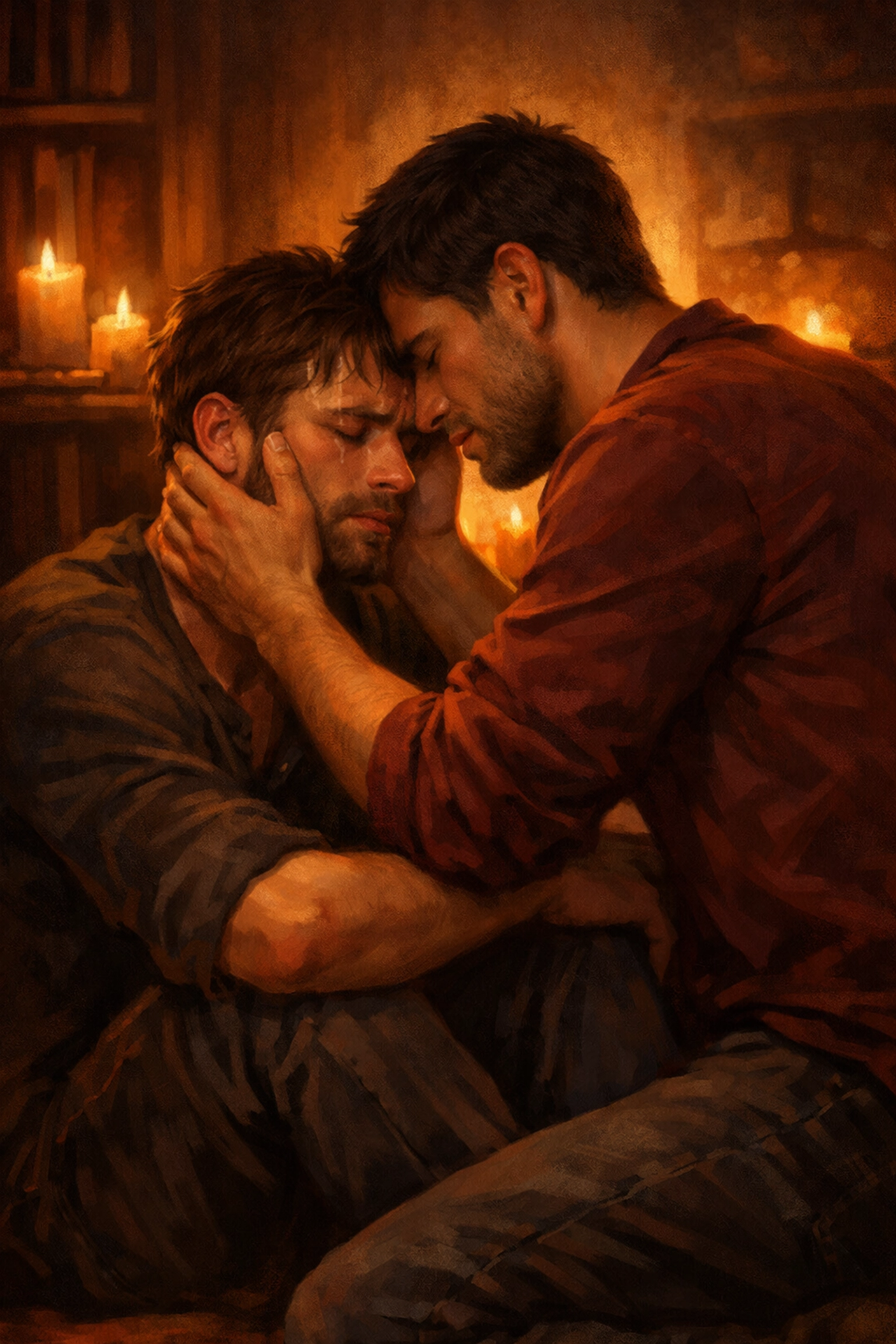
In the world of slow burn MM romance, we live for the characters who carry internal wounds. There is something deeply moving about a hero who is "pierced" by his circumstances: whether that’s a tragic past, a hidden secret, or unrequited love: but remains beautiful in his resilience. This is the heart of the "hurt/comfort" trope. We want to see our protagonists at their most vulnerable so that the eventual "healing" (the comfort) feels earned.
The imagery of Saint Sebastian has influenced modern gay novels more than you might think. Authors of MM historical romance often use this "St. Sebastian pose" metaphorically. Think of the soldier who can’t admit his feelings, the noble who is being "shot down" by society’s expectations, or the spy who thrives on the edge of danger.
In 2026 gay books, we’re seeing a resurgence of this "Dark Academia" and "Gothic Romance" vibe where the aesthetic of the "exemplary sufferer" is front and center. It’s about finding the sublime in the struggle.
Why We Still Care in 2026
You might ask: "It’s 2026, why are we still talking about a guy from the 300s?"
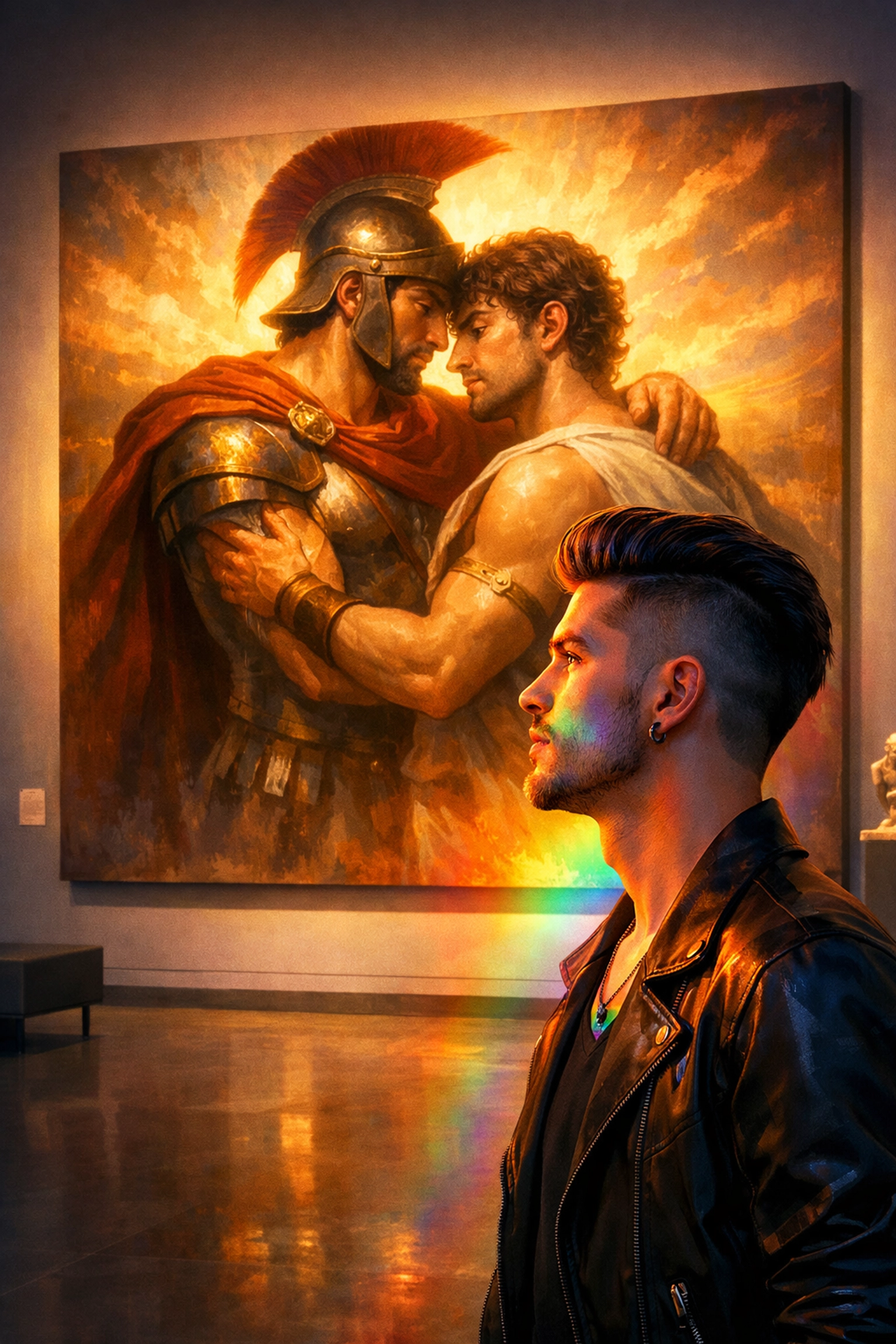
Because representation matters, even when it’s 1,700 years old. Before we had popular gay books or LGBTQ+ Kindle books available at the click of a button, queer people had to find themselves in the margins of history and the shadows of cathedrals. Saint Sebastian provided a visual language for gay desire and suffering when no other language was allowed.
Today, he remains a symbol of the "beautiful struggle." We see his influence in everything from high fashion to the "anguished hero" trope in gay fantasy romance. When we read a gay thriller or a gay psychological thriller, we are looking for that same tension Sebastian embodies: the danger of being seen versus the agony of staying hidden.
Top Tropes Inspired by the Sebastian Aesthetic
If you love the vibe of Saint Sebastian, here are a few tropes you should look for in your next MM romance book recommendation:
- Hurt/Comfort: The bread and butter of Sebastian-inspired storytelling. One character is wounded (physically or emotionally), and the other provides the "St. Irene" role of nursing them back to health.
- Slow Burn: The lingering gaze, the unspoken pain, and the tension that builds over hundreds of pages.
- Secret Identity/Closeted Roles: Characters who, like Sebastian, must hide their true selves to survive in high-stakes environments (military, royalty, corporate).
- Enemies to Lovers: The "arrows" are the barbs they throw at each other before they realize they’re actually on the same side.
Finding Your Own "Transcendence" in Literature
At Readwithpride.com, we believe every story is a chance to see yourself reflected. Whether you’re into steamy MM romance or heartfelt gay fiction, the themes of faith, pain, and the eventual triumph of the spirit are universal.
Saint Sebastian survived the arrows because he was stronger than his persecutors. In a way, that’s the ultimate "Happy Ever After." He chose his truth over his safety, and while it cost him, it also made him immortal. That’s the kind of bravery we love to celebrate in our gay love stories.
If you’re ready to dive into some new gay releases that capture that same intensity, check out our latest curated lists. From gay spy romance that hits those "hidden identity" notes to MM contemporary stories about finding beauty in the breakdown, we’ve got your 2026 reading list covered.
Join the Conversation
What do you think of Saint Sebastian’s status as a gay icon? Does the "pain and beauty" aesthetic work for you in your MM fiction, or do you prefer your heroes a little less… perforated?
Stay connected with us for more deep dives into queer history, art, and the best gay book recommendations. Follow our journey and share your favorite reads with the community!
- Facebook: Read with Pride on Facebook
- X (Twitter): @Read_With_Pride
- Instagram: @read.withpride
Explore our full library of LGBTQ+ ebooks and discover your next obsession at readwithpride.com. Whether it's gay historical romance or a gay adventure romance, we publish the stories that make your heart race.
#ReadWithPride #MMRomance #GayIcon #SaintSebastian #QueerHistory #GayBooks2026 #LGBTQFiction #SlowBurn #HurtComfort #GayLiterature #QueerIconography


Leave a Reply
You must be logged in to post a comment.