

readwithpride.com
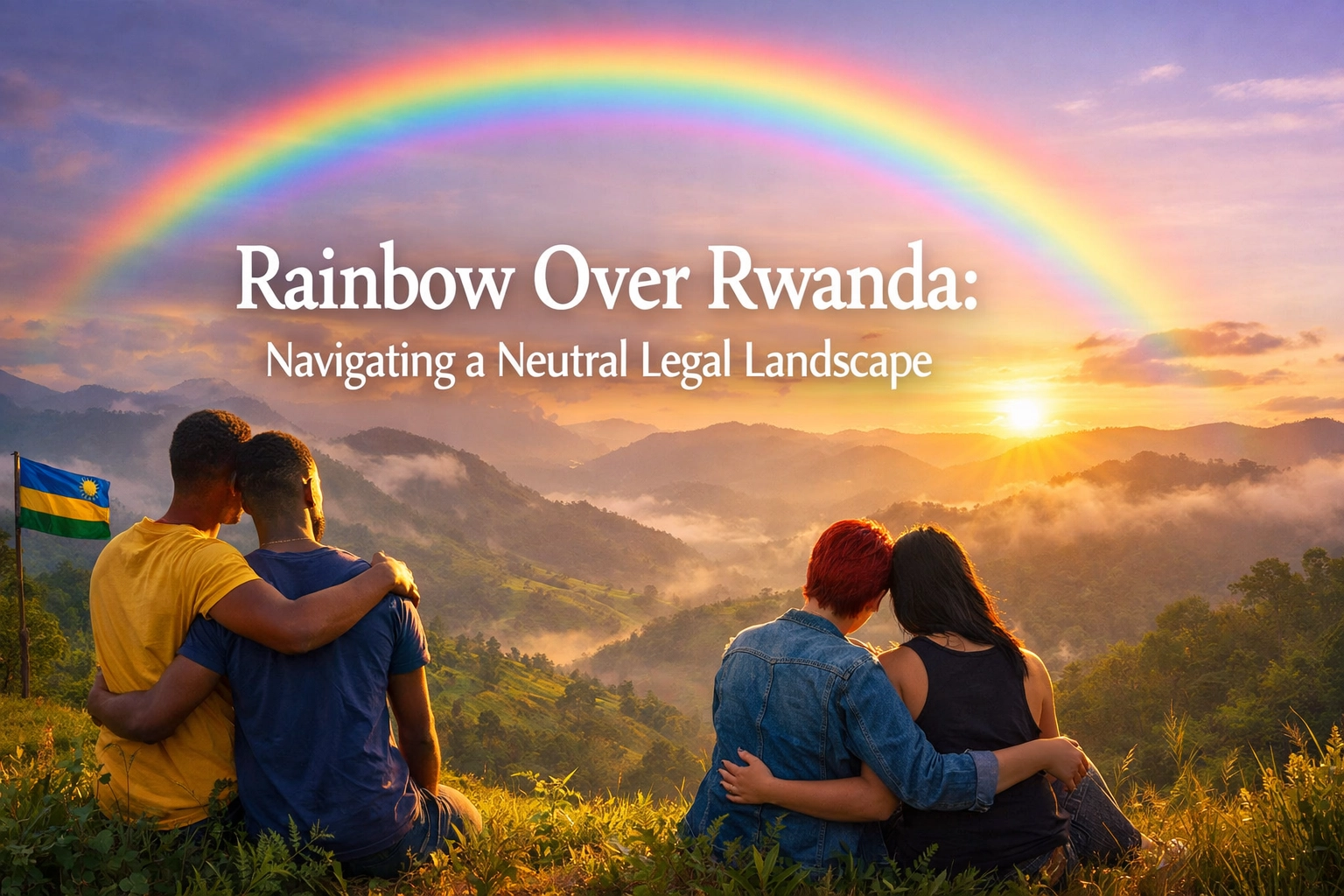
When we talk about queer life in Africa, the headlines are often dominated by the heavy stuff: the harsh laws in Uganda or the landmark court rulings in Botswana. But nestled in the heart of the continent is Rwanda, a country that often leaves activists and observers scratching their heads. It’s a place of breathtaking beauty, often called the "Land of a Thousand Hills," but for the LGBTQ+ community, those hills can feel like high walls. At Read with Pride, we’re all about uncovering the stories that don't always make the front page, especially when they involve the complex, lived realities of our global family.
Rwanda occupies a unique, almost paradoxical space. Unlike many of its neighbors, Rwanda has no laws that criminalize same-sex acts. You read that right. In a region where colonial-era "sodomy" laws are still being fought over, Rwanda chose a different path. But before we start packing our bags for a queer retreat in Kigali, we need to look at the fine print. Legal neutrality doesn’t always equal social acceptance. It’s a vibe that's very much "don't ask, don't tell," making the lives of queer Rwandans a delicate dance of visibility and discretion.
A Look Back: Sexuality in Pre-Colonial Africa
To understand where Rwanda is now, we have to look at the "before." There’s a common misconception that homosexuality is a "Western import" to the African continent. Honestly, that’s one of the biggest myths we deal with in gay literature and history. If you dive into the archives of gay historical romance, you’ll find that pre-colonial African societies often had much more fluid understandings of gender and desire than the ones imposed by European settlers.
In many traditional African cultures, same-sex relationships and gender-nonconforming roles were documented and integrated into the social fabric. Whether it was the Mughwe in Kenya or the woman-to-woman marriages in various West African cultures, the rigid binary we see today is largely a remnant of Victorian-era morality exported via colonialism. Rwanda’s own history is complex, but the move toward criminalization in other parts of the continent was a direct result of these imported legal codes. Rwanda’s refusal to adopt these specific anti-gay laws in recent decades is actually a fascinating return to a form of legal sovereignty, even if the social landscape hasn’t quite caught up yet.
The Legal Loophole: Neither Protected Nor Persecuted
In 2009, there was a moment of high tension. A proposal was floated in the Rwandan parliament to criminalize homosexuality. While neighboring countries were doubling down on "morality" policing, the Rwandan government eventually rejected the move. Since then, the legal landscape has remained "neutral."
In the world of MM romance books, we often love the "forced proximity" trope: characters stuck together who have to figure things out. In Rwanda, the LGBTQ+ community and a conservative society are in a state of permanent forced proximity. There are no laws to put you in jail for who you love, but there are also no laws to protect you from being fired, evicted, or harassed because of it. It’s a "gray area" that requires a massive amount of resilience.
For those of us who devour gay contemporary romance, we’re used to stories where the conflict is a misunderstanding or a protective older brother. In Rwanda, the conflict is often the silence. Being "out" isn't a single moment; it's a constant negotiation of safety.
The Social Reality: Faith, Culture, and the "Quiet" Life
Rwanda is a deeply religious and conservative society. The influence of the church cannot be overstated. Even without a legal stick to beat people with, social stigma remains a powerful tool of exclusion. Many queer Rwandans describe their lives as being lived in the shadows: not out of a desire for secrecy, but as a survival mechanism.
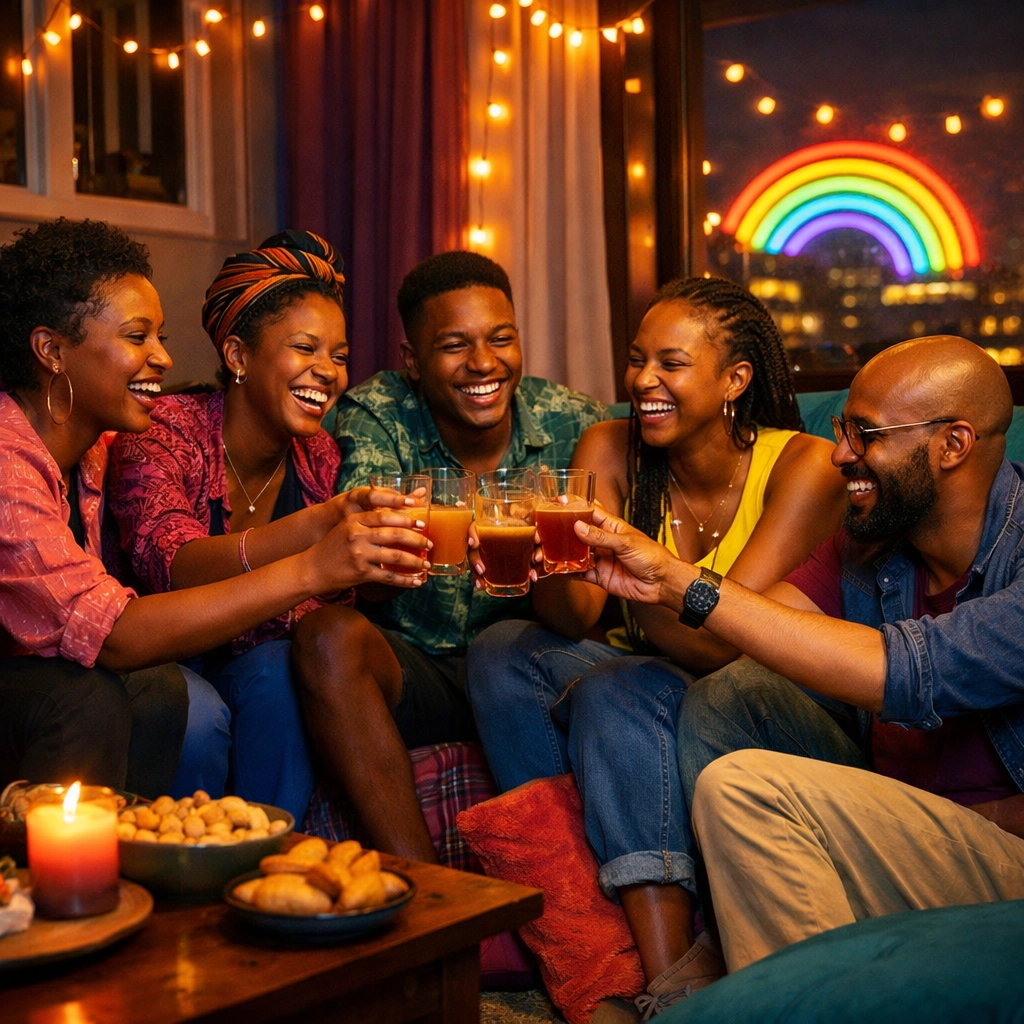
However, the tea is starting to brew. A younger generation, connected by the internet and a global queer culture, is starting to push the boundaries. From secret house parties in Kigali to private WhatsApp groups, the community is building its own "found family": one of our favorite MM romance tropes. They are creating spaces where they can be authentically themselves, even if the "Rainbow Over Rwanda" is still more of a glimmer than a full-blown arch.
Literature as a Lifeline: Why Representation Matters
At Readwithpride.com, we believe that stories save lives. When you’re living in a country where your identity is "legal but invisible," seeing yourself in queer fiction is a radical act of validation.
We see a growing demand for African gay novels and M/M books that reflect the specific nuances of the continent. It’s not just about the struggle; it’s about the joy, the "slow burn" of a first love under a Kigali sunset, and the "secret identity" of a professional navigating a corporate world by day and a queer community by night.
If you’re looking for your next read, check out our blog-category-sitemap to find stories that transcend borders. Whether it's MM fantasy or a gay thriller, the themes of searching for belonging are universal.
The Tropes of Rwandan Queer Life
If Rwanda’s queer scene were a book in our store, it would definitely feature these tropes:
- Slow Burn: Progress is happening, but it’s moving at a glacial, cautious pace.
- Forbidden Love: Not by law, but by tradition and family expectations.
- Hidden Identity: The necessity of code-switching between different parts of society.
- Found Family: The tight-knit bonds formed within the community to replace or supplement biological families.
Looking Ahead to 2026 and Beyond
As we move through 2026, the conversation around LGBTQ+ rights in Rwanda continues to evolve. While it’s unlikely we’ll see marriage equality in the immediate future, the lack of criminalization provides a tiny crack in the door for activists to advocate for broader human rights and health access.
The global community’s role is to support these local voices without imposing a "one-size-fits-all" Western narrative. Every culture has its own rhythm, its own history, and its own path to pride.
Join the Conversation
The journey toward equality is a long one, and Rwanda is a testament to how complicated that path can be. By supporting queer authors and reading LGBTQ+ fiction, you’re helping to keep these narratives alive and visible.
Are you ready to dive into more stories? Check out our latest 2026 gay books and the best MM romance collections on our product page. Don't forget to follow us on social media to stay updated on new releases and global queer news!
- Facebook: Read with Pride on FB
- Twitter/X: @Read_With_Pride
- Instagram: @read.withpride
Rwanda might be a neutral legal landscape for now, but the hearts and minds of its people are anything but static. Here’s to the brave souls navigating the hills, and to the stories that give them the strength to keep climbing. 🌈✨
#ReadWithPride #LGBTQRwanda #MMRomance #GayBooks2026 #QueerHistory #AfricanLGBTQ #GayFiction #LoveIsLove #KigaliPride #FoundFamily
Visit us for more at readwithpride.com.

Leave a Reply
You must be logged in to post a comment.