

readwithpride.com
Let’s talk about a myth that’s been floating around for way too long. You’ve probably heard some politicians or "traditionalists" claim that being queer is a "Western import" to the African continent. They’ll tell you that before colonizers showed up, everything was strictly heteronormative.
Well, honey, history has receipts, and those receipts are buried deep in the gold mines of South Africa.
At Read with Pride, we’re obsessed with uncovering the stories that have been tucked away in the "hidden" sections of history books. Today, we’re diving into the fascinating, complex, and deeply human world of "mine marriages" and the "boy-wives" of the Witwatersrand. This isn't just a dry history lesson; it’s a look at how love, protection, and intimacy have always found a way, even in the harshest conditions.
If you’re a fan of historical MM romance novels, you’re going to find this real-life history just as gripping as any fiction.
The All-Male World of the Compounds
To understand the "boy-wife" system, we have to look at the environment that created it. In the late 19th and early 20th centuries, South Africa’s gold and diamond mines were the engine of the economy. But they were also a social pressure cooker.
Thousands of men from across Southern Africa, Mozambique, Lesotho, Zimbabwe, and rural South Africa, were recruited to work in the mines. They were stripped from their families and shoved into massive, all-male labor compounds. Women weren’t allowed. The colonial authorities wanted a cheap, controlled workforce that didn't have the "distraction" of domestic life.
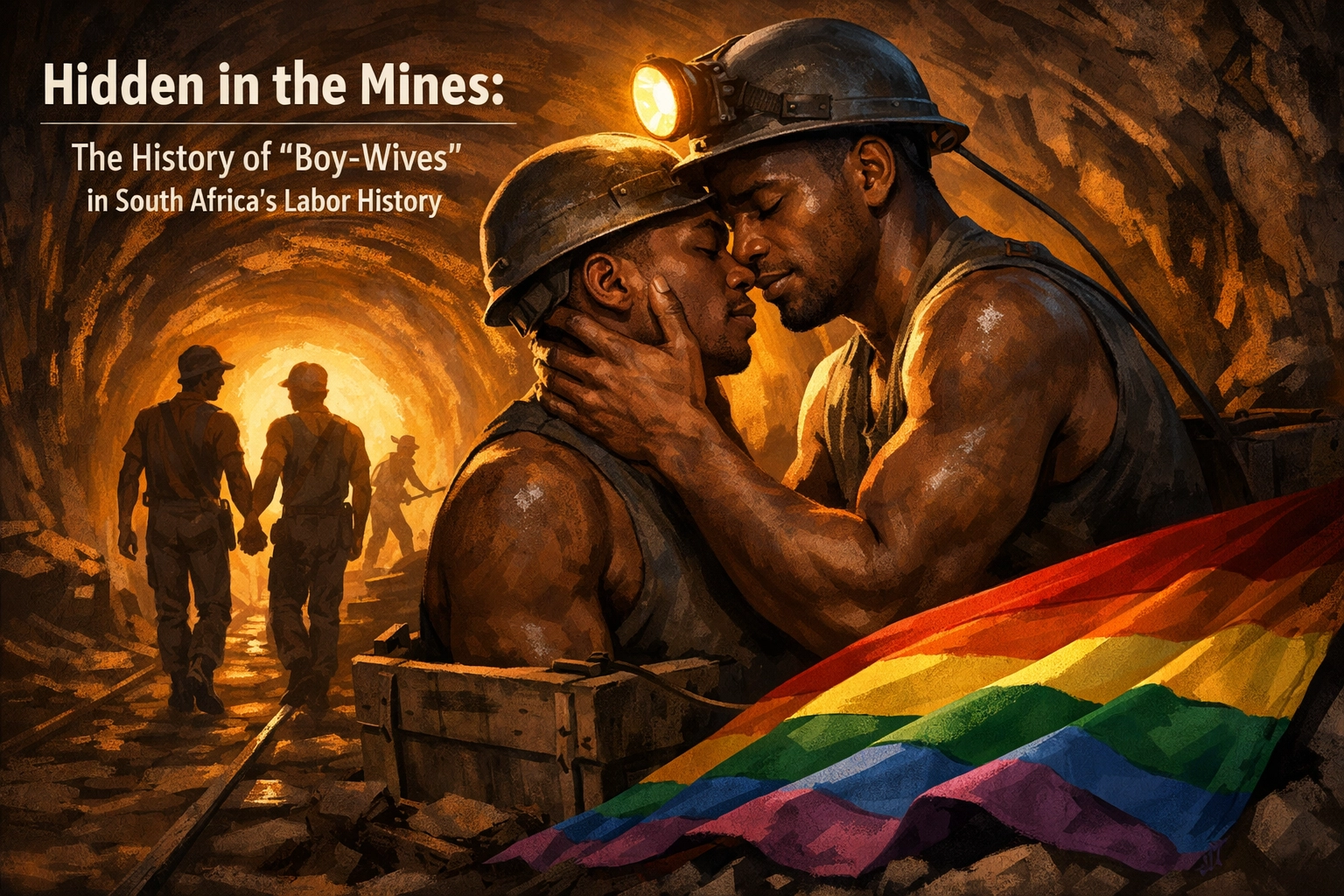
But humans aren't robots. We crave connection, touch, and care. In this hyper-masculine, brutal environment, a unique social structure emerged: the tinkonkana (or "boy-wives").
More Than a Fling: The 'Mine Marriage' Hierarchy
These weren't just random hookups in the dark. The "mine marriage" was an institutionalized system of same-sex partnerships that mimicked the traditional marriage structures found in the workers' home villages.
The relationships were typically between an older, established miner (known as the vanyatsi or "husband") and a younger, often teenage, recruit (the tinkonkana or "boy-wife").
Here’s how the "domestic" side of things worked:
- The Roles: The younger "boy-wife" would perform traditionally feminine tasks for his "husband", cooking meals, washing clothes, and keeping their small living space tidy. In exchange, the older miner provided protection in a very dangerous environment, shared his wages, and bought the younger man gifts like fancy clothes or blankets.
- The Rituals: These partnerships often involved formal negotiations, almost like a courtship. Sometimes, a "bride price" was even discussed, mirroring the lobola (dowry) systems of their home cultures.
- The Intimacy: Yes, there was a sexual element, but it was often focused on the younger man’s pleasure or specific forms of non-penetrative sex (like ukuhlobonga), which were culturally understood practices.
For many, this was a way to maintain a sense of "home" in a place designed to strip them of their humanity. It was quiet intimacy amidst the clanging of pickaxes and the roar of machinery.
Debunking the "Un-African" Narrative
This is where it gets really spicy for the history buffs. When modern leaders claim homosexuality is "un-African," they are completely ignoring the tinkonkana.
Scholars like those behind the book Boy-Wives and Female Husbands have pointed out that these practices weren't something the white mine owners taught the African workers. In fact, many colonial authorities were horrified by it! They tried to crack down on these relationships, viewing them as "degenerate."
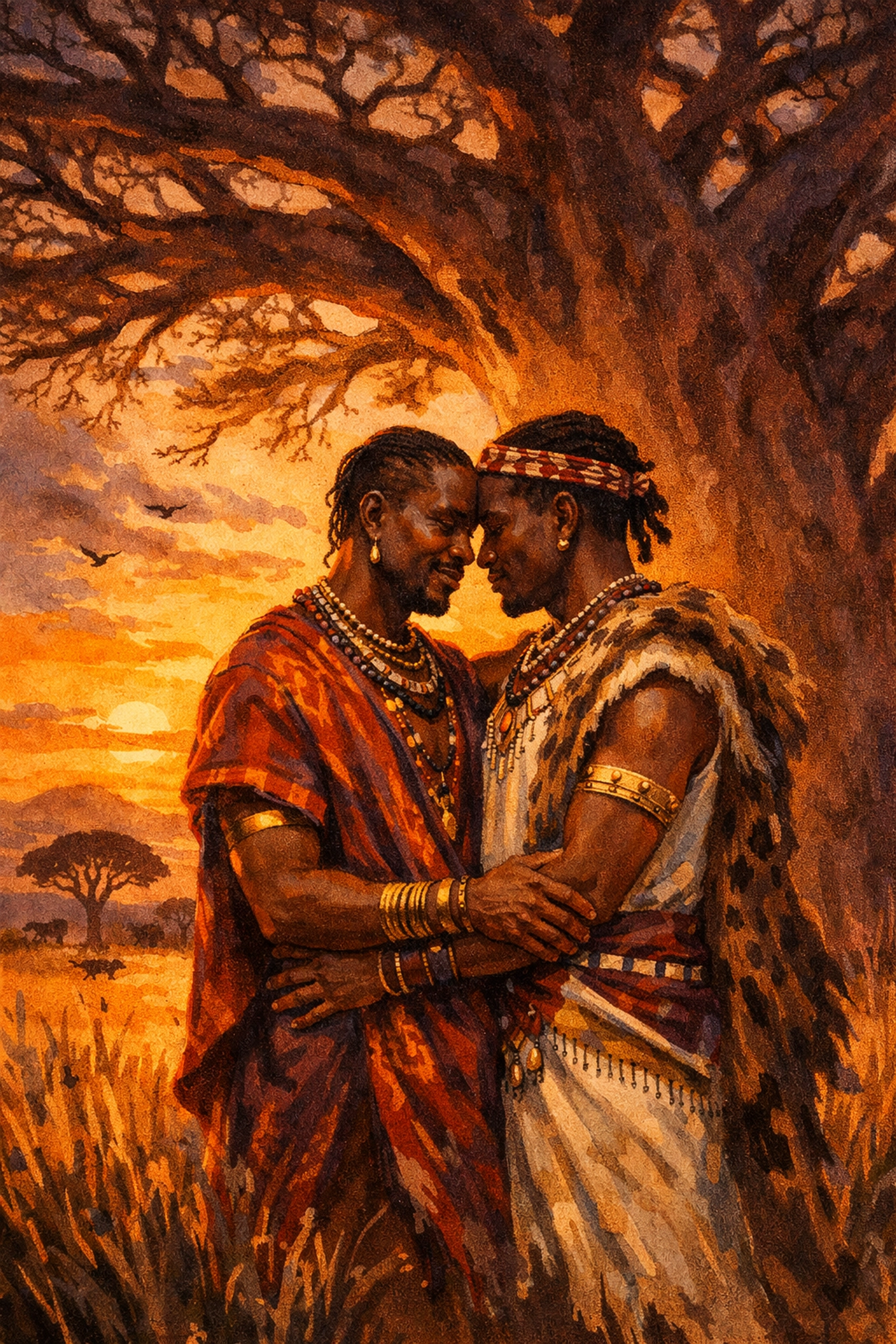
The miners, however, saw it differently. These relationships were a historical adaptation of existing male-male friendship and mentorship structures. They were an indigenous solution to a colonial problem. It proves that queer expression in Africa isn't a "new" thing: it’s an ancient thing that simply changed shape to survive the times.
The Emotional Weight of the Mines
If you’re a reader of gay historical romance, you know that the best stories are the ones where the characters find light in the darkest places. The South African mines were definitely dark.
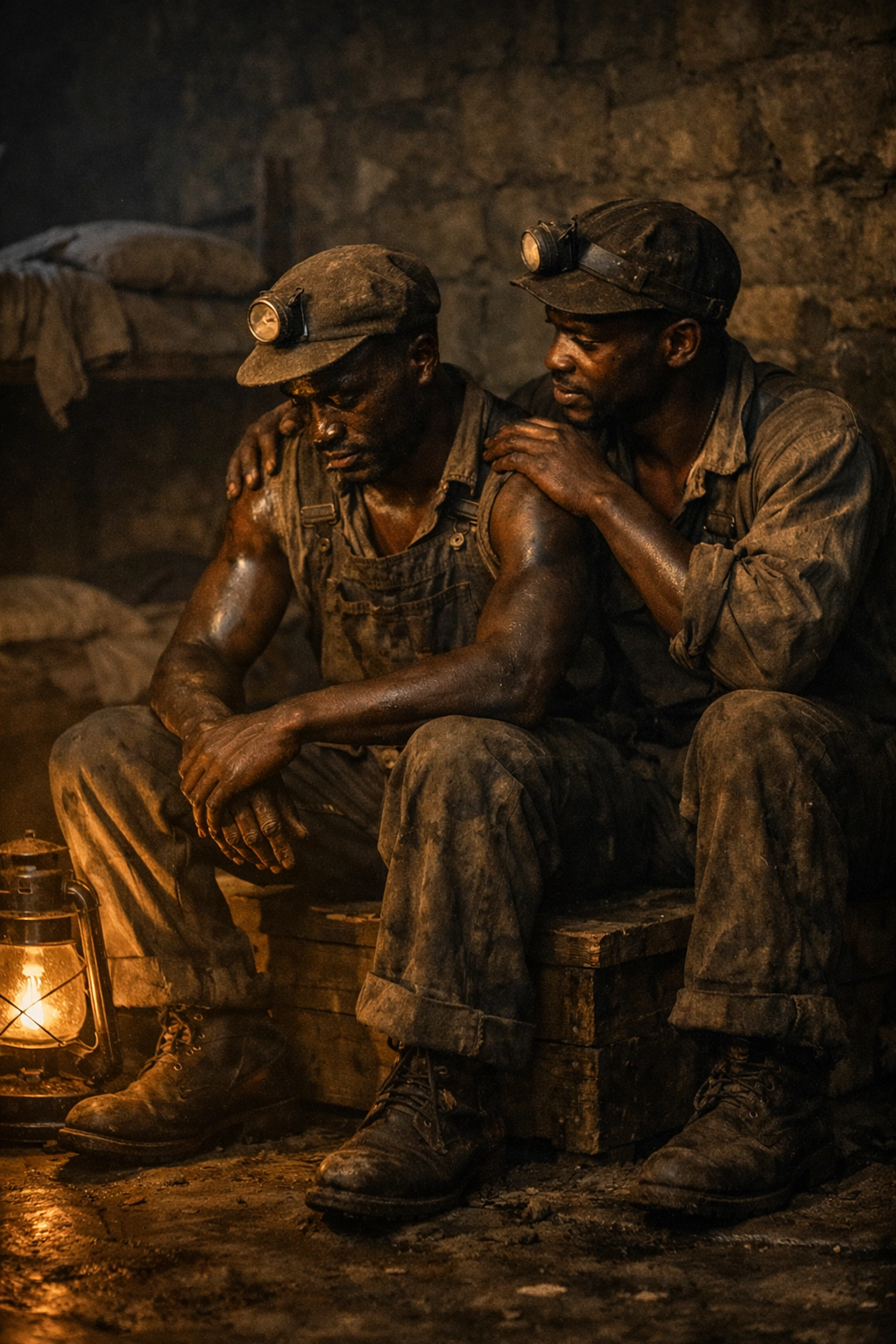
Imagine being a nineteen-year-old kid from a rural village, terrified, working miles underground. Finding an older man who promises to keep you safe, who shares his food with you, and who listens to your stories? That’s not just "survival": that’s a profound emotional bond.
Many of these "husbands" took their roles seriously, acting as mentors and providers. While the power dynamic was definitely tilted toward the older man, many accounts from the time suggest a level of genuine affection and loyalty that rivals the most heartfelt gay fiction on your Kindle.
Why We Need These Stories in MM Romance Books Today
At Read with Pride, we believe that knowing our history makes our fiction stronger. When we read MM romance books set in Africa or featuring African characters, we shouldn't just be looking at modern urban stories. We should be looking back at the miners, the warriors, and the "female husbands" of the past.
There is a huge opportunity for authors to dive into MM historical romance set in the South African gold rush. Imagine a story centered on the tension between colonial law and indigenous heart. A story of two men finding a way to be "married" in a world that says they shouldn't exist.
If you’re looking for more diverse narratives, check out our gay book recommendations to find authors who are reclaiming these global queer histories.

The Reality of the "Boy-Wife" Experience
It wasn't all sunshine and roses, of course. We have to be authentic here. The system was born out of labor exploitation. It was a response to the pain of the migrant labor system. Some of these relationships could be coercive, and the age gap is something that modern readers might find complicated.
But we can't erase them just because they don't fit into a neat, modern "pride" box. The tinkonkana were pioneers of a sort. They navigated a brutal system by leaning on each other. They created families where none were allowed to exist.
Looking Toward 2026: The Future of African Queer Literature
As we head further into 2026, we’re seeing a beautiful explosion of African queer voices in the publishing world. From contemporary gay novels set in Lagos to historical pieces exploring pre-colonial gender roles, the "un-African" myth is being dismantled one book at a time.
We want to see more gay romance novels that aren't afraid to look at the gritty, complex parts of our history. We want stories that celebrate the resilience of the men in those mines.
Join the Conversation
Did you know about the "mine marriages" of South Africa? It’s a part of history that often gets swept under the rug, but it’s vital for understanding the global roots of LGBTQ+ identity.
If you’re hungry for more stories that defy expectations, stay tuned to our blog. We’re constantly updating our lists of the best MM romance books of 2026 and diving deep into the tropes that keep us turning pages.
Don't forget to follow us on social media to keep up with the latest new gay releases and queer history deep-dives:
- Facebook: Read with Pride
- X (Twitter): @Read_With_Pride
- Instagram: @read.withpride
Whether you're looking for steamy MM romance or a gay psychological thriller, the history of the "boy-wives" reminds us that queer stories are everywhere: sometimes, you just have to dig a little deeper to find the gold.
Keep reading, keep learning, and always Read with Pride.
#LGBTQHistory #SouthAfrica #MineMarriages #QueerHistory #MMRomance #GayHistoricalRomance #ReadWithPride #AfricanHistory #GayBooks #2026GayBooks #MMFiction

Leave a Reply
You must be logged in to post a comment.