

readwithpride.com
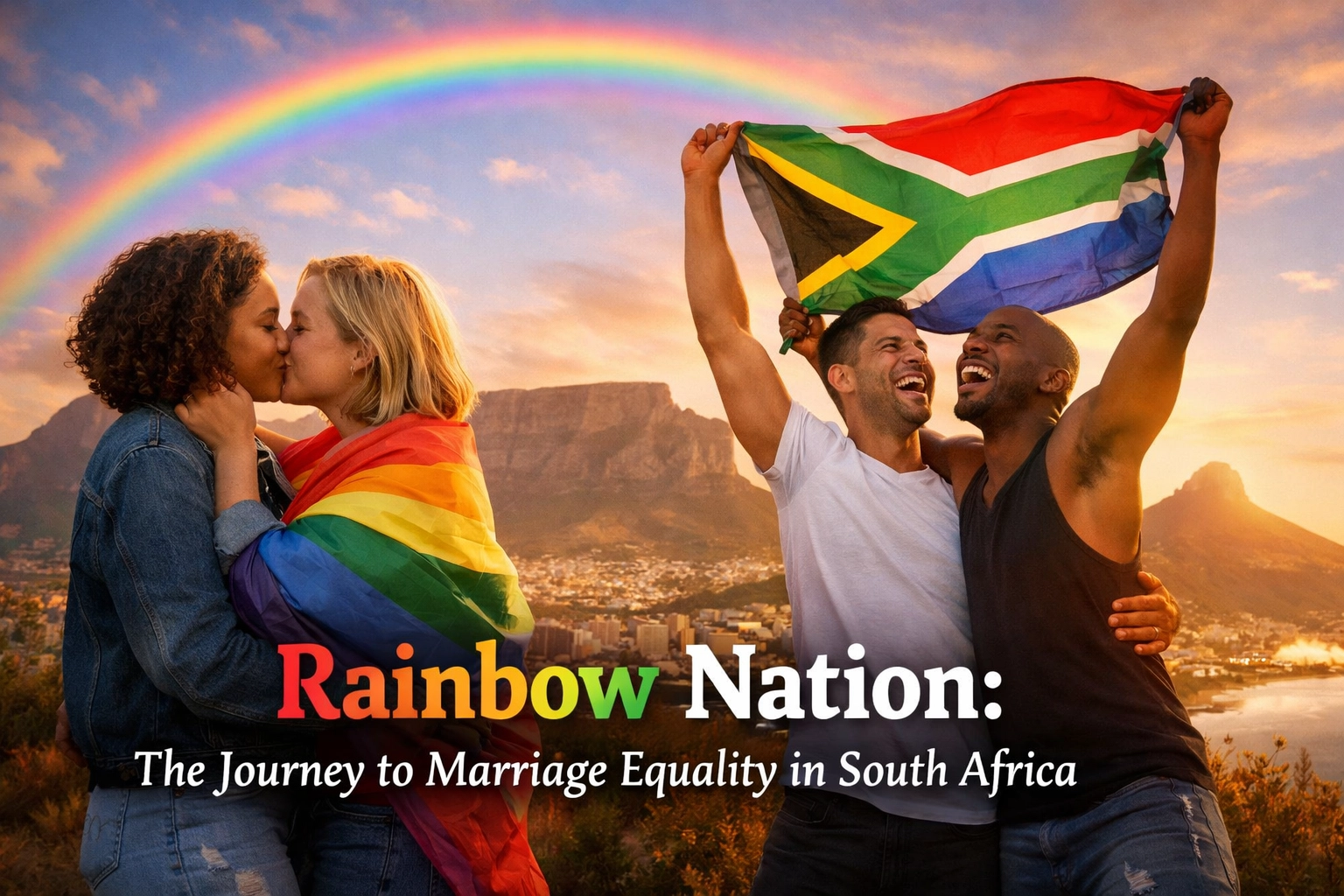
When we talk about the "Rainbow Nation," we usually think of the beautiful, diverse tapestry of cultures that make up South Africa. But for those of us in the LGBTQ+ community, that rainbow holds a double meaning. While many parts of the world were still debating whether we deserved basic human rights, South Africa was quietly: and then very loudly: becoming a global pioneer.
Imagine it’s 2006. In the US, the "don't ask, don't tell" policy was still in full swing. In many other places, the idea of two men or two women standing at an altar was treated like a plot point from a futuristic gay fantasy romance. But on December 1, 2006, South Africa made history as the fifth country in the world (and the first in Africa) to legalize same-sex marriage.
At Read with Pride, we’re obsessed with stories of resilience, love, and breaking barriers. Whether it’s a historical MM romance novel or a gritty gay thriller, we know that the best stories are the ones where love wins against all odds. And honey, the story of South Africa’s journey to marriage equality is the ultimate "happily ever after": though the road there was a total slow burn.
The Foundation: A Constitution with Main Character Energy
To understand how South Africa became a leader in LGBTQ+ rights, we have to go back to 1994. The country was emerging from the darkness of apartheid, a system built on institutionalized discrimination. As Nelson Mandela and the African National Congress (ANC) worked to build a new nation, they realized they couldn't just fight for racial equality; they had to fight for everyone.
In 1996, South Africa did something absolutely legendary. They became the first country in the entire world to explicitly prohibit discrimination based on sexual orientation in their constitution.
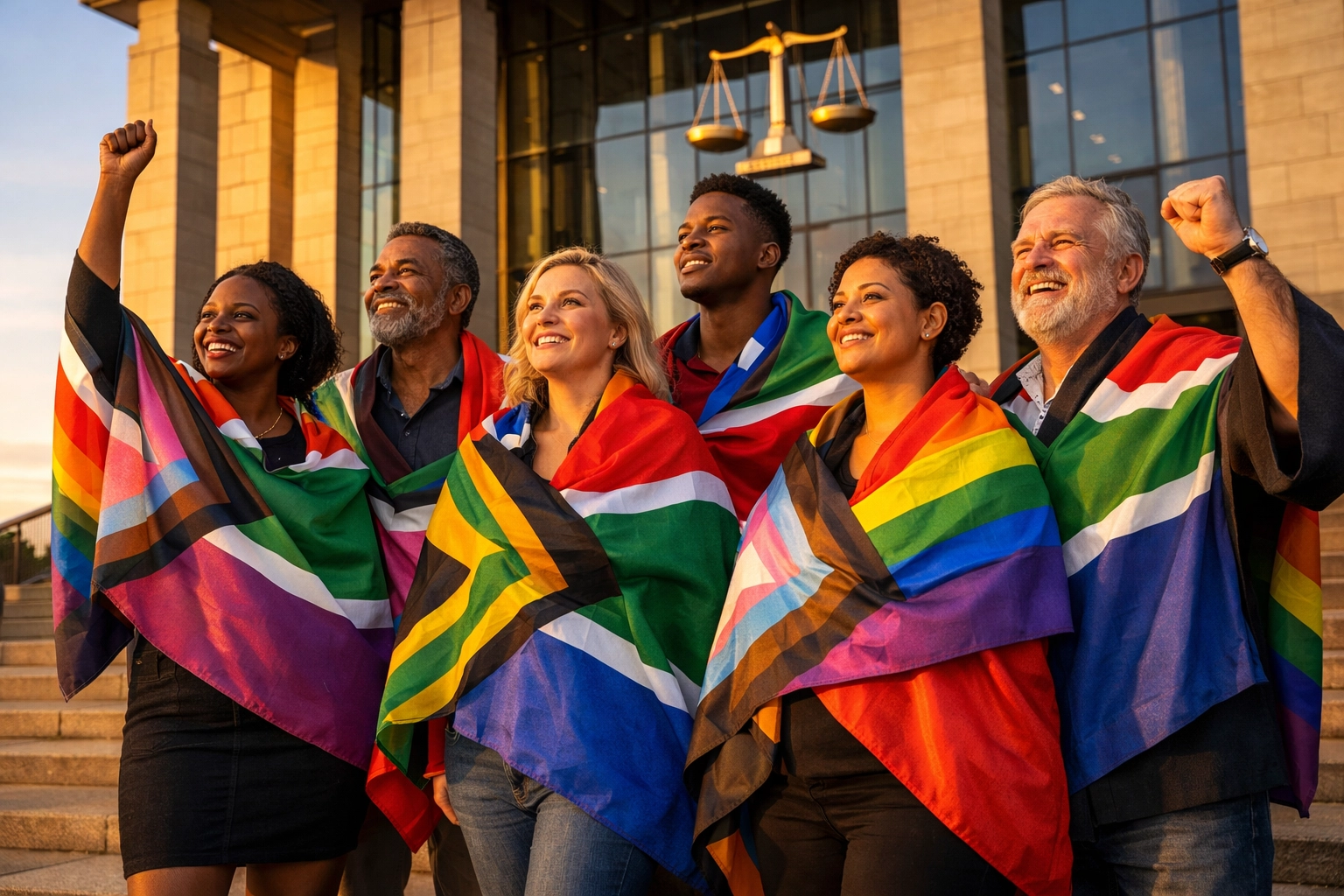
This wasn't just a win for the local community; it was a signal to the world. It turned the "un-African" argument: the tired claim that being queer is a Western import: completely on its head. By embedding queer rights into the literal DNA of the new democracy, South Africa proved that liberation for some means liberation for all. If you’re a fan of gay historical romance, this era feels like the ultimate turning point where the hero finally stands up to the villain and demands a seat at the table.
The Courtroom Drama: Fourie vs. The World
Fast forward to 2002. While the Constitution promised equality, the actual laws on the books (like the Marriage Act) were still stuck in the past, defining marriage as between one man and one woman. Enter Marié Fourie and Cecelia Bonthuys.
These two weren't professional activists; they were just a couple who wanted their love recognized. They sued the government, starting a legal battle that would last years. Their case eventually landed in the Constitutional Court, and in 2005, the judges dropped a bombshell. They ruled that the exclusion of same-sex couples from marriage was unconstitutional and gave Parliament exactly one year to fix the law.
Talk about high stakes! This period was filled with the kind of tension you’d find in a gay psychological thriller. The religious right mobilized, traditional leaders protested, and the atmosphere was electric. But the ANC leadership stood firm, enforcing party discipline to make sure the Civil Union Act of 2006 passed just weeks before the court’s deadline expired.
Busting the "Un-African" Myth
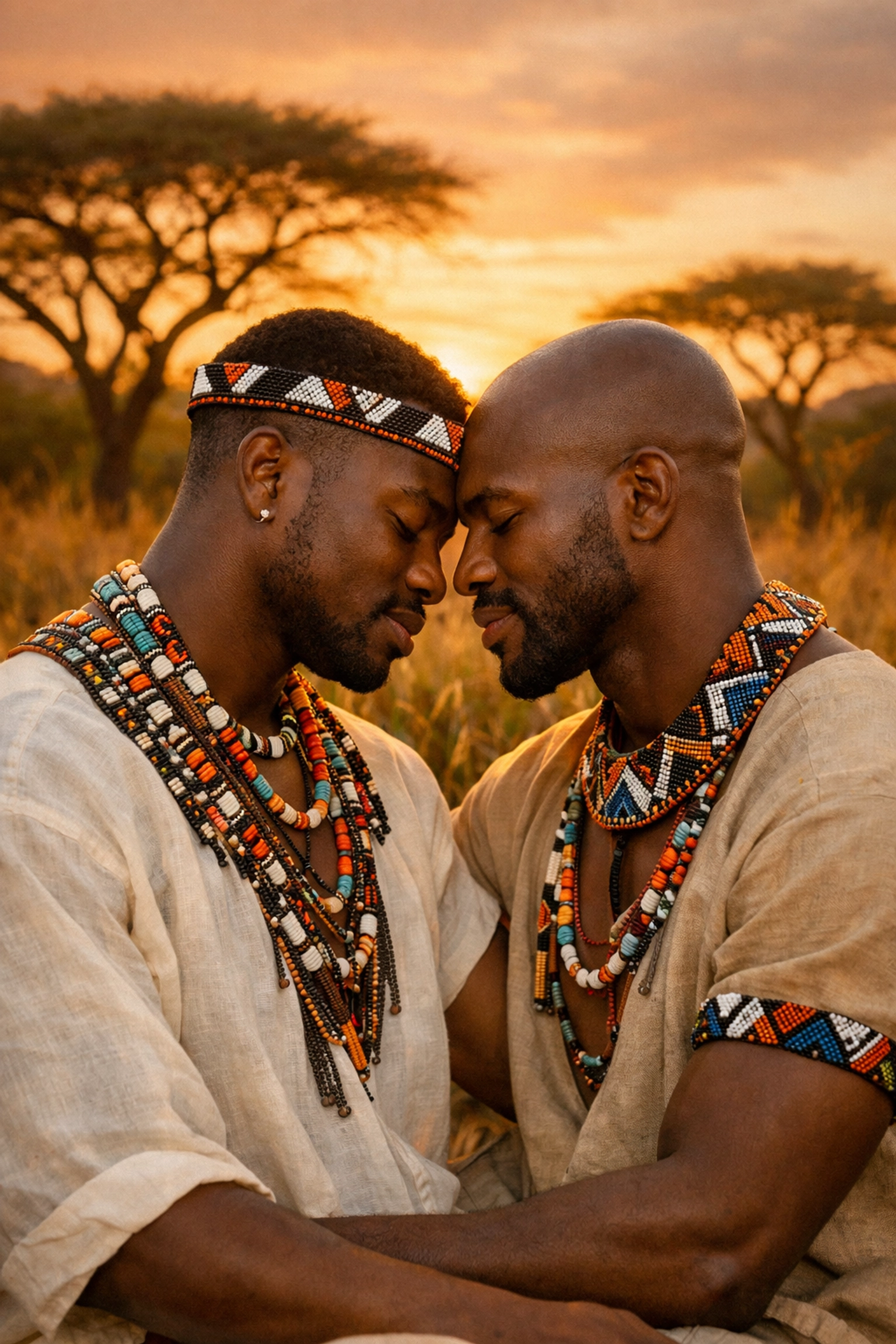
One of the biggest hurdles during this journey was the persistent myth that homosexuality is "un-African." We see this trope a lot in modern discourse, but history tells a different story. Long before colonial powers brought their rigid Victorian morals to the continent, many African cultures had nuanced understandings of gender and sexuality.
From the woman-to-woman marriages in various Southern African tribes to the spiritual roles of queer individuals in traditional ceremonies, the "rainbow" has always been there. Colonization didn't bring "the gay" to Africa; it brought the shame.
For those of us who love gay literature and MM historical romance, reclaiming these narratives is so important. When we read about queer ancestors, we realize we aren't "new": we’ve always been here, thriving in the shadows until we could finally step into the light.
December 1, 2006: The Big "I Do"
When the Civil Union Act finally took effect, the first legal same-sex marriage was performed for Vernon Gibbs-Halls and Tony Halls-Gibbs. It was a moment of pure magic. This wasn't just about a piece of paper; it was about dignity. It was about the state finally saying, "Your love is just as valid as anyone else's."
In the world of MM romance books, we often focus on the "I love you" moment. But in real life, the legal right to marry provides a safety net: health insurance, inheritance rights, and the simple joy of being called "husband." Since 2006, thousands of couples have walked down the aisle in South Africa, from the bustling streets of Johannesburg to the scenic vineyards of Stellenbosch.
Gay Life in South Africa Today: The Vibe
So, what is it actually like now? If you’re looking for gay book recommendations set in South Africa, you’ll find a landscape of contrasts.
Cape Town is often called the "Gay Capital of Africa," and for good reason. With its vibrant Pride festivals, queer-owned businesses, and stunning beaches, it’s a dream destination. Johannesburg has a grittier, more underground queer scene that’s incredibly creative and resilient.
However, we have to be real: legal equality doesn't always mean social equality. While the laws are some of the best in the world, many queer South Africans: especially those in rural areas or townships: still face significant challenges. The fight for safety and acceptance continues, much like a gay adventure romance where the heroes have won the big battle but still have a long journey home.
Why This Matters for Readers of Queer Fiction
At Read with Pride, we believe that representation matters. When we see South Africa leading the way, it inspires us to seek out more diverse voices in our LGBTQ+ fiction. We want more MM contemporary stories set in the Mother City. We want gay spy romances moving through the streets of Pretoria. We want to see the full spectrum of the African queer experience on our Kindles.
If you’re looking for your next great read, check out our product-sitemap to find the latest 2026 gay books and popular gay books that celebrate love in all its forms.

The Legacy of the Rainbow
South Africa remains a beacon of hope for the entire continent. As activists in other African nations fight for decriminalization and basic safety, they look to the South African constitution as the gold standard.
The journey to marriage equality wasn't just a legal victory; it was a cultural shift. It proved that a nation can acknowledge its painful past and choose a future rooted in inclusion.
Whether you’re here for the steamy MM romance, the heartfelt gay fiction, or the deep dives into queer history, we invite you to celebrate the Rainbow Nation with us. Love is a human right, and South Africa was brave enough to say it first.
Ready to dive into more queer stories?
Explore our collection of top LGBTQ+ books and new gay releases at Readwithpride.com. From enemies to lovers MM romance to sweet slow burns, we’ve got everything you need to keep your bookshelf as colorful as a pride parade.
Don't forget to follow our journey and join the conversation on social media:
Let’s keep reading, keep loving, and keep living with pride! 🌈✨
#ReadWithPride #LGBTQPlusRights #SouthAfrica #MarriageEquality #MMRomanceBooks #GayFiction #RainbowNation #QueerHistory #2026GayBooks #GayRomanceNovels

Leave a Reply
You must be logged in to post a comment.