

readwithpride.com
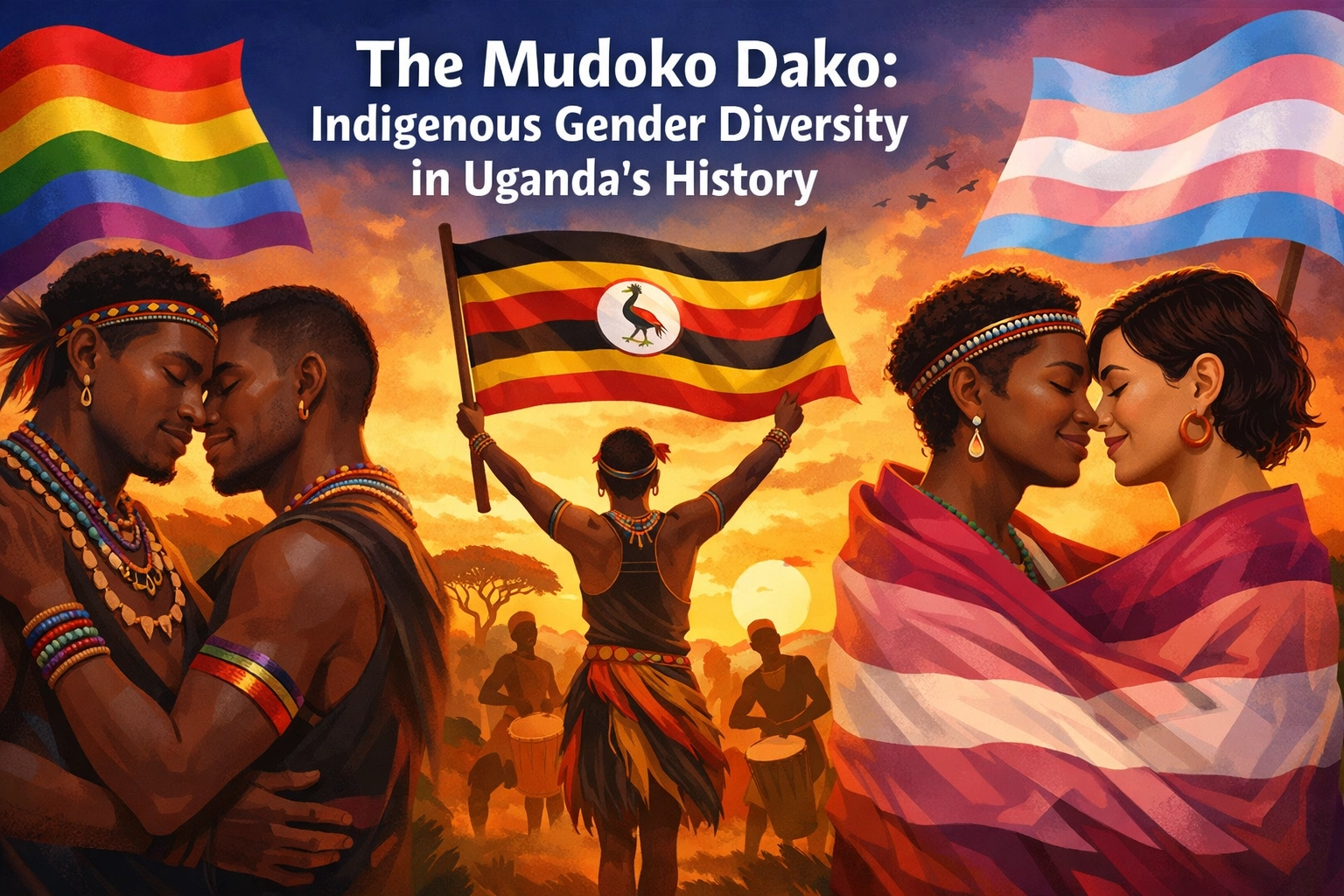
Let’s set the record straight, literally and figuratively. There is a persistent, loud, and frankly exhausting narrative that being LGBTQ+ is a "Western import" to the African continent. We hear it in political speeches, we see it in restrictive legislation, and we encounter it in social media debates. But if you’ve spent any time diving into the archives of queer fiction or history, you know that the truth is far more colorful, complex, and deeply rooted in the soil of the continent.
Today, we’re traveling back to Northern Uganda, specifically to the Lango people. Long before British colonialists arrived with their rigid Victorian morals and legal codes, the Lango recognized and respected a third gender known as the Mudoko Dako. Their existence isn’t just a historical footnote; it’s a powerful testament to the indigenous gender diversity that has always existed across Africa. At Read with pride, we believe that reclaiming these stories is essential for anyone who loves gay historical romance or wants to understand the true roots of our community.
Who Were the Mudoko Dako?
The term Mudoko Dako literally translates to "becoming a woman." In Lango society, these were individuals assigned male at birth who lived, worked, and identified as women. This wasn't a secret "subculture" or something practiced in the shadows; it was a recognized social status.
According to historical accounts, including those by British anthropologist Jack Herbert Driberg in the early 20th century, the Mudoko Dako were often believed to be "impotent" from birth or were seen as having a spiritual calling that aligned them with femininity. Because their identity was seen as something determined by a higher power (or nature), the community didn't view them with the hostility we often see in modern discourse. Instead, they were integrated into the social fabric.
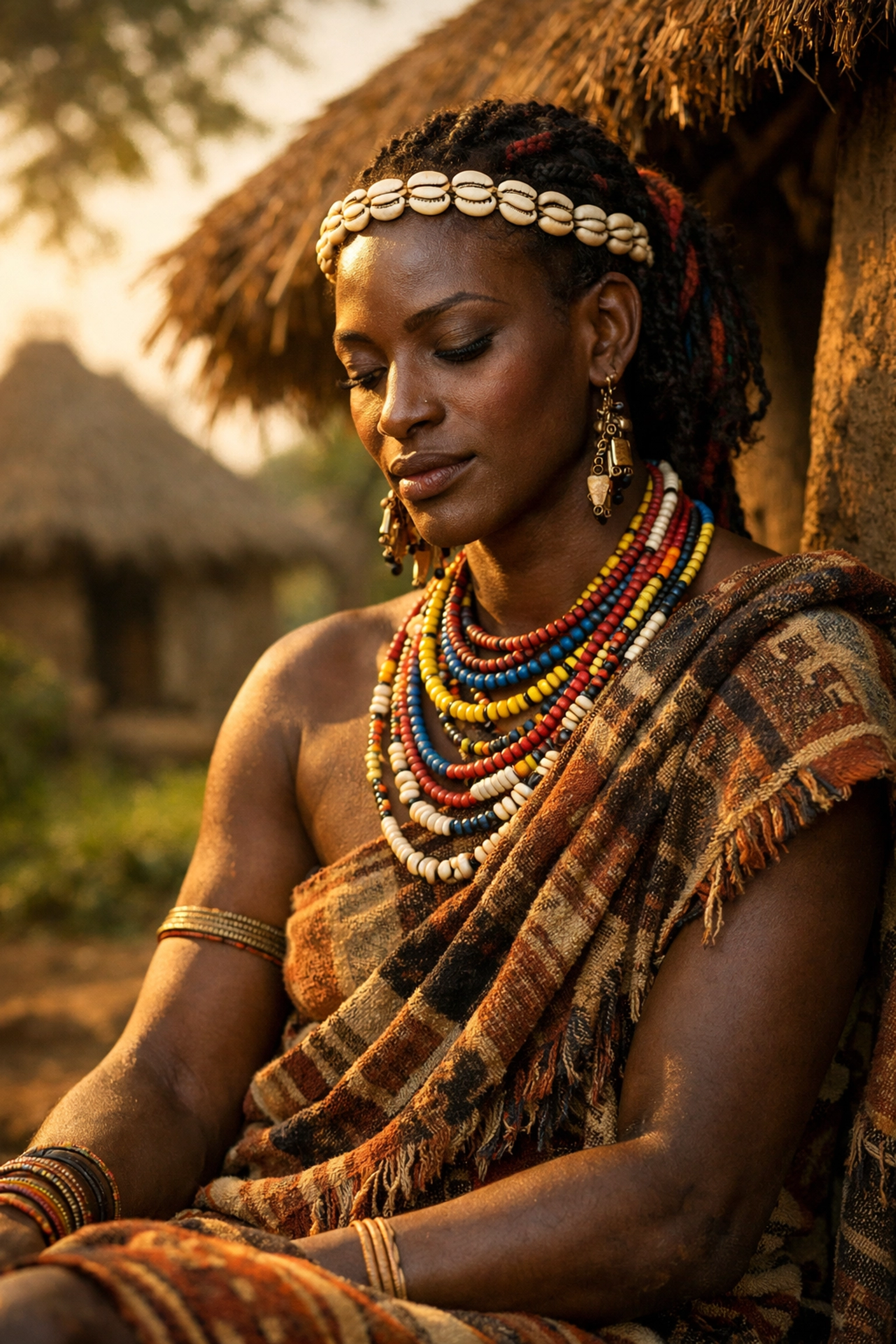
They didn't just "act" like women; they were women in the eyes of their peers. They wore traditional female attire, grew their hair in styles typically reserved for women, and performed domestic tasks like cooking, cleaning, and gathering that were essential to the village's survival. In many ways, their lives mirror the themes we find in modern MM romance books that explore gender identity and the courage to live authentically.
Living Authentically: The Daily Life of a Mudoko Dako
One of the most fascinating aspects of Mudoko Dako history is how far they went to align their physical reality with their internal identity. Historical records suggest that some Mudoko Dako even simulated menstruation. They would use specific leaves during their "cycle" to mimic the biological process of the women around them. This shows a deep, lived commitment to their gender identity that goes far beyond a simple "role."
But it wasn't just about domestic work or clothing. The Mudoko Dako were a vital part of the economy and social structure. In many African societies, gender roles were flexible based on necessity and spiritual designation. By taking on the female role, the Mudoko Dako filled a specific niche in the community, ensuring that the balance of labor and spiritual energy remained intact.
Love, Marriage, and the Lango Tradition
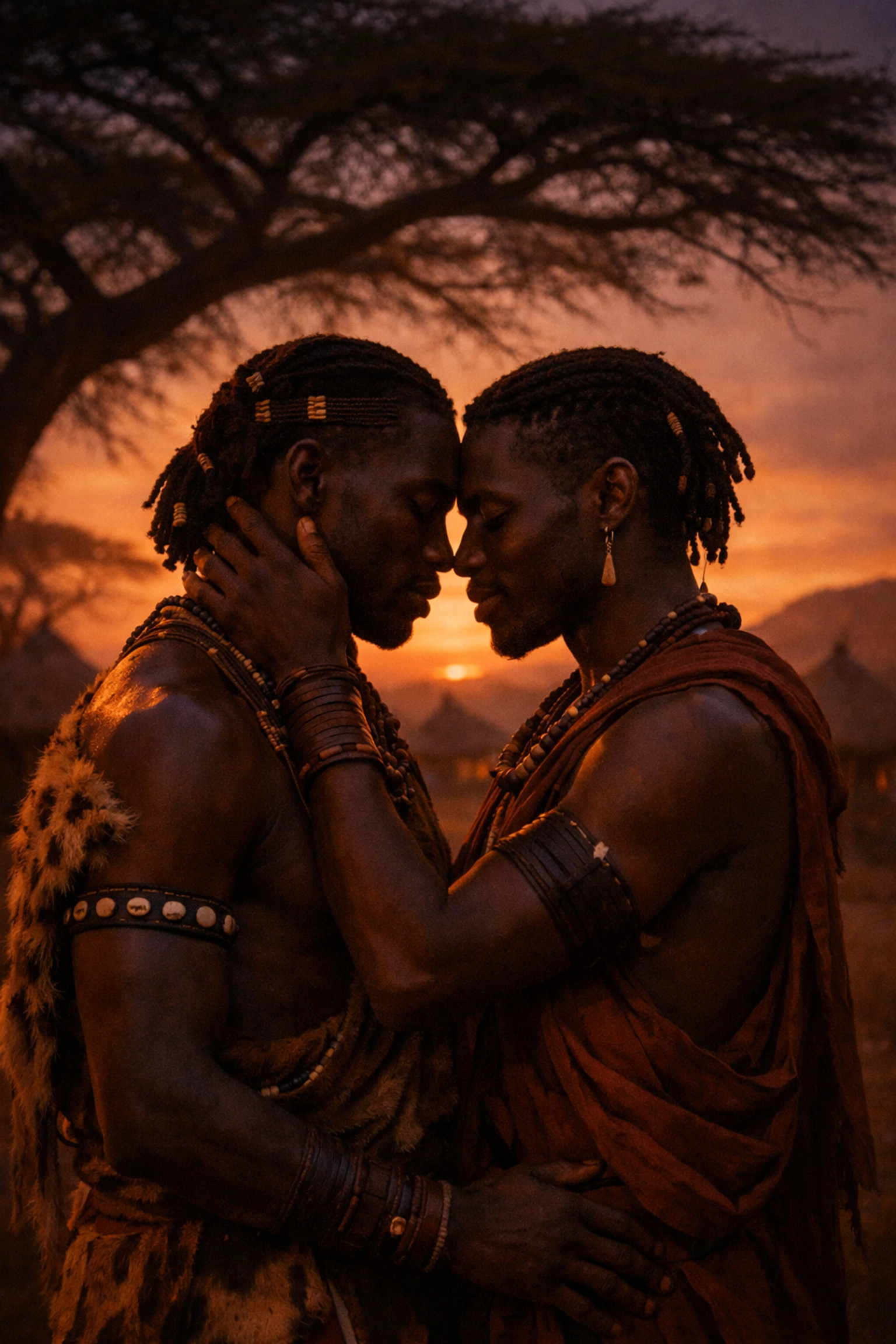
For the fans of gay romance novels and MM historical romance out there, this is where it gets really interesting. The Mudoko Dako were not forced into celibacy. On the contrary, they frequently took husbands.
In pre-colonial Lango culture, a man could marry a Mudoko Dako just as he would any other woman. These unions were legally and socially recognized. In some instances, the Mudoko Dako would even be "adopted" by the co-wives of their husband, becoming part of a larger polygamous family unit. They shared the responsibilities of the household, helped raise children, and were treated with the respect due to any wife.
This level of acceptance stands in stark contrast to the modern-day "Anti-Homosexuality" laws that have made headlines in Uganda in recent years. It proves that the "traditional" African values so often cited by conservative politicians are actually a distortion of the real history. Indigenous African culture was often far more progressive and inclusive than the colonial systems that replaced it.
The Colonial Erasure of Queer Identity
So, what happened? Why did a society that once embraced the Mudoko Dako become one of the most dangerous places for LGBTQ+ people today? The answer lies in the history of British colonialism.
When the British Empire expanded into East Africa, they didn't just bring railroads and tea; they brought their legal system, specifically Section 377-style laws that criminalized "acts against the order of nature." Along with these laws came missionary efforts that imposed a rigid, binary understanding of gender and sexuality based on 19th-century European Christianity.
The Mudoko Dako, along with other indigenous queer and gender-diverse roles across the continent, were systematically erased. Anthropologists like Driberg documented them, but often through a lens of "pathology" or "curiosity," rather than as a valid cultural expression. Over decades, the shame associated with colonial laws seeped into the local culture, eventually leading many to believe that these identities were never "truly" African.
At Read with Pride, we often highlight gay books and queer fiction that challenge these colonial narratives. Understanding the history of the Mudoko Dako is a form of resistance. It’s about saying: We have always been here.
A Continent of Diversity: Beyond Uganda
The Mudoko Dako are not an isolated case. If you look across Africa’s history, you find similar examples of gender diversity that defy modern Western labels:
- The Yan Daudu (Nigeria): Among the Hausa people, the Yan Daudu are "men who act like women." Traditionally, they were seen as intermediaries between the masculine and feminine worlds and were respected for their roles in ceremonies.
- The Chibados (Angola): Historically, the Kingdom of Ndongo (modern-day Angola) recognized Chibados: men who dressed as women and were often spiritual leaders or advisors to the royalty.
- The Asante (Ghana): There are historical accounts of female-to-female marriages among the Asante, where a woman of high status could take a "wife" to secure property and lineage.
When you browse through LGBTQ+ fiction or gay novels today, you’re seeing the modern evolution of these ancient truths. Whether it’s a steamy MM romance set in a contemporary African city or a gay historical romance that unearths these hidden stories, literature is where we reclaim our past.
Why This Matters in 2026
As we move through 2026, the global conversation around LGBTQ+ rights is reaching a fever pitch. In countries like Uganda, activists are fighting to remind their fellow citizens that their ancestors were not as homophobic as the colonial laws suggest.
For readers, this history adds a layer of depth to the MM romance books and gay fiction we consume. When we read a story about a man falling for another man against all odds, or a person transitioning in a society that doesn't understand them, we aren't just reading "new" stories. We are reading stories that have been whispered in the tall grass of the savannah and echoed in the halls of ancient kingdoms for millennia.
Reclaiming the Narrative Through Literature
If you're looking to dive deeper into these themes, check out our gay book recommendations. From popular gay books to niche MM contemporary titles, we curate content that celebrates the full spectrum of the queer experience.
History might have tried to erase the Mudoko Dako, but through the power of storytelling, we can bring them back into the light. Whether you’re a fan of MM historical romance set in the early 1900s or gay fantasy romance that reimagines African myths with a queer twist, there is so much to explore.
Check out our 20th-century historical romance collection for stories that touch on these eras of change and resistance. Or, if you’re looking for a thrill, our gay adventure romance section often features heroes who have to navigate the complexities of culture and identity in the wild.
The Mudoko Dako were pioneers of living out loud. They remind us that gender is a journey, and love is a universal language that no colonial law can ever truly silence.
Stay proud, stay curious, and keep reading. 🌈✨
Connect with us and join the conversation:
- Website: readwithpride.com
- Facebook: Follow us here
- X (Twitter): Follow us @Read_With_Pride
- Instagram: See our latest picks @read.withpride
#ReadWithPride #MMRomance #GayHistory #MudokoDako #UgandaHistory #QueerHistory #LGBTQBooks #GayFiction #MMHistoricalRomance #AfricanHistory #2026GayBooks #GayLiterature #QueerPride

Leave a Reply
You must be logged in to post a comment.