

readwithpride.com
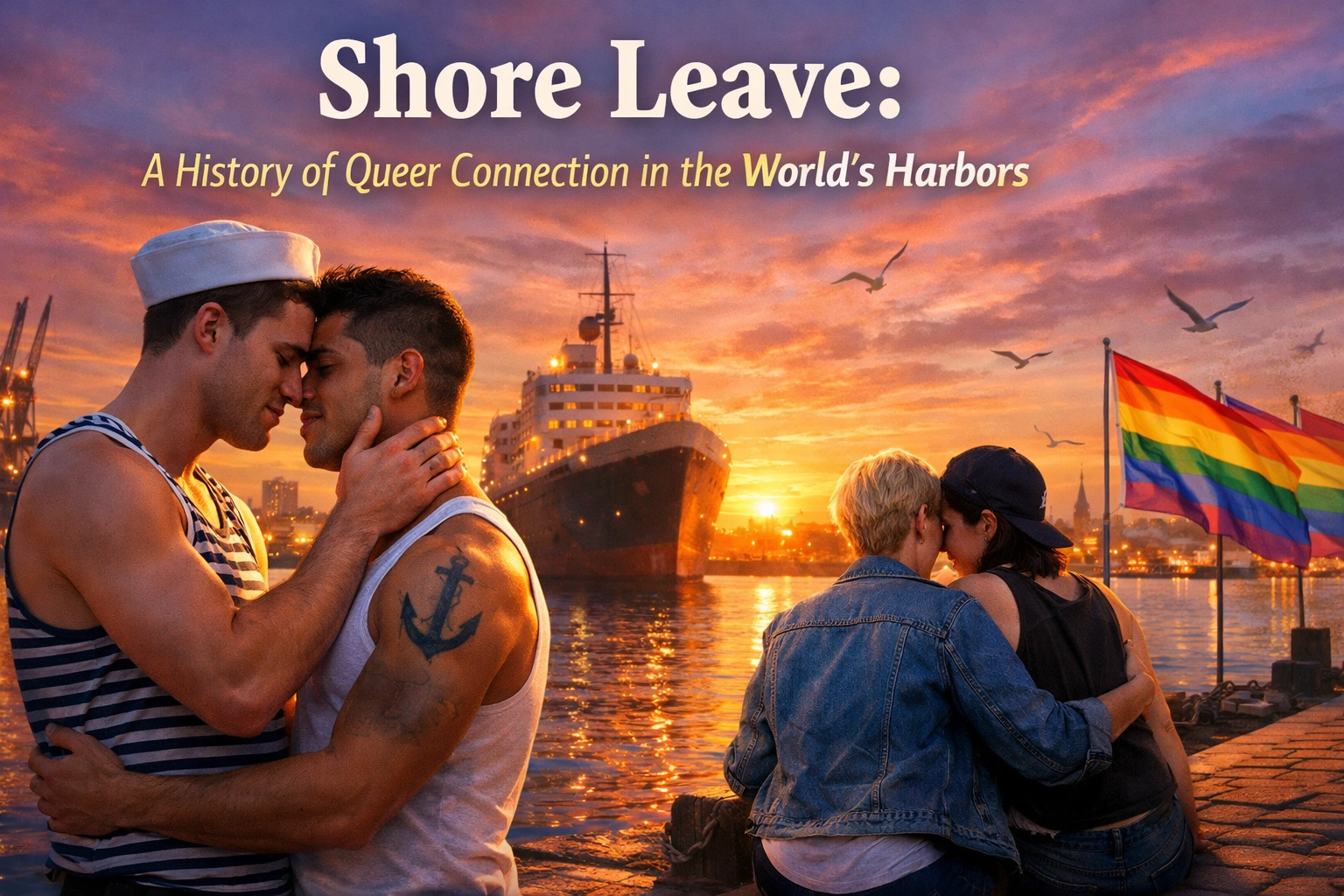
There is something inherently romantic: and let’s be honest, a little bit spicy: about the sea. The salt air, the vast horizon, and the rugged charm of men who spend months at sea have been staples of gay romance novels for as long as we’ve been telling stories. But beyond the chiseled jawlines and anchor tattoos of our favorite MM romance books, there is a deep, gritty, and fascinating history of how the world’s harbors became the original "safe spaces" for the LGBTQ+ community.
When we talk about "shore leave," we’re talking about more than just a break from hauling ropes and scrubbing decks. For generations of queer sailors, shore leave was a precious window of freedom: a chance to find connection, community, and love in a world that often demanded they stay hidden.
At Read with Pride, we love diving into the history that inspires the queer fiction we publish. So, grab your pea coat and join us as we navigate the history of queer connections in the world's most iconic ports.
The Sea as a Sanctuary (Before the Shore)
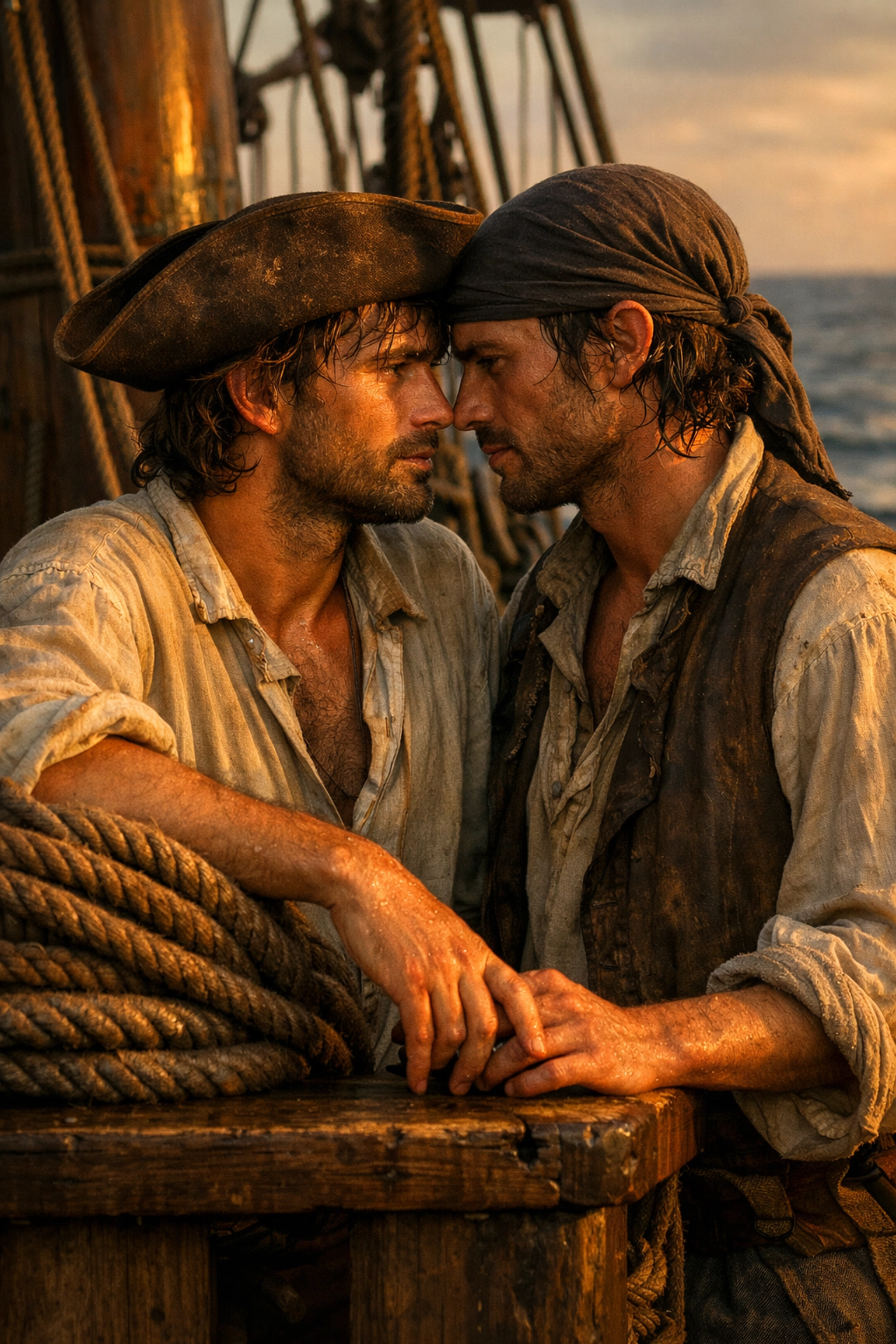
To understand why harbors became so important, we have to look at life on the water. Historically, ships were unique social environments. Removed from the watchful eyes of the church, the law, and "polite" society, the maritime world often operated by its own rules. While the sea was a place of hard labor, it was also a place where intense male bonds were the norm.
In the 18th and 19th centuries, the "all-male" environment of a ship created a space where gender roles could be more fluid than on land. We see this reflected today in gay historical romance, where authors explore the "forced proximity" trope: a favorite in the MM romance world: set against the backdrop of a rolling deck. Whether it was "matelotage" (a formal partnership between two sailors) or simply the shared intimacy of survival, the sea laid the groundwork for the connections that would flourish once the anchor dropped.
The Magic of Shore Leave: Finding the "Gay Districts"
When a ship finally hit a major port, the transformation began. Sailors would flood the docks, looking for food, drink, and company. Because port cities were melting pots of different cultures and travelers, they were often more tolerant: or at least more chaotic: than inland towns.
In cities like San Francisco, New York, London, and Marseille, specific neighborhoods near the waterfront began to evolve into early queer hubs.
1. San Francisco: The Barbary Coast
Long before the Castro became a global LGBTQ+ destination, San Francisco’s waterfront was a wild frontier. During the Gold Rush and through the early 20th century, the "Barbary Coast" district was a place where "anything goes." Sailors on shore leave would frequent bars where gender-bending performances and same-sex dancing weren't just common: they were part of the attraction. This history is beautifully captured in works like Dick Clinton's Shore Leave: Sailors in San Francisco, which highlights the city’s long-standing role as a maritime sanctuary.
2. New York City: The West Side Waterfront
The piers of Manhattan have a legendary place in gay literature and history. In the mid-20th century, the West Side waterfront was a playground for sailors and locals alike. The dark corners of the piers and the nearby "bucket of blood" bars (tough waterfront dives) provided cover for men to meet. It was a world of coded language and stolen glances, a vibe that many gay thriller and gay psychological thriller writers tap into when crafting moody, atmospheric stories.
3. Amsterdam and Marseille: The European Gateways
In Europe, the sprawling docks of Marseille and the canals of Amsterdam were early adopters of the "gay bar" concept. Because these cities relied so heavily on international trade, they were used to "outsiders." Sailors from all over the world would congregate in specific taverns, creating a global network of queer connection that bypassed national borders.
The Evolution of the Waterfront Gay Bar
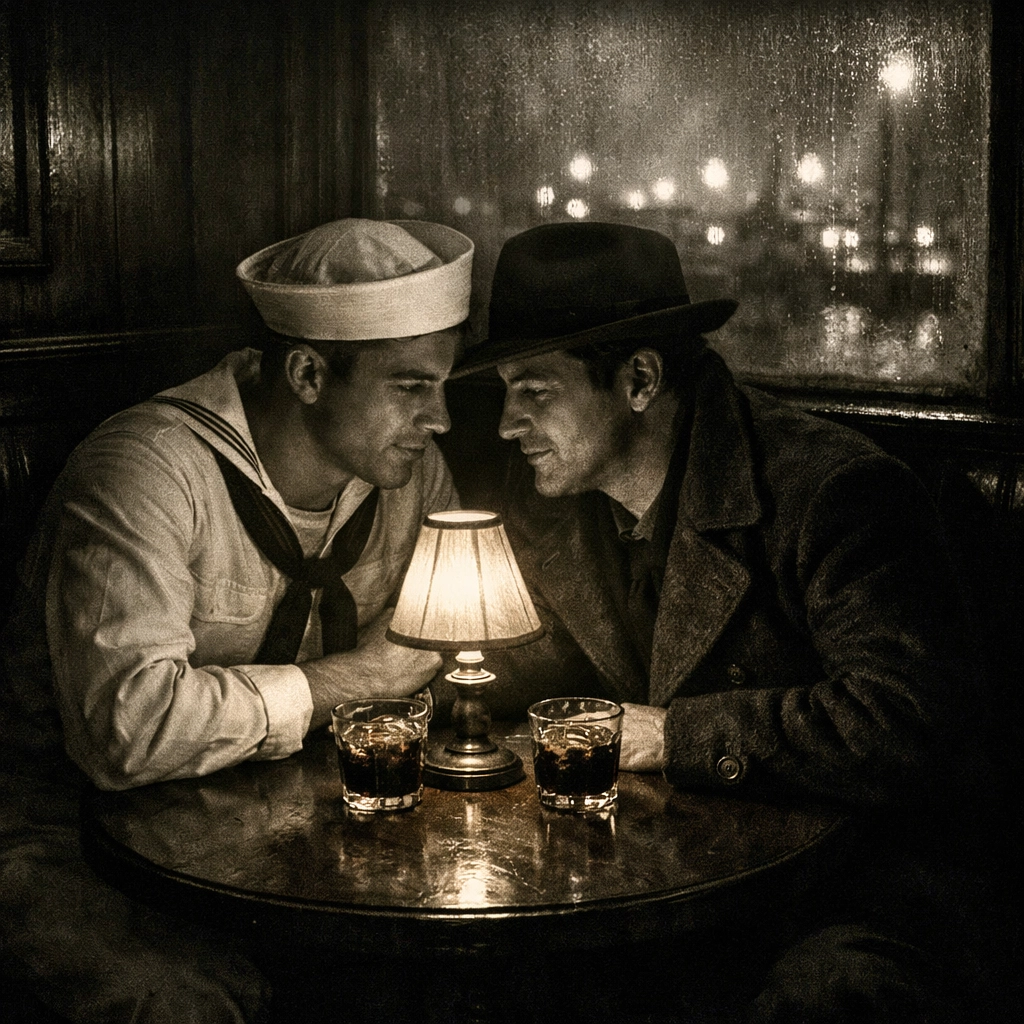
As the 20th century progressed, the "hidden" nature of these harbor connections started to solidify into actual establishments. These weren't the polished, neon-lit clubs we see in gay contemporary romance today; they were often rough-and-tumble joints where you had to know the right knock or the right bartender.
These bars served a dual purpose. For the local queer population, they were a place to meet men from far-off lands (the "sailor in every port" trope is real, folks!). For the sailors, they were a home away from home. In these harbor bars, a sailor could drop the "tough mariner" act and simply be himself.
This era of shore leave has inspired some of the best MM romance tropes we see in 2026 gay books:
- The Instant Connection: Two strangers meeting in a crowded harbor bar, knowing they only have one night before the ship sails.
- The Secret Life: A high-ranking officer living a double life in the ports he visits.
- The Star-Crossed Lovers: A local boy falling for a sailor who belongs to the sea.
Maritime Tropes in MM Romance Books
If you’re looking to dive into some MM romance books that capture this nautical spirit, the "Maritime/Sailor" niche is overflowing with great reads. From steamy MM romance to heartfelt gay fiction, the setting of a ship or a harbor adds a layer of tension that is hard to beat.
At Readwithpride.com, we’ve noticed that readers are particularly drawn to gay historical romance set during the age of sail. There’s something about the high stakes of the ocean that makes the romance feel even more urgent.
If you're looking for something with a bit of a dark, atmospheric edge, check out The Fjord’s Hunger, which brings that intense, isolated maritime energy to life.
Why We Still Love the "Sailor" Story in 2026
Why does the image of the sailor on shore leave still resonate with us today? Perhaps it’s because it represents the ultimate form of "found family." For a long time, queer people were "travelers" by necessity, moving to big cities or coastal ports to find the freedom they couldn't get at home.
The harbor represents a threshold: a place between the safety of the land and the wild unknown of the water. It’s a place of transition, and that’s a theme that is central to the LGBTQ+ experience.
Whether you are looking for popular gay books, new gay releases, or gay eBooks to take on your next vacation, the history of our world's harbors reminds us that we have always found ways to connect, no matter how vast the ocean between us.
Final Thoughts: Drop Anchor with a Good Book
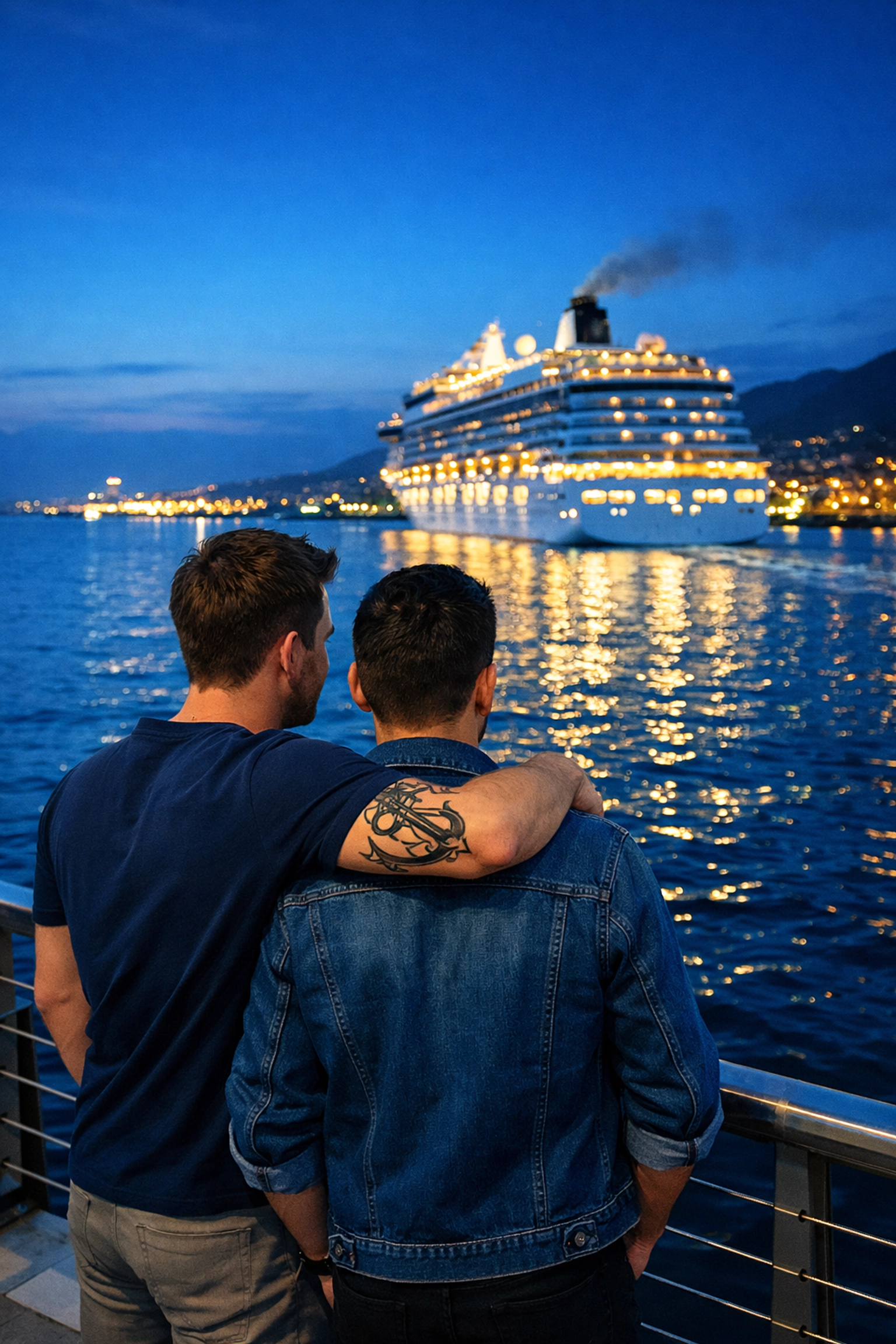
The history of shore leave is a testament to the resilience and creativity of our community. From the gritty docks of the 1900s to the vibrant coastal cities of today, the sea has always been a bridge to queer connection.
Ready to explore more stories of love on the high seas and beyond?
- Check out our product sitemap for the latest gay novels.
- Browse our author list to find your next favorite MM romance writer.
- Don't forget to check out our blog sitemap for more deep dives into queer history and culture.
At Read with Pride, we believe every story deserves to be told. Whether it's a gay spy romance set in a bustling port or a gay fantasy romance on a ghost ship, we’re here to help you find your next great read.
What’s your favorite maritime trope? Let us know in the comments!
#MMRomance #GayHistory #QueerLiterature #ReadWithPride #GayRomanceBooks #ShoreLeave #LGBTQFiction #GayBooks2026
Follow us for more queer content:
Explore more at readwithpride.com

Leave a Reply
You must be logged in to post a comment.