

readwithpride.com
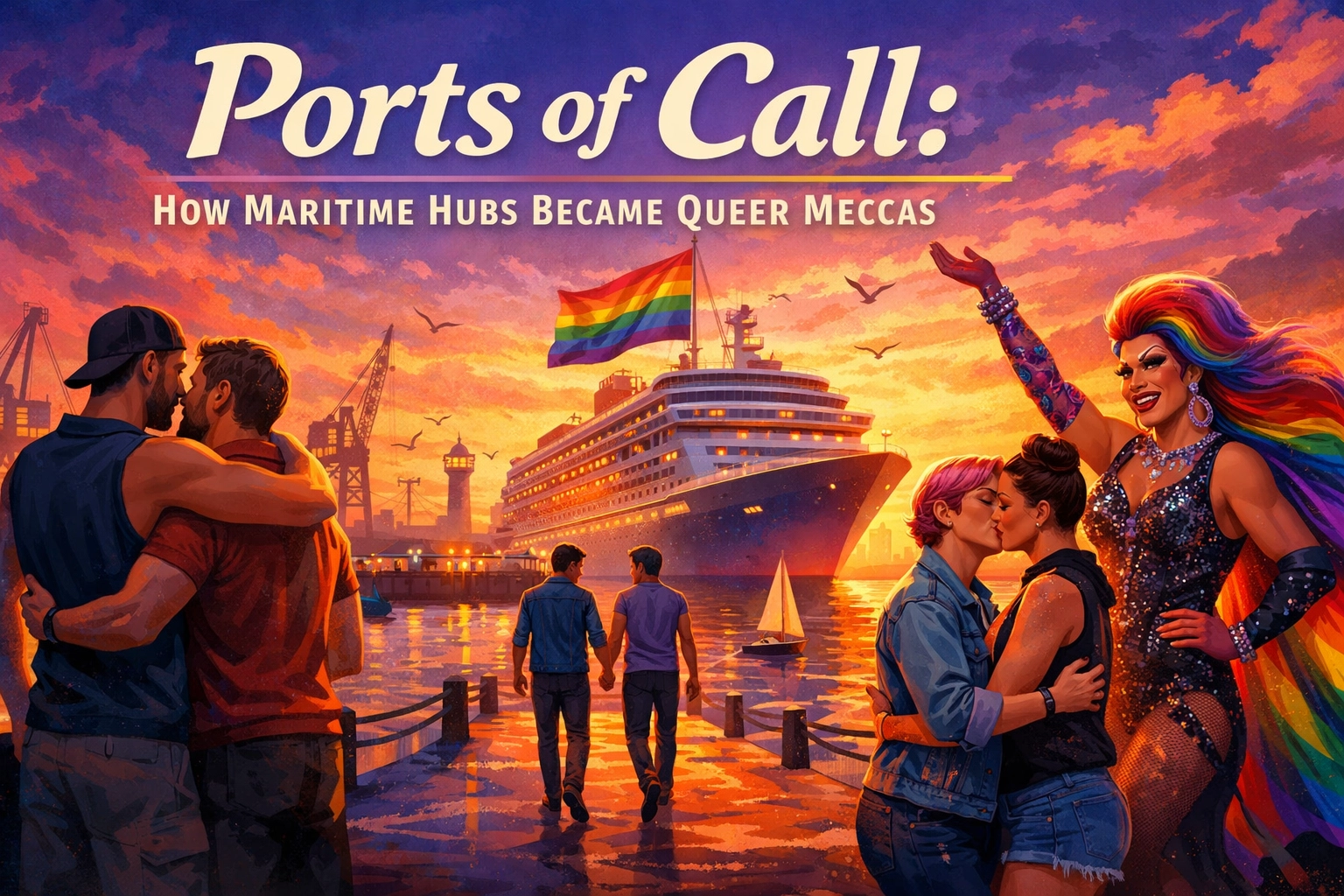
There’s something about the salt air, the rhythmic creak of a wooden hull, and the vast, unending horizon that has always whispered of freedom. For centuries, while the "respectable" folks on land were busy enforcing rigid social hierarchies and strictly gendered expectations, the high seas were operating under a different set of rules.
At Read with Pride, we’re obsessed with the stories that haven't always made it into the mainstream history books. When we look at the history of seafaring, we aren’t just looking at trade routes and naval battles; we’re looking at a massive, floating sanctuary. For many queer men throughout history, the choice to go to sea wasn't just about adventure or money: it was about survival. It was about finding a space where being "different" was just another part of the crew’s ecosystem.
The Sea as a Liminal Sanctuary
Historically, the ship was a "liminal space": a place between worlds. Once a vessel cleared the harbor, the laws and social taboos of the land began to blur. In the merchant navy, especially during the 19th and 20th centuries, the environment was surprisingly "live and let live."
Research suggests that in certain eras, particularly within the catering departments of large liners, as many as 30 to 50% of the crew were gay. On these ships, queerness wasn't just tolerated; it was a foundational part of the culture. Sailors developed their own secret language, Polari, a slang cocktail of Italian, Romani, and circus talk that allowed them to gossip, flirt, and identify one another right under the noses of the "straight" officers.
If you’ve ever dived into a gay historical romance, you know the "forced proximity" trope is a staple. But for real-life sailors, that proximity created deep, often lifelong bonds that the land-dwellers could never understand.
San Francisco: The Gold Gate’s Queer Foundation
When we talk about maritime hubs becoming queer meccas, we have to start with San Francisco. Long before the Summer of Love or the vibrant flags of the Castro, San Francisco was a rough-and-tumble port town. During the Gold Rush and through the World Wars, it was the primary jumping-off point for the Pacific.
Port cities like San Francisco attracted those who didn't fit in elsewhere. Sailors coming off long voyages were looking for a good time, and they didn’t much care for the judgment of "polite" society. The waterfront became a place where gender roles were fluid.
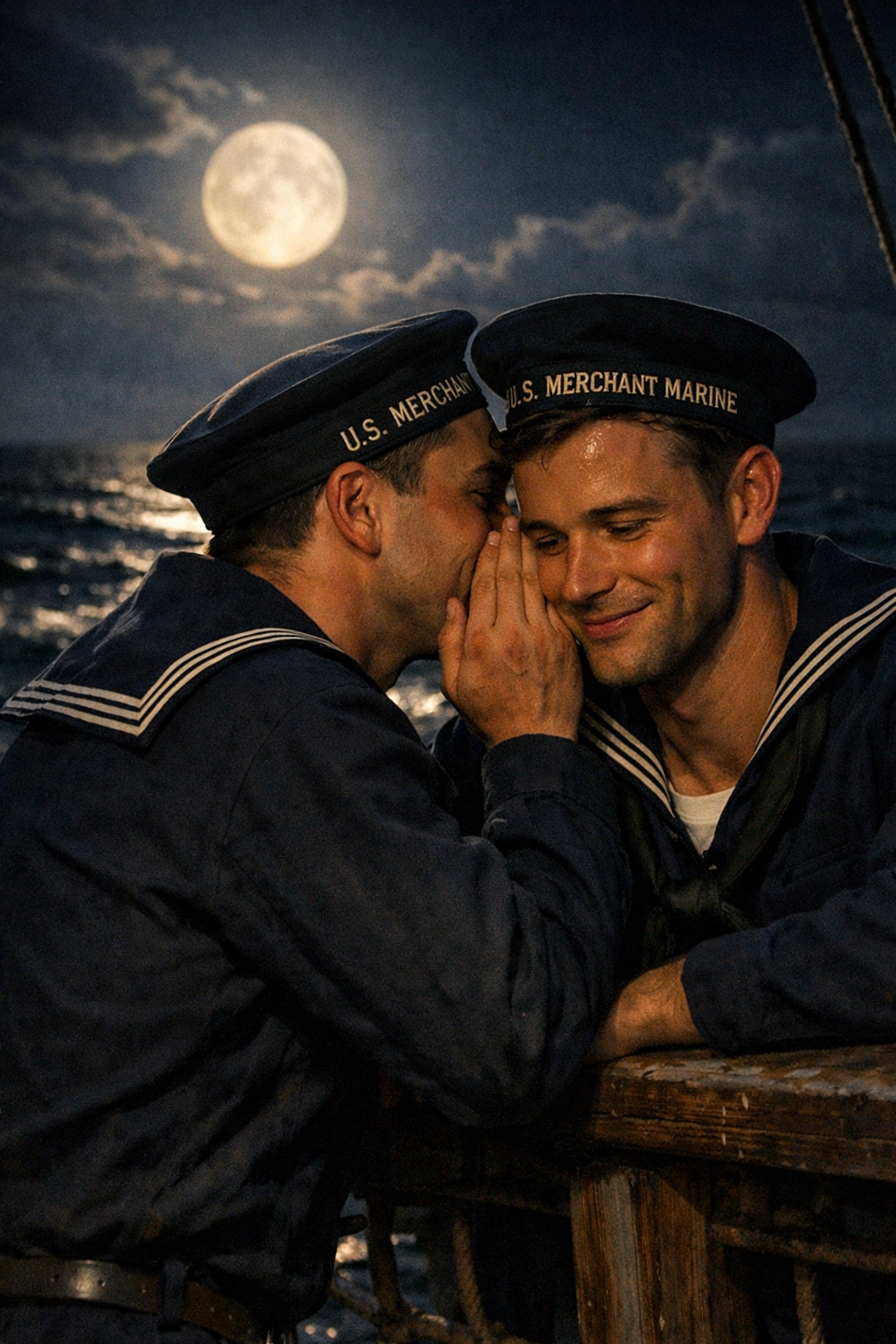
The real shift happened during and after World War II. The military’s "purge" of gay service members often resulted in men being given "blue tickets" (administrative discharges that weren't quite honorable but weren't quite dishonorable). Many of these men were processed through San Francisco. Instead of going back to their small towns in the Midwest to face shame, they simply stayed in the city where they had landed. They found work on the docks, they found each other, and they built the foundations of the modern LGBTQ+ movement.
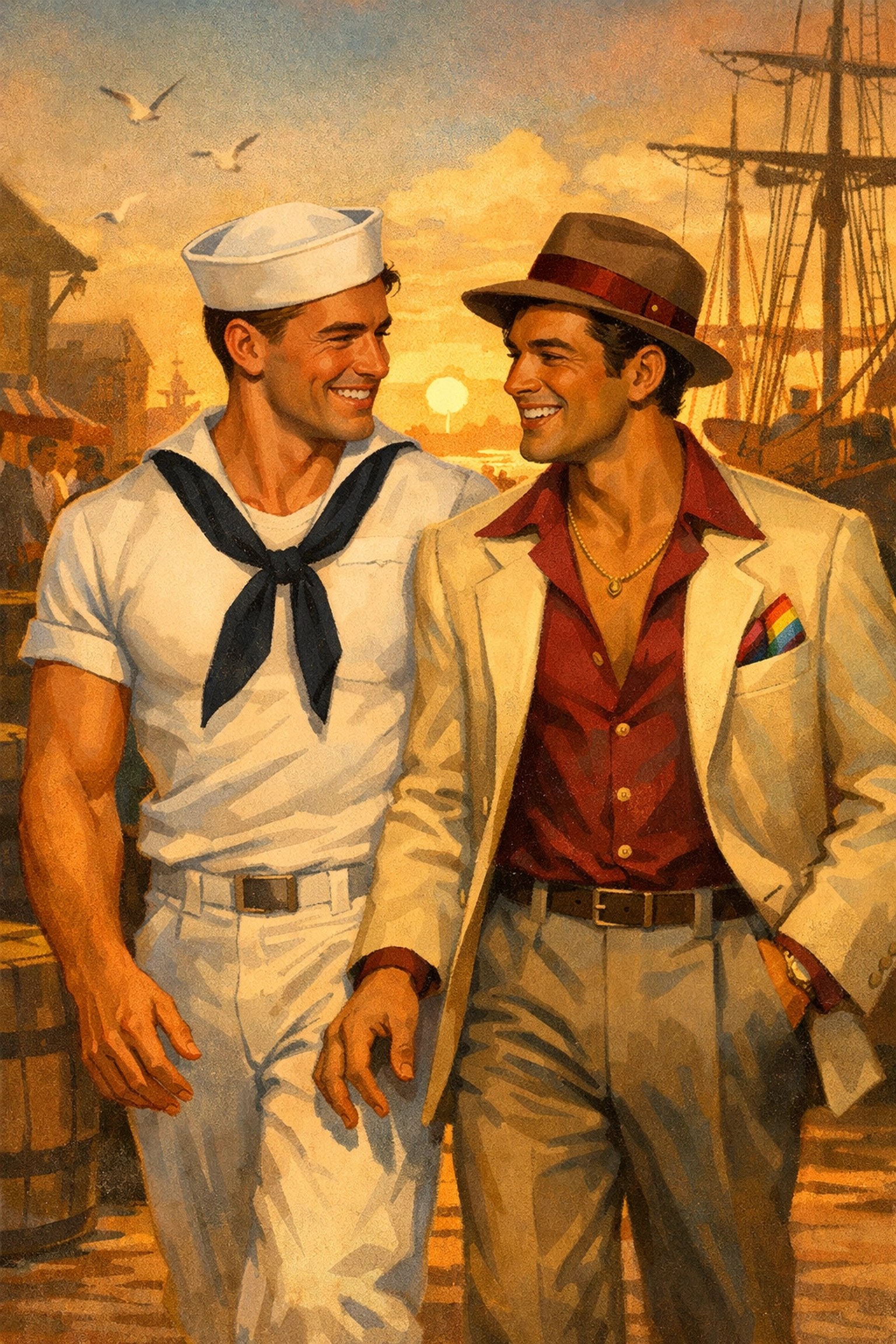
For fans of MM romance books, the aesthetic of the 1940s sailor: white Dixie cup hat, peacoat, and a longing look toward the horizon: remains one of the most popular themes in MM historical romance.
Hamburg: St. Pauli and the Freedom of the Reeperbahn
Across the Atlantic, Hamburg’s port area, St. Pauli, was carving out its own reputation as a haven for the marginalized. As one of the busiest ports in Europe, Hamburg was a melting pot of languages, cultures, and desires.
The Reeperbahn wasn't just a place for sailors to get a drink; it was a place where the "rules" of German society were suspended. In the early 20th century, even as laws against homosexuality were being tightened elsewhere, the sheer chaos and internationalism of the Hamburg docks provided a degree of anonymity. You could be anyone in St. Pauli.
The relationship between the "tars" (sailors) and the local queer community was symbiotic. The sailors brought stories, fashion, and a liberal, worldly attitude. In return, the port provided bars and clubs where they could be themselves. This legacy persists today, with Hamburg remaining one of the most queer-friendly cities in the world, its pride rooted deeply in its maritime history.
Marseille: The Mediterranean Melting Pot
If San Francisco is the gateway to the Pacific and Hamburg the gateway to the North, Marseille is the soul of the Mediterranean. Marseille has always been "different" from the rest of France. It’s a city of sailors, immigrants, and rebels.
In the mid-20th century, Marseille’s docks were a labyrinth of bars where the lines of identity were famously blurred. The "French" attitude towards sexuality: often more focused on the act and the passion than the rigid label: meant that sailors in Marseille could navigate queer spaces with a level of ease that was unthinkable in London or New York at the time.
Marseille appears in countless gay romance novels as a place of transformation. It’s where the protagonist goes to lose their old self and find a new one among the bustling markets and the sun-drenched piers. It’s a city that smells of salt, pastis, and possibility.
The Marine Cooks and Stewards Union: Solidarity at Sea
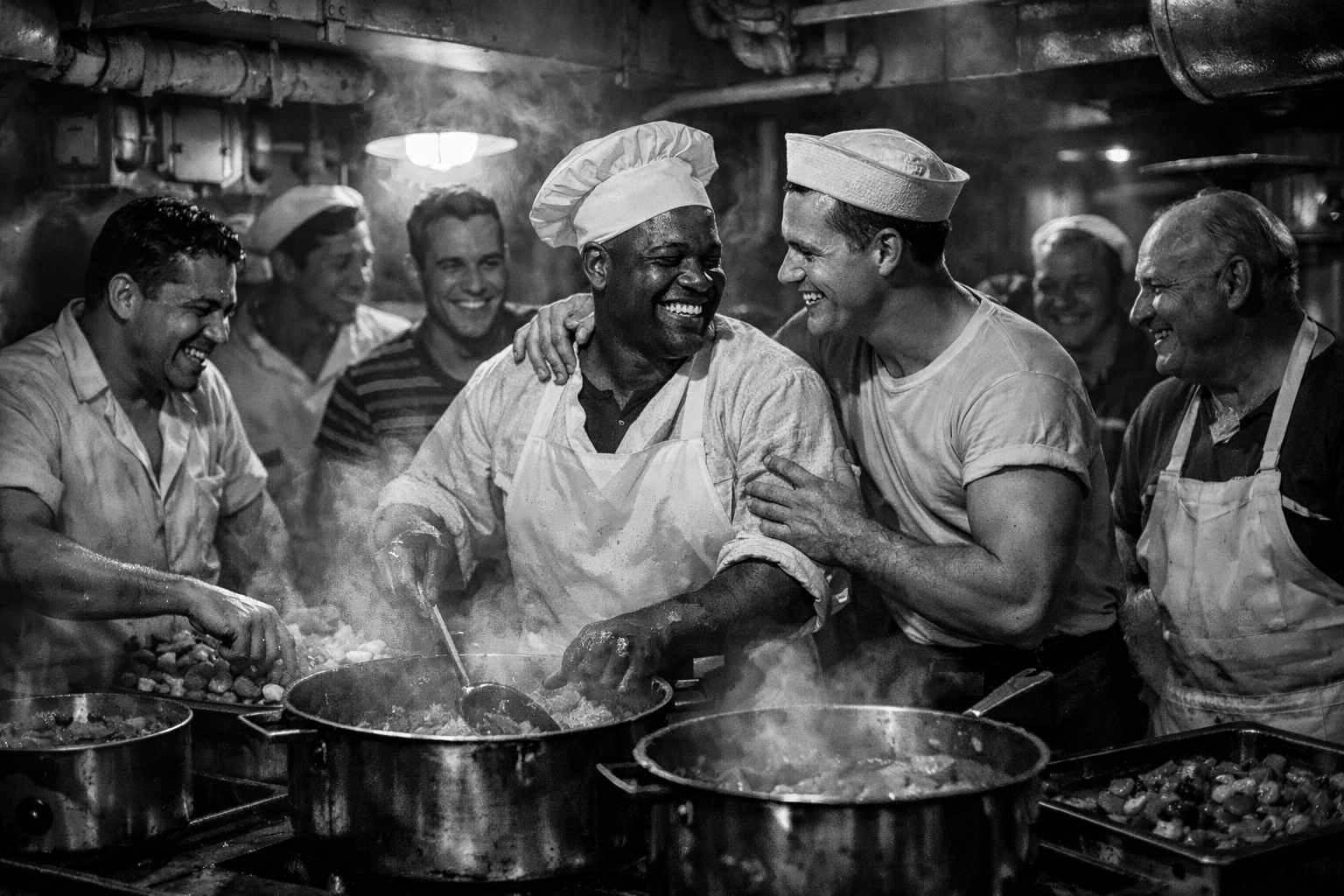
It wasn't all just secret glances and underground bars. The maritime world also led the way in organized LGBTQ+ rights. In 1936, the Marine Cooks and Stewards Union on the West Coast of the US took a radical stance. They adopted a slogan that was decades ahead of its time: "It's anti-union to red-bait, race-bait, or queen-bait."
They recognized that discrimination against gay sailors: the "queens" of the galley: was a tool used by ship owners to divide the workers. By standing in solidarity with their queer brothers, the union created a workplace where men could be out and proud while earning a living. This wasn't just about romance; it was about dignity and labor rights. It’s a powerful reminder that our history is rooted in the struggle for fair treatment in every facet of life.
Shipping Tropes in MM Romance: From History to Ebooks
The fascination with the sea continues to dominate LGBTQ+ fiction today. Whether you’re looking for a steamy MM romance set on a modern cargo ship or a heartfelt gay fiction piece about a 19th-century cabin boy, the themes remain the same:
- Forced Proximity: You’re stuck on a ship for three months. There’s one bed. You do the math.
- Enemies to Lovers: Two rival sailors who have to rely on each other during a storm? Classic.
- The "Fish Out of Water": A landlubber who joins a crew and discovers a whole new world of freedom and identity.
At Read with Pride, we believe that reading these gay love stories is a way of honoring the real men who lived these lives when it was dangerous to do so. Every time you pick up one of our MM contemporary or gay adventure romance titles, you’re connecting with a lineage of seafarers who looked at the horizon and saw a way out.
Looking Toward the Horizon in 2026
While the history of maritime life is filled with stories of acceptance, the modern world still presents challenges. Recent reports show that seafarers still face bullying and harassment in some corners of the industry. However, the legacy of the "queer meccas" remains strong. Modern networks like Pride in Maritime are working to ensure that the sea remains the sanctuary it was always meant to be.
Whether you’re a fan of gay spy romance set on a luxury yacht or gay fantasy romance involving mythical sea creatures, the ocean continues to be a canvas for our wildest dreams and our most authentic selves.
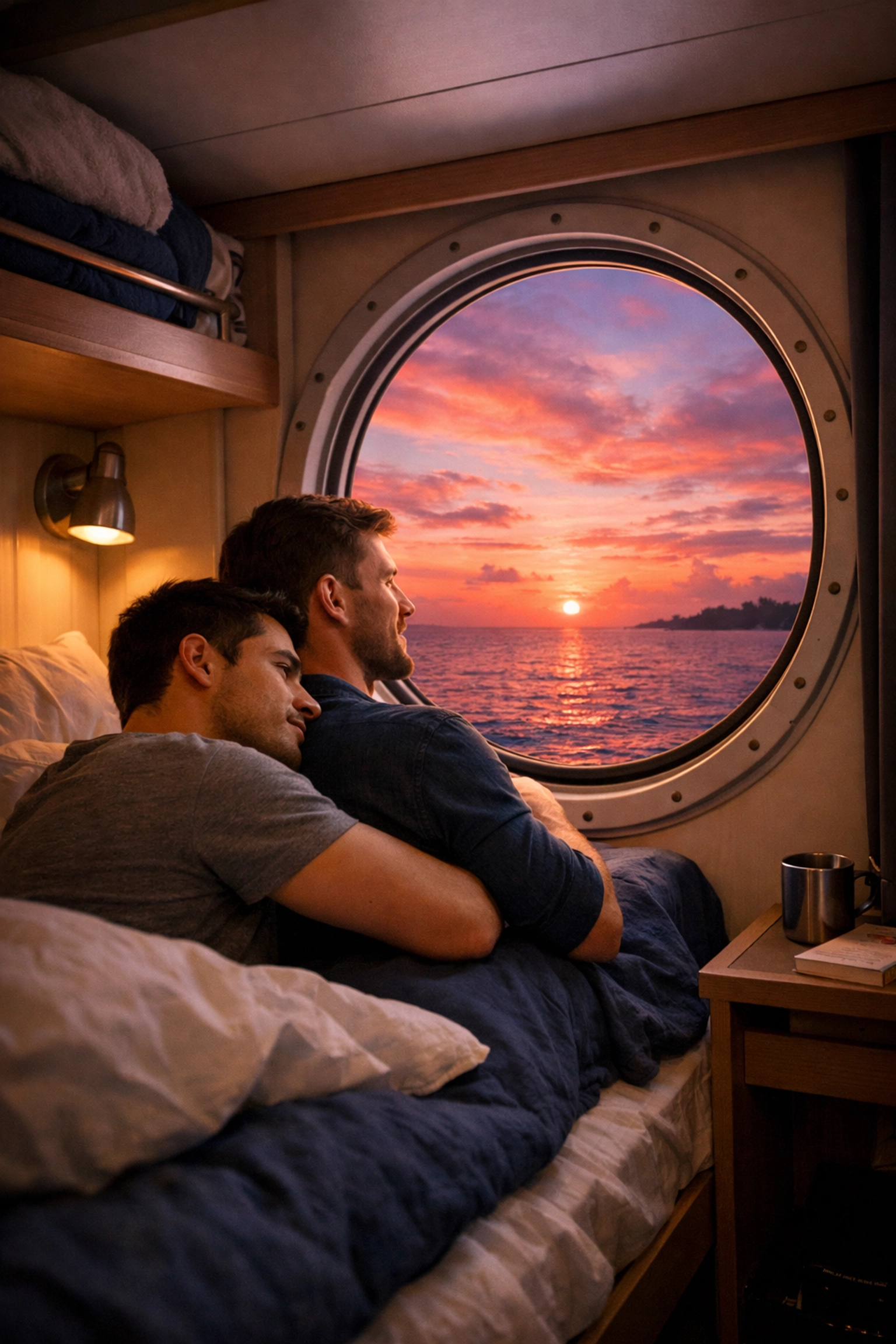
So, the next time you visit a port city or look out over the ocean, remember the "queens" of the galley, the Polari-speaking sailors of the merchant navy, and the unions that fought for their right to exist. They didn't just sail the world; they changed it.
Want more queer history and book recommendations? Check out our latest releases for 2026 gay books and dive into our sitemaps to find your next great read.
Stay proud, stay salty, and keep reading.
Join the conversation:
- Follow us on Facebook
- Catch us on X (Twitter)
- See our latest faves on Instagram
#ReadWithPride #MMRomance #GayHistory #QueerMaritime #GayBooks2026 #MaritimeMeccas #LGBTQFiction #GayTravel #Polari #SailorPride #GayRomanceNovels

Leave a Reply
You must be logged in to post a comment.