

readwithpride.com
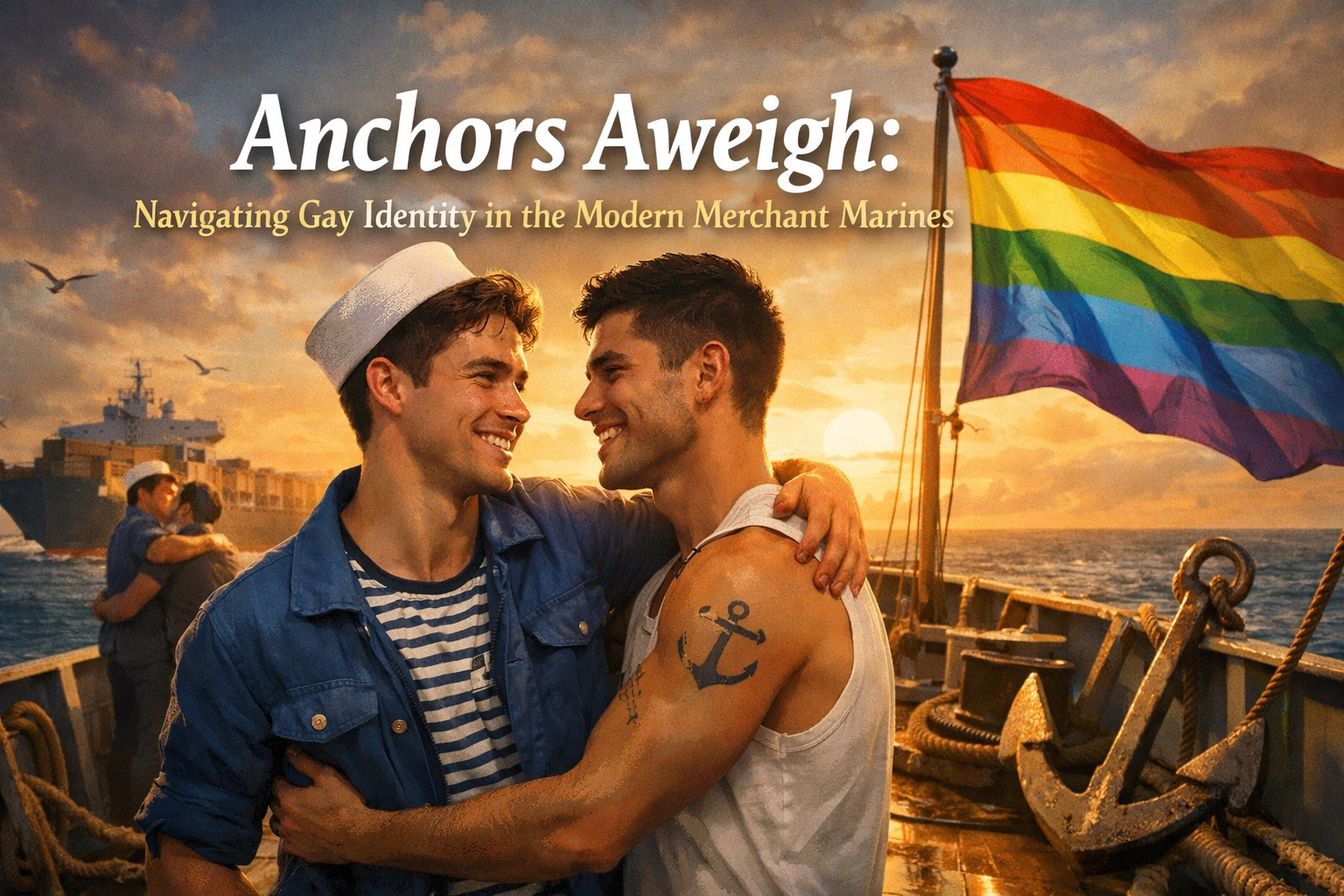
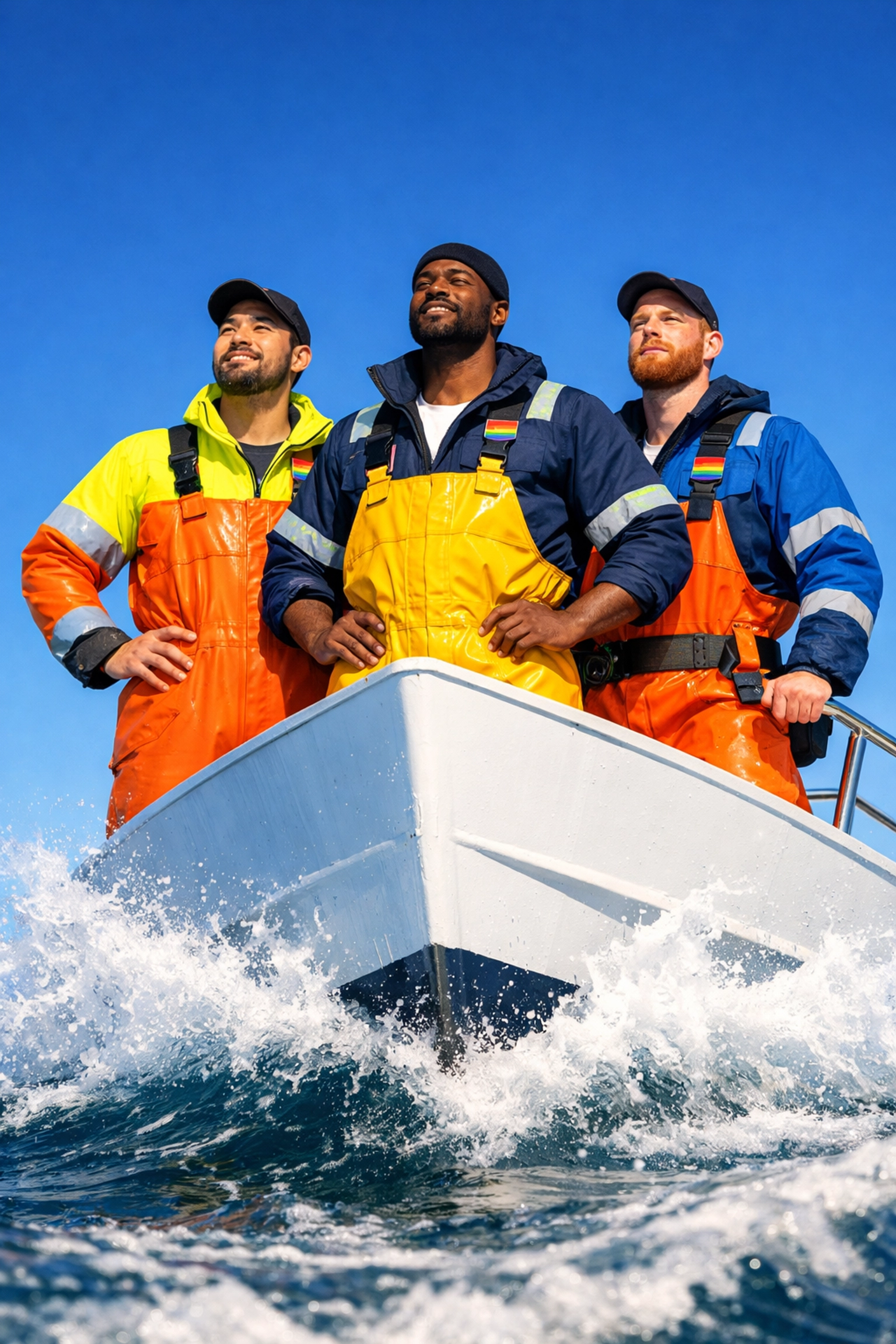
There’s something undeniably romantic about the sea. For centuries, the image of the rugged sailor, wind-whipped and salt-sprayed, has been a staple of both high literature and our favorite gay romance novels. We’ve all read those MM romance books where two lonely hearts find solace in the middle of the Atlantic, or a "forced proximity" trope plays out in a cramped cabin during a storm. But what is it actually like for the modern-day gay man working in the merchant marines?
The reality of life on a global shipping route is a complex cocktail of historical legacy, intense isolation, and a unique set of challenges that don't always make it into the pages of a steamy MM romance. Today, we’re diving deep into the blue to explore the history, the current climate, and the future of being queer on the high seas.
From "Queer Heaven" to the Modern Grind
Believe it or not, there was a time when the Merchant Navy was considered a "queer heaven." Between 1945 and 1985, long before the mainstream world was ready to embrace LGBTQ+ rights, the merchant ships: particularly passenger liners: were spaces where gay men could find a level of acceptance that was virtually non-existent on land.
While homosexual acts were technically illegal in many jurisdictions until the late 90s, the "don't ask, don't tell" culture of the sea often skewed toward "we don't care as long as you do your job." Many men who were discharged from the military during WWII for their sexual orientation found a home in the merchant marines. They took on roles in catering, hospitality, and stewards, creating a vibrant subculture where "Polari" (a secret gay slang) echoed through the galleys.
Fast forward to 2026, and the landscape has shifted. The passenger liners of old have been replaced by massive, automated container ships and tankers. The "queer heaven" reputation has faded, replaced by a more sterile, professionalized, and: interestingly: more conservative environment.
The Numbers Game: The 2.91% Reality
If you look at the stats, the maritime industry has a bit of a representation problem. Recent data suggests that only about 2.91% of merchant mariners identify as LGBT. When you compare that to industries like aviation: where flight attendants identify as LGBT at a rate of over 31%: the disparity is staggering.
Why the gap? Unlike the Royal Navy or the US Navy, which have established formal support networks and inclusive policies, the commercial merchant marine is a fragmented world. When you’re on a ship, you’re not just at work; you’re in a floating village. Your crew might consist of people from twenty different countries, many of which still have harsh laws or cultural stigmas against the LGBTQ+ community. This makes coming out a calculated risk rather than a simple act of authenticity.
The Challenges of the Floating Village
Working on global shipping routes means you are often the only out person: or even the only gay person: on a ship for months at a time. This brings a specific kind of "forced proximity" that is less about romance and more about survival.
- Cultural Clashes: You might be a deck officer from a liberal background, but your captain or your bunkmate might come from a country where being gay is a criminal offense. Navigating those social waters requires a level of emotional intelligence that would make a diplomat sweat.
- Lack of Support: In a traditional office, you have HR. In the military, you have a chain of command and diversity officers. On a merchant vessel, you have the ocean. If you face harassment or discrimination, there are very few formal avenues for help, leading many to stay in the closet for the duration of their contract.
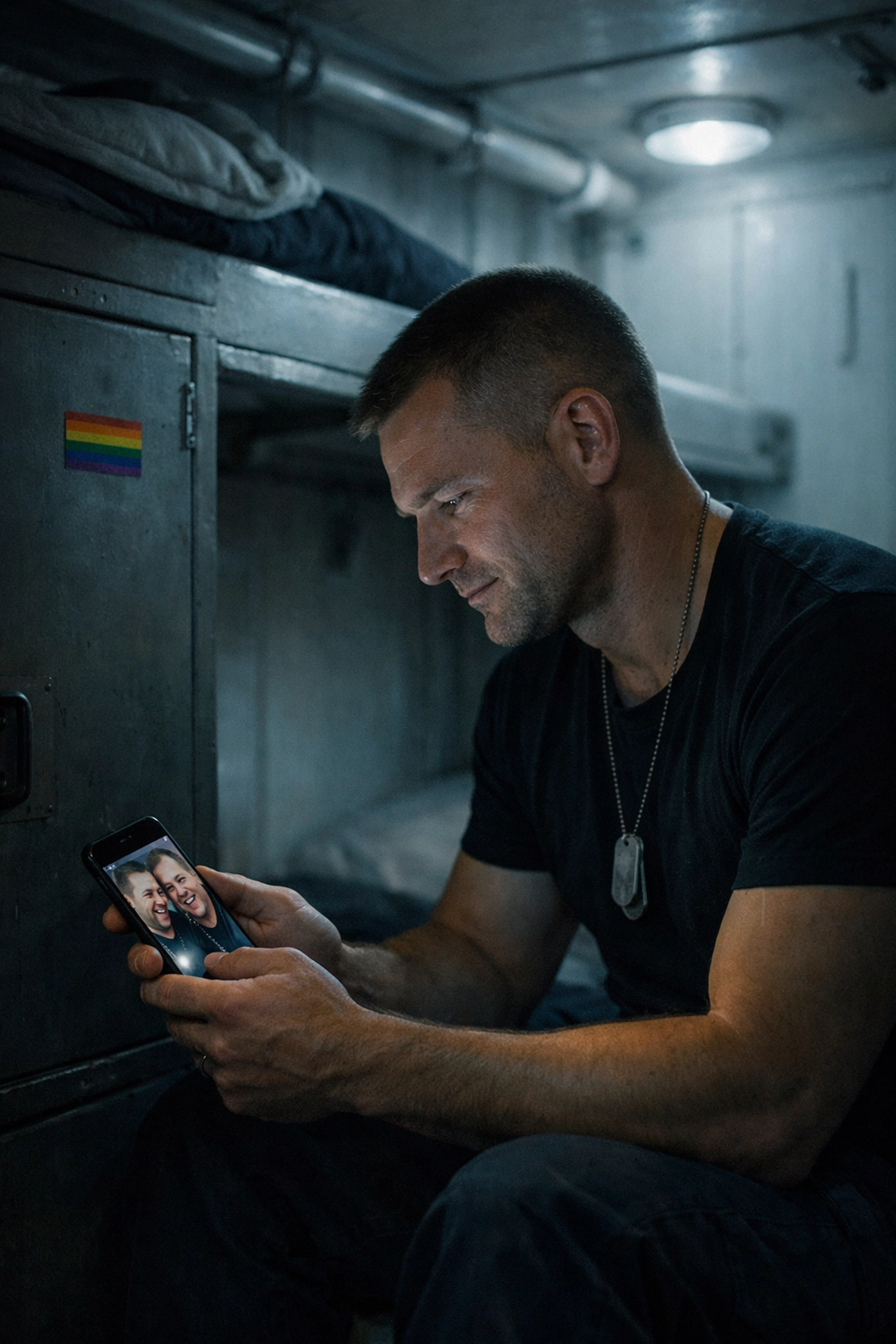
- Isolation: Even for straight mariners, the sea is lonely. For gay mariners, that isolation is doubled. You’re missing Pride, you’re missing the community, and you’re often hiding a part of yourself from the very people you rely on to keep the ship afloat.
Why We Still Love the Maritime Trope
Despite the hardships, the allure of the sea remains a powerhouse in queer fiction and gay books. Why? Because the merchant marine setting is the ultimate playground for high-stakes storytelling.
In MM contemporary fiction, the "ocean setting" provides the perfect backdrop for internal growth. There is something transformative about the vastness of the water. We see this in some of the best MM romance books of 2026, where authors use the isolation of the ship to force characters to confront their feelings without the distractions of the modern world.
Think about the "enemies to lovers MM romance" trope. When you’re stuck on a tanker for six months with a guy you can’t stand, that friction eventually turns into heat. Whether it’s a gay historical romance set on a 19th-century clipper or a gay adventure romance on a modern-day cargo ship, the merchant marine offers a sense of escapism that few other settings can match.
The Path to an Inclusive Horizon
So, how do we move forward? The maritime industry is at a crossroads. To attract the next generation of talent, it needs to become a place where everyone feels safe to work. Industry advocates are calling for:
- IMO Visibility: The International Maritime Organization needs to step up and create global standards for LGBTQ+ inclusion.
- Leadership Representation: We need more out captains and officers to show that there is a career path for queer people at sea.
- Education: Maritime academies need to provide resources and training to ensure that the "floating villages" of the future are built on respect rather than prejudice.
At Read with Pride, we believe in the power of stories to change the world. By reading gay novels that feature mariners and seafaring life, we humanize these experiences and shed light on a corner of the workforce that is often ignored.
Recommendations for Your Next Voyage
If you’re looking to dive into some seafaring M/M books, here are a few niches to explore:
- Gay Historical Romance: Look for stories set during the "queer heaven" era of the mid-20th century. These books often capture the secret language and clandestine parties of the old passenger liners.
- MM Fantasy: Who says merchant mariners have to stay on Earth? Space-faring "merchant marines" are a huge trend in gay fantasy romance right now, keeping the "mariner" spirit alive in the stars.
- Emotional MM Books: Some of the most heartfelt gay fiction focuses on the families left behind and the struggle of maintaining a relationship while one partner is at sea for 300 days a year.
Staying Connected
Life at sea might be isolating, but your reading experience shouldn't be. Join our gay book club and connect with other readers who love popular gay books and new gay releases. Whether you’re a fan of steamy MM romance or award-winning gay fiction, we’ve got something for you.
Check out our latest collections and LGBTQ+ ebooks at readwithpride.com. We are dedicated to bringing you the best in gay literature, from MM historical romance to gay psychological thrillers.
Don't forget to follow us on social media for daily updates, gay book recommendations, and more:
- Facebook: Read With Pride
- X (Twitter): @Read_With_Pride
- Instagram: @read.withpride
The ocean is vast, and the stories are endless. Let’s keep navigating these waters together, one page at a time.
#GayRomance #MMRomance #LGBTQBooks #MerchantMarine #QueerHistory #ReadWithPride #GayFiction #SeafaringLife #2026GayBooks #MMAuthors #GayLoveStories #ForcedProximity #EnemiesToLovers
For more information on our publishing and sitemaps, feel free to explore:

Leave a Reply
You must be logged in to post a comment.