

readwithpride.com
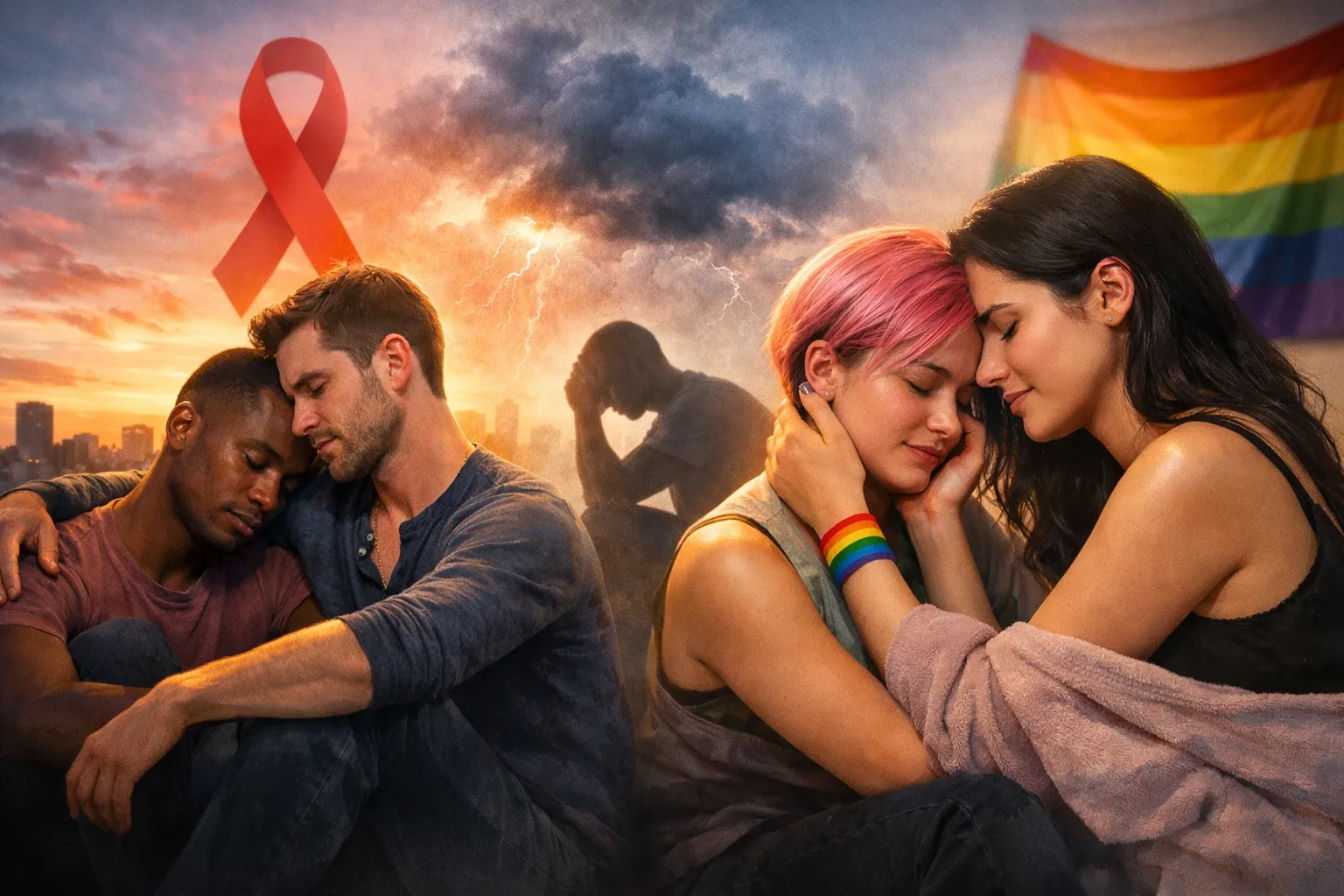
Let’s be real for a second: life isn't always like the "happily ever after" we find in our favorite MM romance books. While we all love a good slow-burn or an enemies-to-lovers arc, real life often throws us plot twists that are a lot harder to navigate than a fictional misunderstanding. One of the most significant challenges many in our beautiful, vibrant community face is living with HIV.
At Read with Pride, we believe in the power of stories: not just the ones on the page of our gay novels, but the ones we live every single day. Navigating a diagnosis isn't just about pill counts and viral loads; it’s a deeply emotional, psychological journey. In 2026, we have the medical tools to live long, healthy lives, but the mental health aspect? That’s a chapter we’re still learning to write together.
The Psychological Impact: More Than Just a Diagnosis
When you first hear those words, it can feel like the world has shifted off its axis. Even with all the progress we’ve made, an HIV diagnosis can trigger a wave of fear, guilt, and shame. It’s a heavy weight to carry, and it’s one that disproportionately affects our mental wellness.
Research shows that mental health conditions are significantly more prevalent among people living with HIV. In fact, those of us living with the virus are twice as likely to experience depression compared to those without it. For the younger generation, the stats are equally startling: about a quarter of young people with HIV struggle with depression, and 17% deal with anxiety. This isn't just "having a bad day": this is a physiological and psychological response to a massive life change.

The Biology of the Blues: Why the Connection Exists
It’s easy to think that the stress of HIV is purely emotional, but there’s some heavy-duty science happening under the hood. HIV causes inflammation throughout the body, including the brain. This irritation can lead to long-term changes that act as risk factors for mental health conditions.
Then there’s the medication itself. While modern ARVs are literal lifesavers, some drugs (like doravirine) have been linked to side effects like sleep disturbances or mood shifts. If you’re feeling "off" after starting a new regimen, remember: it’s not just in your head. It’s your body reacting to the chemistry. This is why having an open, honest relationship with your doctor is just as important as the plot in a top-tier gay thriller. You deserve to feel good, both physically and mentally.
The Ghost of Stigma: Why We’re Still Fighting
We talk a lot about queer fiction and gay love stories because they offer a safe haven from a world that can still be pretty harsh. Despite the fact that "Undetectable = Untransmittable" (U=U) is a scientific reality, the stigma surrounding HIV persists.
This stigma is often the biggest hurdle to mental wellness. The fear of disclosure: wondering if a potential partner from a dating app or a new friend will treat you differently: creates a cycle of isolation. Stigma can lead to:
- Post-Traumatic Stress Disorder (PTSD): Affecting about 10.5% of young people living with HIV.
- Social Withdrawal: Pulling away from the very communities that could support us.
- Internalized Shame: Believing the outdated, negative myths society tells about the virus.
At Readwithpride.com, we aim to shatter these narratives. Our community thrives when we share our truths, whether through gay contemporary romance or raw, honest conversations about our health.
Finding Your Tribe: The Power of Peer Support
If there’s one thing MM romance novels teach us, it’s that nobody has to go it alone. Whether it’s a "found family" trope or a supportive best friend, community is the antidote to the isolation of HIV.
Peer support is a game-changer. Talking to someone who has been through the same diagnosis, who understands the anxiety of a lab day, or who knows the "first date disclosure" jitters, provides a level of validation that clinical therapy sometimes can't. Peer groups help bridge the gap between "patient" and "person." They remind us that we are part of a lineage of survivors and thrivers.

Navigating the 2026 Landscape: Mental Wellness Strategies
So, how do we navigate this? How do we move from the "shock" phase to the "thriving" phase?
- Integrative Care: Your mental health is just as important as your CD4 count. Seek out healthcare providers who understand the intersection of LGBTQ+ identity and HIV.
- Medication Management: If your meds are messing with your mood, speak up! There are more options in 2026 than ever before.
- Mindfulness and Movement: Chronic stress reduces the body’s ability to fight the virus. Finding ways to lower your cortisol: be it through yoga, meditation, or just getting lost in a steamy MM romance: is a vital part of your treatment plan.
- Storytelling: There is healing in narrative. Whether you are writing your own journey in a journal or reading popular gay books that feature diverse, resilient characters, stories help us make sense of our reality.
Why Representation Matters in Queer Fiction
You might wonder why a publisher of LGBTQ+ ebooks is talking about HIV and mental health. The answer is simple: representation saves lives. For a long time, HIV stories in literature were limited to tragedies. But in 2026, we are seeing a shift. We need more M/M books and queer fiction where characters live with HIV, take their meds, go to therapy, and still find the love and passion they deserve.
When we see ourselves reflected in gay love stories: not as "victims" but as complex humans with full lives: it chips away at that internalized stigma. It reminds us that our status is just one part of our story, not the whole book.
If you're looking for stories that celebrate our resilience, check out our latest releases or browse our blog category for more insights on LGBTQ+ life.
Closing the Chapter on Shame
Navigating life with HIV is a marathon, not a sprint. There will be days when the mental load feels heavy, and that’s okay. Recovery is possible, and mental wellness is within reach. By addressing the biological triggers, fighting back against stigma, and leaning into our community, we can write a future that is bright, healthy, and full of love.
Remember, you are more than a diagnosis. You are a protagonist in your own right, and your story is far from over.
For more resources, community stories, and the best in gay romance novels, stay connected with us. We’re here to help you read, live, and love with pride.

Join the Conversation:
Have you found a particular book or community group that helped you navigate your mental health? Share your thoughts with us on social media!
Follow us for more:
- Facebook: Read with Pride
- X (Twitter): @Read_With_Pride
- Instagram: @read.withpride
Explore More:
#ReadWithPride #HIVAwareness #MentalHealthMatters #LGBTQWellness #MMRomance #GayFiction #QueerStories #UequalsU #EndTheStigma #GayBooks2026

Leave a Reply
You must be logged in to post a comment.