

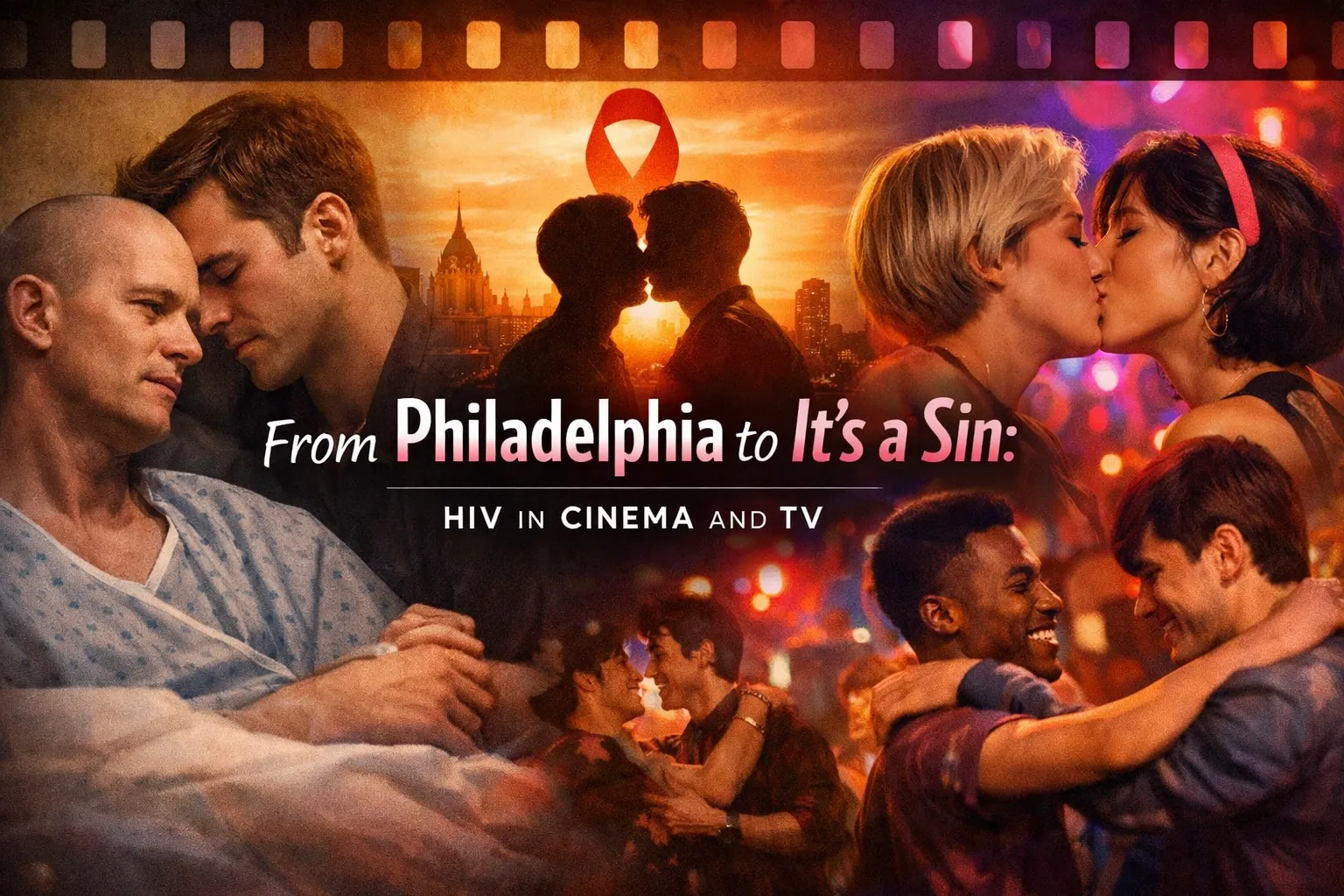
readwithpride.com
If you grew up as a queer kid in the 90s, your first introduction to the HIV/AIDS crisis likely came through a flickering TV screen or a heavy-duty cinema seat. For a long time, the narrative was pretty much a one-way street: tragedy, hospital gowns, and a lot of sobbing in courtrooms. Fast forward to 2026, and the way we tell these stories has undergone a massive glow-up. We’ve moved from "the tragic victim" to complex, messy, vibrant characters who aren't just defined by a diagnosis, but by their lives, loves, and legendary dance moves.
At Read with Pride, we’re obsessed with how our history is documented: whether that’s in MM romance books, gritty queer fiction, or on the silver screen. Today, we’re taking a deep dive into the evolution of HIV in cinema and TV, looking at how we went from the mainstream breakthrough of Philadelphia to the heart-shattering brilliance of It’s a Sin.
The Mainstream Awakening: Philadelphia (1993)
Let’s set the scene: It’s 1993. The crisis had been ravaging the community for over a decade, but big-budget Hollywood was largely silent. Then came Philadelphia. Casting Tom Hanks: the "nicest guy in Hollywood": was a tactical genius move by director Jonathan Demme. It forced suburban families to care about a gay man living with HIV.
Andrew Beckett wasn't just a character; he was a mirror. The film focused on the injustice of his wrongful termination, but the real emotional heavy lifting was seeing Joe Miller (Denzel Washington) overcome his own homophobia and fear of the virus.
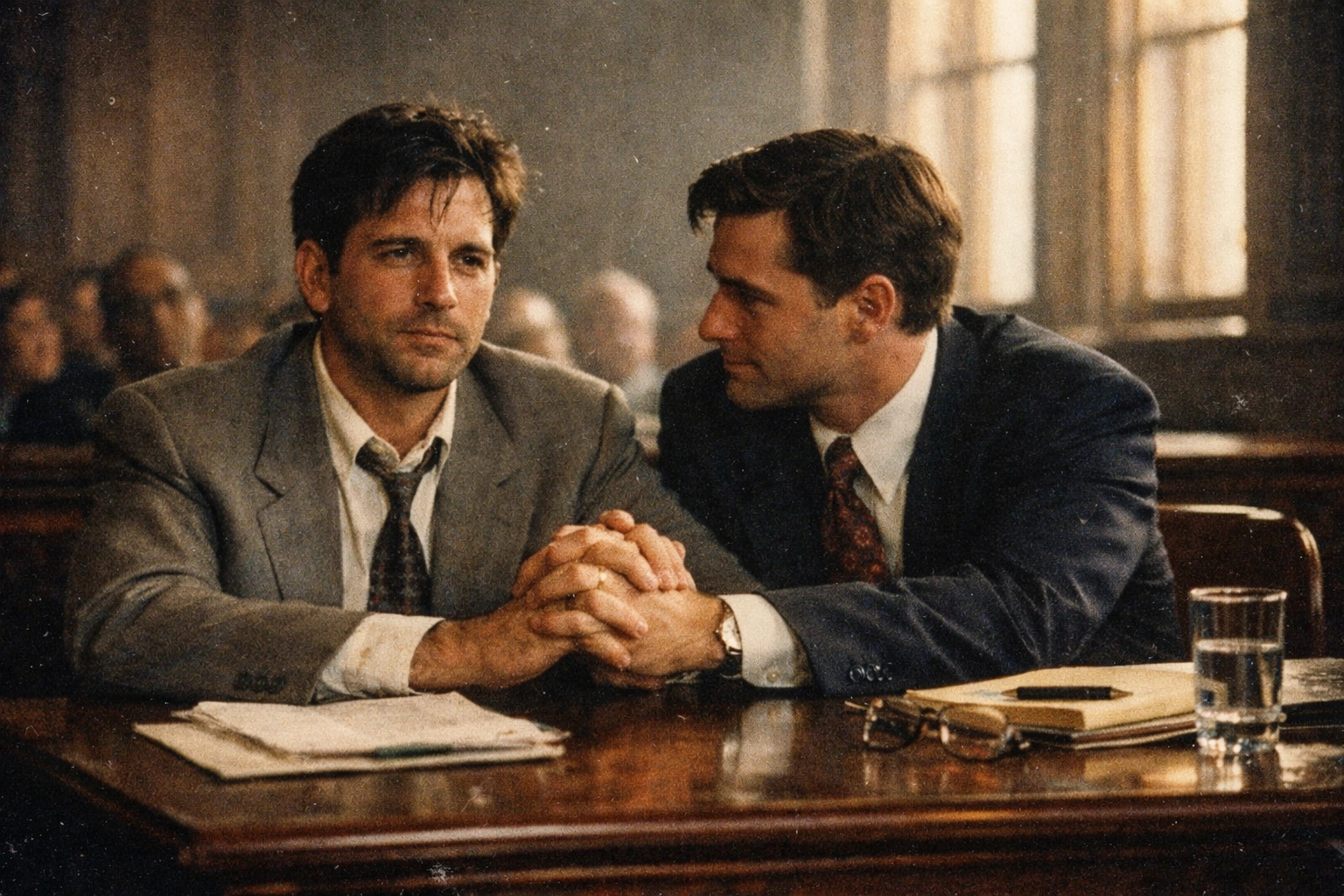
Visual: A dramatic 1990s courtroom setting, symbolizing the legal and social battles of the early HIV era.
Philadelphia was groundbreaking because it was the first time many people saw the human face of the epidemic. It used the tropes of a legal thriller to sneak a message of compassion into the mainstream. While some modern critics find it a bit "sanitized" for a straight audience, we have to give it its flowers. It paved the way for the gay literature and gay novels that followed, proving there was a massive audience for stories about our lives: and our survival.
The Intersection of Race and Class: Pose
While Philadelphia focused on a high-flying white lawyer, the reality of the crisis was (and is) far more diverse. Enter Pose. This show didn't just walk the category; it owned the whole ballroom. By focusing on Black and Brown trans women and gay men in the 1980s and 90s NYC ballroom scene, Pose shifted the narrative to those who were most marginalized and often forgotten by the mainstream medical establishment.
In Pose, HIV isn't just a medical condition; it’s a catalyst for community building. We see the "chosen family" dynamic in its purest form: the Houses of Evangelista and Ferocity taking care of their own when hospitals wouldn't. This resonates deeply with the themes we see in contemporary MM contemporary and LGBTQ+ fiction, where the "found family" trope is a staple of our resilience.
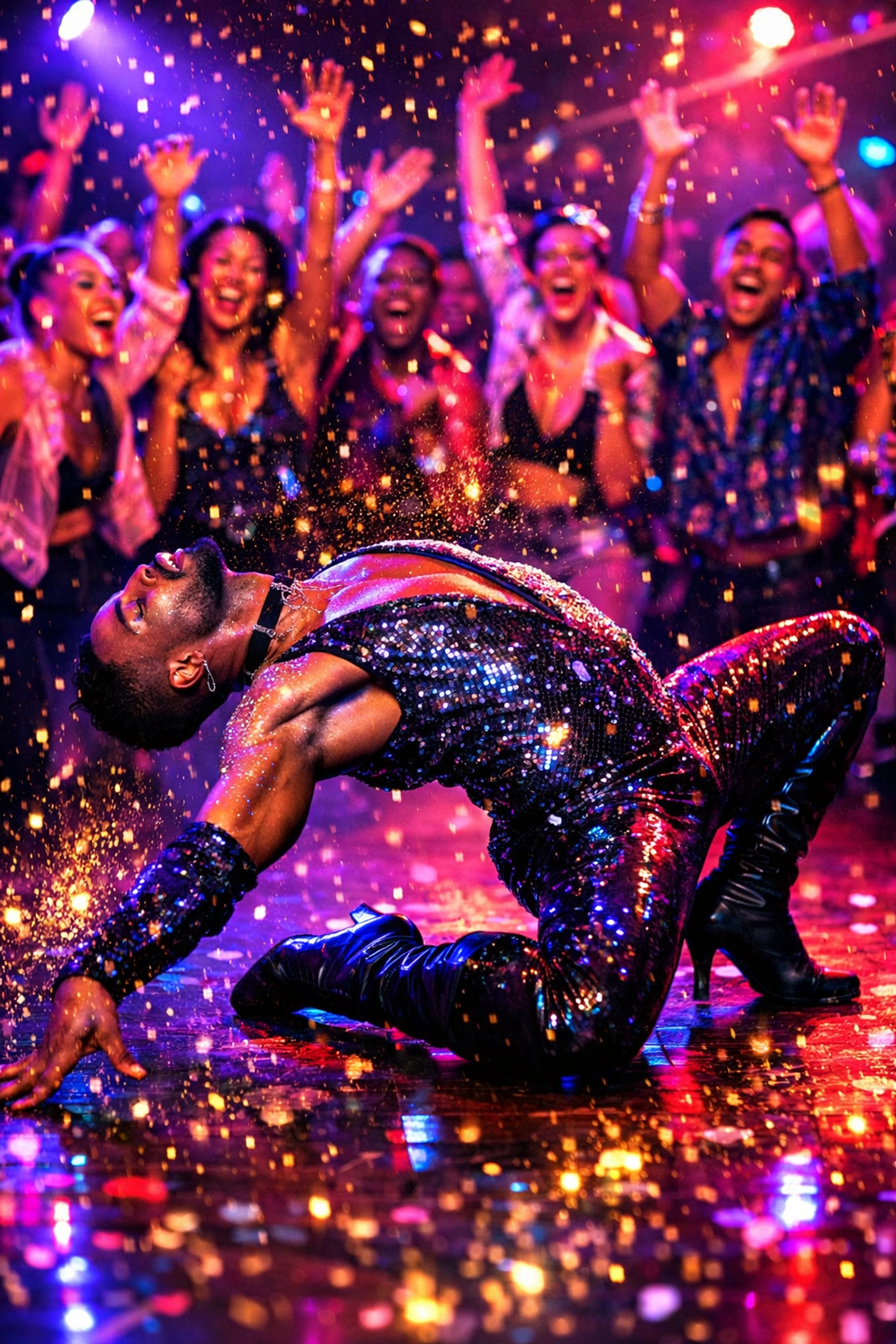
Visual: A vibrant, neon-lit ballroom scene with dancers in extravagant costumes, celebrating the energy of the NYC queer community.
Pose showed us that even in the face of a plague, there was joy. There was glitter. There was voguing. It moved the needle from "pity" to "empowerment," reminding us that queer history isn't just a list of tragedies; it’s a legacy of fierce resistance. If you’re a fan of gay romance books that feature deep emotional bonds and overcoming adversity, the storylines in Pose are the blueprint.
The Power of the "Living" Narrative: It’s a Sin
If Philadelphia was the wake-up call and Pose was the revolution, Russell T. Davies’ It’s a Sin was the gut-punch that reminded us why we must never forget. Released in 2021, this UK miniseries followed a group of friends in London throughout the 1980s.
What made It’s a Sin so different? It allowed the characters to be young, horny, and stupid before it allowed them to be sick. Ritchie, Jill, Ash, Roscoe, and Colin weren't just "cases." They were kids having the time of their lives in the big city. When the virus begins to pick them off one by one, it feels personal because the show spent so much time making us fall in love with their vibrant spirits.
It also didn't shy away from the shame and the silence that killed as surely as the virus did. The ending: a searing indictment of the families who scrubbed their sons’ lives clean of "the gay" after they died: is one of the most powerful moments in TV history. It’s the kind of raw, authentic storytelling we look for in top LGBTQ+ books and new gay releases.
Why Media Representation Matters for the Readers of 2026
You might be wondering, "Why are we still talking about this in 2026?" Because representation directly impacts how we treat each other and how we see ourselves. In the world of LGBTQ+ eBooks and Kindle books, we’re seeing a shift toward U=U (Undetectable = Untransmittable) narratives.
Modern MM romance often features characters living healthy, full lives with HIV. This is vital. We need the historical context of It’s a Sin to honor our elders, but we also need the contemporary gay love stories that show HIV as a manageable part of a happy, romantic life.

Visual: A cozy modern library setting with a diverse range of LGBTQ+ books on display, representing the variety of stories available today.
At Readwithpride.com, we believe that every story: from the heavy historicals to the steamy MM romance: contributes to the tapestry of our culture. Whether you're looking for a gay historical romance set in the 80s or a gay thriller with a modern edge, these narratives help us process our collective trauma and celebrate our collective future.
From Screen to Page: Recommendations for Your TBR
If these shows have left you wanting more deep, emotional, and authentic queer stories, here are a few tropes to look for in our store:
- Enemies to Lovers MM Romance: Because sometimes the best way to heal is with the person you least expected.
- Slow Burn: For those who love the tension and the emotional payoff.
- Gay Historical Romance: Explore the eras that It’s a Sin and Philadelphia brought to life.
- Action Adventure Literature Fiction: For stories of queer resilience in the face of danger.

Visual: Two men sitting together on a bench, looking out at a sunset, symbolizing a hopeful and romantic future.
The Future of HIV Stories
As we move forward, the "HIV story" is changing. It’s no longer just a "deathbed scene." It’s a story about insurance battles, about dating while positive, about reclaiming the body, and about aging as a long-term survivor. We see these themes reflected in the award-winning gay fiction of 2026, where authors are pushing the boundaries of what a "queer story" can be.
The evolution from the courtroom of Philadelphia to the pink palace of It’s a Sin shows that we are finally being allowed to tell our own stories, in our own voices, with all the mess and magic included.
Stay authentic, stay proud, and keep reading.
Explore More:
- Check out our latest releases: Readwithpride.com Product Sitemap
- Find your next favorite author: Author Directory
- Dive into 20th-century queer history: Historical Romance Section
Follow the journey:
Facebook | Twitter/X | Instagram
#ReadWithPride #LGBTQFiction #ItsASin #PoseFX #MMRomance #GayHistory #QueerCinema #HIVAwareness #GayBooks2026 #MMRomanceBooks #GayLiterature #QueerStories

Leave a Reply
You must be logged in to post a comment.