

readwithpride.com
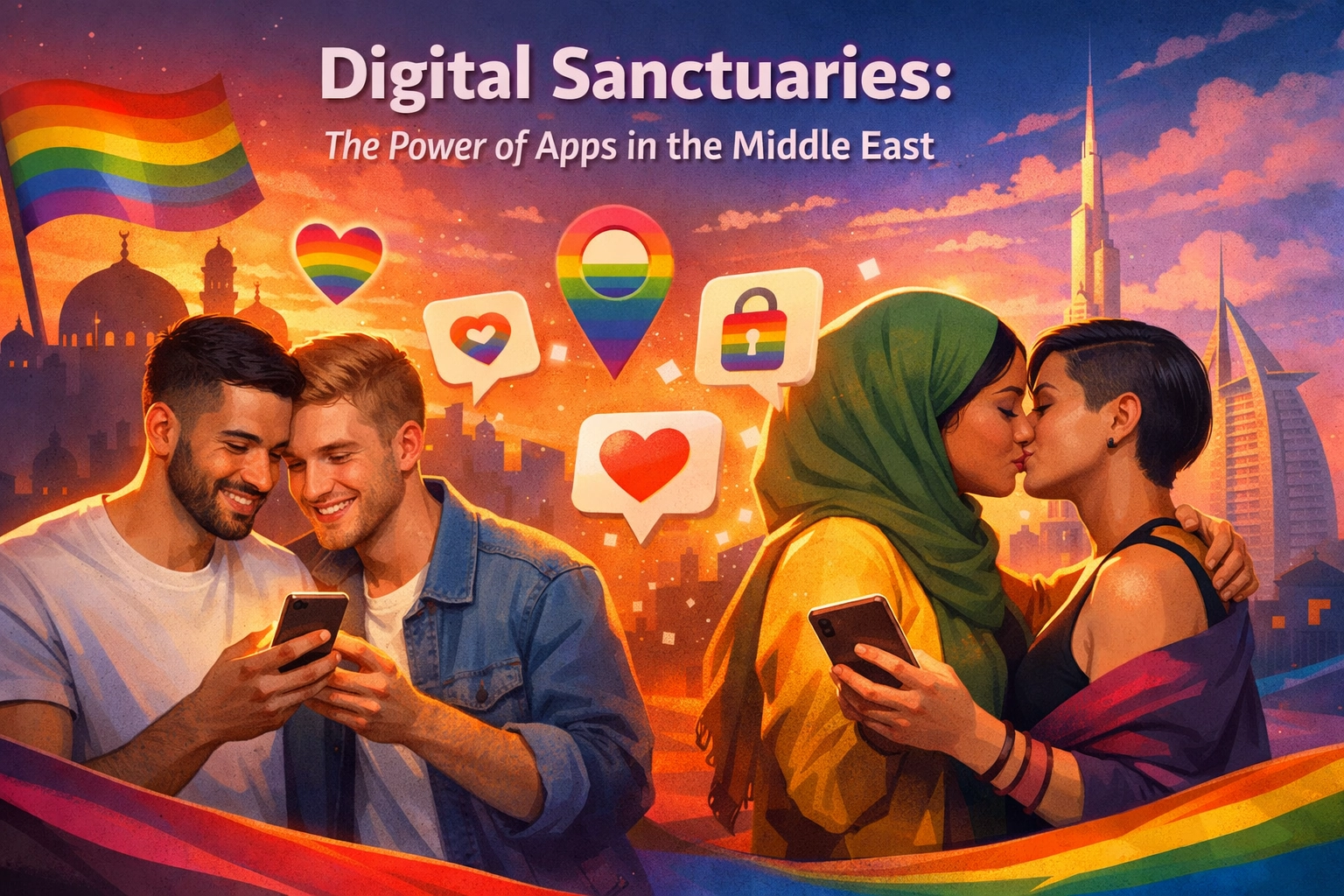
Living as a queer person in the Middle East often feels like a masterclass in architecture. You learn to build walls, hide entrances, and navigate a world of "secret doors." For decades, our community in countries like Kuwait, Iran, Iraq, and Saudi Arabia relied on subtle signals: a specific way of dressing, a lingering look in a cafe, or a whispered word in a park. But as we move further into 2026, the architecture of our lives has shifted from the physical to the digital.
At Read with Pride, we talk a lot about the power of stories. Usually, those stories are found in MM romance books or queer fiction. But for many in the Arab world and beyond, the most important story they write every day is the one happening inside their smartphones. The "Digital Sanctuary" isn't a single app; it’s the collective space created by dating apps, encrypted messaging, and social media that allows queer people to exist, love, and breathe in environments that still often demand silence.
The Smartphone as a Lifeline
Imagine living in a city where there isn’t a single gay bar, no pride flags, and no "out" celebrities. In many parts of the Middle East, this isn't a dystopian novel; it's Tuesday. For a long time, the isolation was the hardest part. How do you know you’re not alone if you never see anyone like you?
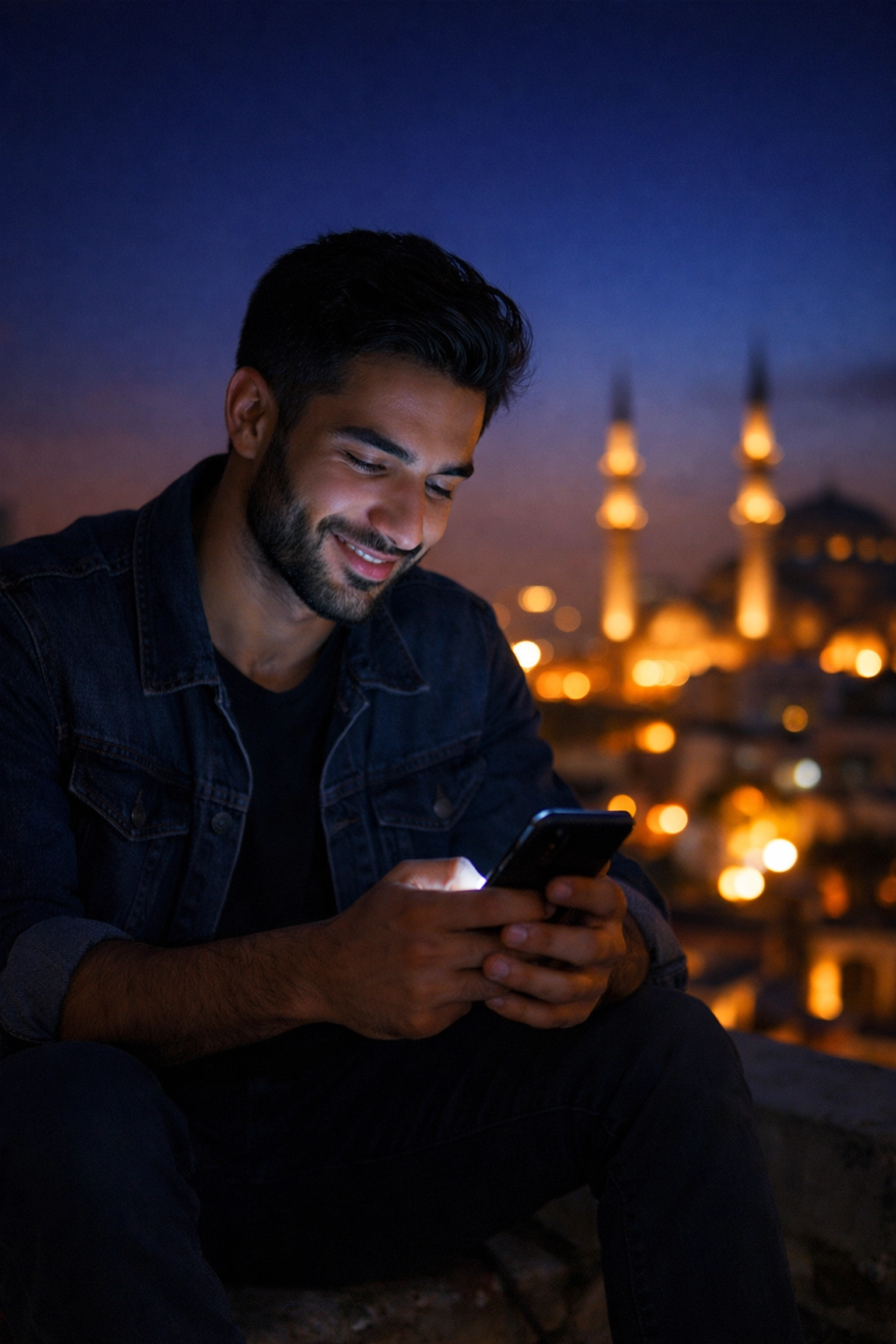
Enter the smartphone. Apps like Grindr, Scruff, and Hornet: and even more mainstream platforms like Instagram and Telegram: have effectively mapped a "shadow city" over the physical one. While the streets of Tehran or Kuwait City might appear strictly traditional, the digital layer is buzzing with life. It’s where people find their first boyfriends, their best friends, and their chosen families.
These apps have become the modern-day equivalents of the "hidden bars" of the 1950s West, but with much higher stakes and much wider reach. For many, downloading a gay romance novel or an LGBTQ+ ebook from a site like Readwithpride.com is the first step, and the app is the second.
Regional Realities: It’s Not a Monolith
When we talk about "The Middle East," it's easy to lump everyone together, but the digital experience varies wildly depending on where you are.
- Kuwait and the Gulf: In places like Kuwait and the UAE, the digital scene is incredibly active but highly cautious. Users often use "faceless" profiles, sharing photos only after a rapport is built. Here, apps aren't just for hookups; they are social hubs. You’ll find groups discussing everything from the latest MM contemporary tropes to where to find a safe doctor.
- Iran: The stakes in Iran are among the highest in the world. Yet, the queer community there is remarkably tech-savvy. They are the masters of VPNs (Virtual Private Networks), bypassing government blocks to access global queer spaces. Telegram is huge here: private channels serve as libraries for gay fiction and news, keeping the community connected despite the "morality police."
- Iraq: In Iraq, the digital sanctuary is a double-edged sword. While it provides connection, it also carries the risk of "digital entrapment" by militias or authorities. Because of this, the community has developed a sophisticated system of vetting. Before meeting someone from an app, there’s often a long period of digital "background checking."
- Israel: Israel, particularly Tel Aviv, is the outlier. Here, the apps are used much like they are in London or New York. The digital sanctuary is less about "hiding" and more about the convenience of the modern gay love story. However, for queer Palestinians or those in ultra-Orthodox communities, the digital world remains a vital, secret bridge to a more open life.
The Risk: The Double-Edged Sword
We can’t talk about digital sanctuaries without talking about the "Digital Panopticon." In 2026, technology is better than ever, but so is surveillance. Governments in the region have become increasingly aware of how we use these apps.
"Digital Entrapment" is a terrifying reality where authorities create fake profiles to lure queer people into meetings. This has led to a fascinating evolution in how we use tech. Queer developers and activists are constantly working on "stealth modes": apps that look like calculators or news feeds on the home screen but lead to a dating interface or a library of M/M books when a secret code is entered.

Finding Solace in Stories: Why Representation Matters
Why do we at Read with Pride care so much about this? Because when your physical reality is restricted, your imagination becomes your most important territory.
For a queer man in Baghdad, reading a gay adventure romance or a steamy MM romance isn't just entertainment; it’s a form of resistance. It’s a reminder that a different kind of life is possible. We see a huge amount of traffic from the Middle East for our gay romance novels, particularly those that feature "enemies to lovers" or "forced proximity" tropes: perhaps because those high-stakes emotions feel so relatable to their own lives.
The digital sanctuary isn't just about finding a date; it’s about finding a mirror. Whether it’s through a chat on an app or reading popular gay books on a Kindle, these digital spaces provide the "proof of existence" that every human being needs.
The Role of Social Media and Activism
While dating apps are the "front lines," social media platforms like Instagram and TikTok (or the 2026 equivalents) are where the cultural shift is happening. Influencers: often living in the diaspora but speaking to those back home: are creating content that de-stigmatizes queer identity in Arabic, Farsi, and Kurdish.
They use "coded language" and specific hashtags to avoid censors, creating a breadcrumb trail for young queer people to follow. This digital activism is slow, but it’s steady. It’s building a foundation of self-acceptance that will eventually demand more than just a digital sanctuary; it will demand a physical one.
Staying Safe in the Digital Sanctuary
If you are navigating the digital queer world in a restrictive region, safety is your primary keyword. Here are a few tips that our community members have shared over the years:
- VPNs are Mandatory: Never browse or use apps without a high-quality VPN.
- Metadata is a Snitch: Be careful with photos. Modern phones embed location data into images. Use apps that strip metadata or take screenshots of your photos to reset the data.
- The "Second Phone" Strategy: If possible, have a separate, cheap device for your digital life that never leaves your home.
- Coded Profiles: Use symbols or emojis that only the community understands rather than explicit "out" language in your bio.
- Trust Your Gut: If a conversation feels "off" or someone is pushing for a meeting too quickly in a high-risk area, block and move on.
Looking Toward the Future
As we look at the landscape of the Middle East in 2026, the digital world remains the most powerful tool for queer liberation. It’s a space where the best MM romance books can be shared, where love can be found, and where "forbidden" identities can flourish.
At Readwithpride.com, we are committed to being a part of that sanctuary. By providing a safe, accessible platform for LGBTQ+ fiction and gay love stories, we hope to give a little bit of that digital light to everyone, no matter where they are.
The walls may still be high in the physical world, but in the digital sanctuary, we are already free.
Want to dive into a world of love and adventure? Check out our latest releases:
- Explore our MM Romance Collection
- Meet our Featured Authors
- Browse the 2026 Gay Romance New Releases
Stay connected with us for more stories and community updates:
- Facebook: Read with Pride
- Instagram: @read.withpride
- X (Twitter): @Read_With_Pride
#LGBTQ #MiddleEastQueer #DigitalSanctuaries #MMRomance #GayBooks2026 #QueerLiterature #ReadWithPride #GayKuwait #GayIran #SafeSpaces

Leave a Reply
You must be logged in to post a comment.