

readwithpride.com
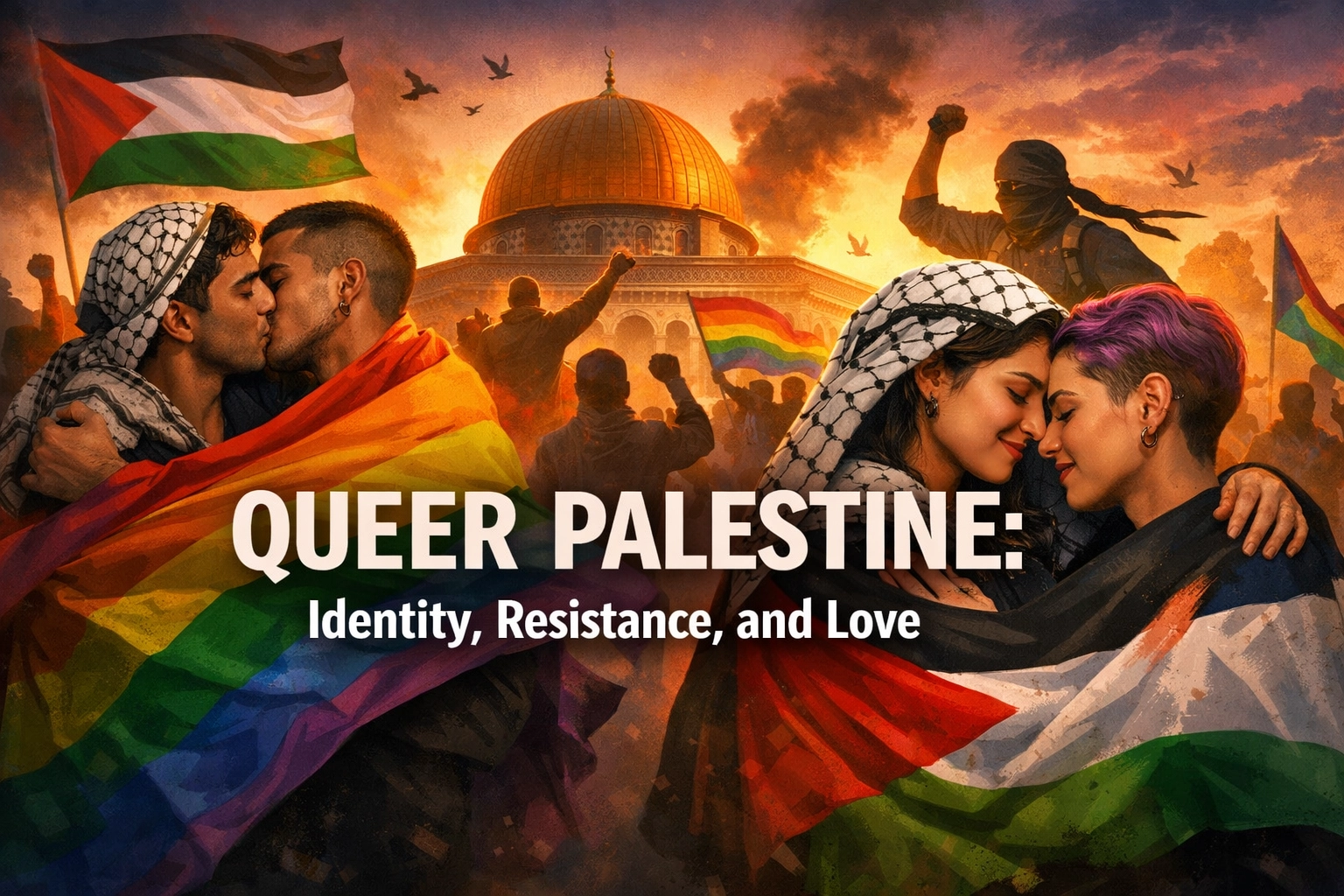
When we talk about gay love stories or dive into our favorite MM romance books, we often focus on the emotional hurdles: the coming out, the "enemies to lovers" tension, or the search for a "happily ever after." But for queer Palestinians, the "happily ever after" isn't just about finding a partner; it’s about surviving a world that tries to erase them from two different sides.
At Read with Pride, we believe every story deserves to be told, especially the ones that live at the intersection of identity and resistance. Today, we’re looking at Queer Palestine: a community that refuses to be a footnote in history. From the streets of Ramallah to digital archives like Queering the Map, queer Palestinians are proving that their existence is an act of rebellion.
The Myth of the "Progressive Haven" (Let’s Talk About Pinkwashing)
If you’ve spent any time in LGBTQ+ digital spaces, you’ve probably seen the narrative: Israel is the "only gay-friendly place in the Middle East," and Palestine is a "no-go zone" for queer people. In the activist world, we call this pinkwashing.
Pinkwashing is a PR strategy used to distract from the occupation of Palestinian territories by highlighting Israel’s LGBTQ+ record. It’s designed to make you feel like queer Palestinians should be "grateful" for their occupiers. But here’s the authentic truth: you can’t have queer liberation while living under military rule.
As the research shows, the Israeli military has actually been known to blackmail queer Palestinians, threatening to out them to their families or communities unless they become informants. This isn't "protection": it's exploitation. It turns someone’s private identity into a weapon used against their own people. This is why many queer Palestinians argue that their fight for sexual freedom is inseparable from their fight for national liberation.
The Double Struggle: Identity vs. Occupation
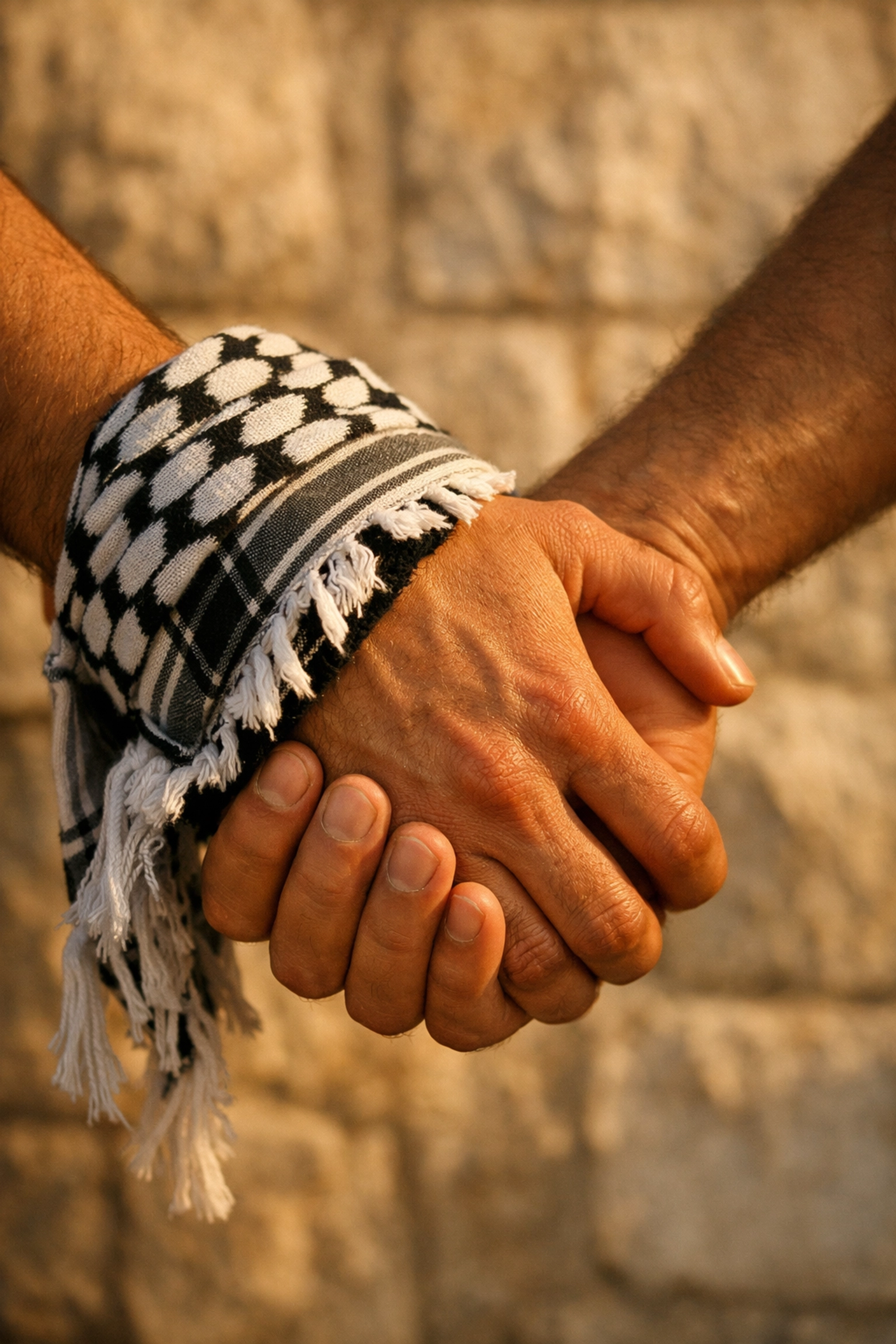
Imagine navigating a world where you are fighting two battles at once. On one hand, you’re dealing with the conservative elements of your own society: traditional family structures and religious pressures that might not always be welcoming to LGBTQ+ fiction-style romances. On the other hand, you’re dealing with checkpoints, walls, and the constant threat of violence from the occupation.
For a queer Palestinian, their identity is a "double struggle." They are often seen as "too queer" for their nationalist peers and "too Palestinian" for the global (and often white-centric) LGBTQ+ community. This intersectionality is what makes their resistance so powerful. They aren't asking for "rights" in a vacuum; they are asking for the right to exist, fully and authentically, on their own land.
If you’ve read any gay historical romance or gay novels set in times of conflict, you know that love becomes a form of survival. In Palestine, this isn't a trope; it’s a daily reality.
al-Qaws: Building a Home from the Inside
One of the most vital organizations in this space is al-Qaws for Sexual & Gender Diversity in Palestinian Society. They aren't just another NGO; they are a grassroots movement that started in the early 2000s.
Al-Qaws doesn't try to copy Western models of "Pride." Instead, they build a uniquely Palestinian queer identity. They work on the ground to provide support, lead conversations about gender and sexuality within Palestinian society, and challenge the colonial narratives that try to speak for them. They’ve been instrumental in showing that queerness is part of the Palestinian fabric: not an imported Western idea.
By focusing on local activism, they’re creating a space where gay love stories aren’t just something you read in popular gay books, but something lived in the cafes of Haifa and the homes of Nablus.
Digital Memory: Queering the Map
When physical spaces are demolished or restricted, the digital world becomes a sanctuary. Have you ever checked out Queering the Map? It’s an interactive map where people pin their queer memories.
For Palestinians, especially those in Gaza, these pins are heart-wrenching and revolutionary. You might find a pin in a street that no longer exists, where someone wrote about their first kiss or a secret hand-hold. In a place where entire family trees are being wiped out, these digital memories are a way of saying: "We were here. We loved here. You cannot erase us."
This digital resistance is a powerful reminder that queer history is being written in real-time. It’s the ultimate form of queer fiction turned into queer fact.

Literature as a Bridge: Why Representation Matters
At Read with Pride, we know that gay romance novels and MM fiction do more than just entertain. They build empathy. When we read stories about people who are different from us, those "othered" labels start to fall away.
While there is a growing body of queer literature by Palestinian and Arab authors, there is still so much work to do. We need more gay books that don't just treat Palestinian characters as victims or "tragic figures" to be rescued by a Western hero. We need stories of joy, of mundane love, and of fierce resistance.
If you’re a writer working on MM romance books or gay contemporary romance, consider the power of intersectionality. How does a character’s culture, religion, and political reality shape their heart? For tips on how to handle these nuances, check out our guide on 7 mistakes you’re making with LGBTQ+ character development.
The Horizon of Liberation
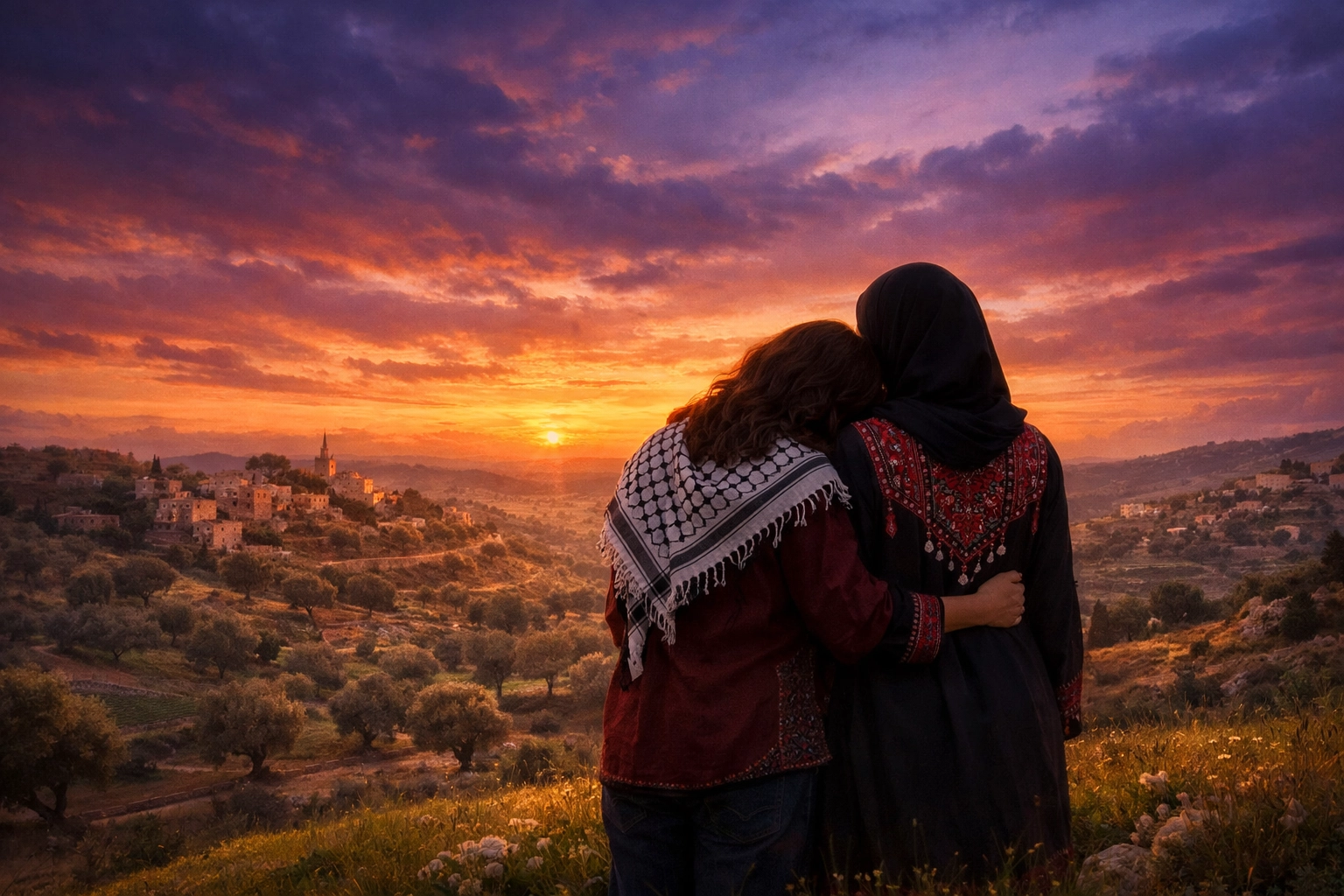
True liberation is "elusive," as some activists say. It’s a horizon we’re always moving toward. For queer Palestinians, that horizon includes a world where they can walk hand-in-hand with their partners through a free Jerusalem, a free Gaza, and a free West Bank.
Their resistance is built on "love, memory, spirituality, and solidarity." It refuses to accept the false choice between being Palestinian and being queer. They are both, and they are beautiful.
As we look toward the new gay releases of 2026, let’s make sure we are making room on our bookshelves (and in our hearts) for stories that challenge us. Support queer authors from the SWANA (South West Asian and North African) region. Amplify the voices of those who are fighting for their lives and their loves.
Join the Conversation
The world of LGBTQ+ books is expanding, and we want you to be a part of it. Whether you're looking for a steamy MM romance or a heartfelt gay fiction piece that explores the depths of identity, we've got you covered.
Explore more on our site:
Don't forget to follow us on social media to stay updated on the latest 2026 gay books and community stories:
- Facebook: Read with Pride
- Instagram: @read.withpride
- X (Twitter): @Read_With_Pride
Let’s keep reading, keep learning, and always: Read with Pride.

#QueerPalestine #FreePalestine #LGBTQRights #ReadWithPride #MMRomance #GayBooks #QueerLiterature #Intersectionality #Pinkwashing #GayRomanceNovels #2026GayBooks

Leave a Reply
You must be logged in to post a comment.