

readwithpride.com
When we talk about queer history, we often focus on the West, Stonewall, the Castro, or the London glitter of the 70s. But if we pivot our gaze toward the Middle East, specifically to the banks of the Nile in the early 2000s, there’s a story that reshaped an entire region’s relationship with its LGBTQ+ community. It’s a story of a boat, a disco, and a sudden, violent end to a period of "don't ask, don't tell" tolerance.
At Read with Pride, we believe that knowing our history, the triumphs and the tragedies, is what makes our community resilient. Whether you’re diving into MM romance books or complex gay historical romance, the context of real-world struggle adds a layer of depth to the stories we consume. Today, we’re looking at the Queen Boat incident: the night Cairo changed forever.
The Night the Music Stopped
Cairo in the late 90s was a vibe. It wasn't exactly "out and proud" in the way we see in San Francisco or London, but there was a scene. Gay men met in certain cafes, specific hammams, and on floating discos on the Nile. The Queen Boat was one of those places, a floating nightclub where, for a few hours, you could dance, flirt, and exist without the weight of the world on your shoulders.
Then came May 11, 2001.
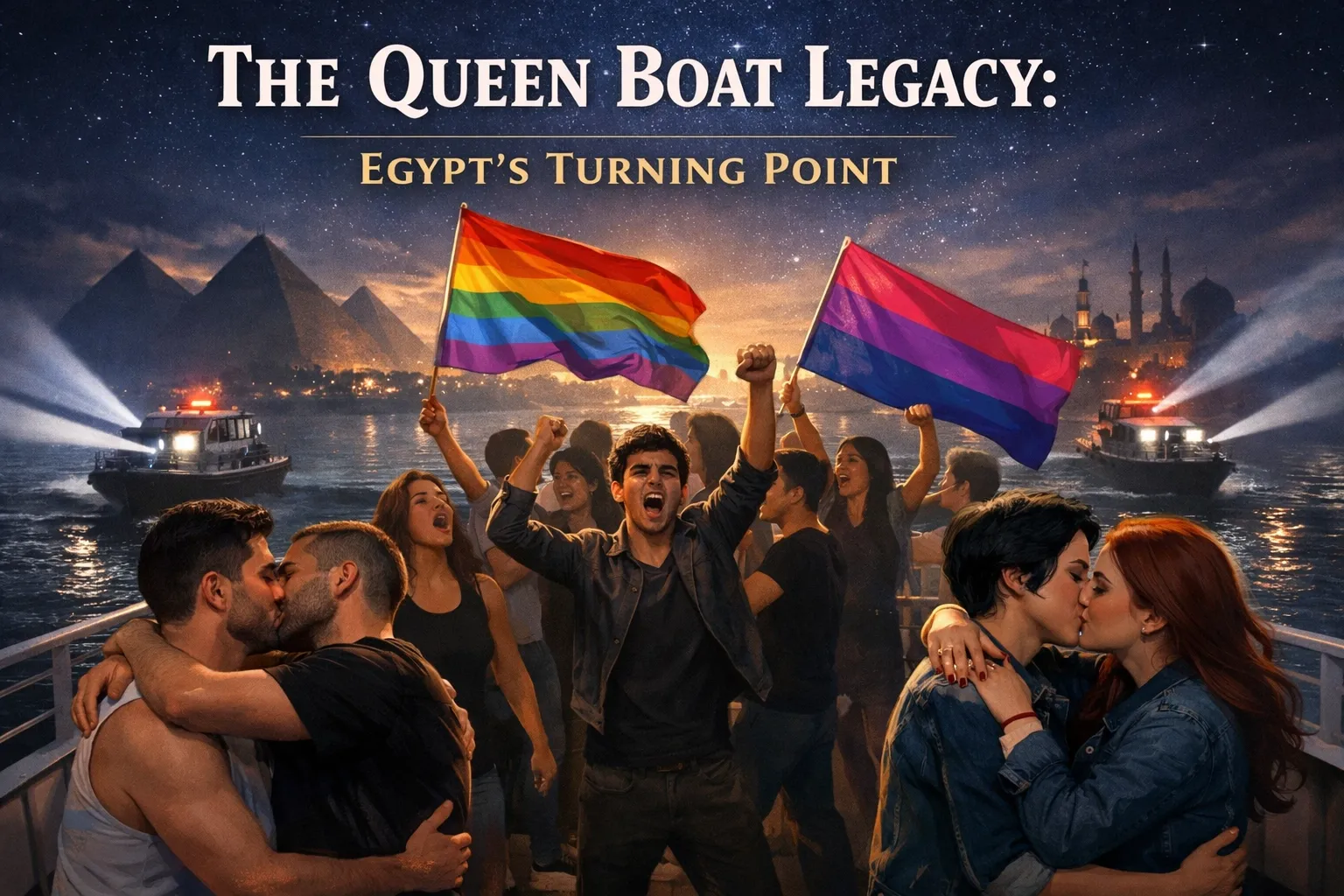
State security forces raided the Queen Boat. They didn't just break up a party; they launched a calculated assault on the LGBTQ+ community. Fifty-two men were arrested that night. They weren't just taken to a station; they were thrust into a media circus that would haunt Egypt for decades. These men became known as the "Cairo 52."

Visual: A conceptual image of a floating boat on the Nile at dusk, with city lights reflecting in the dark water.
From Tolerance to Targets
Before the Queen Boat, Egypt operated under a sort of fragile, unspoken truce. As long as you were discreet, the state generally looked the other way. But 2001 was a weird time for the Egyptian government. President Hosni Mubarak was facing an economic recession and growing pressure from the Muslim Brotherhood.
The raid was a political PR move. By targeting "immorality," the regime could flex its "Islamic" muscles and distract the public from a tanking economy. They didn't have laws specifically outlawing "being gay", so they used a 1961 law against "debauchery" (originally meant for sex work) to prosecute the men.
This shift was seismic. It turned LGBTQ+ identity from a private matter into a national security threat. In the world of gay fiction and queer fiction, we often see the "secret society" trope, but for the Cairo 52, the secret was weaponized against them.
The Media’s Smear Campaign
What made the Queen Boat incident particularly horrific wasn't just the arrests; it was the public shaming. Egyptian newspapers published the names and photos of the arrested men, often calling them "Satanists" or "traitors to the nation."
This is where the narrative becomes a gay psychological thriller in real life. The state fabricated stories about "rituals" and "cults" to justify their brutality. Families were shattered. Men who had careers and lives were suddenly pariahs. During the trial, many of the men covered their faces with their hands or white cloths to hide from the flashing cameras, an image that remains a haunting symbol of the struggle for privacy in the region.
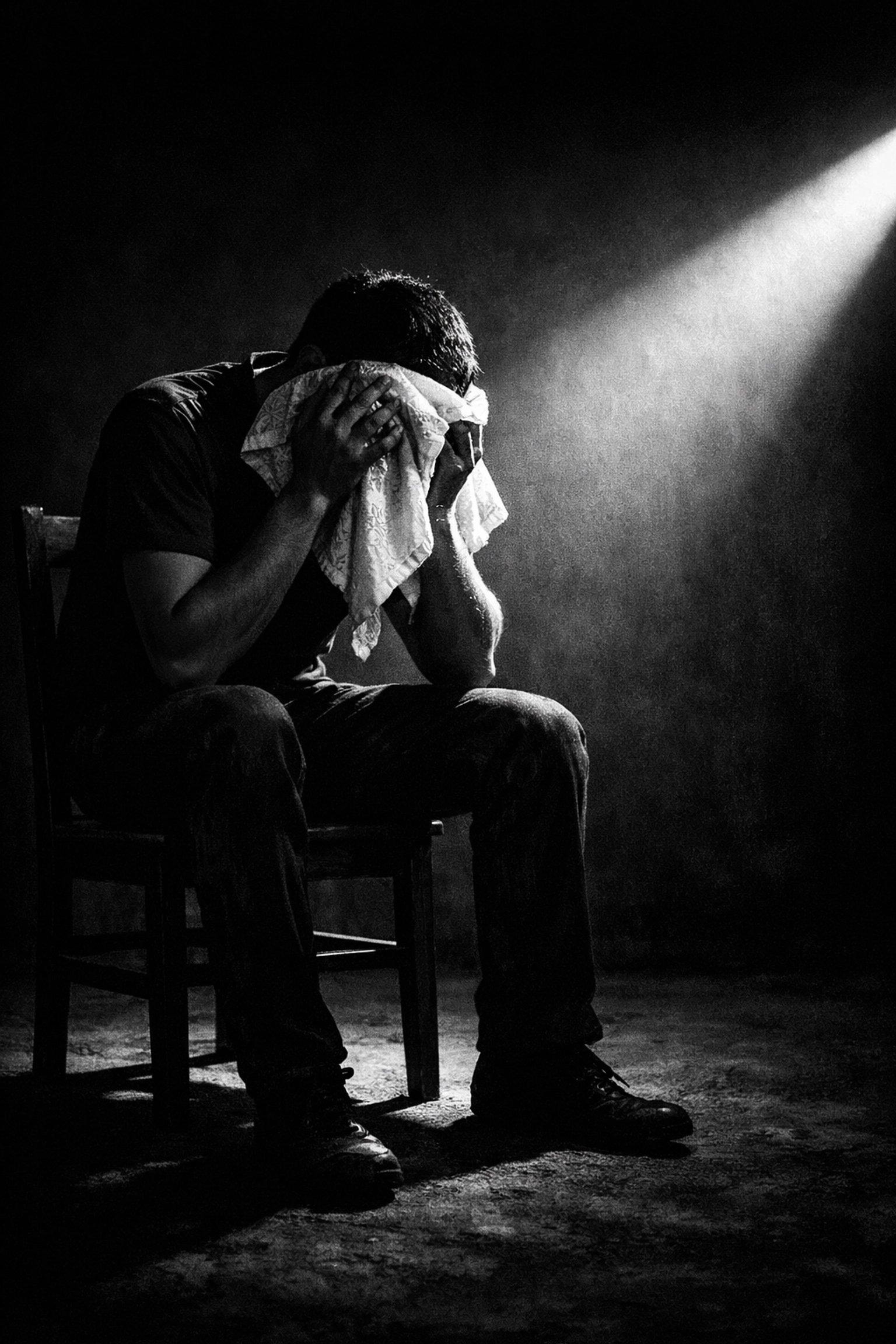
Visual: A collage of vintage-style newspaper headlines and abstract figures covering their faces, symbolizing the loss of privacy.
Torture and the Breach of Privacy
The trial of the Cairo 52 was a mockery of justice. Many of the men reported being tortured in detention. Perhaps most infamously, the state used "forensic anal examinations", a practice the UN and human rights groups have denounced as a form of torture, to "prove" homosexuality.
This wasn't just about a raid; it was a total invasion of the body and the soul. The legacy of the Queen Boat is one of lost safety. It taught the community that no space was truly private and that the state could reach into your most intimate moments at any time.
When we read MM romance or gay novels today, we often enjoy the tension of "will they get caught?" But for the men in Cairo, getting caught meant the end of their lives as they knew them. This historical weight is why we at Readwithpride.com advocate for authentic storytelling that honors these struggles.
The Ripple Effect: Iran, Iraq, and Beyond
The Queen Boat wasn't an isolated incident in the region's history, but it set a terrifying precedent. Across the Middle East, the landscape for gay life varies wildly, yet the theme of state surveillance remains a constant.
- Iran: Since the 1979 Revolution, the legal landscape has been incredibly harsh, with the death penalty technically on the table for sodomy. Interestingly, the state sometimes pushes gender reassignment surgery as a "cure" for homosexuality, showing a fundamental misunderstanding of identity that is both fascinating and tragic.
- Iraq: While Iraq doesn't have a specific law criminalizing same-sex acts, "morality" clauses are used to justify kidnappings and violence by militias, creating a climate of fear that rivals any gay thriller plot.
- Israel: Often seen as the "exception" in the region with its vibrant Tel Aviv pride scene, though this is often debated within the community regarding "pinkwashing" and the ongoing complexities of the geopolitical situation.
The Modern Struggle: 2026 and Digital Entrapment
Fast forward to 2026. The days of raiding a physical boat might be less common, but the raid has gone digital. Police in Egypt and across the Arab world now use apps like Grindr and Hornet to entrap gay men. They set up "dates," only to show up with handcuffs.
The struggle for privacy has moved from the Nile to the smartphone. This is why many new gay releases in 2026 are focusing on "cyber-queer" narratives, stories of finding love in a world of digital surveillance.

Why We Must Read with Pride
You might wonder why a publisher of gay romance books and MM novels is talking about a 2001 raid in Cairo. It’s because our literature doesn't exist in a vacuum. Every MM historical romance we publish and every gay love story we share is an act of defiance against the erasure that the Queen Boat raid attempted to achieve.
When we read about queer joy, we are honoring those who were denied it. When we support queer authors and MM authors, we are ensuring that our stories, from Cairo to Kuwait to Kentucky, are told on our terms.
The Queen Boat legacy is a dark one, but it also sparked a global wave of activism. It forced the international community to look at LGBTQ+ rights in the Middle East not as a Western luxury, but as a fundamental human right.
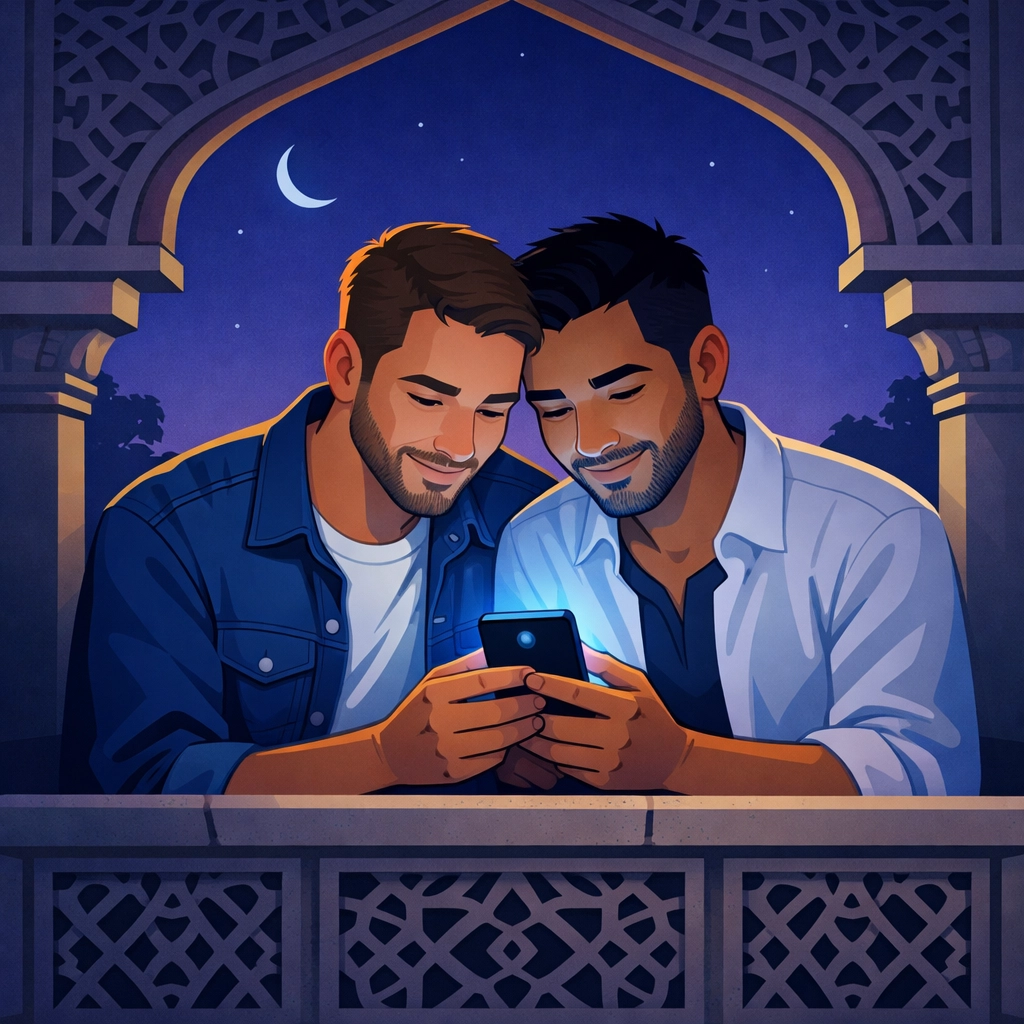
Visual: A hand holding a glowing digital device against the backdrop of a traditional Middle Eastern architectural archway, symbolizing the intersection of tradition and modern queer life.
Finding Hope in the Narrative
Despite the crackdown, the queer community in the Arab world is still here. They are writing, they are filming, and they are loving. There is a growing movement of gay literature coming out of the diaspora and from within these countries (often published anonymously or abroad) that tells the truth about life in Kuwait, Lebanon, and beyond.
If you’re looking for stories that capture the complexity of the human spirit, check out our blog category or browse our product catalog for the latest popular gay books and best MM romance of 2026.
The Queen Boat was a turning point, yes. It was a tragedy, absolutely. But it was not the end of the story. The Nile continues to flow, and the community continues to find ways to dance: even if the music is now played through headphones in the safety of a private room.
Stay connected with us:
- Follow our journey on Facebook
- Join the conversation on X (Twitter)
- See the beauty of queer stories on Instagram
Explore more at Readwithpride.com.
#LGBTQHistory #QueenBoat #Cairo52 #GayRights #ReadWithPride #MMRomance #QueerFiction #MiddleEastQueer #GayBooks2026 #GayLiterature #PrivacyRights

Leave a Reply
You must be logged in to post a comment.