
readwithpride.com
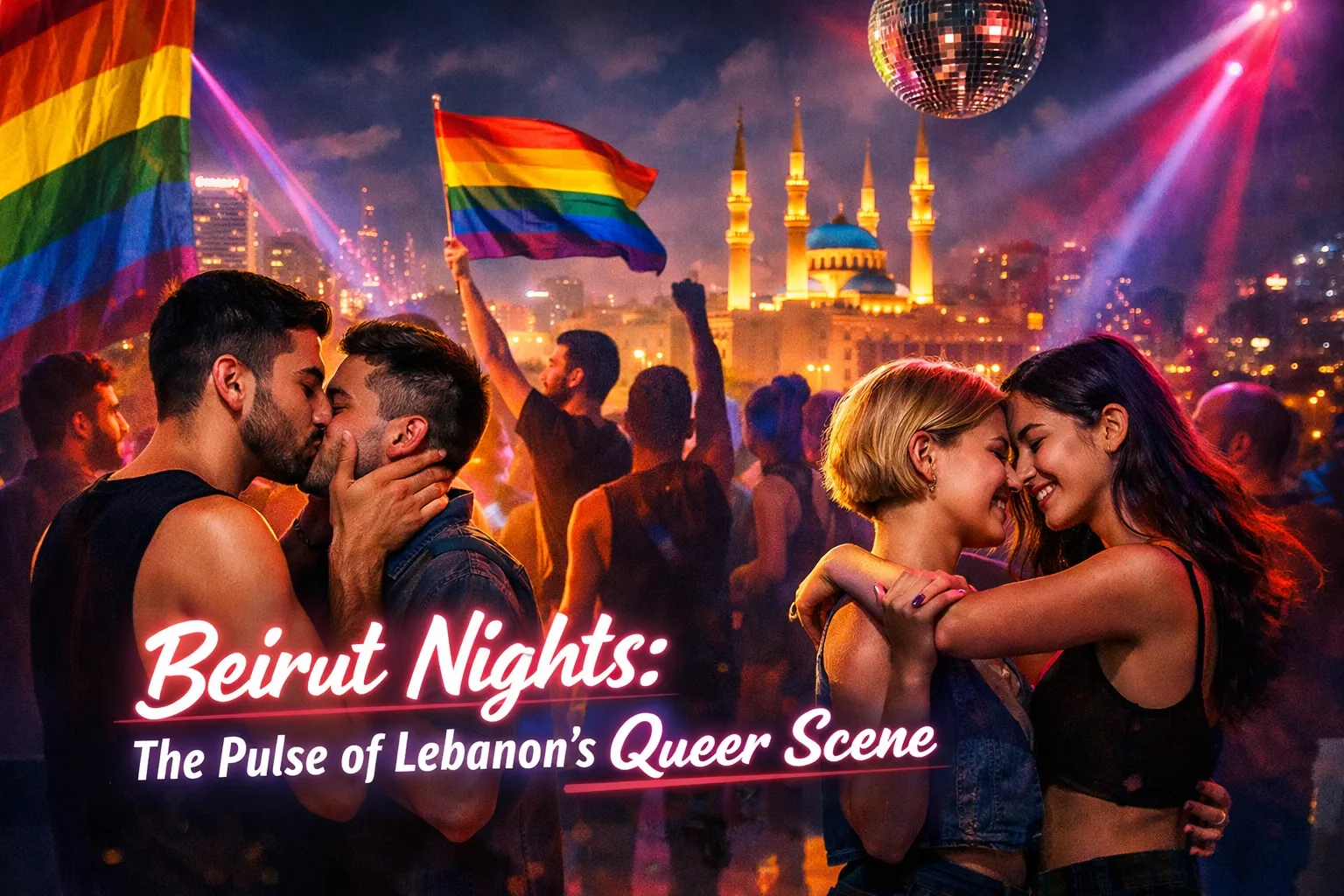
If you’ve ever spent a summer night in Beirut, you know the city doesn't just sleep; it exhales. There’s a specific kind of magic that happens when the Mediterranean breeze hits the concrete of Mar Mikhael. But for the LGBTQ+ community, that magic isn’t just about the atmosphere: it’s about survival, joy, and a very loud, very proud middle finger to anyone who says we don’t belong in the Arab world.
Welcome to the pulse of Lebanon’s queer scene. It’s complicated, it’s vibrant, and it’s currently one of the most resilient subcultures on the planet. Whether you’re here for the history or looking for your next MM romance inspiration, grab a drink (or a book) and let’s dive in.
More Than Just a Beat: The Sound of Resistance
In most global cities, "gay nightlife" usually means a dark room with a strobe light and a DJ spinning techno. But Beirut? Beirut does things differently. Here, the queer scene is built on the foundations of Arab pop.
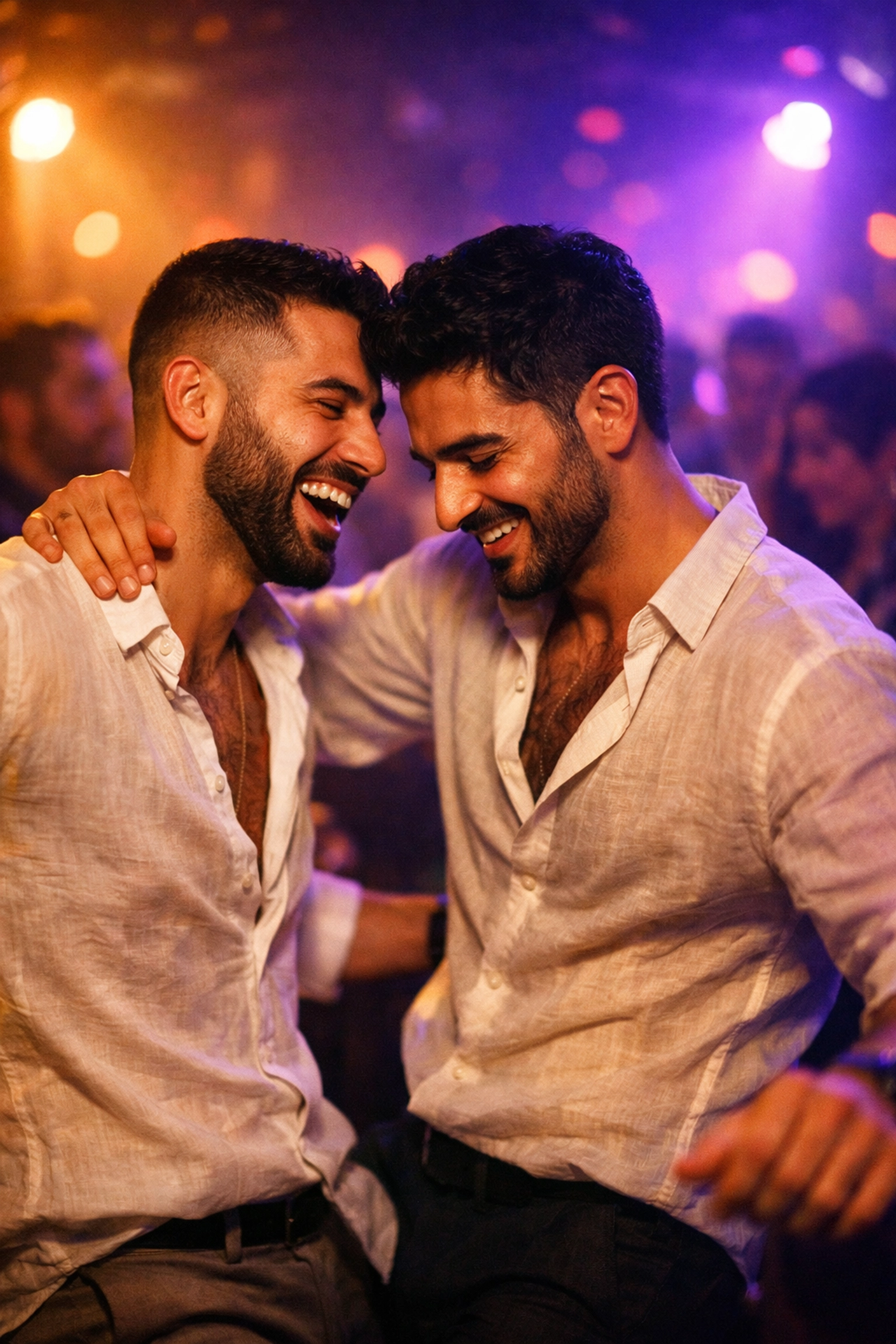
While the rest of the world might be looking toward the West for "queer culture," the guys and girls in Beirut are reclaiming their own. Think Haifa Wehbe, Nawal el Zoghbi, and the legendary Sabah Fakhri. When a club full of queer Lebanese men starts belting out an Umm Kulthum remix, it’s not just a party: it’s a statement.
By centering Arab music, the community is effectively saying: “We aren’t a Western import. We’ve been here, we belong here, and this is our heritage.” This is a powerful counter-narrative to the political rhetoric often used in the region to justify crackdowns on the community. It’s the kind of high-stakes cultural tension that makes for the best gay contemporary romance novels.
The Map of the Underground: POSH, Om, and Beyond
Navigating the queer geography of Beirut requires a bit of "if you know, you know." Because of the legal grey areas and social pressures, you won't always see a giant rainbow flag hanging over the door. But once you’re inside, the energy is undeniable.
- POSH: This is the heavyweight champion. Located in the Armenian quarter of Bourj Hammoud, it’s arguably the largest gay club in the Arab world. It’s got a rooftop, intense security (for everyone’s safety), and a vibe that shifts from Western pop on Saturdays to pure Arabic fire on Fridays and Sundays.
- Om Bar Room (formerly Madame Om): If you want something a bit more "chilled out but still fabulous," this is the spot in Mar Mikhael. It’s all about diversity, old-school R&B, and modern Arabic hits. It’s the perfect setting for a "meet-cute" in a MM historical romance set in a modern context.
- B018: This one is a legend. Built in an underground bunker that dates back to the civil war era, it’s technically "straight" now, but it has always been a sanctuary for the queer crowd.
A History Written in the Shadows
To understand where we are in 2026, we have to look back at how we got here. The queer scene in Lebanon didn't just appear out of nowhere; it was forged in the aftermath of the Lebanese Civil War (1975–1990).
In 1998, a club called Acid opened its doors. It was a pioneer, a place where the LGBTQ+ community could dance to their own music without fear. It sparked a golden age of queer-friendly venues like Orange Mechanic and Mint. But in 2010, Acid was forced to close, marking the beginning of a rocky road for activists.
This history of secret spaces and hard-won freedoms is exactly why we at Read with Pride are so passionate about queer fiction. Stories allow us to preserve the memories of these spaces even when the physical buildings are gone. If you're looking to explore these themes, our 2026 gay books collection features several titles that touch on the intersection of identity and geography.

The Wider Lens: Kuwait, Iran, Iraq, and the Arab World
Beirut is often called the "Paris of the Middle East," but it exists in a region where being queer can still be incredibly dangerous.
- Iran: The situation here is one of the most complex in the world. While the state paradoxically recognizes trans identities (under strict conditions), same-sex acts are heavily criminalized. Yet, an underground scene persists, fueled by secret house parties and digital connections.
- Kuwait and Iraq: These regions have seen significant struggles recently. In Iraq, the community faces extreme violence from militias, while in Kuwait, legal "debauchery" laws are often used to target trans and gender-nonconforming individuals.
- Israel: Often contrasted with its neighbors, Tel Aviv has a massive, world-famous Pride scene. However, this often brings up the conversation of "pinkwashing": using LGBTQ+ rights to distract from other political issues.
In all these places, the "underground" isn't just a place to party; it's a lifeline. It’s where people find their chosen families. This sense of "us against the world" is a staple trope in popular gay books and MM romance books, because it reflects a reality many still face today.
The Fight for 2026: Crackdowns and Resilience
Even in Beirut, the "pulse" is currently under pressure. Since 2023, there has been a noticeable uptick in homophobic rhetoric from political and religious leaders. Pride events have been canceled, and venues have faced threats. The economic crisis in Lebanon has only made things harder, pushing the most vulnerable members of our community into more precarious situations.
But if there’s one thing history has taught us, it’s that you can’t put the light back in the bottle. Organizations like HELEM (the first LGBTQ+ NGO in the Arab world, founded in 2004) continue to provide support, workshops, and a sense of community.
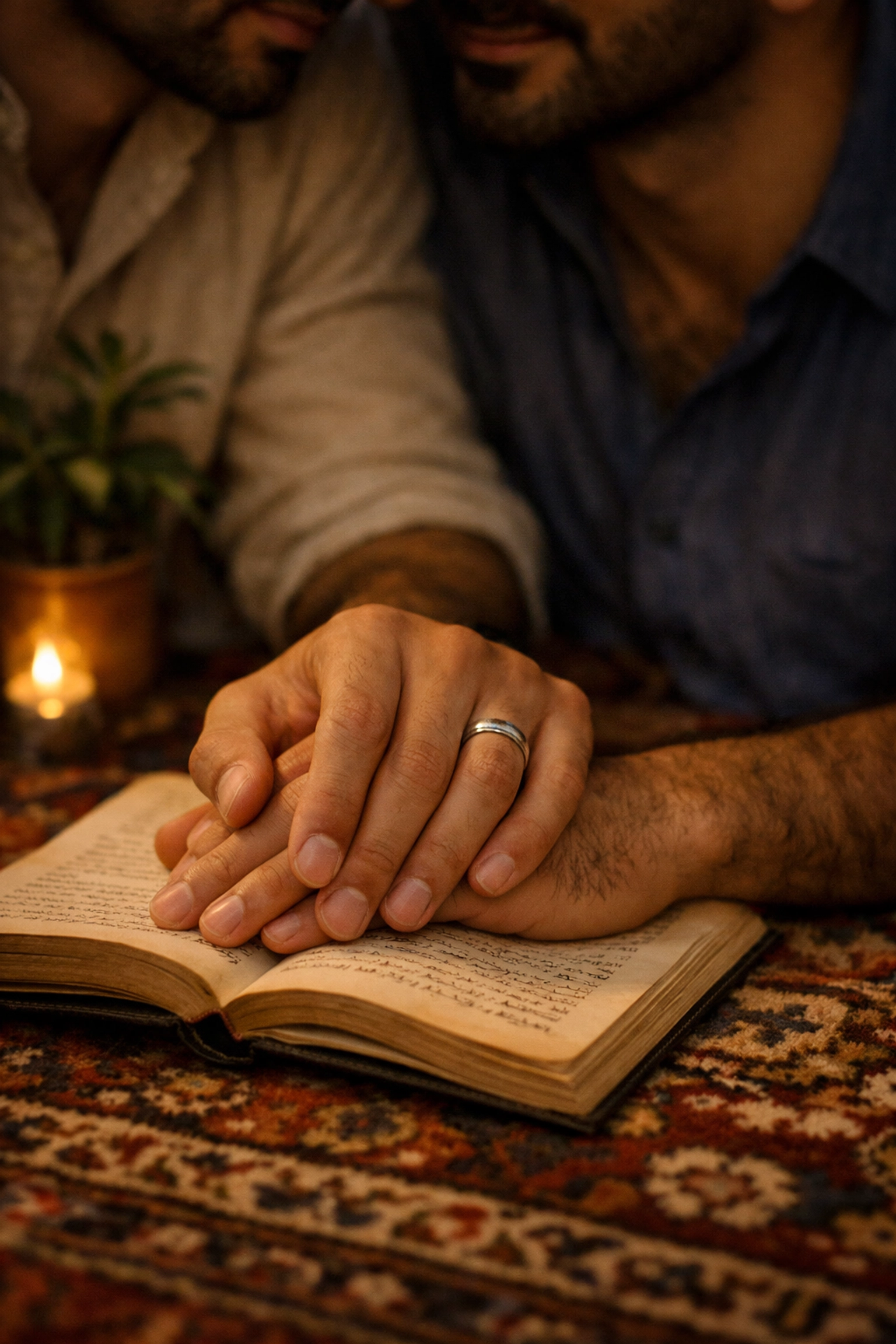
This resilience is why we do what we do at Read with Pride. Whether it’s MM fantasy that envisions a world where we are kings, or a gay thriller that mirrors the real-world dangers of activism, literature is a form of resistance.
Why Representation in MM Romance Matters
You might be wondering, “Penny, why are we talking about romance novels in a post about Middle Eastern activism?”
Because stories are how we build empathy. When you read a steamy MM romance or a heartfelt gay fiction novel set in Beirut or Baghdad, those characters stop being "political issues" and start being people. They have hearts, they have desires, and they deserve a "happily ever after" just as much as anyone else.
If you’re a writer looking to capture this nuance, check out our guide on 7 mistakes you’re making with LGBTQ+ character development. It’s crucial to get these voices right, especially when representing cultures that are so often misunderstood or stereotyped.
Final Thoughts: The Night is Still Young
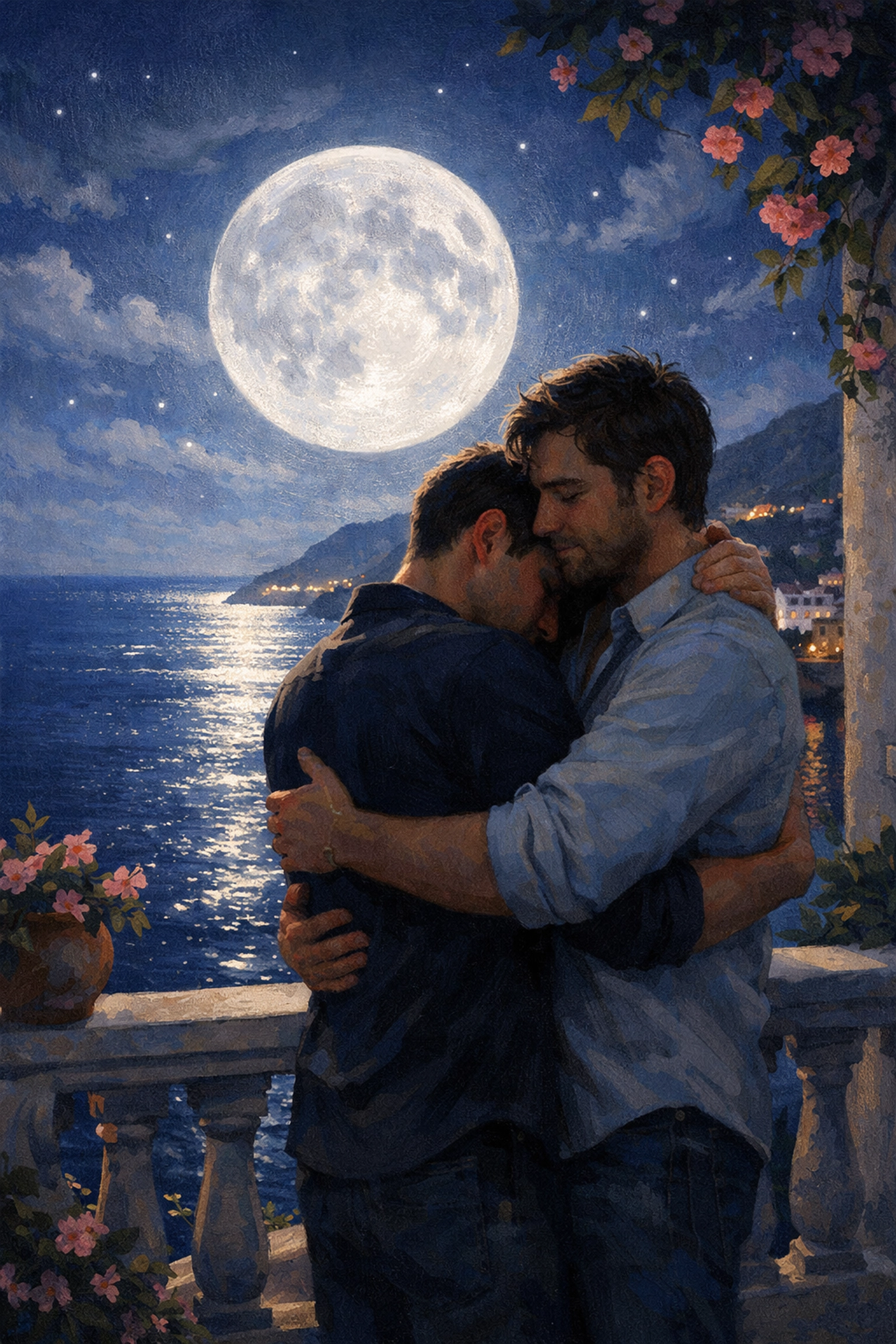
Beirut’s queer scene is a testament to the fact that joy is a radical act. Despite the crackdowns, the economic hurdles, and the regional politics, the music still plays. The community still gathers. They still dance to Haifa.
If you want to support the authors who are bringing these global queer stories to life, head over to our store or browse our latest releases. From gay historical romance to the best MM romance books of 2026, we’ve got your next favorite read waiting for you.
Don't forget to stay connected with us for more deep dives into queer history and the best book recommendations:
- Follow us on Facebook
- Catch us on X (Twitter)
- See the aesthetic on Instagram
Keep reading, keep resisting, and always read with pride.
#BeirutQueer #LGBTQLebanon #MMRomance #GayFiction #ReadWithPride #QueerHistory #ArabQueer #2026Books #GayLiterature #MiddleEastPride

Leave a Reply
You must be logged in to post a comment.