
readwithpride.com
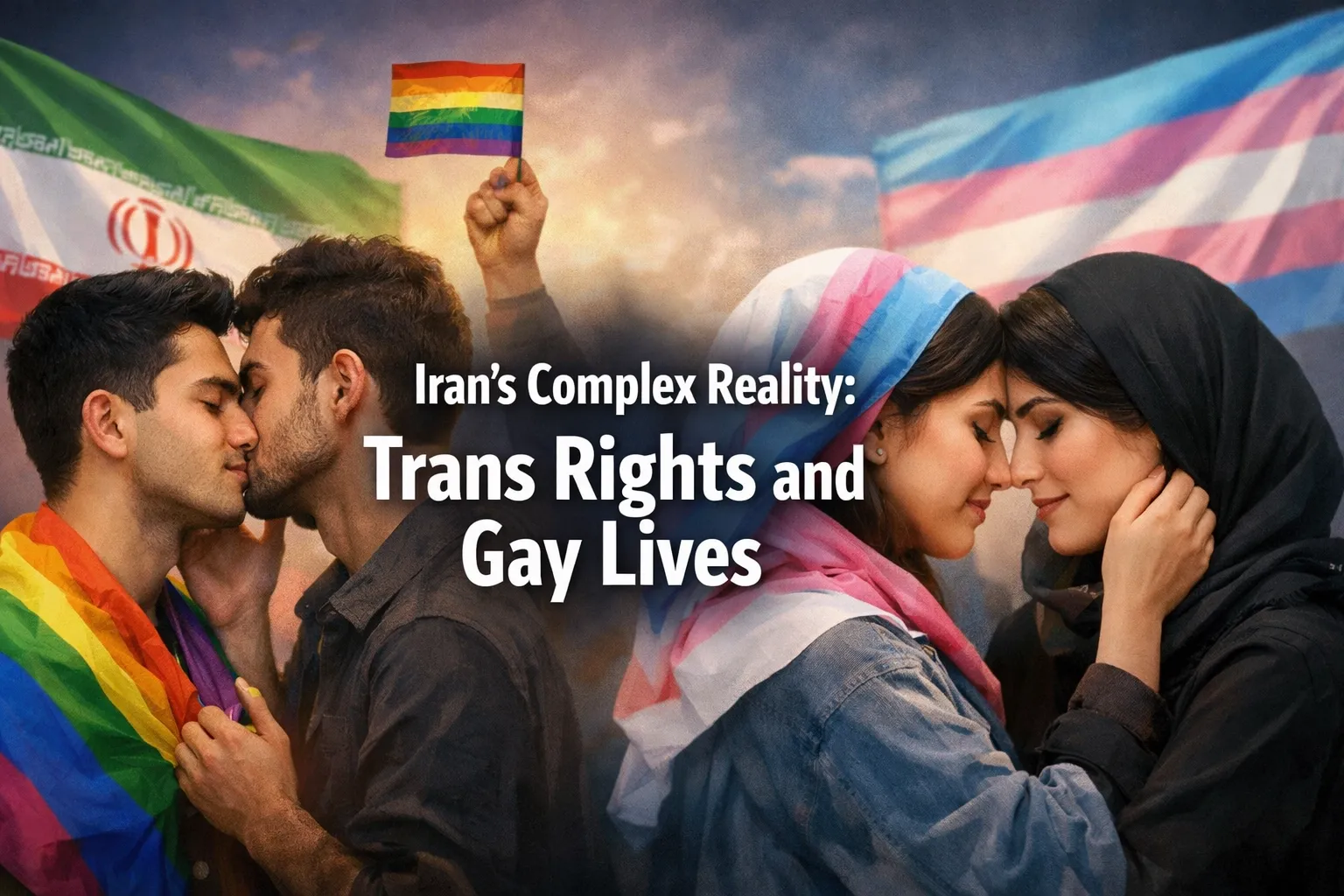
When we talk about queer life in the Middle East, it’s easy to get caught in a loop of "it’s all bad news." And while we’re not here to sugarcoat the very real dangers faced by our community in places like Kuwait, Iraq, and Iran, the story is way more layered than a simple headline. Today at Read with Pride, we’re diving into one of the most head-spinning legal paradoxes on the planet: the Iranian government’s stance on transgender rights versus its treatment of gay men and women.
It’s a world where you can get state-funded gender reassignment surgery one day and face the death penalty for a same-sex kiss the next. Let’s unpack the "why," the "how," and the reality of living (and loving) in the shadows in 2026.
The Fatwa That Changed Everything
To understand Iran today, we have to go back to 1987. Imagine the scene: Maryam Khatoon Molkara, a trans woman, manages to get an audience with Ayatollah Khomeini. She explains her soul doesn’t match her body. In a move that shocked the world (and still confuses people today), Khomeini issued a fatwa: a religious decree: stating that gender reassignment surgery was not only permissible but a way to "cure" a person’s distress.
Because of this, Iran actually has one of the highest rates of gender-affirming surgeries in the world, second only to Thailand. The government even provides financial assistance for the procedures. On the surface, it looks like a win for LGBTQ+ fiction tropes about transformation and self-discovery. But the reality is much darker.
In the eyes of the Iranian state, being trans is a "diagnosable" medical condition that can be "fixed" with a scalpel. Being gay, however? That’s seen as a moral failure and a crime against God.
The Forced Choice: Transition or Die?
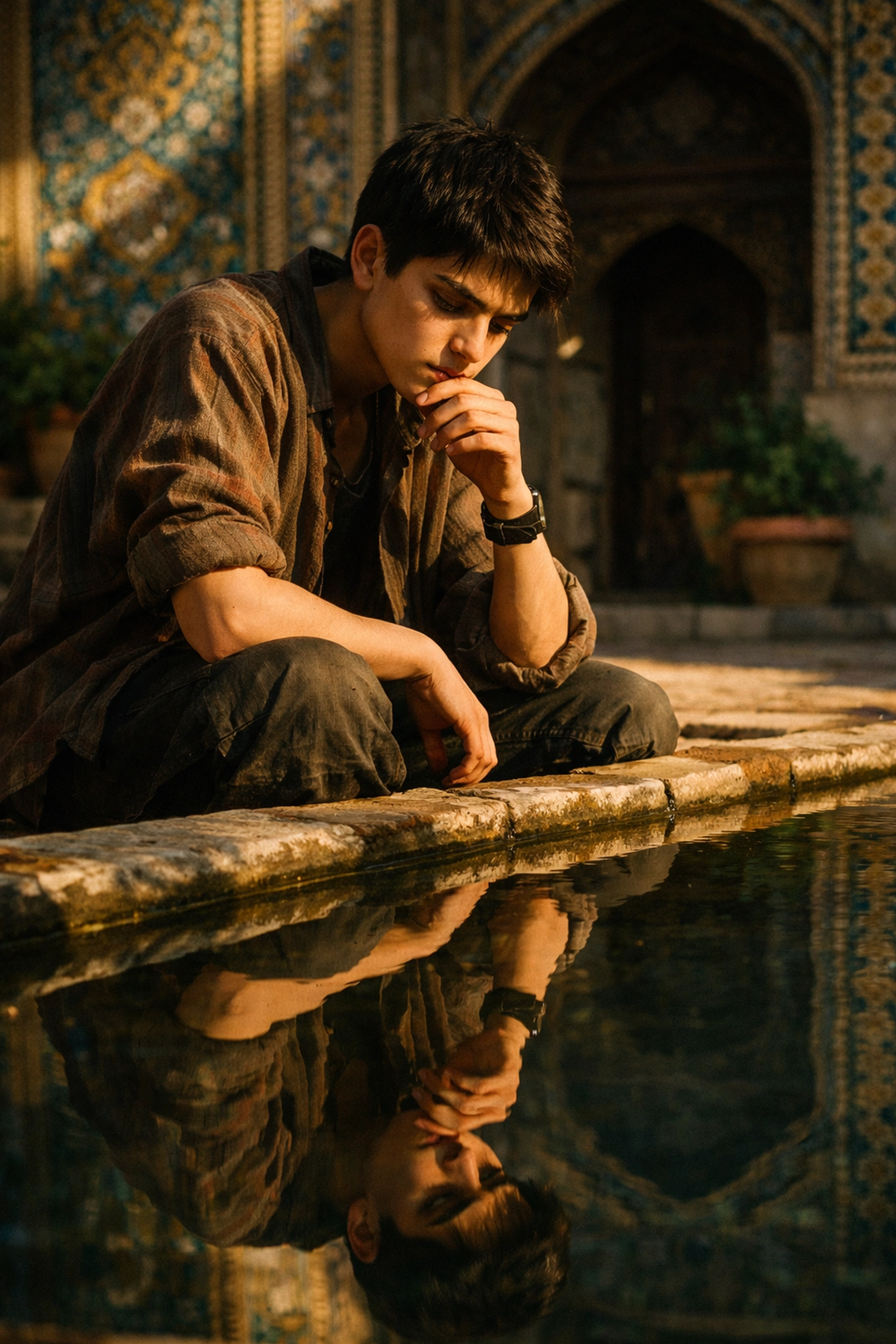
This is where the "complex reality" part kicks in. For many gay and lesbian Iranians, the state’s acceptance of trans identity isn’t a beacon of progress: it’s a trap. There is immense pressure on gay individuals to undergo gender reassignment surgery to "fit" into the heteronormative binary.
The logic goes: "If you’re a man who likes men, you must actually be a woman. So, become a woman, and your attraction is now 'legal'."
This leads to a heartbreaking reality where people are essentially coerced into surgeries they don’t want just to avoid the gallows. It’s a theme that often shows up in gay psychological thrillers or heavy MM historical romance set in the region: the idea of losing one's physical self to save one's life.
For those who do transition, the path isn't easy. You need parental consent, "virginity tests," and mandatory sterilization. And once you’ve transitioned? You’re often forced to cut ties with your old life, move to a new city, and pretend your past never existed. Non-binary identities? Forget it. In Iran’s legal system, you’re either a man or a woman. Period.
Gay Life in the Shadows
While trans individuals have a legal (if grueling) path, gay life remains strictly underground. Under Iran's Islamic Penal Code, same-sex acts are punishable by flogging or, for men, the death penalty.
But humans are resilient. Even in 2026, the underground scene in Tehran and other major cities is alive. It exists in private homes, encrypted messaging apps, and coded language. It’s a world of gay love stories told in whispers.
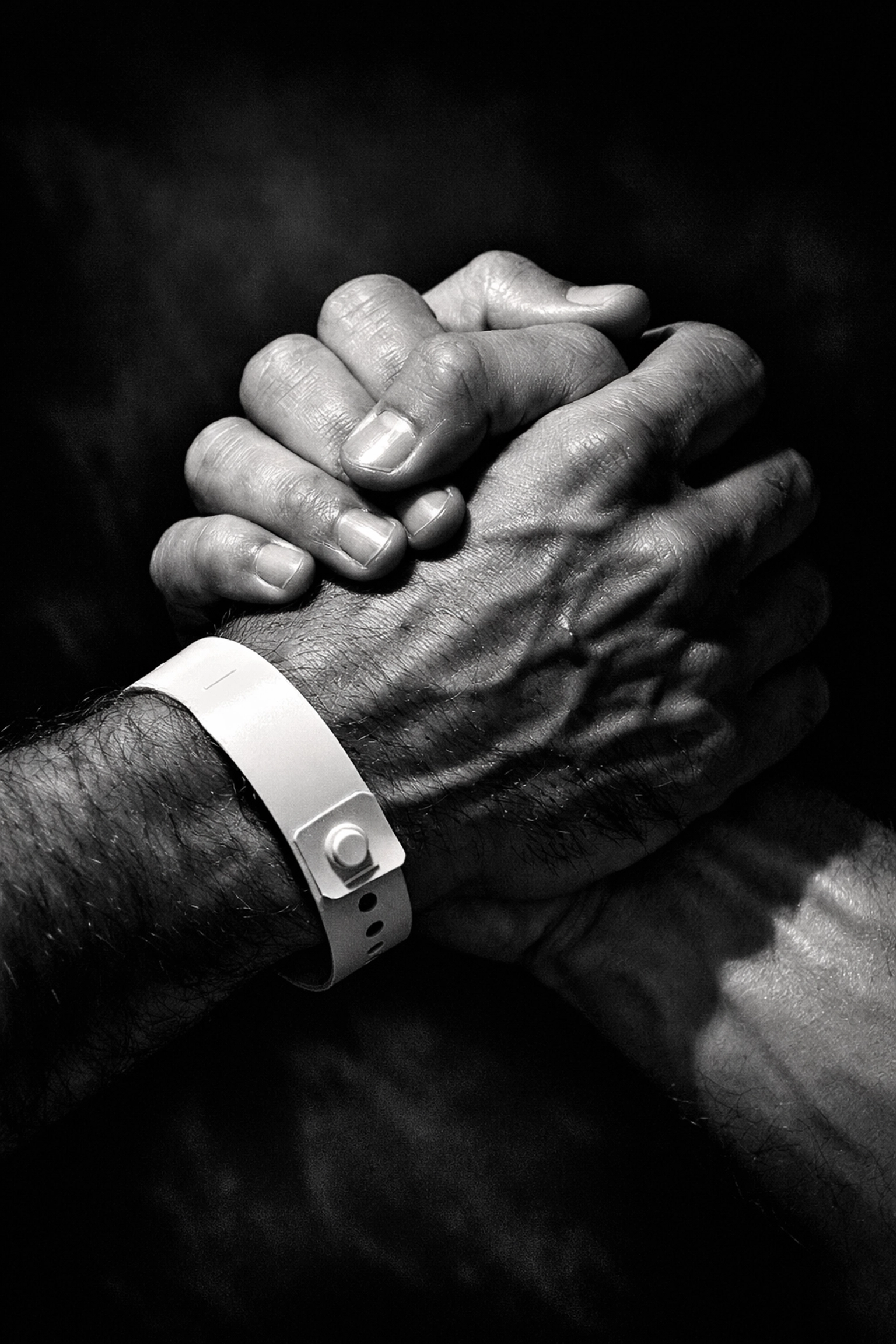
The risk is constant. Arrests at private parties are common, and "morality police" monitor social media. Yet, the community finds ways to celebrate. This resilience is what drives a lot of the popular gay books and queer fiction coming out of the Iranian diaspora: stories of finding joy in the most dangerous places.
Across the Border: Kuwait, Iraq, and the Arab World
Iran isn't the only place with a complicated relationship with the rainbow.
- Kuwait: While there isn't a specific "gay" law, "debauchery" and "imitating the opposite sex" laws are used to target the community.
- Iraq: For years, Iraq didn't have a specific law against same-sex acts, but in 2024 and 2025, new legislation was introduced to explicitly criminalize them with heavy prison sentences. The "moral" policing there often results in extrajudicial violence.
- Israel: Often seen as the outlier, Tel Aviv is a global hub for gay romance and pride. However, it’s a bubble. Outside the "Pink City," religious and political tensions make life much harder for LGBTQ+ folks, especially for those living at the intersection of being queer and Palestinian.
For readers of MM contemporary or gay spy romance, these settings offer high-stakes tension that isn't just a plot device: it’s a daily reality for millions.
Why We Need These Stories in 2026
At Read with Pride, we believe that representation is a form of activism. Whether you’re looking for steamy MM romance to escape or a gay adventure romance that challenges your worldview, the books we publish and recommend are about more than just a HEA (Happily Ever After). They’re about the right to exist.
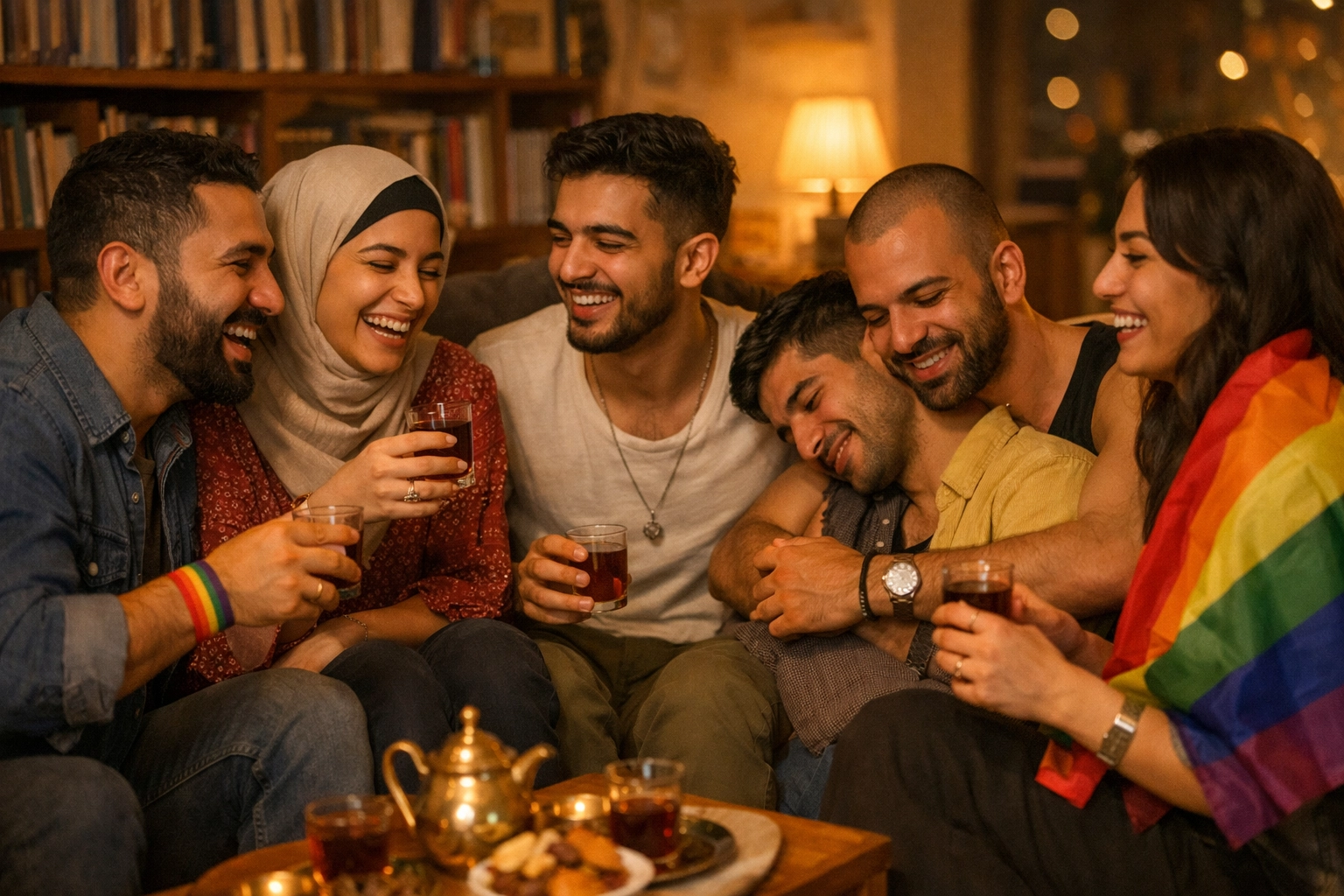
When we read M/M books set in or inspired by the Middle East, we aren't just consuming entertainment. We are witnessing the cultural pushback against erasure. Authors in the community are using gay novels to highlight the nuances of Middle Eastern queer identity: moving away from "victim" narratives toward stories of agency, bravery, and complex love.
If you’re looking for your next read, check out our sitemaps or browse our blog category for more deep dives into global queer history.
The Future of the Movement
Despite the legal hurdles, the younger generation in the Middle East is connected to the global queer community like never before. Access to LGBTQ+ eBooks and gay Kindle books via VPNs has opened up a world of possibility. They are seeing themselves in MM romance books and realizing they aren't alone.
The fight for rights in Iran and the surrounding region isn't just about changing laws; it’s about changing hearts. And as we know, stories are the best way to do that. Whether it’s an award-winning gay fiction piece or a simple gay love story, every word written is a brick in the wall of progress.
Want to stay updated on the latest in LGBTQ+ literature and global queer news?
Follow us on Facebook, X (Twitter), and Instagram.
For more resources, check out our FAQ or see what’s new in our post sitemap.
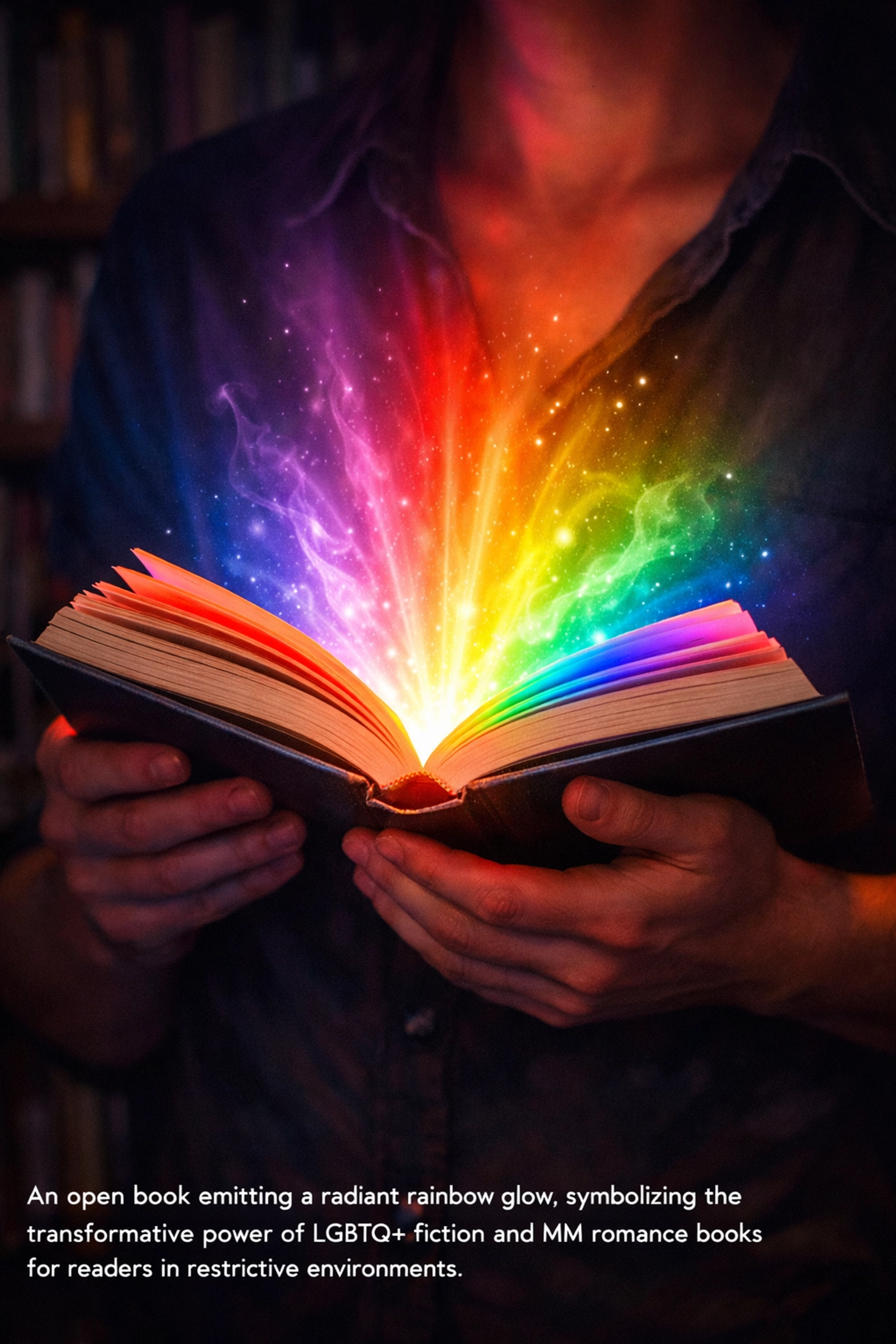
Living in the Middle East as a queer person in 2026 is an act of defiance. By reading their stories and acknowledging their reality, we stand with them. Readwithpride.com is committed to bringing these voices to the forefront, one book at a time.
#GayHistory #LGBTIran #TransRights #MiddleEastQueer #ReadWithPride #MMRomance #QueerRepresentation #GayLiterature #HumanRights2026 #LGBTQIA
Quick Links:

Leave a Reply
You must be logged in to post a comment.