

readwithpride.com
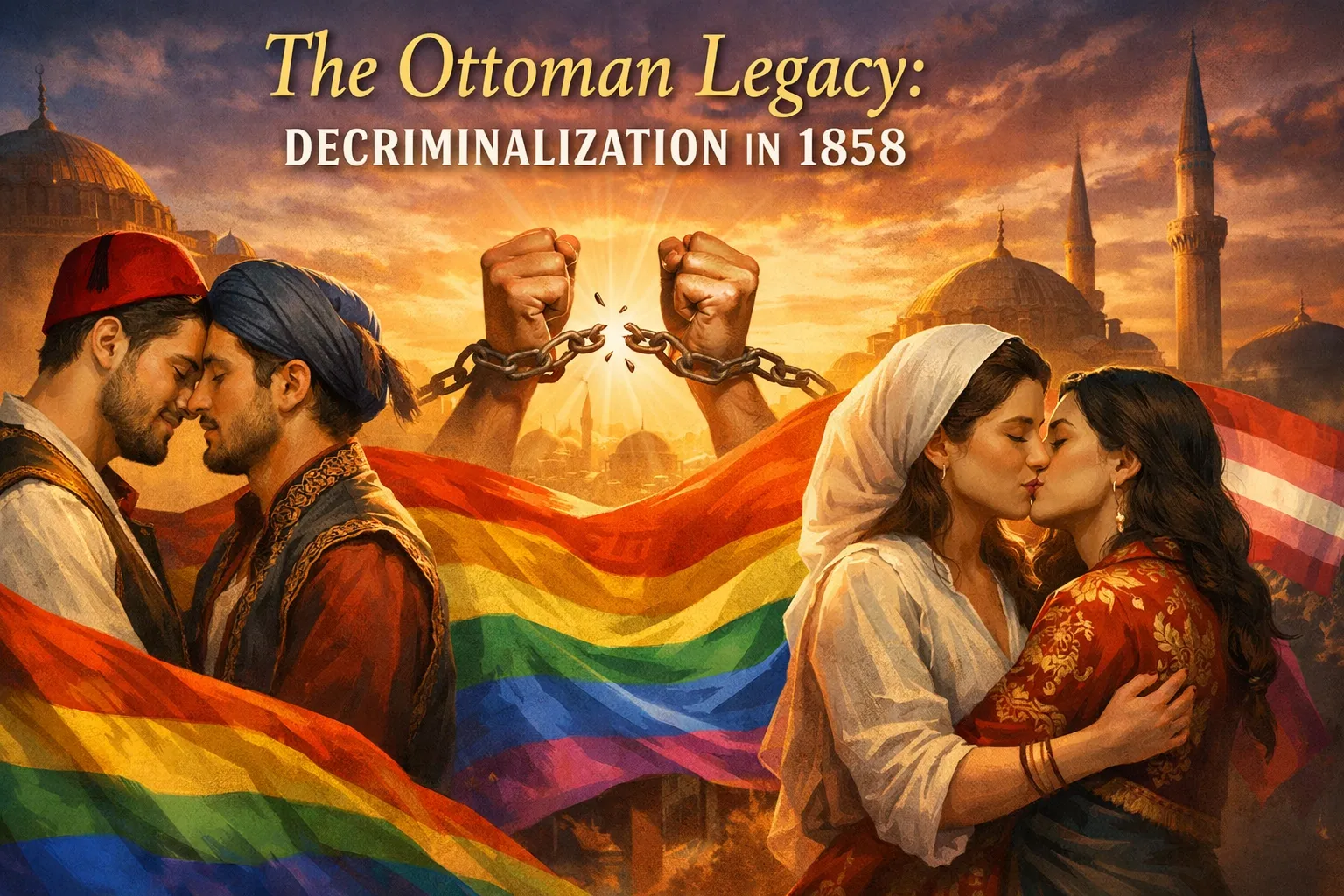
When we talk about queer history, the narrative usually follows a very specific "Western" path. We think of Stonewall, the radical 70s, or the tragic trials of Oscar Wilde in Victorian England. But if we turn the clock back to the mid-19th century and look toward the East, there’s a historical plot twist that usually leaves people stunned. While the "civilized" British Empire was busy hanging or imprisoning men for "buggery," the Ottoman Empire: the massive power spanning across modern-day Turkey, the Middle East, and North Africa: formally overhauled its legal system in 1858.
The result? The decriminalization of same-sex relationships.
At Read with Pride, we love a good historical deep dive, especially when it challenges the status quo of what we think we know about our own community. Whether you’re a fan of gay historical romance or you’re just here to soak up some queer knowledge, the story of the 1858 Ottoman Penal Code is essential reading. It’s a story of reform, cultural nuance, and a reminder that history isn’t always a straight line (pun intended) toward progress.
Setting the Stage: The Tanzimat Reforms
To understand 1858, we have to talk about the "Tanzimat." This was a period of intense modernization and reorganization within the Ottoman Empire that started in 1839. The Sultans knew the world was changing, and they wanted to keep up with European powers while maintaining their own unique identity.
They began reshaping everything: the military, the education system, and, most importantly, the law. In 1858, as part of these reforms, Sultan Abdülmecid I introduced a new Penal Code. This code was largely inspired by the Napoleonic Code from France. Why does that matter? Because the French code had already scrapped "sodomy" as a specific crime decades earlier during the French Revolution.
By adopting this new legal framework, the Ottoman Empire effectively removed the specific criminal penalties for consensual same-sex acts between adults in private. This happened over a century before the UK’s Sexual Offences Act of 1967 and more than 140 years before the United States fully decriminalized it nationwide.
The Scholarly Debate: Was it a "Gay Rights" Win?
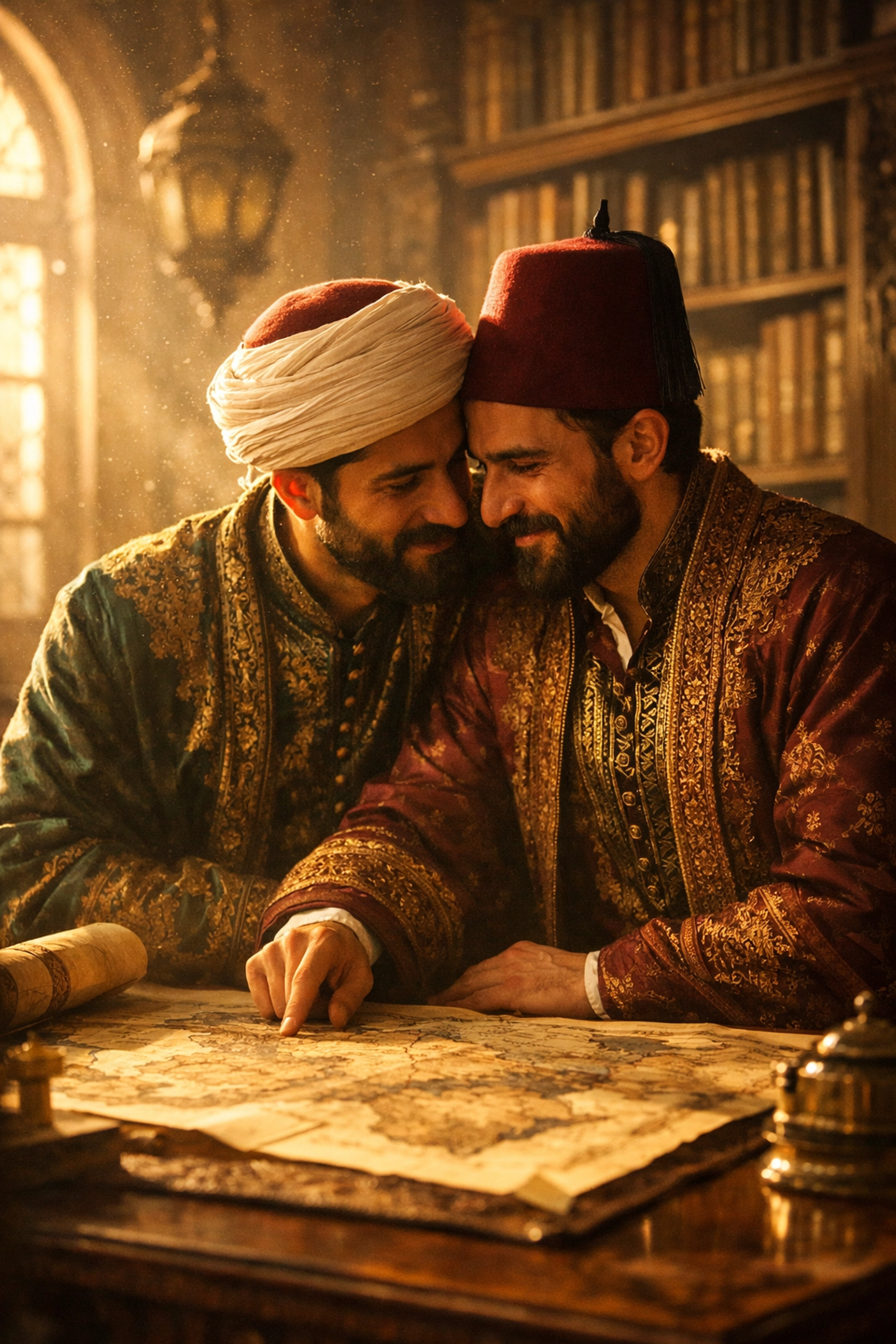
Now, before we start imagining 19th-century Istanbul as a haven for MM romance books-style happy endings, we have to look at the nuances. History is rarely black and white. Scholars today are still debating exactly what this decriminalization meant in practice.
The research tells us that we shouldn't simply apply modern Western "Pride" frameworks to the 1858 Ottoman world. While the new code didn’t list "sodomy" as a capital offense, it didn't exactly mean everyone was out and proud in the way we think of it today. Article 202 of the 1858 Penal Code still had things to say about "public modesty." If you were "openly" committing acts "contrary to modesty and shame," you could still face a few months in jail.
The distinction was between private behavior and public morality. The Ottoman legal tradition, rooted in both Islamic law and state decrees, often focused more on maintaining social order and public decency than on policing what went on behind closed doors. For many queer people living in the Empire, this provided a level of "don't ask, don't tell" protection that was unheard of in the West at the time.
Cultural Fluidity vs. Western Rigidness
What makes this era so fascinating for fans of queer fiction and gay novels is the sheer difference in how gender and desire were perceived. In many parts of the Ottoman world: including what we now call Kuwait, Iraq, and Iran: the rigid "gay vs. straight" binary we use today didn't really exist.
Poetry from the era is filled with mentions of male beauty. It wasn't uncommon for men to express deep, romantic, and physical admiration for other men without it being seen as a total "identity" that defined their entire lives. When the 1858 reforms came along, they were, in many ways, just codifying a cultural reality that had existed for centuries: that what men did in private wasn't the state’s primary concern as long as the social fabric stayed intact.

The Ottoman Legacy and Modern Reality
It’s impossible to talk about this history without acknowledging the heart-wrenching contrast to the modern Middle East. Today, countries that were once under Ottoman rule have widely varying laws. In Israel, there are robust protections and a vibrant queer culture. In other places like Iran or parts of Iraq, the legal and social environment for LGBTQ+ individuals is incredibly dangerous.
The tragic irony is that much of the modern homophobia in the Middle East was actually imported during the colonial era. When European powers (looking at you, Britain and France) began carving up the region after the fall of the Ottoman Empire, they brought with them rigid Victorian moralities and colonial penal codes that recriminalized same-sex acts.
For us at Read with Pride, looking back at 1858 isn't just about trivia. It’s about reclaiming a history where the Middle East was actually ahead of the West in terms of legal tolerance. It reminds us that our community has always existed everywhere, and that "progress" can be taken away just as easily as it is given.
Why This Matters for Gay Historical Romance
If you’re a writer or a reader of gay historical romance or MM historical romance, the Ottoman Empire is a goldmine of untapped stories. Imagine a romance set against the backdrop of the Tanzimat reforms: a world of bustling bazaars, shifting political alliances, and a legal system that was suddenly, quietly, looking the other way.
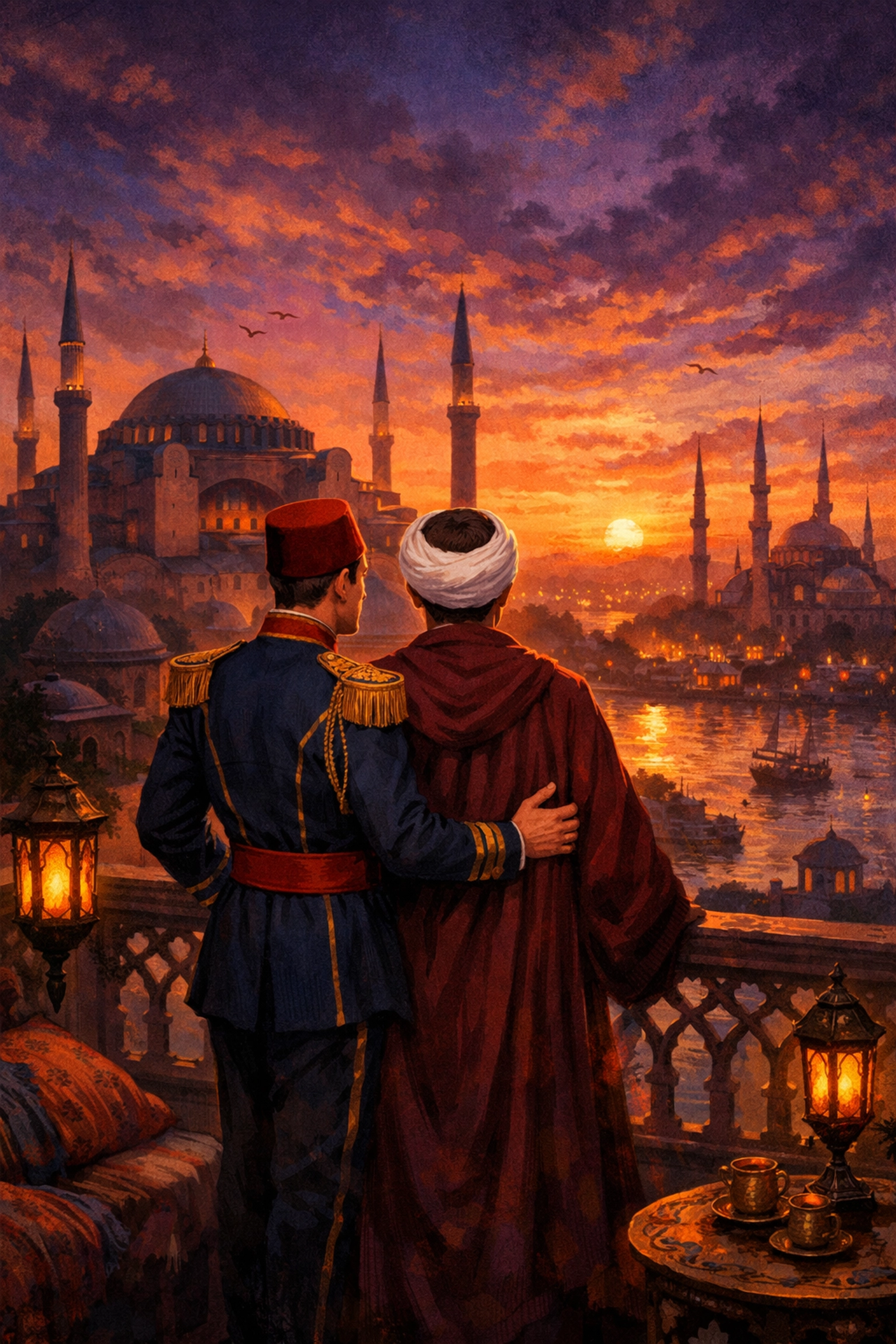
Most popular gay books in the historical genre stick to Regency London or the American West. But there is so much room for gay love stories set in the libraries of Istanbul or the courtyards of Baghdad. Exploring these "gray areas" of history allows us to see our ancestors not just as victims of their time, but as people who navigated complex social codes to find love and intimacy.
2026 and the Future of Queer Literature
As we move through 2026, the demand for diverse, global queer stories is higher than ever. Readers are looking for more than just the same three tropes. They want to know about the gay classics of the future that bridge the gap between history and modern identity.
At Readwithpride.com, we’re committed to highlighting LGBTQ+ fiction that goes beyond the expected. Whether it’s a steamy MM romance or a heartfelt gay fiction piece centered on historical truth, we believe these stories are the heartbeat of our community.
If you’re looking for your next great read, why not dive into some MM romance books that explore the richness of our global past? From gay fantasy romance to gay contemporary romance, there’s a world of literature waiting for you.
Conclusion: Reclaiming the Narrative
The 1858 Ottoman reform is a powerful reminder that our history is not a monolith. It’s a messy, beautiful, complicated tapestry. By learning about the Ottoman legacy, we challenge the idea that "gay rights" is a purely Western invention. We see that even in an empire from the 1800s, there was a path toward decriminalization that many "modern" nations struggled to find for another century.
Stay curious, stay proud, and keep reading. The more we know about our past, the better we can navigate our future.
For the latest in new gay releases and top LGBTQ+ books, make sure to follow us on our socials:
- Facebook: Read with Pride
- Instagram: @read.withpride
- X (Twitter): @Read_With_Pride
Explore more at Readwithpride.com – your home for gay eBooks, queer authors, and the best MM romance of 2026.
#LGBTQHistory #OttomanEmpire #GayHistoricalRomance #MMRomance #QueerHistory #ReadWithPride #GayBooks2026 #MiddleEastHistory #Decriminalization1858 #MMFiction

Leave a Reply
You must be logged in to post a comment.