
readwithpride.com
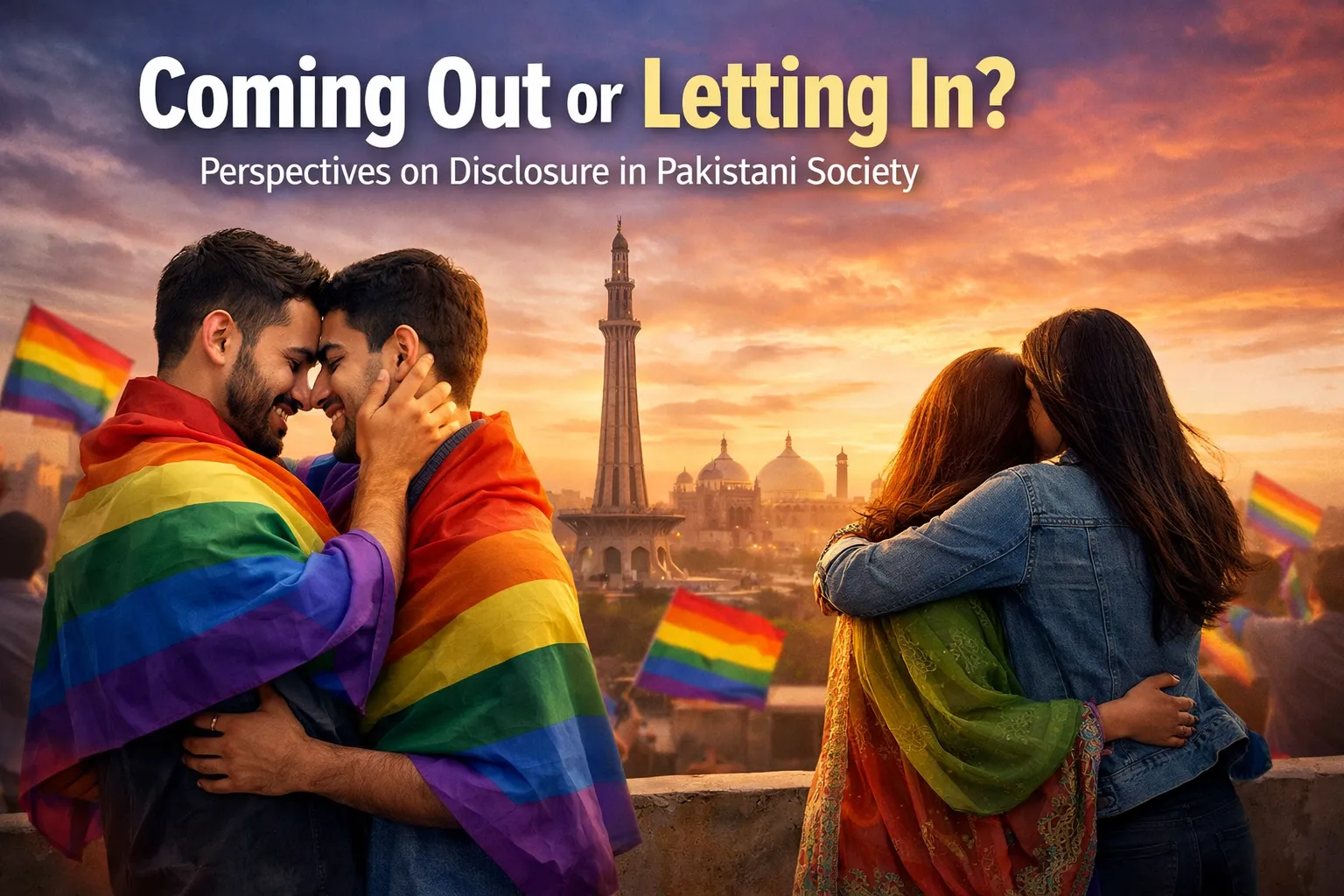
When we talk about the "closet" in Western queer discourse, we often treat it like a dark, cramped room that everyone is itching to escape. The narrative is almost always linear: you’re in, it’s bad; you’re out, you’re free. But here at Read with pride, we know that the global queer experience is never that simple. In a collectivist society like Pakistan, the "closet" isn't just a piece of furniture: it’s a complex architecture of family, honor, religion, and survival.
As we navigate the landscape of 2026, the conversation is shifting. For many Pakistani LGBTQ+ individuals, the Western concept of "coming out" feels like an ill-fitting garment. Instead, many are embracing the concept of "letting in." It’s a subtle, powerful distinction that prioritizes safety and community over public declaration. Whether you're a fan of MM romance books looking for deeper cultural context or someone navigating your own identity, understanding this nuance is key.
The Western Blueprint vs. The South Asian Reality
In many Western cultures, individualism is the name of the game. Coming out is often framed as an act of personal integrity: a way to "live your truth." But in Pakistan, your "truth" isn't just yours; it belongs to your parents, your siblings, your cousins, and even the nosy neighbor three streets over. This is a collectivist society where "Izzat" (honor) is the currency of the realm.
For a Pakistani person, coming out publicly doesn't just affect them; it can have a ripple effect on their entire family's social standing. This can lead to forced marriages, social ostracization, or worse. Because of this, the "big reveal" that we see in so many gay romance novels can feel like a fantasy: or a nightmare: for those living in Lahore, Karachi, or Islamabad.
What Does "Letting In" Actually Mean?
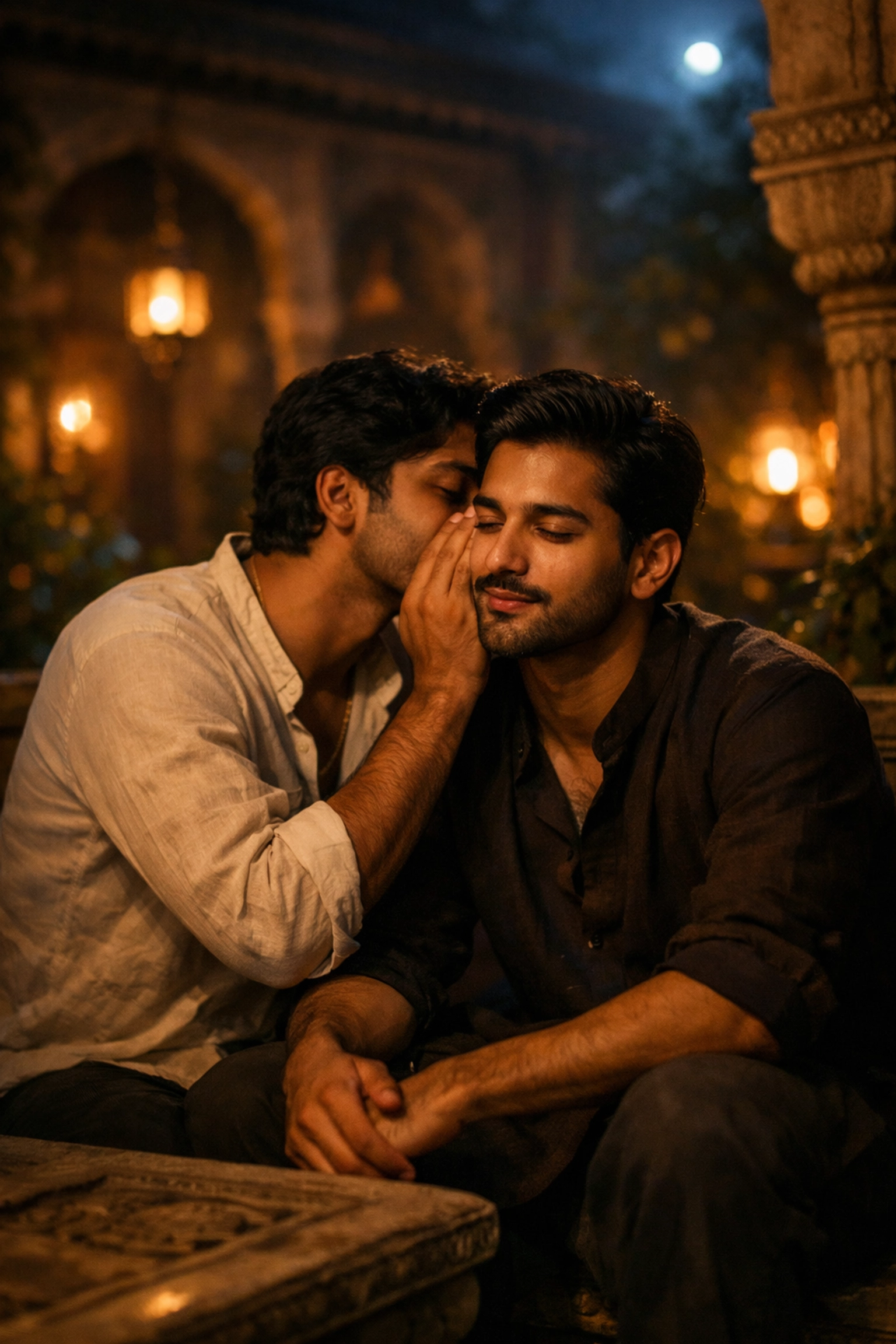
If "coming out" is throwing open the front door and shouting your name to the street, "letting in" is a whispered invitation into a private garden. It’s a selective process of disclosure.
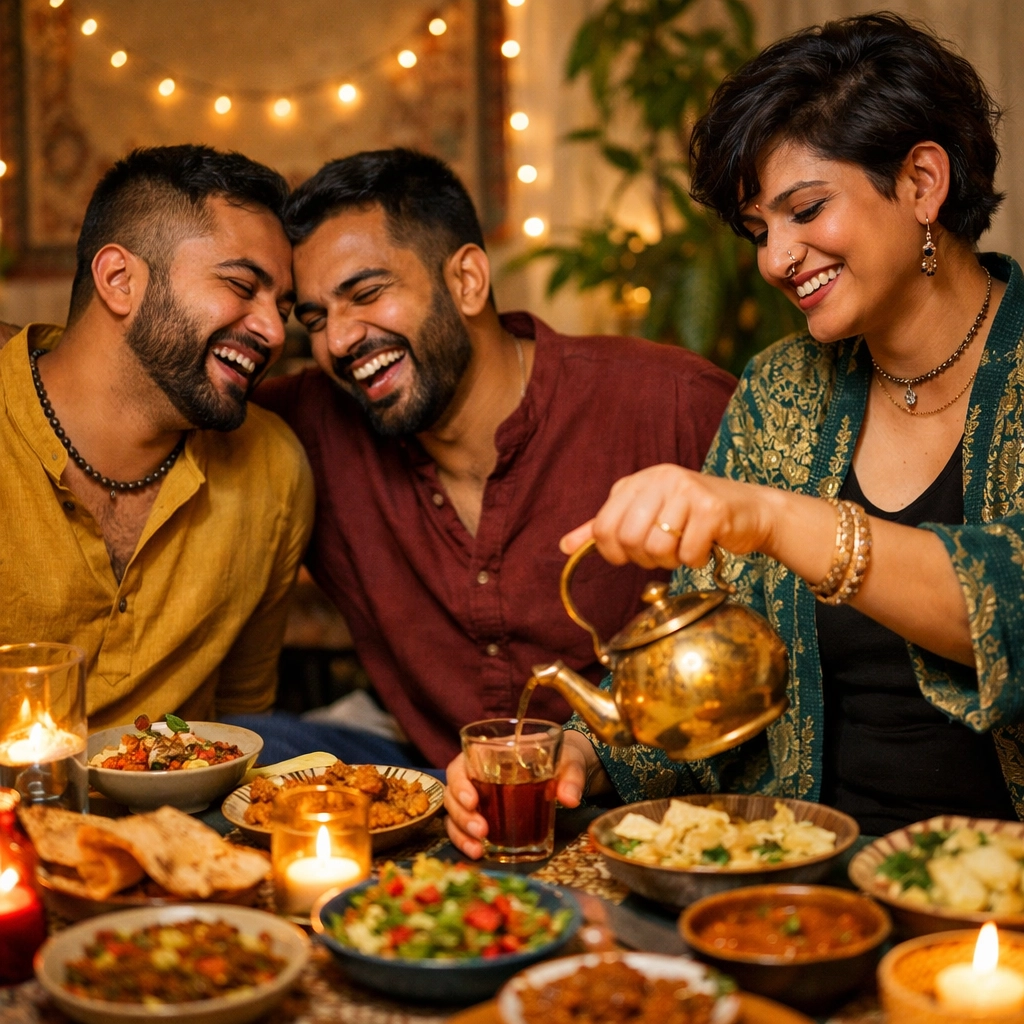
"Letting in" means choosing specific people: trusted friends, a supportive sibling, or a "chosen family": and sharing your authentic self with them. It allows for a support system without the potentially catastrophic fallout of a public announcement. In this model, disclosure is a gift given to those who have earned it, rather than a debt owed to society.
This approach is often reflected in the more nuanced LGBTQ+ fiction coming out of South Asia today. These stories don't always end with a pride parade; sometimes, the "happily ever after" is simply finding one person who truly sees you in a world where you have to remain invisible to most.
The Paradox of Gender Segregation
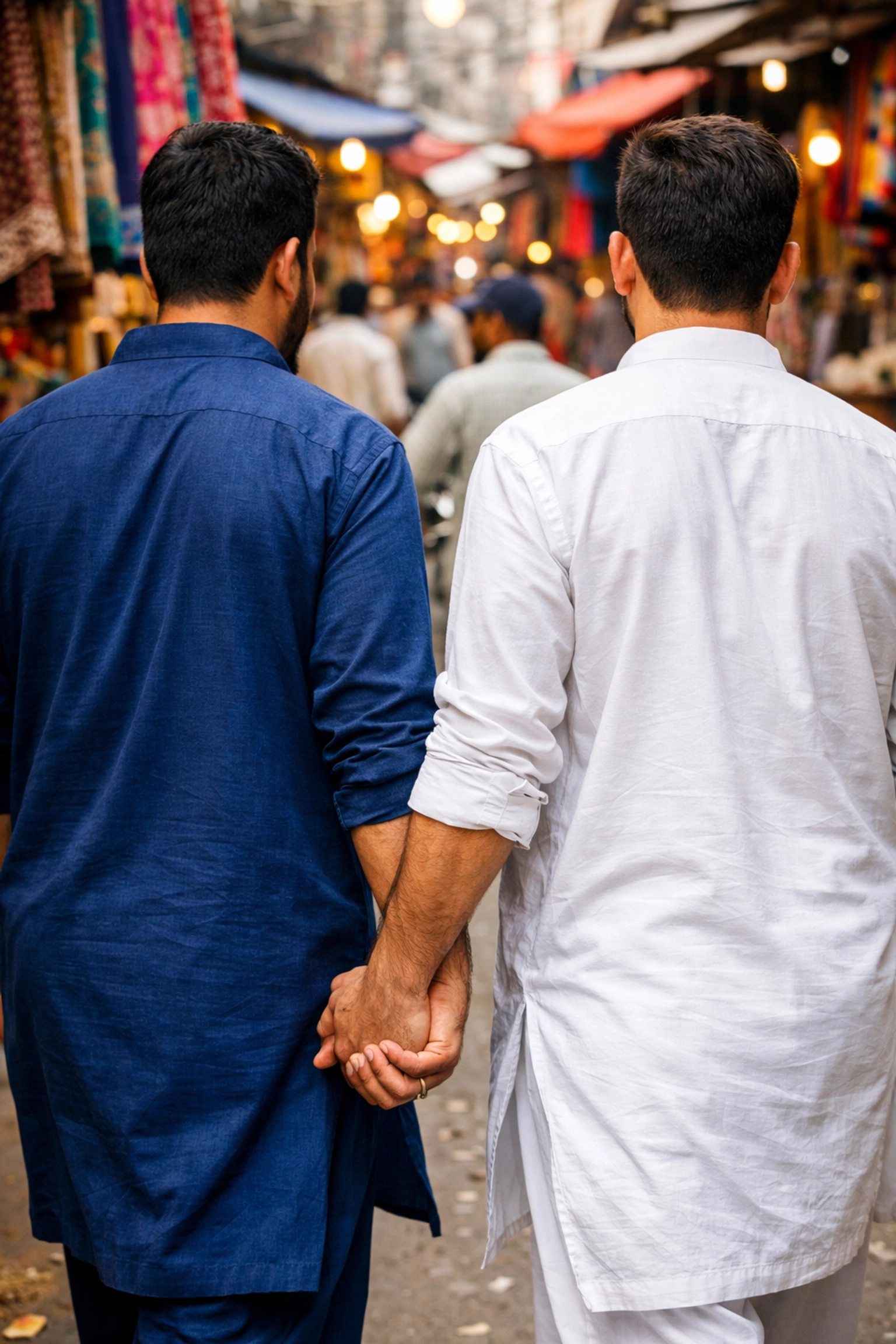
One of the most fascinating aspects of gay life in Pakistan is how the country’s strict gender segregation actually provides a unique form of "cover." In many Western societies, two men holding hands or being inseparable might immediately raise eyebrows. In Pakistan, homosocial affection is culturally normal.
Men hold hands, hug, and spend nearly all their social time with other men. This creates a space where same-sex relationships can often hide in plain sight. It’s a bit of a "don't ask, don't tell" culture on a national scale. As long as the outward appearances of tradition: like marriage: are maintained, the private lives of individuals are often overlooked.
For many, this leads to the "Lavender Marriage" (a marriage of convenience between a gay man and a lesbian). It’s a survival tactic that allows both parties to satisfy familial expectations while maintaining their true relationships in the shadows. It's a trope we see explored frequently in gay historical romance, but in Pakistan, it’s a very modern reality.
Digital Sanctuaries in 2026
While the physical world remains high-risk, the digital world has become a vital lifeline. In 2026, encrypted apps and private social media groups have become the modern-day "underground" scene.
In major cities, the elite and middle classes use these platforms to organize private parties and meetups. These are spaces where "letting in" happens on a slightly larger scale. However, the risk remains. Digital surveillance and the lack of legal protection mean that even in these "safe" spaces, discretion is the ultimate rule of thumb.
For many young Pakistanis, discovering gay love stories and MM romance online is their first step toward self-acceptance. Accessing LGBTQ+ ebooks provides a mirror for their experiences that they can’t find in local bookstores or mainstream media.
Why Representation in Literature Matters
At Read with pride, we believe that stories save lives. For someone living in a society where their existence is criminalized, seeing themselves in a gay novel is an act of revolution.
However, there is a growing need for stories that reflect the specific challenges of the Middle East and South Asia. We need more M/M books that don't just transplant Western tropes into a different setting, but actually grapple with the reality of "letting in." We need stories that explore the tension between loving one's family and loving oneself.
The best MM romance books of 2026 are the ones that push boundaries and explore these "gray areas." They aren't just about the heat (though we love a bit of steamy MM romance); they’re about the heart-wrenching decisions people make to keep their love alive in a world that refuses to acknowledge it.

The Role of "Chosen Family"
Since biological families can often be a source of conflict, the concept of "chosen family" is huge in the Pakistani queer community. These are the people you "let in." They are the ones who know the real you, who provide the emotional support that may be missing at home.
In many ways, the "letting in" process is how these families are built. It’s a slow, careful vetting process that results in bonds that are often stronger than blood. This theme is a staple in heartfelt gay fiction and emotional MM books, where the search for belonging is just as important as the search for romantic love.
Navigating the Future
Is the situation changing? Slowly. There are brave activists on the ground in Pakistan fighting for transgender rights (which have seen some legal progress, though implementation is a struggle) and broader LGBTQ+ visibility. But for the average person, the daily reality remains one of careful navigation.
Choosing not to "come out" isn't a sign of cowardice; it’s a strategic choice for survival and family harmony. By "letting in" those they trust, Pakistani LGBTQ+ individuals are creating their own versions of Pride, often behind closed doors or within the pages of a beloved book.
If you’re looking to support or learn more about these diverse narratives, checking out our collection of queer fiction is a great place to start. Whether it’s gay contemporary romance or gay fantasy romance, these stories help bridge the gap between our different worlds.
Stay Connected with the Community
The journey of self-discovery is never one you should have to walk alone. At Readwithpride.com, we’re dedicated to bringing you the stories that matter. From the latest MM romance releases to deep dives into queer history and culture, we’re your hub for all things LGBTQ+ literature.
Don't forget to follow us on social media to stay updated on new releases, author spotlights, and more:
- Facebook: Follow us here
- X (formerly Twitter): Join the conversation
- Instagram: See the latest covers
Whether you are "out," "letting people in," or simply exploring, remember that your story is valid. Keep reading, keep dreaming, and always Read with pride.
Explore More:
#LGBTQ #Pakistan #QueerIdentity #ComingOut #LettingIn #GayLiterature #MMRomance #ReadWithPride #SouthAsianQueer #GayBooks2026

Leave a Reply
You must be logged in to post a comment.