

readwithpride.com
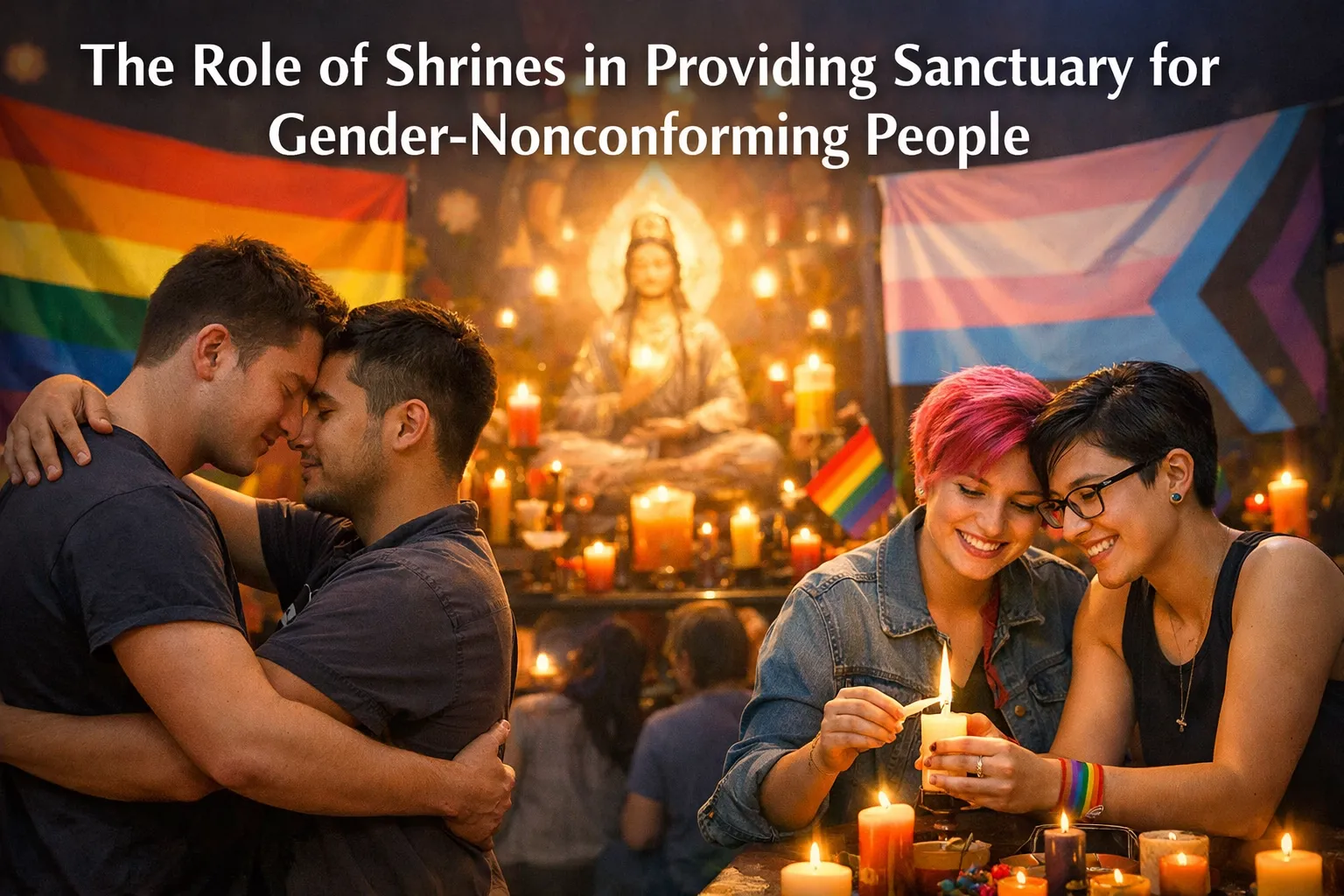
When we talk about the history of the LGBTQ+ community, we often look toward the West: Stonewall, the Castro, or the bright lights of London’s Soho. But if we shift our gaze toward the East, specifically toward the dust-blown roads and vibrant cities of Pakistan and the wider Muslim world, we find a different kind of sanctuary. It’s not a bar, and it’s not a protest line. It’s the Darbar: the Sufi shrine.
For centuries, these shrines have acted as a spiritual and social safety net for gender-nonconforming people, particularly the Khwaja Sira community. In a world that often demands rigid binaries, the Sufi shrine offers a space where the soul matters more than the skin it wears. As we look at the landscape of queer life in 2026, understanding these ancient "safe houses" is essential for anyone who loves deep, authentic LGBTQ+ stories.
The Mystical Loophole: Sufism and the Fluid Soul
To understand why a shrine would be a refuge, you have to understand Sufism. Unlike more legalistic interpretations of religion, Sufism is all about the internal journey toward the Divine. It’s about Ishq: love. Not just the polite, socially acceptable kind, but a wild, transformative, soul-shattering love.
In Sufi philosophy, the soul has no gender. When a devotee is in a state of fana (annihilation of the self in God), the earthly labels of "man" or "woman" start to look a bit silly. This "mystical loophole" has historically allowed people who don't fit the gender mold to find a seat at the table. In many MM romance books and gay historical romance novels, we see characters searching for a place where they don't have to explain themselves. For many in Pakistan and North India, that place has always been the shrine of a saint.
The Khwaja Sira: Guardians of the Sacred Space
In Pakistan, the Khwaja Sira (a term that encompasses transgender women, non-binary individuals, and intersex people) have a relationship with shrines that goes back generations. You’ll often find them at the shrines of saints like Lal Shahbaz Qalandar or Shah Jamal. They aren't just visitors; they are often the dancers, the caretakers, and the most devoted pilgrims.
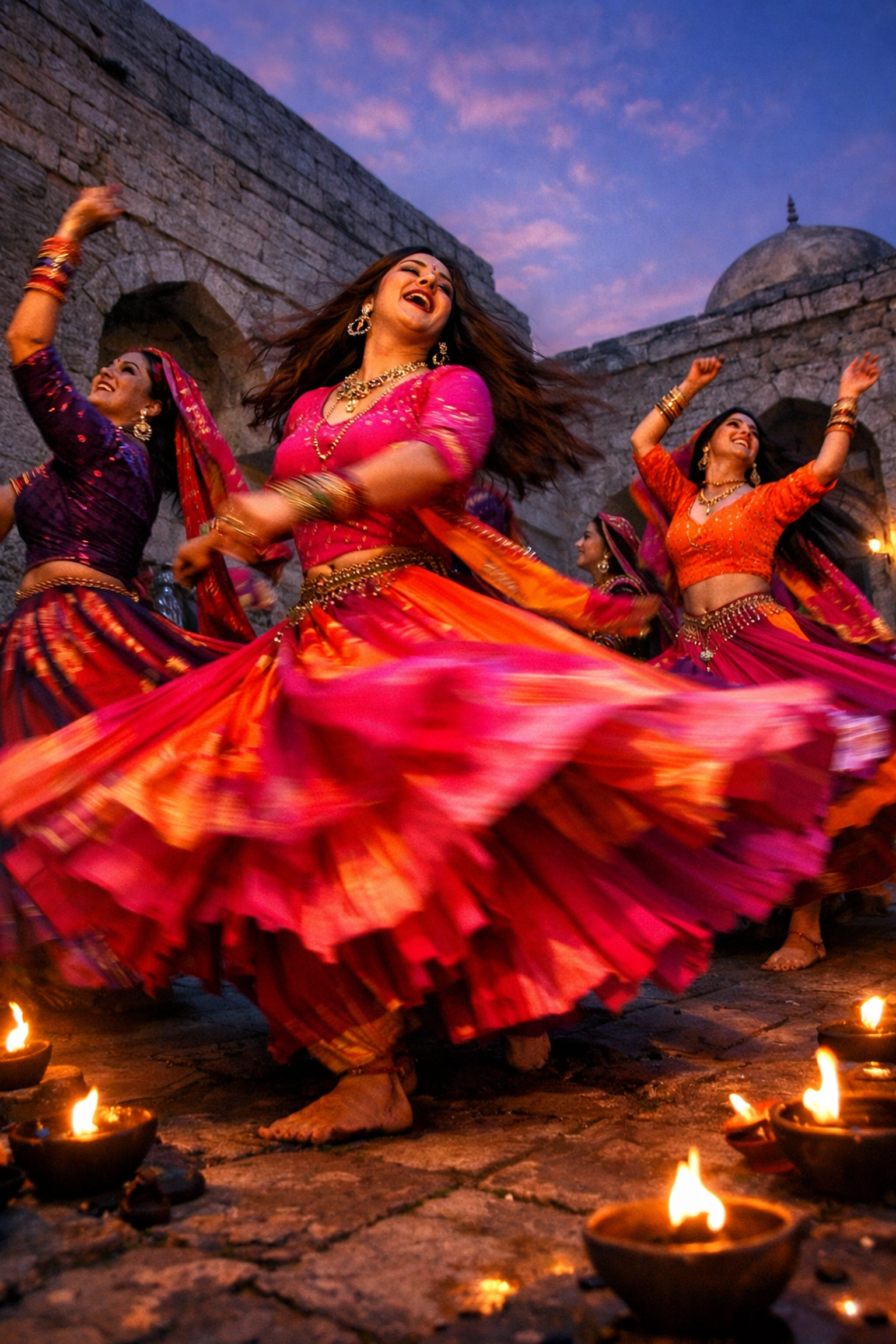
When a Khwaja Sira is rejected by their biological family: a trope we see all too often in emotional MM books: the shrine becomes their "found family" hub. They perform the Dhamaal (a meditative, ecstatic dance) to the beat of the dhol, finding a physical release for the pressures of a society that often marginalizes them. At the shrine, they aren't "outcasts"; they are seen as people closer to the Divine because they have let go of worldly expectations.
Love Stories That Transcend Time
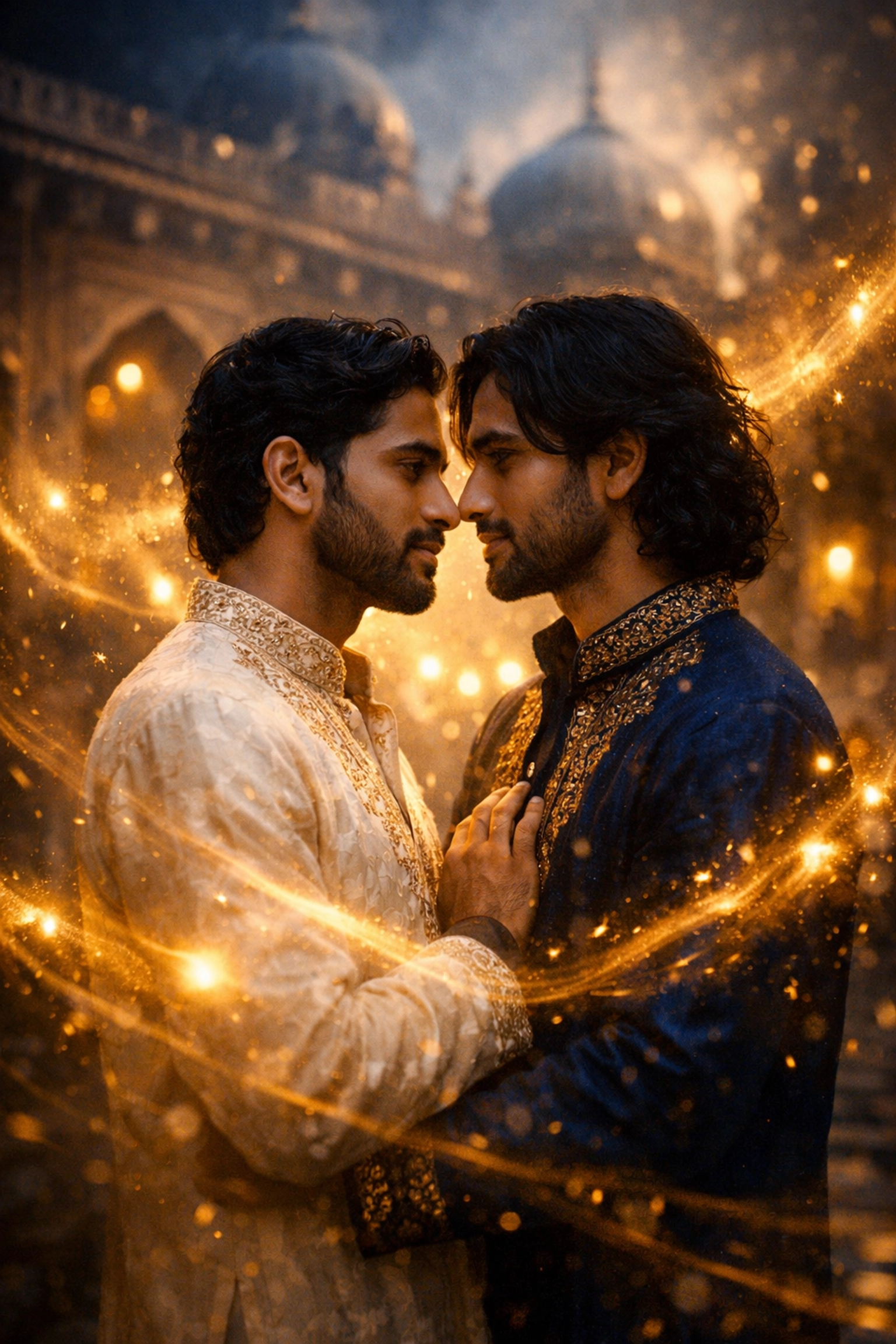
If you’re a fan of gay romance novels, you know that the best stories are the ones where love defies the odds. The history of Sufi shrines is literally built on these stories. Take the famous shrine of Madho Lal Hussain in Lahore. It is the final resting place of two men: the Sufi saint Shah Hussain and his beloved, a Hindu boy named Madho.
Their love was so legendary and so spiritual that they are buried together, their names forever entwined. Every year, the "Mela Chiraghan" (Festival of Lights) celebrates their union. For a queer person living in 2026, seeing a centuries-old monument dedicated to the inseparable bond between two men is a powerful reminder that our "modern" identities have very old roots. It’s the ultimate "soulmates" trope, making it a staple inspiration for gay historical romance and LGBTQ+ fiction writers today.
Why Shrines Matter in 2026
You might wonder why, in the age of dating apps and digital advocacy, a physical shrine still matters. The truth is, while the internet provides a "digital sanctuary," the physical reality for many LGBTQ+ individuals in the Middle East and South Asia remains complex. Law and tradition often clash, leaving people in a state of "forced proximity" with a world that doesn't always see them.
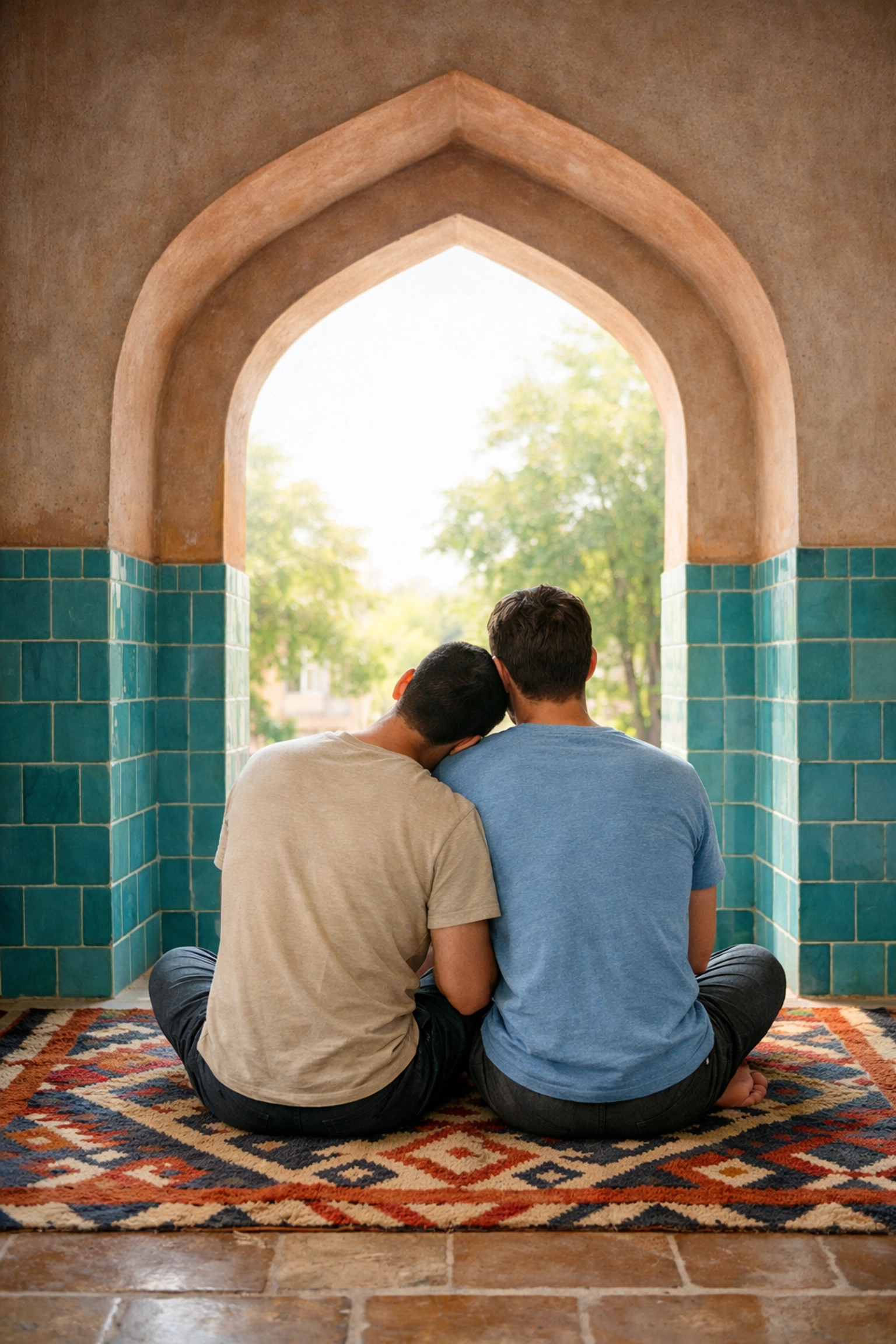
The shrine offers a physical "safe zone." Even the most conservative elements of society often hesitate to harass someone within the bounds of a sacred space. It is a place of truce. For a gender-nonconforming person, the ability to walk into a space, share a meal (the langar), and pray without being questioned is a form of resistance. It’s a real-life version of the "sanctuary" trope we love in gay adventure romance and gay thriller novels.
From the Shrine to the Bookshelf
At Read with Pride, we believe that representation isn't just about modern Western settings. Our collection of LGBTQ+ ebooks and MM romance books aims to capture the full spectrum of the human experience. Whether it's a gay contemporary romance set in a bustling city or a gay fantasy romance that draws on the mystical traditions of the East, these themes of seeking refuge and finding divine love are universal.
The story of the shrine is a story of resilience. It tells us that even in the most restrictive environments, the human spirit finds a way to create a home. If you're looking for new gay releases in 2026 that challenge your perspective, look for authors who dive into these cultural intersections. There is a wealth of queer fiction that explores how spirituality and identity dance together.
The Future of Sanctuary
As we move forward, the role of these shrines is evolving. Modern activists in Pakistan are using the cultural capital of the Khwaja Sira’s spiritual status to fight for legal rights. They are bridging the gap between ancient tradition and modern human rights. It’s a slow burn, much like the best slow burn MM romance novels, but the progress is real.
For those of us reading from afar, these stories offer a "heartfelt gay fiction" experience that goes beyond the surface. They remind us that "Pride" isn't just a parade; sometimes, it's a candle lit at a shrine, a dance in a crowded courtyard, and a refusal to let the world extinguish your light.
Join the Community
If you're looking for more stories that explore the intersection of culture, history, and queer love, you're in the right place. From steamy MM romance to award-winning gay fiction, Read with Pride is your home for the best LGBTQ+ books of 2026.
Stay connected with us for book recommendations, author spotlights, and more deep dives into LGBTQ+ history:
- Browse our store: https://readwithpride.com
- Follow us on Facebook: https://www.facebook.com/profile.php?id=61586883027069
- Check our Instagram: https://www.instagram.com/read.withpride/
- Catch us on X: https://x.com/Read_With_Pride
Whether you’re into MM historical romance, gay spy romance, or just looking for your next favorite gay love story, we’ve got you covered. Let’s keep reading, keep learning, and keep celebrating the many ways our community finds its sanctuary.
#ReadWithPride #LGBTQFiction #MMRomance2026 #QueerHistory #SufiShrines #GayBooks #TransRights #KhwajaSira #GayRomanceNovels #FoundFamily

Explore More
- Top 10 Historical Gay Romance Novels of 2026
- The Evolution of Queer Spaces: From Shrines to Apps
- MM Romance Tropes: Why We Love the Sanctuary Theme
The world is full of stories waiting to be told. Don't just read( read with pride.)
readwithpride.com

Leave a Reply
You must be logged in to post a comment.