
readwithpride.com
When we talk about the most progressive laws for transgender rights in the world, your mind might jump to Scandinavia or maybe some liberal pockets of North America. But if you were looking at the global legal landscape in 2018, the most revolutionary shift actually happened in Pakistan.
At Readwithpride.com, we’re all about the stories that define our community: whether they’re found in the steamier pages of MM romance books or in the hard-fought victories of legislative halls. The Transgender Persons (Protection of Rights) Act of 2018 wasn’t just a piece of paper; it was a loud, defiant statement of existence in a region where queer and trans lives are often pushed to the furthest margins.
But as we sit here in 2026, looking back at the journey of this law, it’s a bittersweet tale of "one step forward, two steps back." Let’s dive into the history, the victory, and the heavy backlash that has followed.
A History Older Than the Borders
To understand why the 2018 Act was such a big deal, we have to look at the history of "gay life" and gender identity in South Asia. Long before colonial powers showed up with their Victorian morality and "Section 377" (the law that criminalized "unnatural" acts), the Indian subcontinent had a visible, though complex, place for gender-nonconforming people.
The Khwaja Sira community has been a part of the social fabric since the Mughal Empire. They were courtiers, guardians of the harem, and spiritual figures. While they weren't exactly living the life of a modern protagonist in a queer fiction novel, they had a recognized status. British colonialism messed that up, labeling them "criminal tribes" and forcing a binary gender system on a culture that had lived outside of it for centuries.
Fast forward to the 21st century, and the struggle for the Khwaja Sira: and the broader trans community: became about reclaiming that lost dignity.

The 2018 Act: The "Self-ID" Revolution
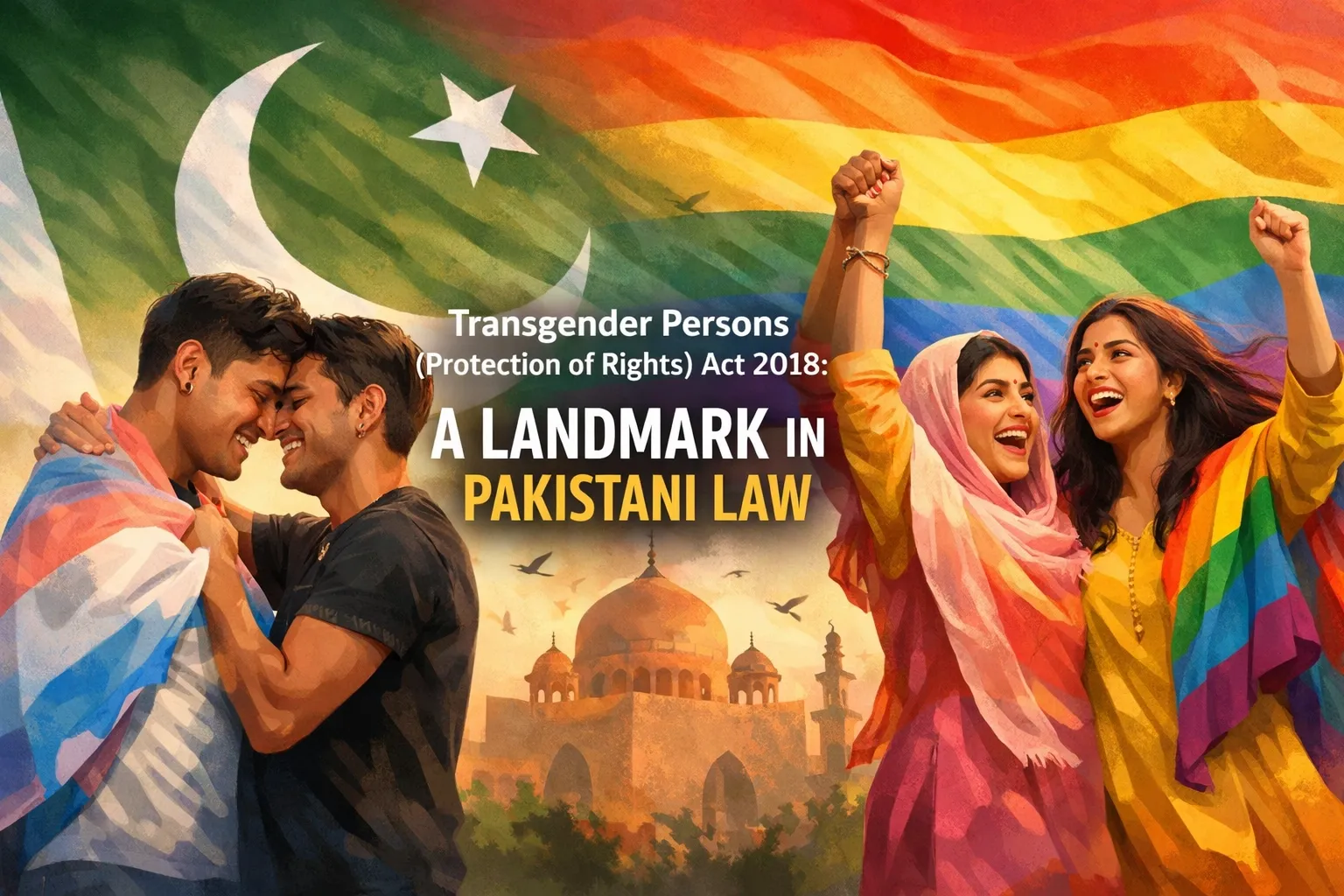
In May 2018, the National Assembly of Pakistan did something truly radical. They passed the Transgender Persons (Protection of Rights) Act. What made this law a "landmark"? It came down to one word: Self-identification.
Most countries, even today, require trans people to go before a medical board, get a diagnosis of "gender dysphoria," or undergo surgery before they can change their legal documents. Pakistan’s 2018 Act threw all that out the window. It stated that any citizen has the right to be recognized according to their self-perceived gender identity.
Here’s what the Act guaranteed:
- Legal Identity: You could change your gender on your CNIC (National Identity Card) and passport without a doctor’s note.
- Anti-Discrimination: It became illegal to discriminate against trans people in schools, jobs, healthcare, and public transport.
- Inheritance: In a country where inheritance laws are strictly gendered, the Act provided a framework for trans people to finally claim what was theirs.
- Safety: The government was mandated to set up protection centers and safe houses.
For a moment, Pakistan was a global leader. It was the kind of victory that makes you want to celebrate with the best gay romance novels of the year: a real-life "happily ever after" in the making.
Why This Matters Globally
At Read with Pride, we see how global narratives shift when laws change. When a country like Pakistan: which often faces Western stereotypes of being purely "regressive": passes a law more progressive than many US states, it flips the script. It proves that LGBTQ+ rights aren't just a "Western export." They are universal human rights that resonate in every language and every culture.
This law gave hope to activists across the Global South. It showed that legal recognition was possible even in deeply religious and conservative societies. It was a beacon of light for anyone writing or reading gay love stories set in the Middle East or South Asia, proving that the dream of being seen for who you truly are isn't just fiction.

The Backlash: The Empire Strikes Back
Of course, progress rarely goes unchallenged. Since 2021, the Act has faced a massive wave of opposition. Conservative politicians and religious leaders began a campaign claiming the law would "open the doors to homosexuality" and "destroy the family fabric."
This is a familiar trope we see in gay psychological thrillers and real-life politics alike: the fear that giving one group rights somehow takes away from everyone else. The "Self-ID" clause became the primary target. Critics argued it was a "Trojan horse" for gay rights (which remain criminalized under the colonial-era laws).
In May 2023, the Federal Shariat Court (FSC) delivered a devastating blow. They ruled that several key sections of the Act: including the right to self-identify: were "un-Islamic." The court argued that gender must be based on biological sex, effectively trying to push the community back into a medicalized box.
Living in the "In-Between" in 2026
Where does that leave the community now? It's complicated. While the FSC ruling was a setback, the fight is far from over. Human rights organizations and trans activists have appealed to the Supreme Court. In the meantime, the community continues to exist, resist, and create.
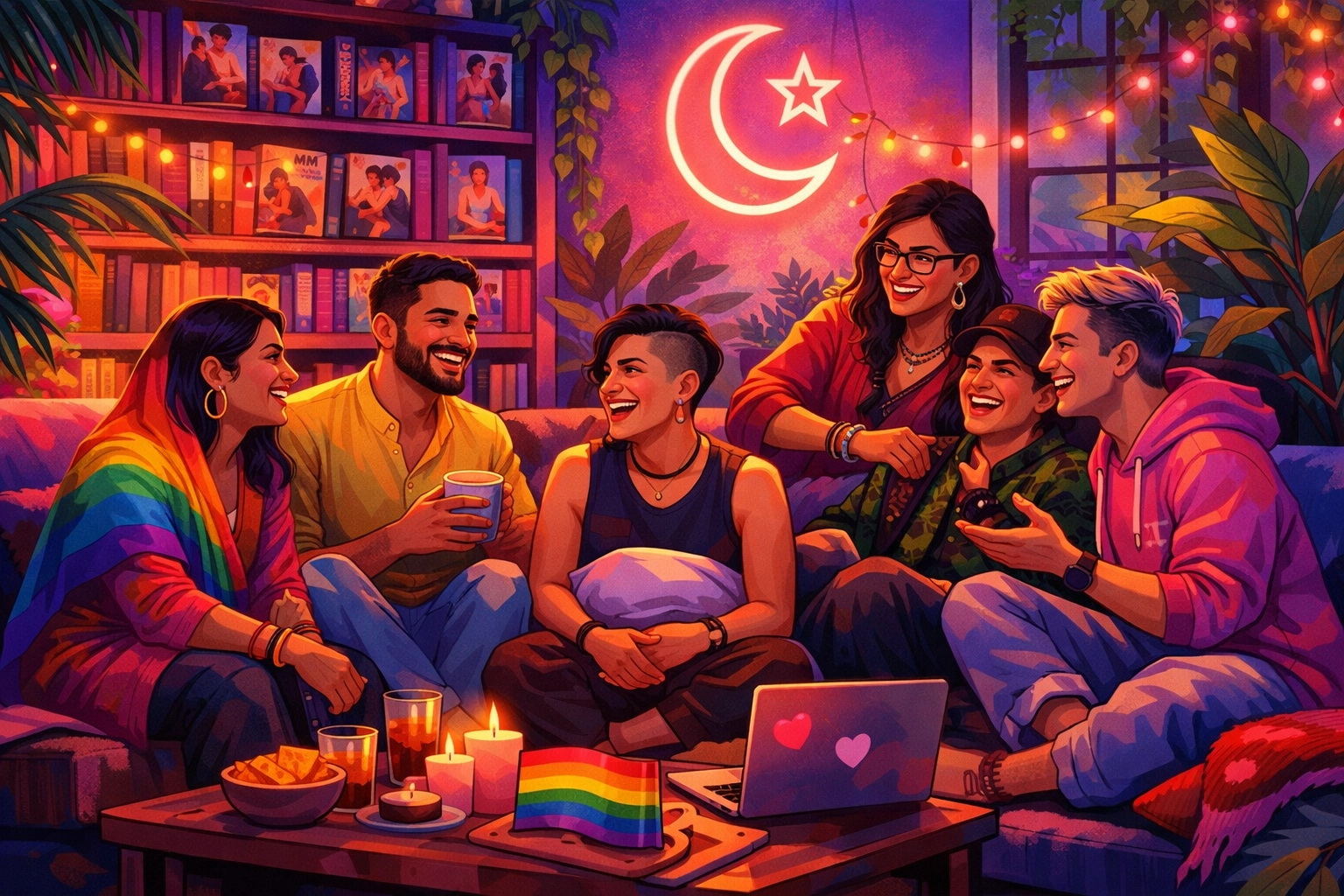
The reality of "gay life" in Pakistan today is a mix of underground resilience and public struggle. While you won't find a "gay bar" in Lahore, you will find thriving digital spaces, private parties, and a community that looks out for its own. It’s a world that deserves to be told in gay literature and MM contemporary stories: not just as a tragedy, but as a testament to human strength.
For those of us in the publishing world, this reminds us why LGBTQ+ fiction is so vital. When the law tries to erase you, stories keep you alive. Whether it’s a gay historical romance exploring the Mughal courts or a new gay release about a trans woman navigating modern-day Karachi, these narratives provide the empathy that laws sometimes fail to protect.
Supporting the Narrative
At Read with Pride, we believe in the power of the written word to change hearts and minds. If you’re looking to explore more diverse voices, check out our blog-category-sitemap or browse our latest releases.
We also encourage authors to keep their creative profits and stay independent. Check out our thoughts on the Royalties Revolution and how we’re helping authors navigate the world of LGBTQ+ eBooks.
The Transgender Persons Act of 2018 may be under fire, but the identity it recognized cannot be erased by a court ruling. The community has always been there, and they aren't going anywhere. As we move through 2026, we continue to stand with our siblings in Pakistan, celebrating their history and supporting their future.
If you want to support queer authors and find your next favorite MM romance, visit us at Readwithpride.com. Every book read is a vote for a world where everyone can live authentically.
Stay Proud. Stay Informed. Keep Reading.
Follow us for more queer history and book recs:
- Facebook: Read with Pride
- X (Twitter): @Read_With_Pride
- Instagram: @read.withpride
#TransRightsAreHumanRights #Pakistan #KhwajaSira #LGBTQHistory #ReadWithPride #MMRomance #QueerFiction #2026GayBooks #GenderEquality #TransgenderRightsAct

Leave a Reply
You must be logged in to post a comment.