
readwithpride.com
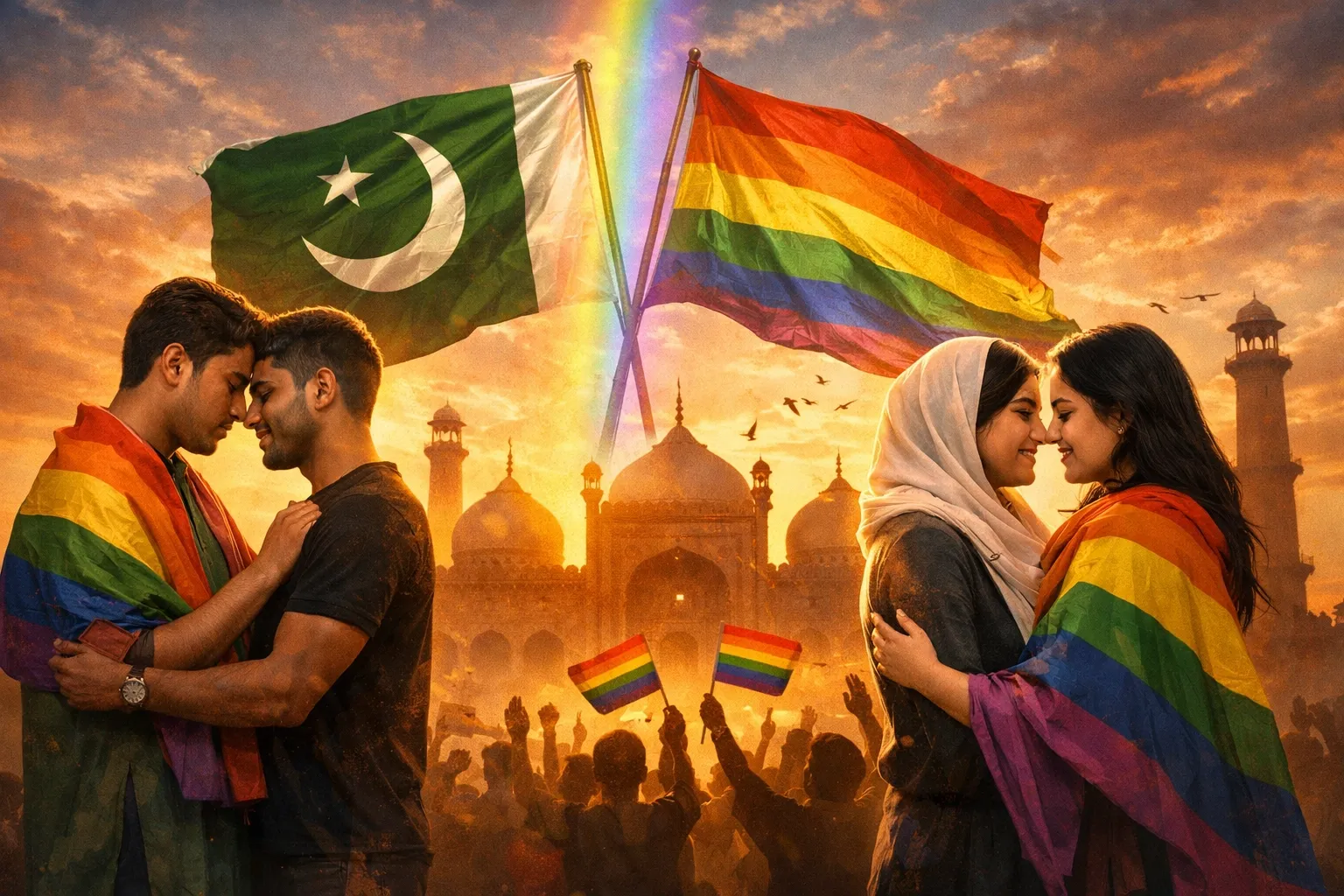
When we talk about queer life in the Middle East and South Asia, the conversation often gets stuck in a loop of tragedy and "Western liberation" narratives. But if you’re a fan of MM romance books or dive deep into gay literature, you know that the human experience is way more nuanced than a headline. Today at Read with Pride, we’re looking at Pakistan: a country with a soul-stirring history, a complex present, and a group of brave individuals who are redefining what it means to be both faithful and queer.
In Pakistan, the intersection of Islam and sexuality isn't just a debate; it’s a lived reality. While the legal and social climate can be tough, there’s a growing movement of progressive theological interpretation that’s opening doors that many thought were permanently locked.
The Ghost of the British Raj: Section 377
Before we can talk about faith today, we have to look at history. It’s a common misconception that "the East" has always been more conservative than "the West." In reality, much of the legal homophobia in Pakistan is a hangover from British colonial rule.
The infamous Section 377 of the British Penal Code: introduced in 1860: criminalized "carnal intercourse against the order of nature." Before the redcoats arrived with their Victorian hang-ups, the Indian subcontinent (which included modern-day Pakistan) had a much more fluid understanding of gender and desire. From Mughal emperors who wrote poetry to their male lovers to the ancient spiritual roles of the khwaja sira (transgender and gender-diverse people), the region wasn't always a place of "thou shalt not."
Sufism: The Language of Divine Love
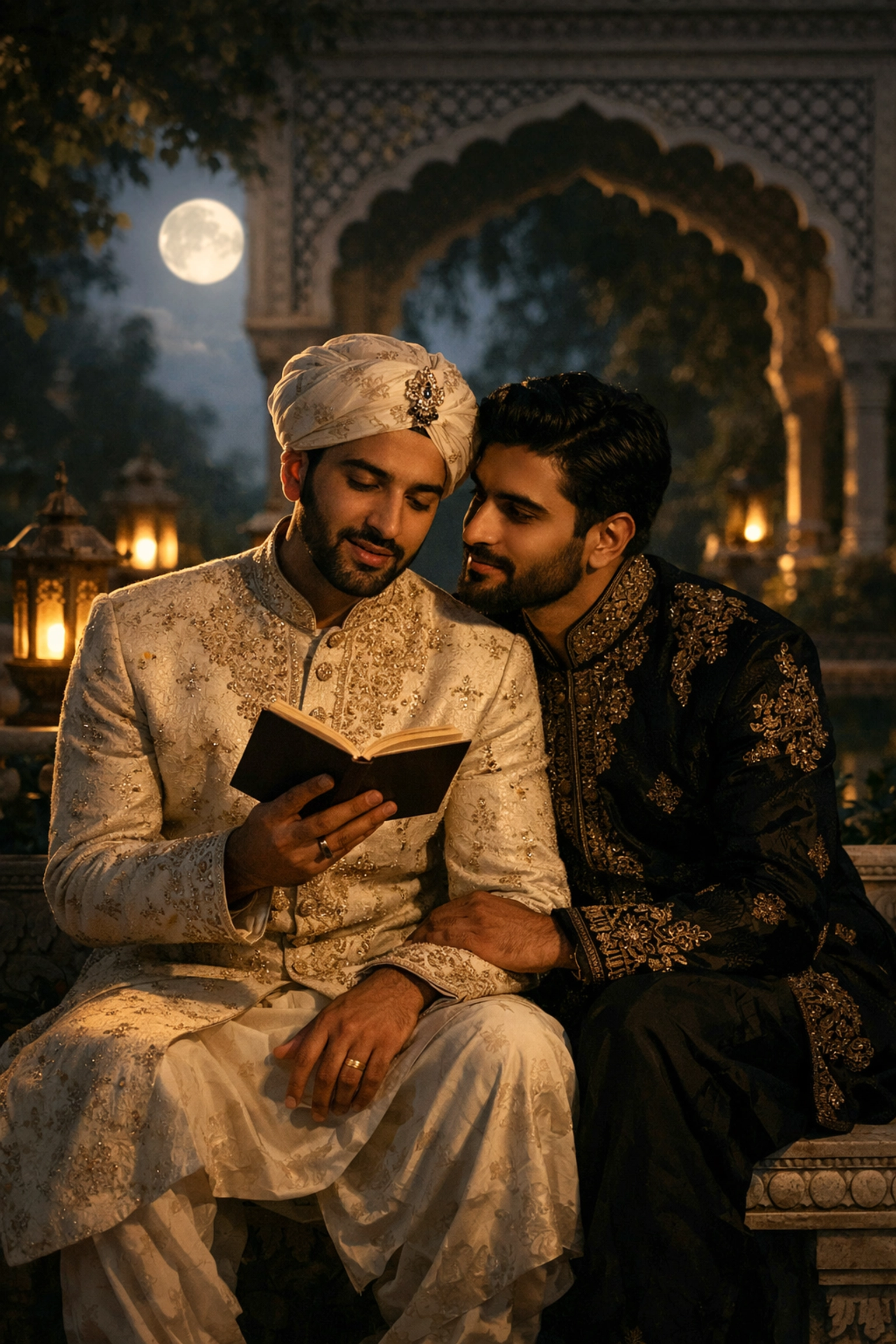
If you’re looking for gay historical romance inspiration, look no further than the Sufi poets. Sufism, the mystical dimension of Islam, has a massive influence in Pakistan. Poets like Bulleh Shah and Shah Hussain wrote about love in ways that frequently blurred the lines between the earthly and the divine, the masculine and the feminine.
In many of these poems, the "Beloved" is often addressed with masculine pronouns, and the soul’s longing for God is described through the lens of passionate, sometimes transgressive love. For many queer Pakistanis today, these traditions provide a spiritual "out." If the greatest saints of the land could find God through unconventional love, why can’t they? This cultural background makes the "straight-jacket" of modern conservatism feel like a relatively new: and perhaps reversible: imposition.
Reclaiming the Quran: Progressive Interpretations
For a long time, the story of the Prophet Lut (Lot) was used as a theological hammer to silence the LGBTQ+ community. However, progressive scholars and queer activists in Pakistan are now pulling that hammer apart.
Instead of seeing the story as a blanket condemnation of same-sex love, these thinkers are reframing it. They argue that the sin of Sodom wasn't about love or consensual relationships; it was about systemic sexual violence, the denial of hospitality, and the exploitation of guests. This shift is massive. When you move the focus from "who you love" to "how you treat others," the entire conversation changes.
Some feminist and queer scholars in the region are arguing for a consent-based morality. They suggest that Islamic ethics should be rooted in the quality of the relationship: is it respectful? Is it consensual? Does it uphold the dignity of both parties? This approach aligns beautifully with the themes we love in MM fiction: the idea that love, when rooted in truth and respect, is a transformative and holy thing.
The Khwaja Sira: A Unique Path
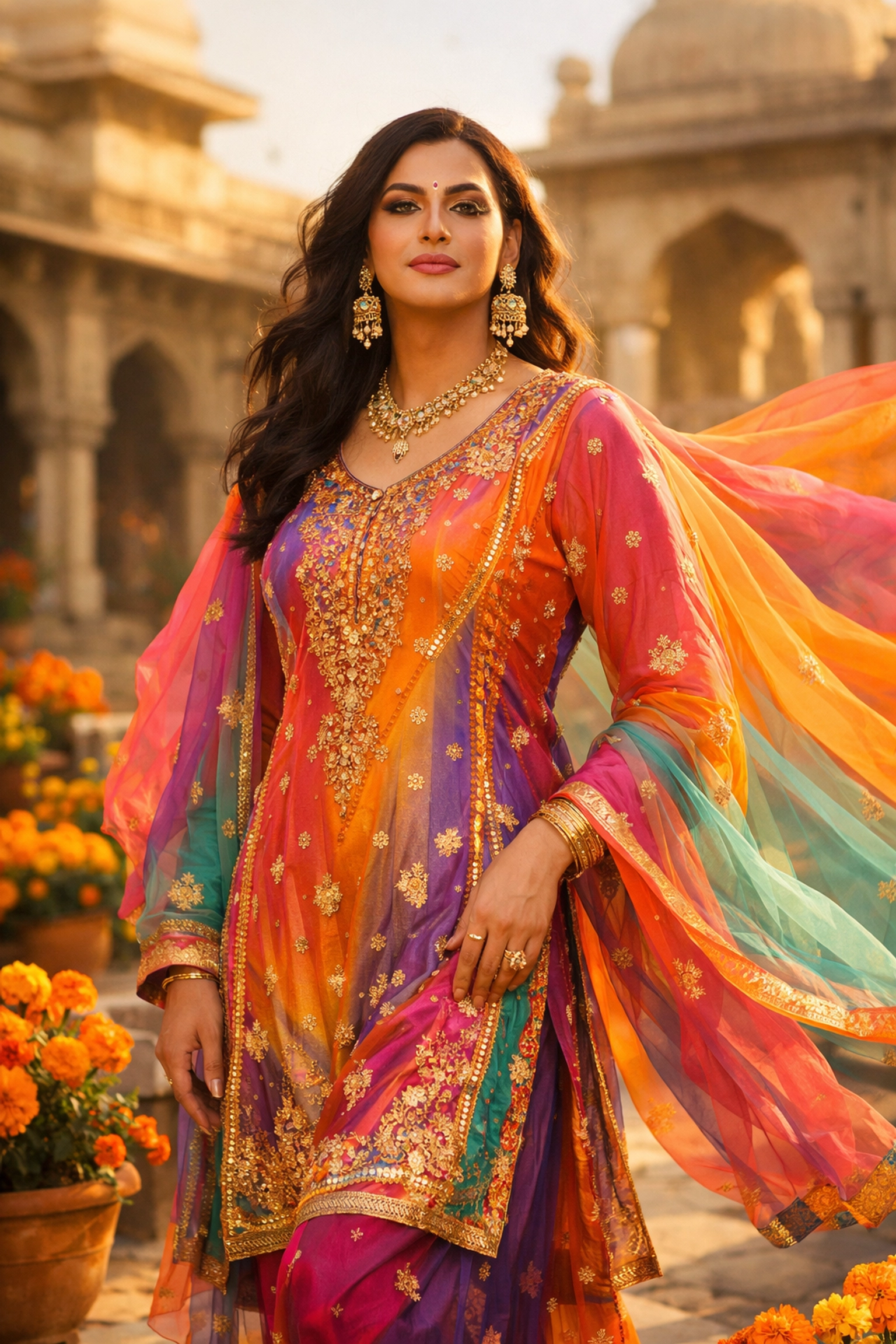
You can’t talk about Pakistan without mentioning the khwaja sira. Often translated as "transgender," the term actually encompasses a much broader range of gender-diverse identities with deep historical roots.
In a surprising turn of events for many Western observers, Pakistan passed the Transgender Persons (Protection of Rights) Act in 2018. This law was groundbreaking, allowing people to choose their gender identity on official documents without a medical board's approval. It was a moment of pure "Read with Pride" energy.
Even more fascinating was the 2016 fatwa issued by Tanzeem Ittehad-i-Ummat. This religious decree recognized the rights of transgender people to marry (depending on their gender identity) and declared that depriving them of their inheritance or mocking them was haraam (forbidden). While the law has faced heavy pushback from conservative political parties recently, the fact that it exists: and was supported by some religious leaders: shows that the "gatekeepers" of faith aren't a monolith.
Modern Gay Life: Digital Sanctuaries
So, what is it like on the ground in 2026? In major cities like Lahore, Karachi, and Islamabad, gay life is a blend of the hidden and the digital. Because public "coming out" can still lead to legal or social repercussions, many queer men and non-binary folks find community online.
Apps like Grindr or Scruff act as digital sanctuaries, but they are also sites of risk. However, the community has become incredibly adept at "vetting" and creating safe spaces. There are underground parties, secret film screenings, and private book clubs where people discuss everything from popular gay books to local activism.
The internet has also allowed queer Pakistanis to connect with the global Ummah (Muslim community). Seeing queer Muslims in the UK, US, or Canada living authentically provides a blueprint for reconciliation. They are proving that you don't have to choose between your prayer mat and your partner.
Why Representation Matters in Queer Fiction
At Read with Pride, we believe that stories save lives. For a queer kid in a small town in Punjab, finding a gay romance novel or an LGBTQ+ ebook that features characters who look like them: and pray like them: can be the difference between despair and hope.
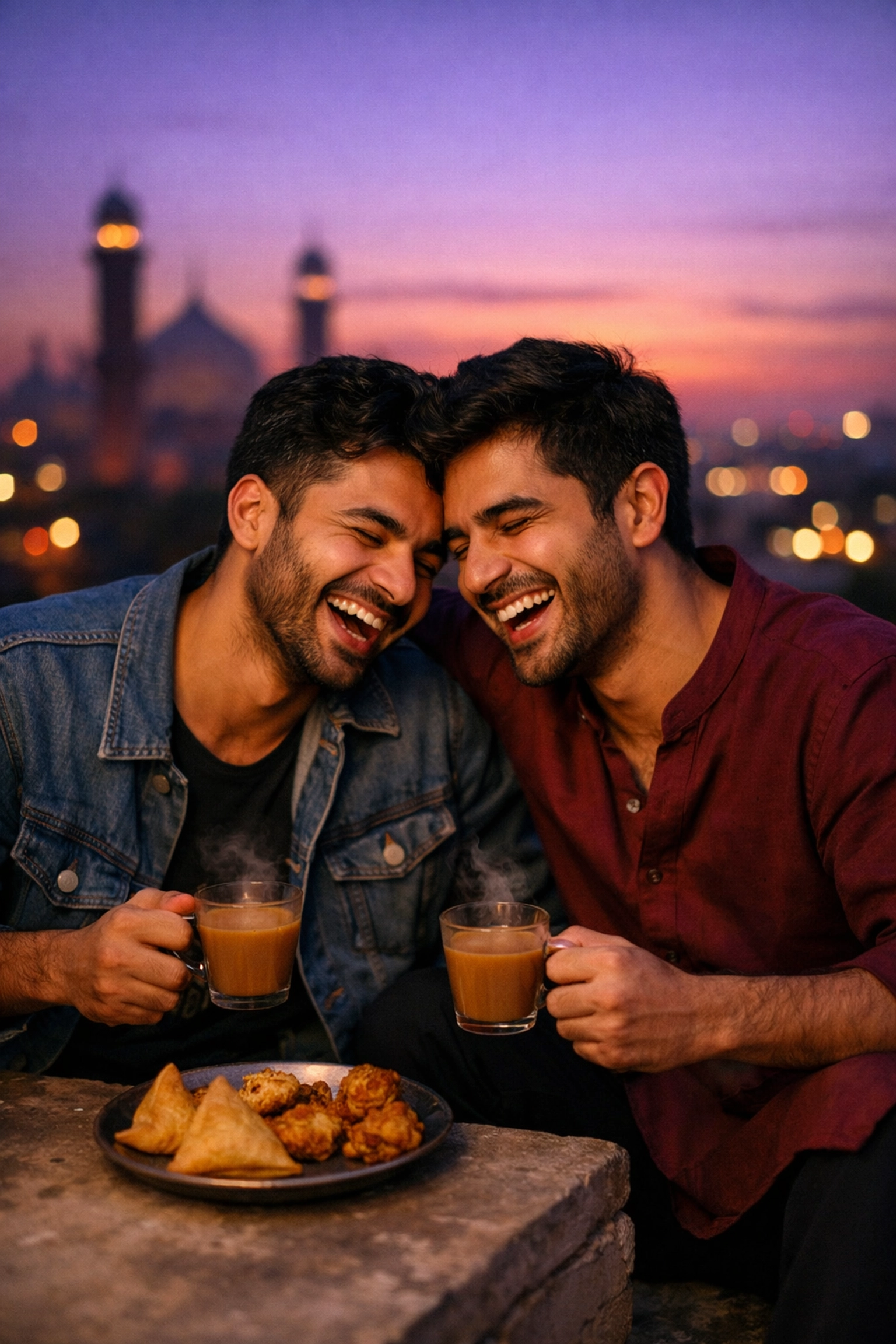
The market for MM romance is slowly expanding to include more diverse voices. We’re seeing more "own voices" stories that tackle the specific challenges of being South Asian and queer. These books don't just focus on the trauma; they celebrate the joy, the food, the music, and the deep family bonds that define Pakistani life. If you’re a writer looking to develop these kinds of characters, check out our guide on 7 mistakes you’re making with LGBTQ+ character development.
The Road Ahead: 2026 and Beyond
The battle for queer rights in Pakistan is currently at a fever pitch. As progressive interpretations gain ground, the conservative backlash has intensified. Petitions in the Federal Shariat Court are challenging the 2018 Act, and activists are working overtime to protect the progress that's been made.
But here’s the thing: you can’t put the genie back in the bottle. A whole generation of queer Pakistanis has grown up knowing they have rights, knowing their history, and knowing that their faith doesn't have to be a prison. They are building a future where "Read with Pride" isn't just a slogan, but a way of life.
Whether it’s through secret underground art or the slow, steady work of theological reform, the queer community in Pakistan is proving that love is universal, and faith is what you make of it.
If you’re looking for more stories that break boundaries, explore our MM contemporary collection or check out the latest gay romance series hitting the shelves this year.
Stay authentic, stay proud, and keep reading.
Join the conversation:
- Follow us on Facebook
- Check out our latest updates on X (Twitter)
- See the beauty of the community on Instagram
#ReadWithPride #LGBTQPakistan #QueerMuslims #MMRomance #GayLiterature #ProgressiveIslam #KhwajaSira #GayBooks2026 #SouthAsianQueer #FaithAndSexuality
For more queer fiction and inclusive storytelling, visit readwithpride.com.

Leave a Reply
You must be logged in to post a comment.