

readwithpride.com
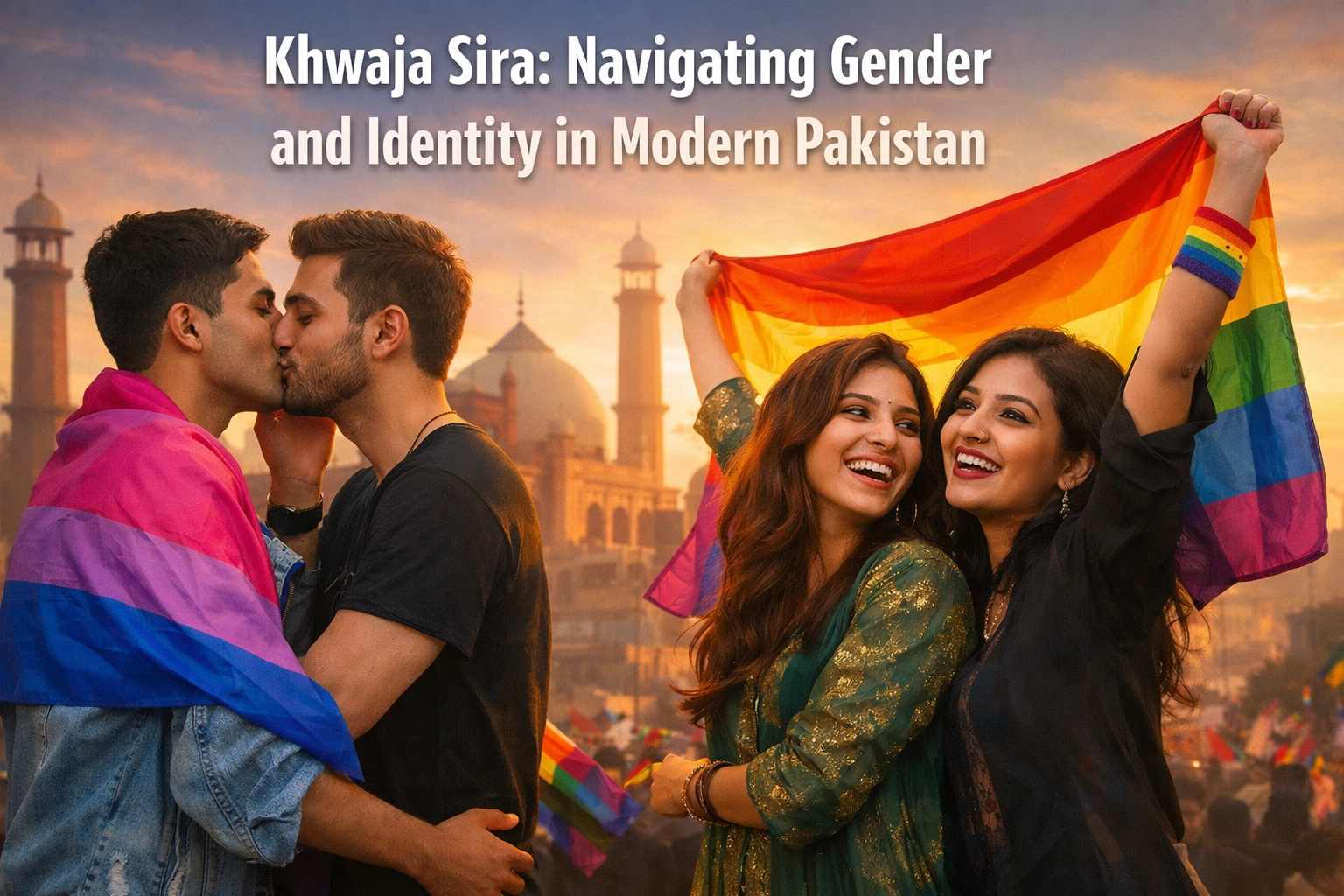
When we talk about queer history and identity at Read with Pride, we often find ourselves scrolling through the Victorian era or the Stonewall riots. But today, we’re taking a flight across the globe to Pakistan to talk about a community that has been defying the gender binary since long before "non-binary" was a trending keyword in Western spaces.
Let’s talk about the Khwaja Sira.
In a world where we’re constantly looking for new gay releases and the best MM romance books of 2026, it’s easy to forget that queer and trans identities aren’t "new" or "Western imports." The Khwaja Sira community in Pakistan is living proof that gender diversity is ancient, culturally rooted, and incredibly resilient.
Who Are the Khwaja Sira?
If you’re a fan of gay historical romance, you’d love the actual history here. The term "Khwaja Sira" is a Persian-derived title. Khwaja means "master" or "lord," and sira refers to the inner quarters. Historically, this wasn't a label of shame: it was a title of high status.
In the South Asian context, Khwaja Sira is an umbrella term for a community of individuals who were assigned male at birth but identify as a "third gender." This includes trans women, non-binary folks, and intersex individuals. What makes them unique is that they don’t necessarily see themselves through the lens of Western "transgender" labels. Instead, they belong to a centuries-old cultural tradition with its own internal social structure, rituals, and language (known as Hijra Farsi).
From Royal Courts to the Streets: A History of Erasure
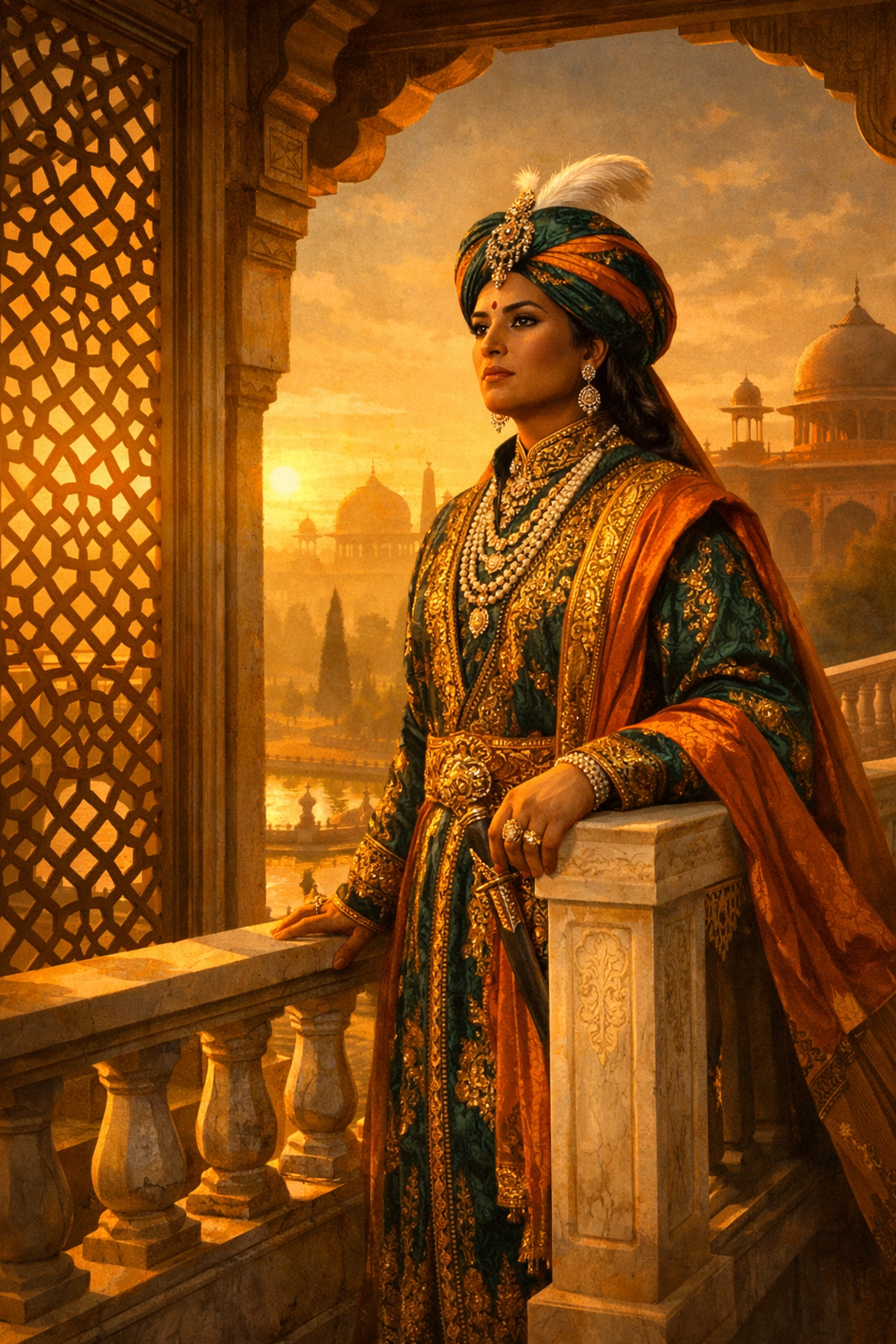
During the Mughal Empire (16th to 19th centuries), the Khwaja Sira weren't just accepted; they were powerful. They were the trusted advisors to emperors, the guardians of the royal harems, and spiritual guides. Because they were seen as occupying a space between male and female, they were considered "pure" and held a unique spiritual authority. Many were famous poets and mediators.
So, what happened? In a word: colonialism. When the British Empire took control of India (which included modern-day Pakistan), they were absolutely baffled and horrified by the existence of a recognized third gender. In 1871, the British passed the Criminal Tribes Act, which essentially criminalized the Khwaja Sira community, labeling them as "addicted to the systematic commission of non-bailable offences."
This colonial hangover is something we still see in gay literature today: the way Western frameworks often erased indigenous queer identities. The British stripped the Khwaja Sira of their land, their roles, and their dignity, pushing them to the margins of society where many remain today, often relying on begging or dancing at weddings to survive.
The Guru-Chela System: A Queer Family Tree
One of the most beautiful aspects of the Khwaja Sira community is their internal support system. Since many are rejected by their biological families (a trope we see all too often in emotional MM books), they create their own.
They live in deras (communal houses) led by a Guru (mentor). The students, or Chelas, look to the Guru for protection, housing, and guidance. It’s a formalized version of the "chosen family" we celebrate in popular gay books. This system has kept the community alive through centuries of persecution, providing a safety net that the state often fails to provide.
Legal Wins and Modern Paradoxes
Pakistan has actually made some groundbreaking moves in the 21st century. In 2009, the Supreme Court ruled that Khwaja Siras were entitled to equal rights, including the right to a national identity card with a "third gender" category.
Then came the 2018 Transgender Persons (Protection of Rights) Act. On paper, this was a massive win. It allowed for:
- Self-identification: You don’t need a medical board to tell you who you are.
- The "X" Marker: A legal third gender on passports and IDs.
- Non-discrimination: Protection in schools, jobs, and hospitals.
However, as we enter 2026, the reality is a bit more complicated. While the law exists, implementation is a struggle. Religious conservatives have fought back, claiming the law "promotes homosexuality" (which is still illegal in Pakistan under colonial-era laws) and trying to dismantle the right to self-identification.
The "Girya": A Hidden Romance
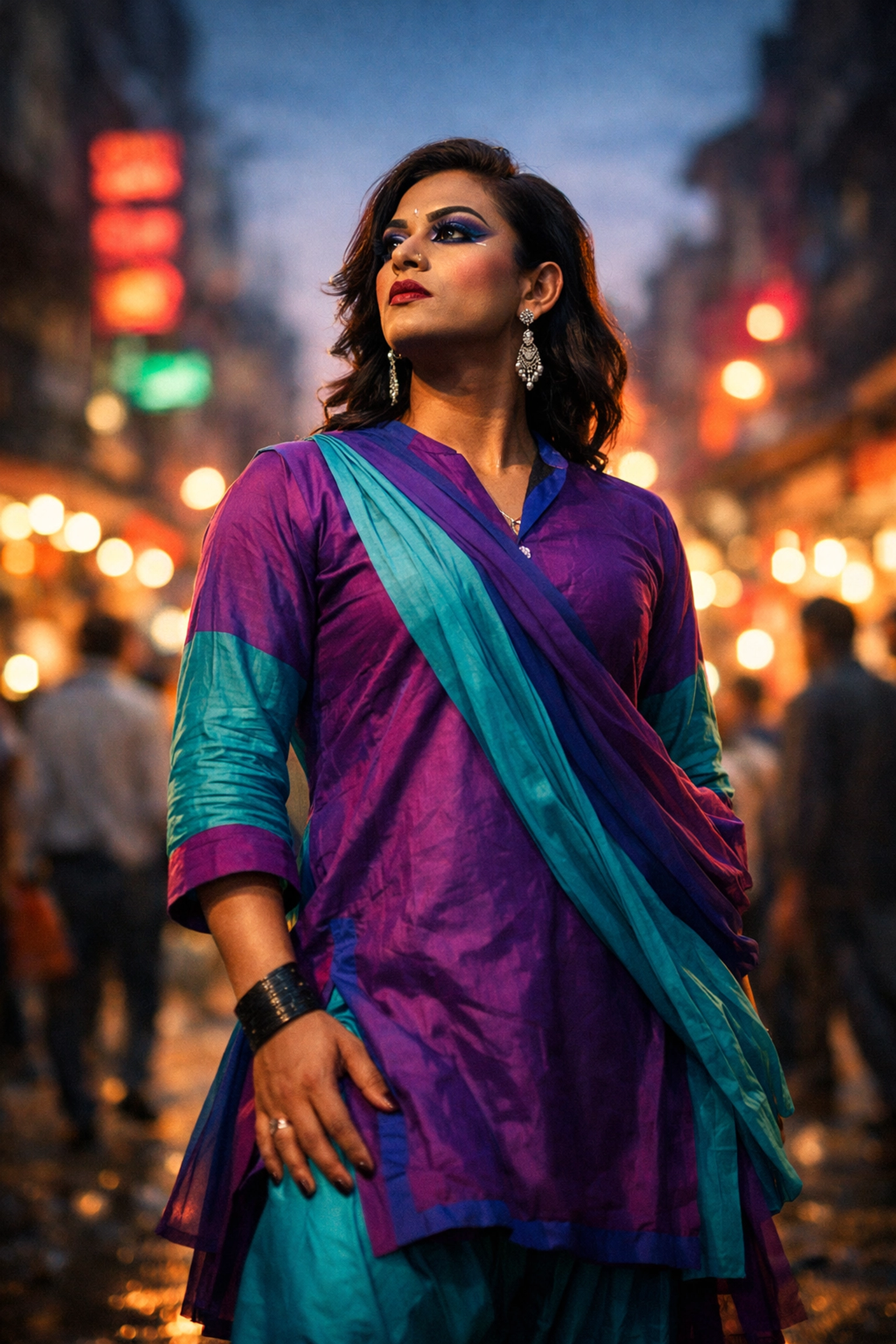
In the world of MM romance, we love a good "secret relationship" trope. For many Khwaja Siras, this is a daily reality. Many have long-term romantic partners called Girya. These men are often cisgender and may even have traditional families, but they provide financial and emotional support to their Khwaja Sira partners.
Because these relationships have no legal standing, the Khwaja Sira partner is incredibly vulnerable. If the Girya leaves or passes away, the partner has no right to inheritance or protection. It’s a poignant reminder of why LGBTQ+ fiction that focuses on legal and social hurdles remains so relevant.
Why This Matters for Readers and Writers
As a community of readers at Read with Pride, we know that representation is everything. When we write or read MM contemporary or gay fantasy romance, we’re often looking for mirrors of our own lives. But looking at the Khwaja Sira reminds us that our "queer mirror" is massive and global.
There is a growing movement of Khwaja Sira activists, models, and even news anchors in Pakistan who are reclaiming their Mughal-era dignity. They are fighting the stigma that they are only "beggars" or "entertainers" and showing the world that they are a vibrant, essential part of the Pakistani fabric.
If you’re a writer looking to develop LGBTQ+ character development, the history of the Khwaja Sira is a masterclass in complexity. It challenges the idea that "progress" only moves in one direction (from "primitive" to "modern Western") and shows how traditional cultures often held more space for us than the modern ones that replaced them.
Final Thoughts: Resilience is the Constant
The Khwaja Sira have survived empires, colonial purges, and modern political firestorms. Their existence is an act of resistance. Whether they are navigating the digital world on dating apps or performing ancient rituals at Sufi shrines, they are a reminder that the spectrum of gender is as old as humanity itself.
At Readwithpride.com, we’re committed to telling all kinds of stories: from the steamy MM romance you read under the covers to the heavy, heart-wrenching histories that shaped our world.
Want to explore more queer history or find your next favorite gay novel? Check out our latest collections and let’s keep reading with pride.
Follow us for more queer culture and book recs:
- Facebook: Read with Pride
- X (Twitter): @Read_With_Pride
- Instagram: @read.withpride
#KhwajaSira #QueerHistory #Pakistan #LGBTQRights #ReadWithPride #MMRomance #TransHistory #SouthAsianCulture #GayBooks2026 #GenderIdentity

Leave a Reply
You must be logged in to post a comment.