

readwithpride.com
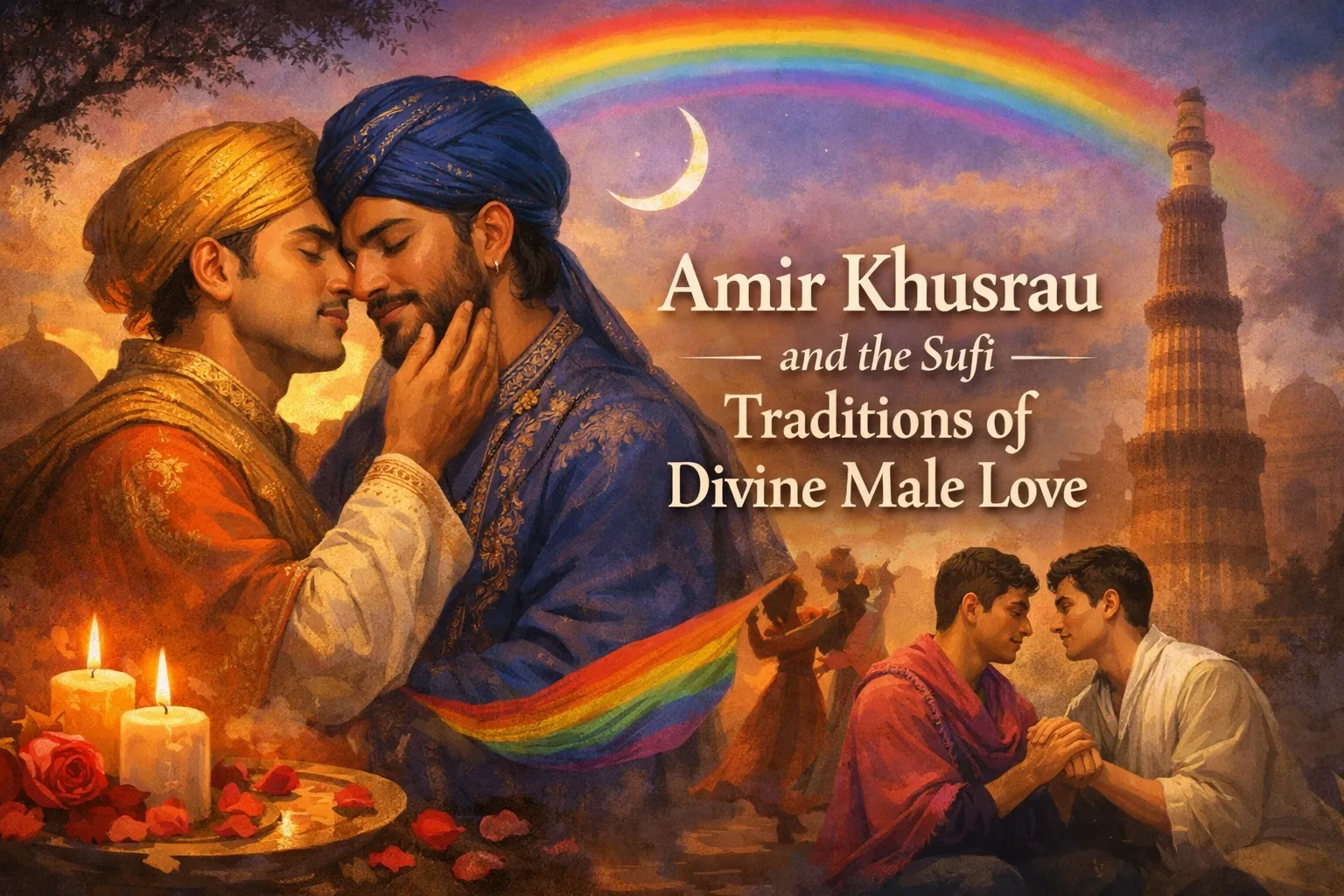
If you think the "grumpy x sunshine" trope or the "devoted protector" vibe in your favorite MM romance books is a modern invention, I’ve got news for you. We need to hop into a time machine and head back to 13th-century Delhi. Long before the 2026 gay books hitting the shelves today, there was a man named Amir Khusrau who was basically the OG of "writing your feelings."
At Read with pride, we’re all about celebrating queer stories, and sometimes the most profound "gay love stories" aren't found in contemporary novels, but in the ecstatic, soul-shattering poetry of the Sufi tradition. Today, we’re diving into the life of Amir Khusrau and his legendary devotion to his spiritual master, Nizamuddin Auliya. It’s a tale of divine love, gender-blurring poetry, and a bond so deep it redefined what "intimacy" could mean.
The Master and the Disciple: More Than Just "Good Friends"
Amir Khusrau wasn't just some guy with a pen; he was a polymath, a musician, and a royal poet. But his heart belonged entirely to Nizamuddin Auliya, a Sufi saint of the Chishti Order. In the world of gay historical romance, we often look for labels, but in the Sufi world, they had a different vocabulary for the overwhelming pull of one soul toward another.
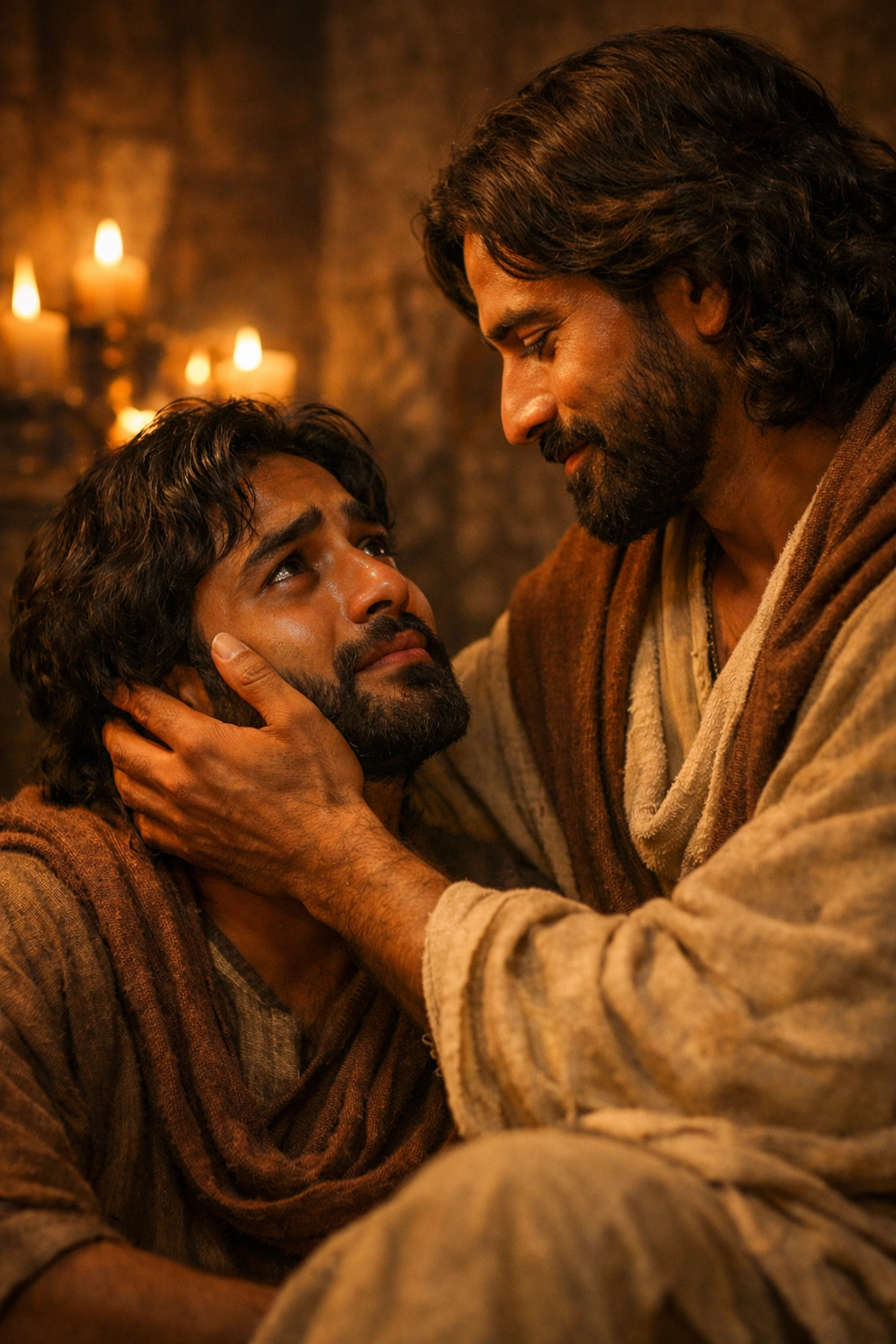
Khusrau's relationship with Nizamuddin was the central pillar of his life. When they met, it wasn't just a student-teacher dynamic. It was an explosion of spiritual and emotional energy. Khusrau referred to his master as Mahbul-i Ilahi (the Beloved of God).
If you've ever read a slow burn MM romance, you know that feeling of agonizing pining. Khusrau lived in that state. He wrote, "My heart left me, but longing for you won't leave my heart." That is some top-tier "heartfelt gay fiction" energy right there.
Understanding the Two Loves: Ishq-e-Majazi and Ishq-e-Haqiqi
To understand why Khusrau’s work resonates so much with the LGBTQ+ community today, we have to look at the Sufi concepts of love. They divided love into two categories, but: and here is the kicker: they believed one led to the other.
- Ishq-e-Majazi (Metaphorical Love): This is love for a human being. It’s the earthly, passionate, and often physical attraction we see in gay romance novels.
- Ishq-e-Haqiqi (Divine Love): This is the ultimate love for the Divine (God).
In the Sufi tradition, Ishq-e-Majazi: the love for a beautiful man or a beloved mentor: was seen as a "bridge" to the Divine. You didn’t have to suppress your earthly desires; you used them as fuel to reach a higher state of consciousness. For Khusrau, loving Nizamuddin was the most authentic way he could love God.
For modern readers of queer fiction, this is incredibly affirming. It suggests that our capacity to love another person: specifically another man: isn't a "distraction" or something "sinful," but a sacred path to understanding the universe. It’s the ultimate "genre-bending" take on spirituality. If you’re interested in how these themes evolve, check out why everyone is talking about genre-bending MM romance and how it's reshaping our stories.
The Queer Lens: Gender-Blurring and Spiritual Union
One of the coolest things about Khusrau’s poetry is how he plays with gender. In the Persian and Urdu traditions he helped shape, the soul is often portrayed as a "bride" (feminine) longing for the "Groom" (the Divine or the Master).
Khusrau would often write from the perspective of a woman pining for her lover. While some historians try to "straight-wash" this by saying it's just a literary device, queer scholars and fans of gay literature see something more nuanced. By adopting a female persona to express his love for Nizamuddin, Khusrau was breaking down the rigid barriers of 14th-century masculinity. He was saying that in the presence of the Beloved, gender doesn't matter: only the intensity of the connection does.
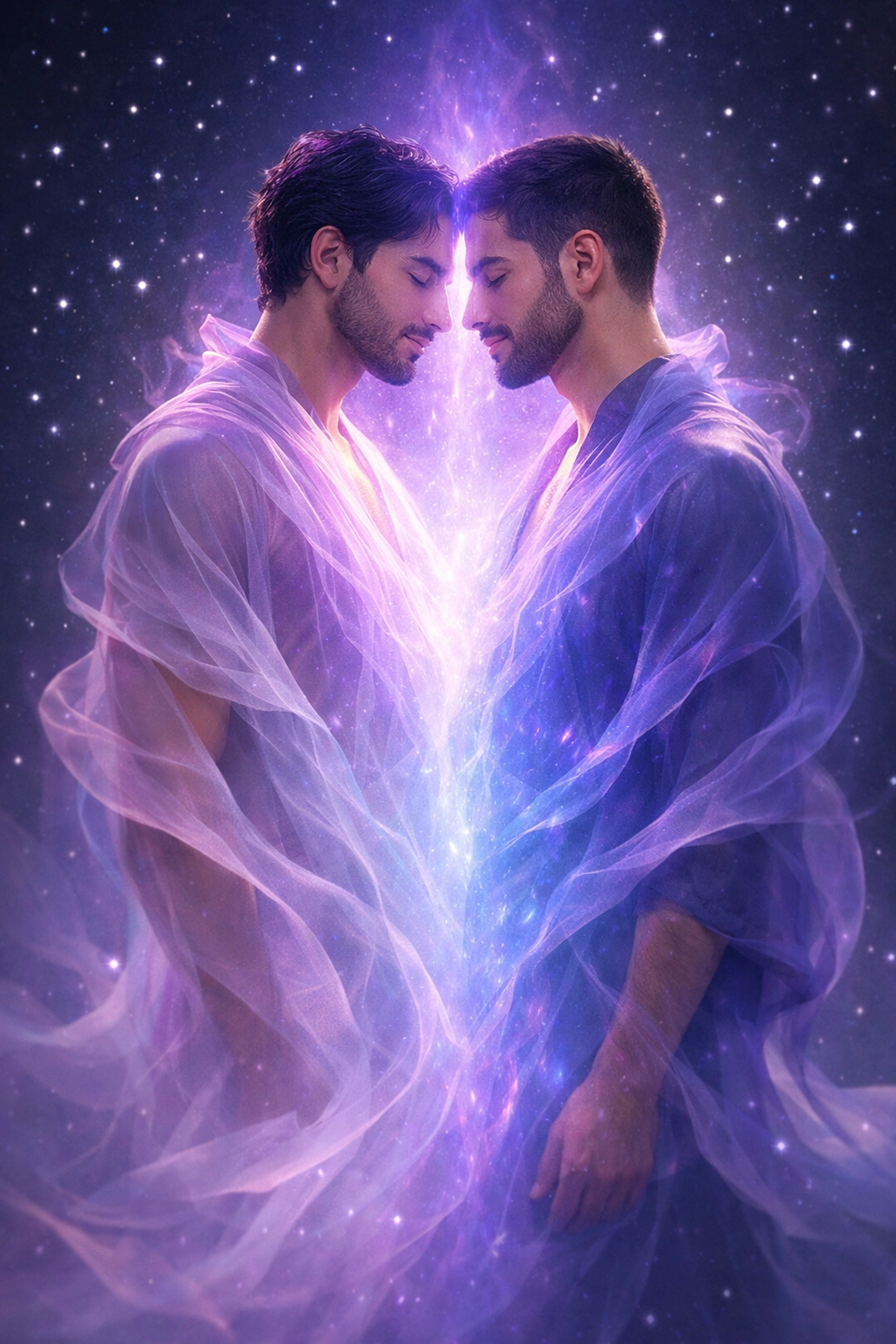
This is a recurring theme in the best MM romance: the idea that two people can create a world where society's rules simply don't apply. Khusrau’s life was a testament to that. He famously said, "I have become you, and you have become me. I am the body, you are the soul." If that isn't the most romantic line ever written in the history of gay love stories, I don't know what is.
The Father of Qawwali and the Rhythm of Desire
Khusrau didn’t just write; he composed. He is credited with being the father of Qawwali, the devotional music that still brings people to tears in Pakistan and India today. Qawwali is designed to induce a state of wajad (ecstasy).
Imagine a group of men singing about their longing for the "Beloved" until they are physically overwhelmed by emotion. In a world where men are often told to be stoic, Khusrau created a space for "steamy MM romance" levels of emotional intensity through song. This tradition of male-centric emotional expression is a direct ancestor to the heartfelt gay fiction we love today. It’s about the vulnerability of saying, "I am nothing without you."
Why This Matters in 2026
In 2026, as we look at the landscape of LGBTQ+ ebooks and gay novels, it’s easy to feel like we’re the first generation to fight for the right to love openly. But looking at the Sufi traditions of Pakistan and the wider Middle East reminds us that queer-coded love: and specifically divine male love: has a long, storied history.
Amir Khusrau and Nizamuddin Auliya were buried near each other in Delhi. Legend says Khusrau died only six months after his master, unable to bear the separation. That’s some "emotional MM books" tragedy right there. Their shrine remains a place where people of all backgrounds: including many queer people seeking a connection to their heritage: go to find peace.
At Readwithpride.com, we believe that knowing our history makes our present stories even stronger. Whether you’re looking for gay historical romance that explores these ancient themes or a gay contemporary romance set in modern-day Lahore or Karachi, the spirit of Khusrau’s "Ishq" is always there.

Finding Your Own "Beloved" in Literature
If you’re craving stories that capture that same level of devotion, pining, and soul-deep connection, we’ve got plenty of recommendations. From MM fantasy that uses magic as a metaphor for spiritual union to steamy MM romance that doesn't shy away from the intensity of "Ishq-e-Majazi," our library is growing every day.
Don't forget to check out our product-sitemap to find the latest 2026 gay books or dive into our blog-category-sitemap for more deep dives into queer history and trope breakdowns.
Amir Khusrau taught us that love is the ultimate rebellion. It doesn't matter if it's 1325 or 2026: the heart wants what it wants, and sometimes, that longing is the most divine thing about us.
Stay proud, stay curious, and keep reading.
#ReadWithPride #AmirKhusrau #SufiLove #LGBTQHistory #GayLiterature #MMRomance #GayBooks2026 #QueerHistory #SouthAsianQueer #DivineLove
For more stories and the best in LGBTQ+ fiction, follow us on our journey:
Explore more at readwithpride.com.

Leave a Reply
You must be logged in to post a comment.