
readwithpride.com
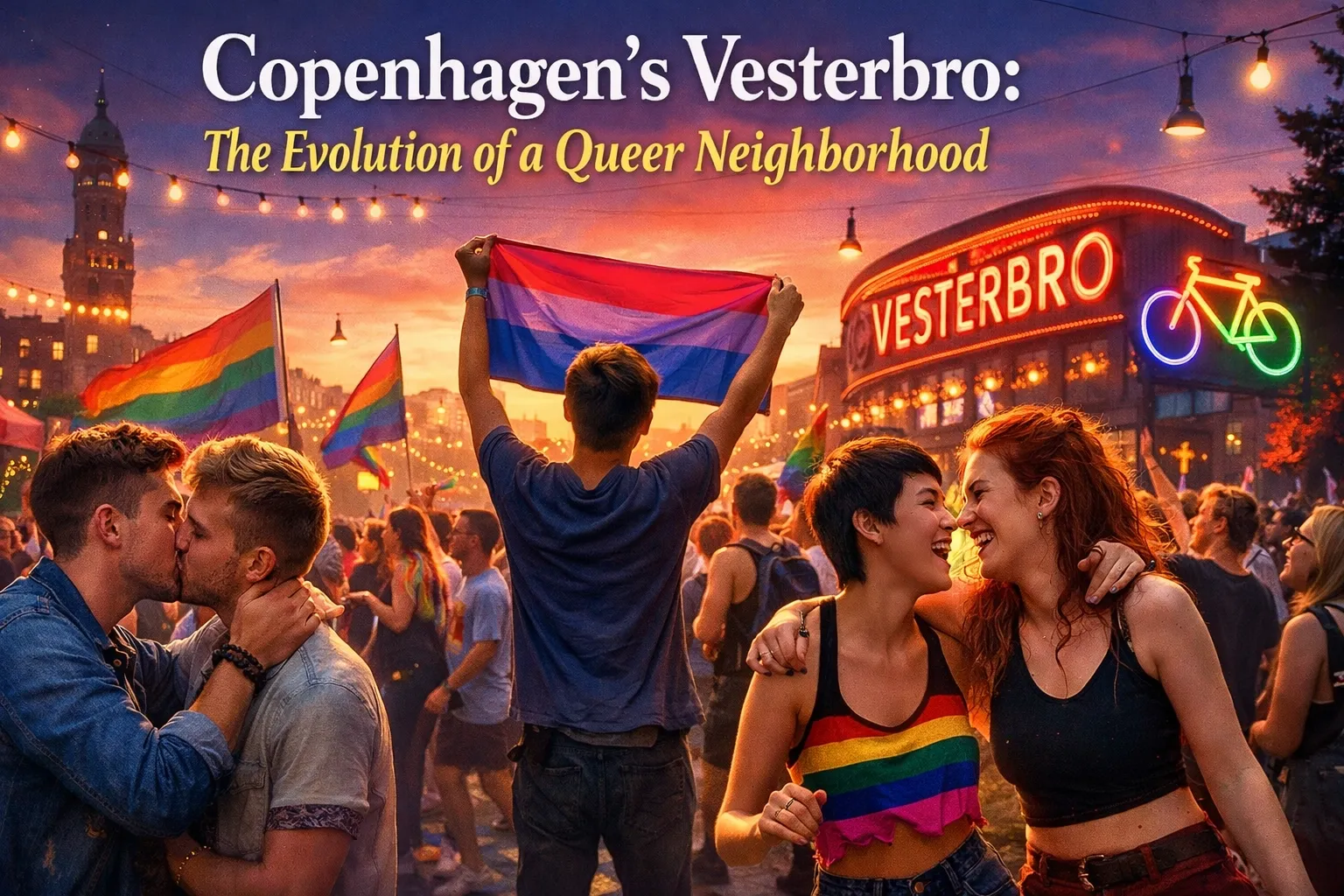
If Copenhagen were a person, Vesterbro would be the one with the vintage leather jacket, a slightly smeared stick of eyeliner, and a collection of rare vinyl that they actually listen to. Today, it’s the neighborhood where you’ll find the trendiest coffee shops and parents pushing designer strollers, but scratch the surface, and you’ll find a history that is as gritty as it is glamorous. For the LGBTQ+ community, Vesterbro isn't just a place to grab a flat white; it’s a living testament to how queer spaces evolve, survive, and occasionally, fight back against the tide of gentrification.
At Read with Pride, we love a good transformation story: whether it’s a character arc in one of our favorite MM romance books or the literal restructuring of a city’s heartbeat. Vesterbro’s journey from a walled-off "forbidden" zone to a queer sanctuary is the kind of narrative we live for.
From the "Wild West" to the Rainbow District
Historically, Vesterbro was the "outside." Before the mid-19th century, Copenhagen was a fortified city, and everything beyond the Western Gate (Vesterport) was fair game for industry, entertainment, and the things the "polite" society inside the walls didn't want to see. When the city walls finally came down in the 1850s, Vesterbro exploded into a densly populated working-class district.
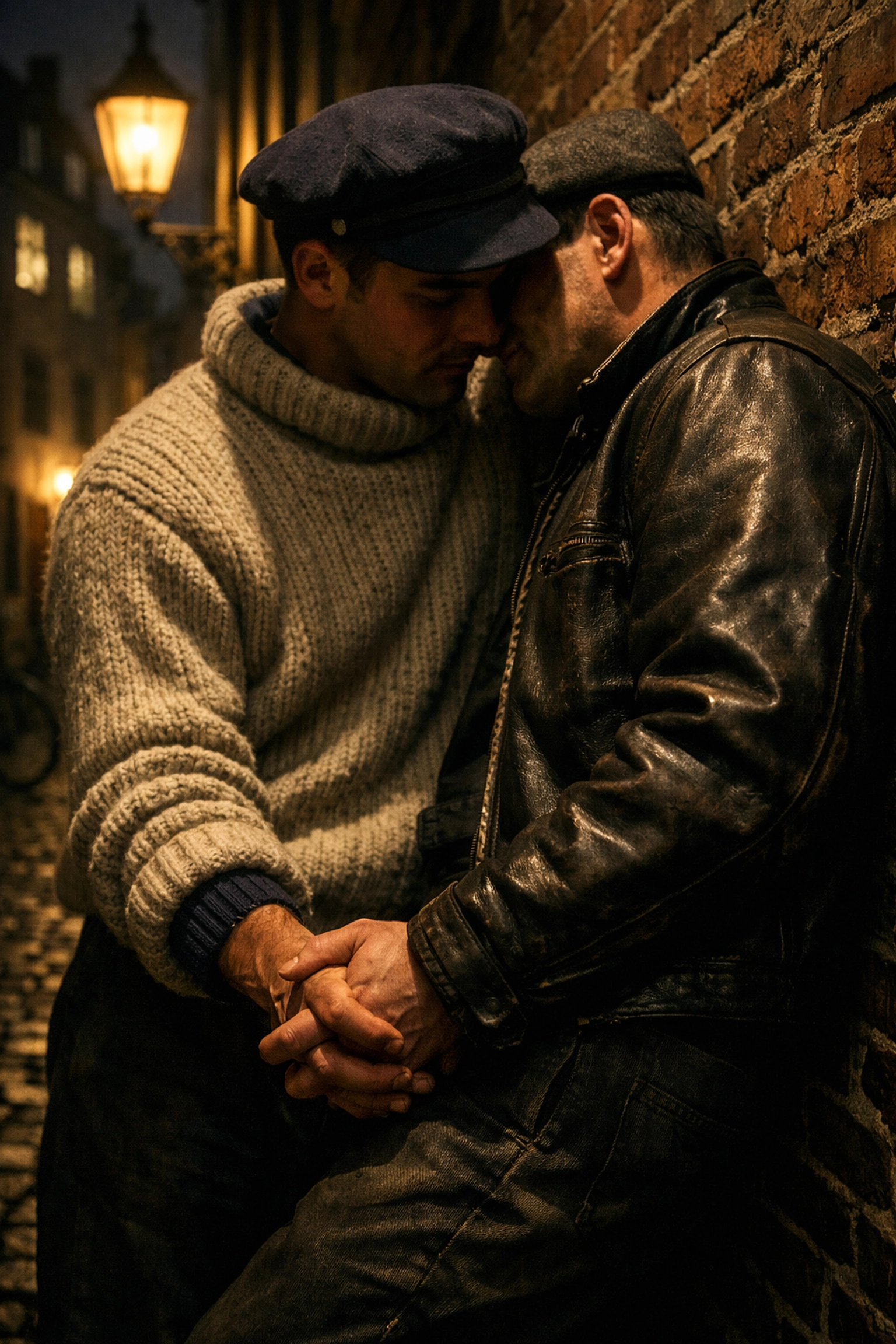
By the 20th century, Istedgade: the neighborhood’s main artery: had become synonymous with the red-light district. It was a place of butchers, sailors, and sex workers. But as any fan of gay historical romance knows, where there is marginalization, there is often a secret, vibrant community. The "seedy" reputation of Vesterbro provided a cloak of invisibility for the queer community. While the city center held the more "respectable" (and often policed) gay bars, Vesterbro was where the real underground breathed.
The Butchery and the Beauty: The Meatpacking District
You can’t talk about Vesterbro without talking about Kødbyen: the Meatpacking District. In the early 1900s, this was a place of blood and steel. Today, those white-tiled buildings house some of the most avant-garde galleries and nightlife spots in Europe.
For the queer community, this transition was pivotal. As the industrial meat production moved out, the artists and the activists moved in. This wasn't just about gentrification; it was about reclaiming space. It’s the kind of setting that feels ripped straight from a gay contemporary romance: rugged industrial backdrops meeting the soft glow of a neon-lit bar.
One of the crown jewels of this area is Warehouse9. Founded by Jørgen Callesen (the legendary Fish), Warehouse9 has been a staple of the scene for decades. Unlike the high-gloss, corporate-sponsored events you might see at mainstream festivals, Warehouse9 has always been about the raw, the radical, and the authentic. It’s a "digital sanctuary" and a physical one, providing a stage for performance art that pushes boundaries and centers the "T" and the "Q" in LGBTQ+.
The Gentrification Paradox
As we move into 2026, the conversation around Vesterbro has shifted. The "cleancut haven" mentioned in recent urban studies is a reality. The streets that were once home to struggle are now home to high-end boutiques. For the queer community, this is a double-edged sword.
On one hand, the neighborhood is incredibly safe. You can walk down Istedgade holding your partner’s hand without a second thought. On the other hand, the radical activist roots are at risk of being diluted. This is a common theme in queer fiction and gay literature: how do we maintain our identity when the world finally decides to "accept" us by making us part of the mainstream consumer machine?
Venues like Warehouse9 are more important than ever because they represent a refusal to be sanitized. They remind us that queer life isn't just about being "allowed" to exist; it's about setting our own rules. When you browse the Read with Pride store, you’ll find stories that mirror this struggle: characters finding their place in a world that is changing faster than they are.
Why Vesterbro Inspires the Best Gay Romance Novels
There’s something inherently romantic about a neighborhood with a past. When authors write MM romance books or gay love stories, they look for settings that have "soul." Vesterbro has it in spades.
Imagine a "slow burn" romance between a local artist fighting to keep their studio in Kødbyen and a developer who slowly realizes that some things are worth more than profit. Or perhaps an "enemies to lovers MM romance" set in the flickering lights of a Vesterbro basement bar. The contrast between the neighborhood’s rough history and its polished present provides the perfect tension for top LGBTQ+ books.
As we look at the new gay releases of 2026 gay books, we’re seeing more authors move away from generic city settings and toward specific, storied locations like Vesterbro. The authenticity of the neighborhood resonates with readers who want more than just a trope; they want a sense of place.
Navigating Vesterbro Today
If you’re visiting Copenhagen in 2026, Vesterbro is a must-visit. Here’s how to experience its queer heart:
- Istedgade: Start at the Central Station and walk down Istedgade. You’ll see the transition from the gritty station area to the high-end shops. It’s a literal walk through history.
- Kødbyen: Head here for the nightlife. Even if there isn't a specific "queer night" happening, the vibe is almost universally inclusive.
- Absalon: This former church on Sønder Boulevard has been turned into a community house. It’s not strictly a gay venue, but its "everyone is welcome" ethos and frequent drag bingo nights make it a queer favorite.
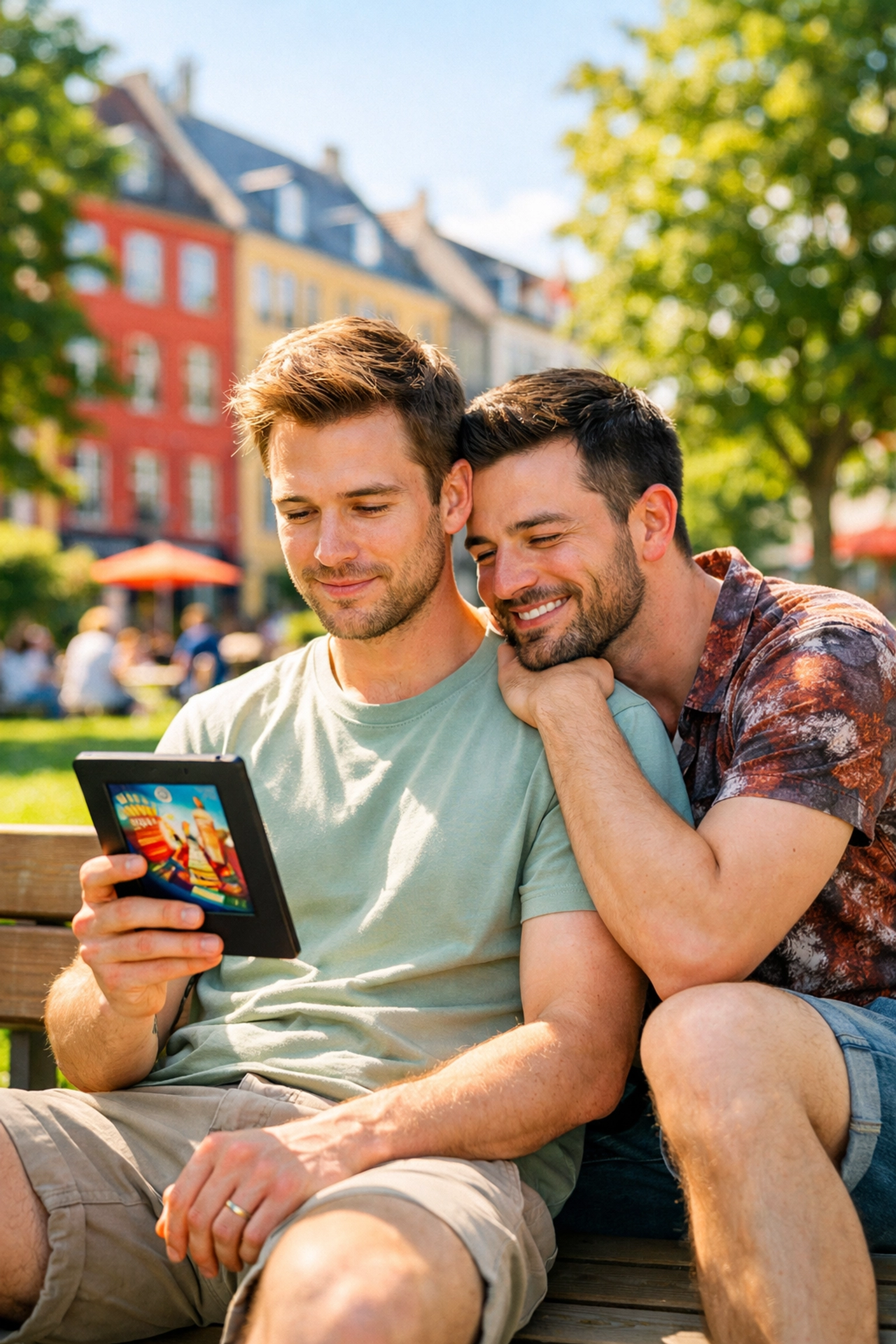
- The Small Parks: Places like Skydebanehaven offer a quiet respite. It’s the perfect spot to sit with one of your favorite LGBTQ+ ebooks and soak in the Scandinavian sun.
The Future of Queer Spaces
The evolution of Vesterbro teaches us that queer spaces are never static. They move, they adapt, and they survive. Whether it’s through physical bars and galleries or through the gay eBooks we read on our phones, we are always building communities.
At Readwithpride.com, we believe in the power of these stories. Our mission is to keep the spirit of places like Vesterbro alive in digital form: authentic, bold, and unapologetically queer. Whether you're looking for a steamy MM romance, a heartfelt gay fiction piece, or the latest gay psychological thriller, we’ve got the stories that celebrate who we were, who we are, and where we’re going.
The "Red Light" might have dimmed in Vesterbro, but the rainbow has never been brighter. It’s a neighborhood that reminds us that even as the world changes, our need for connection, art, and a place to call our own remains constant.
Stay updated with more queer history and book recommendations by following us on Facebook, X (Twitter), and Instagram.
For a deep dive into more queer narratives, check out our sitemaps or explore our blog post archives. And if you're an author looking to share your own Vesterbro-inspired story, learn more about publishing with pride.
#ReadWithPride #Vesterbro #QueerHistory #CopenhagenLGBTI #MMRomanceBooks #GayRomanceNovels #LGBTQPlusFiction #2026GayBooks #QueerCulture #GayTravel #GayLiterature #GayLoveStory #Warehouse9 #Kødbyen

Leave a Reply
You must be logged in to post a comment.