readwithpride.com
If you walk down Karl Johans gate in Oslo today during the month of June, you’re going to see a sea of rainbow flags fluttering against the backdrop of the Royal Palace. It feels natural, right? Like Norway has always been this progressive haven where everyone is free to love who they want. But if we hop into a metaphorical time machine and head back just fifty or sixty years, the vibe was… well, let’s just say it wasn't exactly a pride parade.
At Read with Pride, we’re obsessed with stories, both the ones found in our favorite MM romance books and the real-life histories that paved the way for the authors we love today. Oslo’s journey from "illegal and underground" to "City Hall sanctioned" is a drama better than any gay historical romance novel. It’s a story of secret codes, fierce activists, and a slow-burn revolution that changed the face of Scandinavia forever.
The Era of Whispers and Section 213
Before 1972, being gay in Norway wasn't just socially taboo; it was literally a crime. Under Section 213 of the Norwegian Penal Code, "indecent intercourse" between men was punishable by imprisonment. Interestingly, the law didn't explicitly mention women, mostly because the Victorian-era lawmakers couldn't wrap their heads around the idea that women might also be queer. (Classic heteronormative oversight, right?)
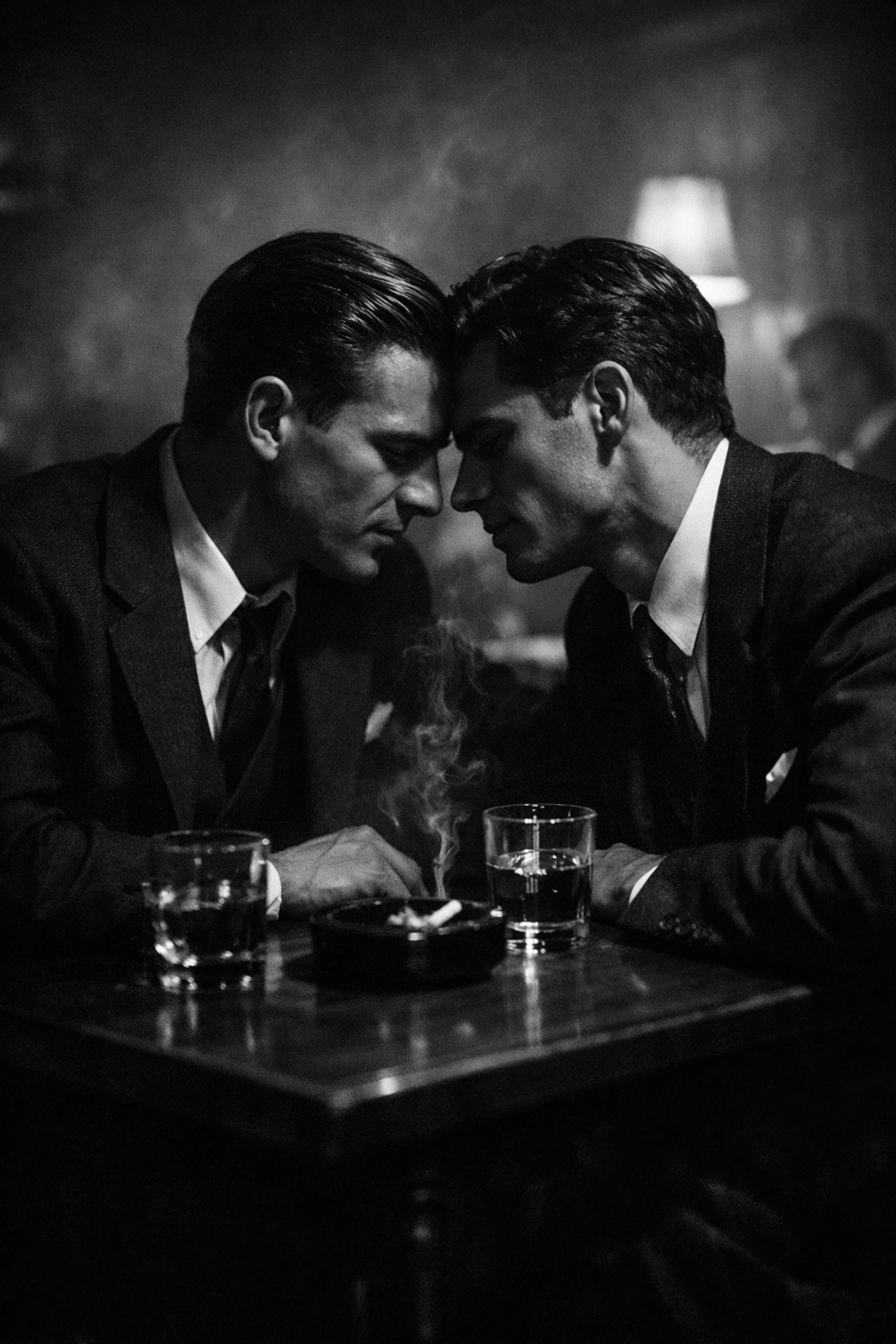
During the 1950s and 60s, queer life in Oslo was a game of high-stakes hide-and-seek. There weren't any "gay bars" with neon signs. Instead, there were "private circles" and underground gatherings. Men would meet in specific cruising spots in the city’s parks or at "gentlemen’s clubs" where the subtext was loud but the actual words were never spoken. If you were looking for a gay love story, you had to read between the lines of every handshake and lingering glance.
Enter Kim Friele: The Legend Who Refused to Hide
You can’t talk about Oslo’s queer history without talking about Karen-Christine "Kim" Friele. She is basically the patron saint of Norwegian LGBTQ+ rights. In 1965, at a time when most people were terrified of being "outed," Kim did the unthinkable: she came out publicly.
She became the leader of Det Norske Forbundet av 1948 (The Norwegian Association of 1948), which was the country’s first major queer organization. Kim didn't just want tolerance; she wanted total legal equality. She lobbied politicians, spoke to the press, and became a visible, unapologetic face for a community that had been forced to live in the shadows. Her bravery is the kind of stuff we look for in top LGBTQ+ books, the hero who stands up when everyone else is sitting down.
Because of the tireless work of Kim and her comrades, Section 213 was finally scrapped in 1972. It was the end of an era of criminality and the beginning of a new chapter where queer Norwegians could finally start breathing a little easier.
The 80s: Pride, Protests, and Progress
Once homosexuality was decriminalized, the floodgates started to open. The 1970s saw the rise of more public "homoculture." But it was the 1980s that really solidified the movement in Oslo.
In 1981, Norway became one of the first countries in the entire world to include sexual orientation in its anti-discrimination laws. Think about that for a second. While much of the world was still deep in the throes of the Cold War and conservative social policies, Norway was already saying, "Hey, you can't fire someone or kick them out of their house just because they’re gay."
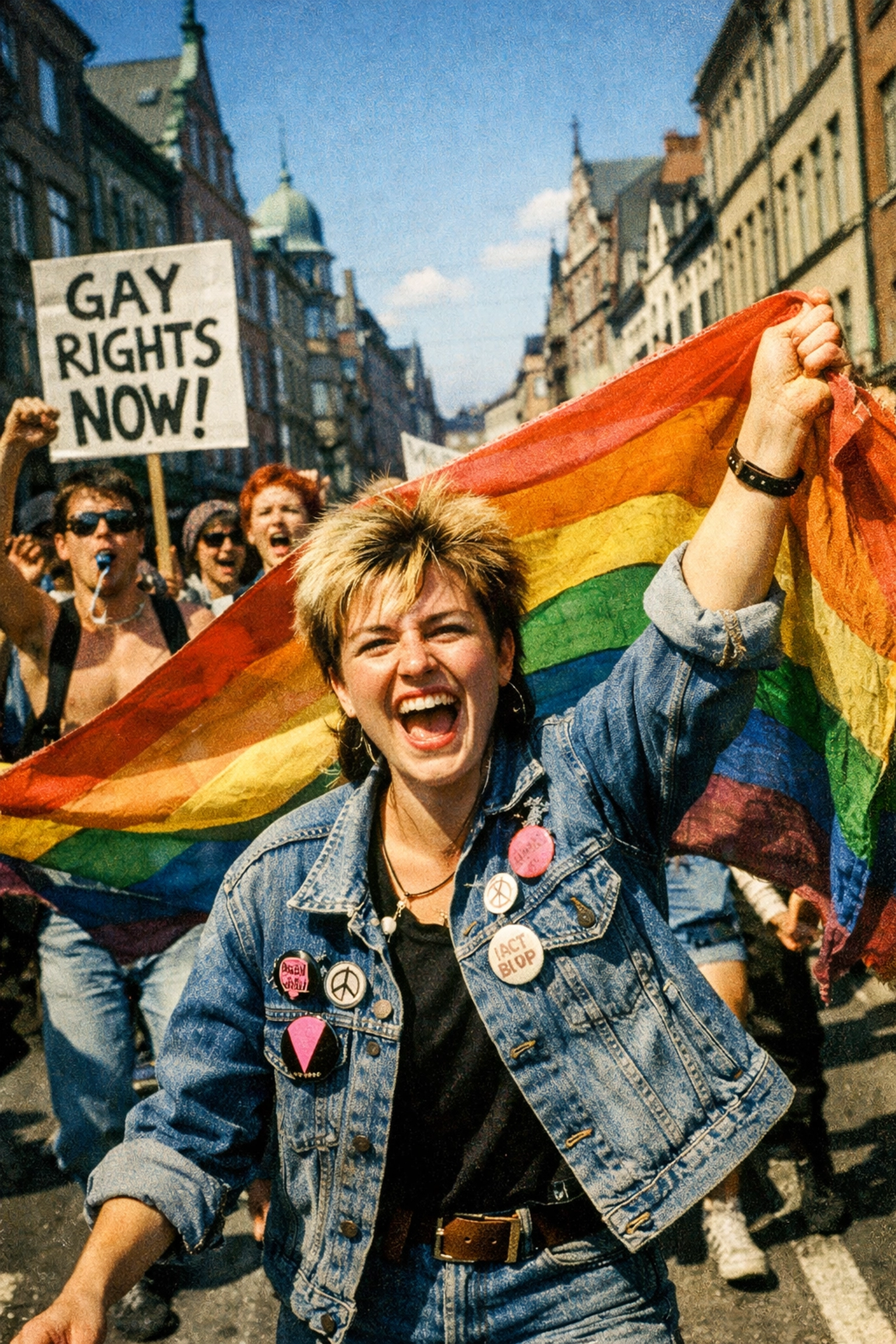
The very first "official" Pride (then called Gay Days) hit the streets of Oslo in 1982. It wasn't the massive 45,000-person party it is now. It was a protest. It was a statement. It was about reclaiming the city streets that had previously been sites of fear. For fans of gay fiction and MM contemporary stories, this era is a goldmine of inspiration: the grit, the community building, and the sheer joy of finally being seen.
From Civil Unions to the Altar
The 90s and 2000s were a whirlwind of legislative wins. In 1993, Norway accepted same-sex civil unions. It wasn't "full" marriage yet, but it was a massive step toward the "happily ever after" that we all crave in our gay romance novels.
The real milestone came on January 1, 2009. This was the day the gender-neutral marriage act came into effect. It didn't just allow for weddings; it granted same-sex couples the right to adoption and assisted insemination. It was total legal parity. And in a move that still makes us a bit misty-eyed, the Church of Norway voted in 2016 to allow same-sex marriages in its churches.
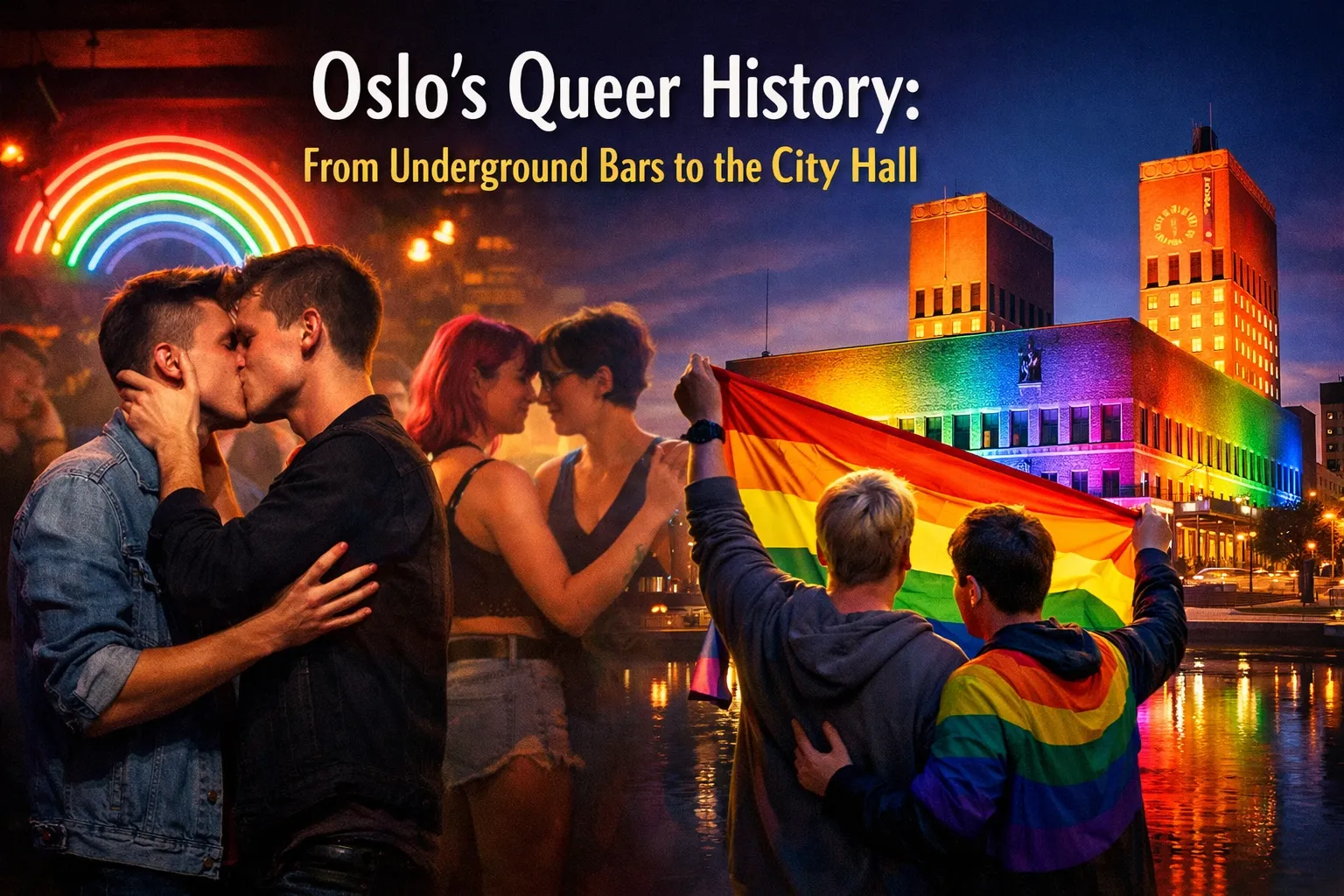
In Oslo, these changes weren't just felt in the courts; they were felt in the culture. The city began to transform. Neighborhoods like Grünerløkka became hubs for queer-friendly businesses, and the annual Pride festival started taking over the Spikersuppa area, right in the heart of the city, between the Parliament and the National Theatre.
A King’s Speech for the Ages
One of the most iconic moments in recent history happened in September 2016. King Harald V stood in the Palace Park and gave a speech that went viral globally. He said:
"Norwegians are girls who love girls, boys who love boys, and girls and boys who love each other."
Having a reigning monarch explicitly validate LGBTQ+ lives was a massive cultural signal. It showed that being queer wasn't just "tolerated" in Oslo; it was a fundamental part of what it meant to be Norwegian. At Readwithpride.com, we believe that representation matters, whether it’s in a royal speech or in the pages of queer fiction.

Oslo Today: A Thriving Queer Destination
If you visit Oslo today, the history is still there, but the vibe is purely celebratory. The city is home to a vibrant scene of bars, clubs, and cultural spaces.
- London Pub: This is the legendary spot. It’s been around since the 70s and is the cornerstone of Oslo’s queer nightlife. It’s survived the dark years and remains the place to go for a pint and a sense of history.
- Cesar Bar & Café: A bit more modern, perfect for a cocktail and some people-watching near the City Hall.
- Oslo Pride: Now one of the biggest events in the city’s calendar, attracting hundreds of thousands of spectators. It’s a riot of color, music, and political activism that reminds us how far we’ve come.
For those of us who love MM romance books and gay literature, Oslo is a city that feels like a living book. It has the tension of the early chapters, the climax of the 1972 decriminalization, and the beautiful, ongoing denouement of a society striving for true equality.
Why This Matters for Readers of Queer Fiction
Why do we spend so much time looking at history? Because every gay love story we read today is built on the foundation of those who fought in cities like Oslo. When you pick up a steamy MM romance or a heartfelt gay fiction title from our store, you’re participating in a culture that was once forbidden.
Oslo’s transition from underground bars to the City Hall isn't just a local story: it’s a global blueprint for hope. It reminds us that things can change, laws can be rewritten, and hearts can be opened.
Whether you’re looking for gay historical romance that captures the secrecy of the 1950s or MM contemporary stories that celebrate the openness of the 2020s, knowing the real history makes the reading experience so much richer.

Explore More with Read with Pride
If Oslo’s journey has you feeling inspired, why not dive into some of the incredible stories we have available? At Read with Pride, we’re dedicated to bringing you the best in LGBTQ+ ebooks and gay romance books.
Check out our blog-category-sitemap for more deep dives into queer culture, or browse our product-sitemap to find your next favorite M/M book.
The history of Oslo teaches us that our stories are worth telling, our love is worth fighting for, and our pride is something that should be lived out loud: not just in the pages of a book, but in the streets of our cities.
Stay connected with the community:
- Follow us on Facebook
- Catch our updates on X (Twitter)
- See the latest on Instagram
From the underground bars of the past to the rainbow-draped City Hall of today, Oslo is a testament to the power of staying true to who you are. Happy reading, and stay proud!
#ReadWithPride #OsloQueerHistory #LGBTQBooks #MMRomance #GayHistory #QueerCulture #GayFiction2026 #ScandinavianPride #KimFriele #GayRomanceNovels

Leave a Reply
You must be logged in to post a comment.