

readwithpride.com
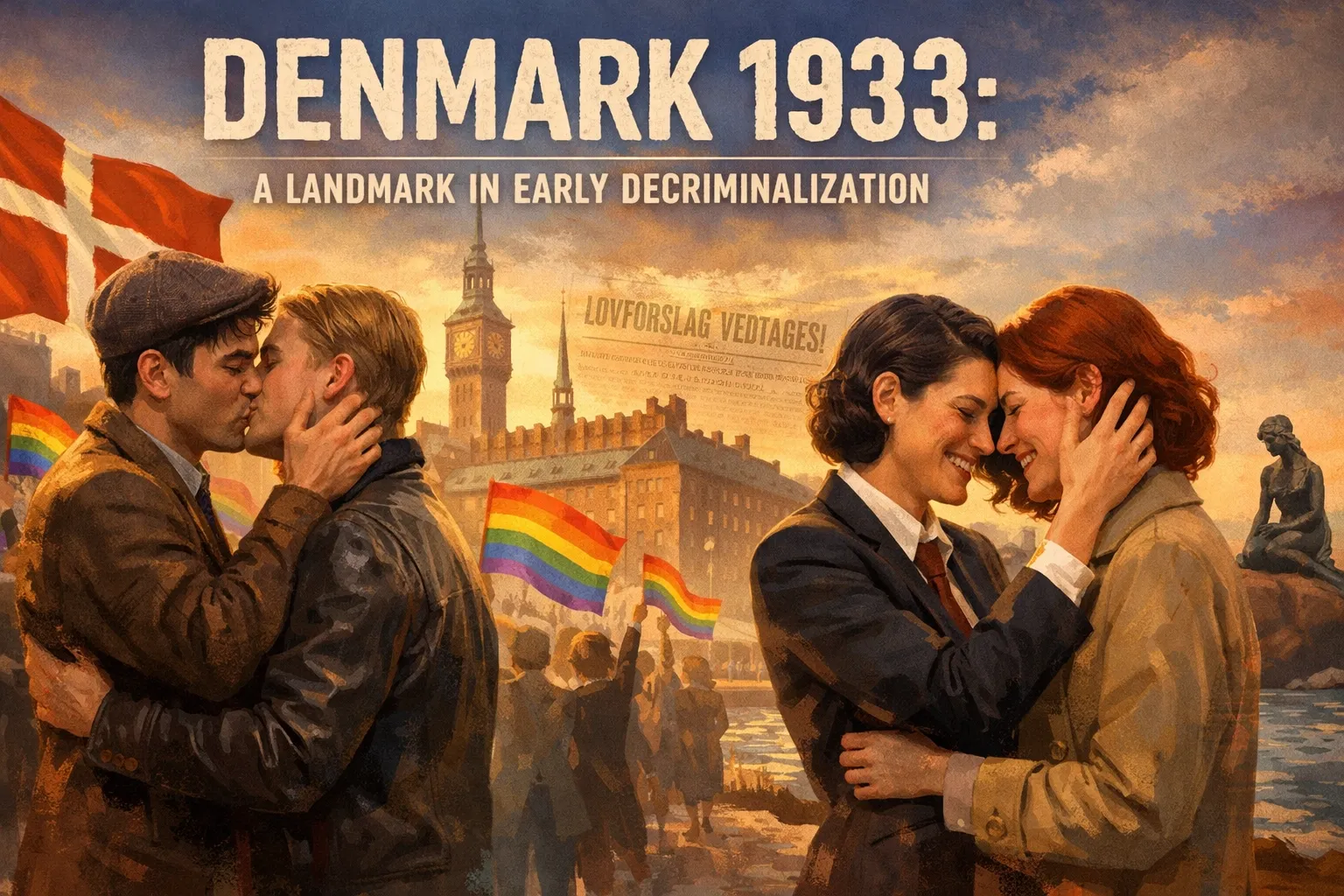
When we think about the "good old days" of the 1930s, we usually picture black-and-white films, jazz clubs, and maybe the looming shadow of some pretty heavy global politics. But for the queer community in Northern Europe, 1933 wasn’t just about the Great Depression, it was the year Denmark decided to stop treating love as a crime.
At Read with Pride, we spend a lot of time diving into MM romance books and queer fiction that explore the "what ifs" of history. But the actual history of Denmark in 1933 is just as gripping as any gay historical romance novel you’ll find on our digital shelves. It’s a story of survival, a shift in medical thinking, and the very first bricks being laid for the progressive Scandinavia we know and love today.
The Brutal Backdrop: From Stakes to Cells
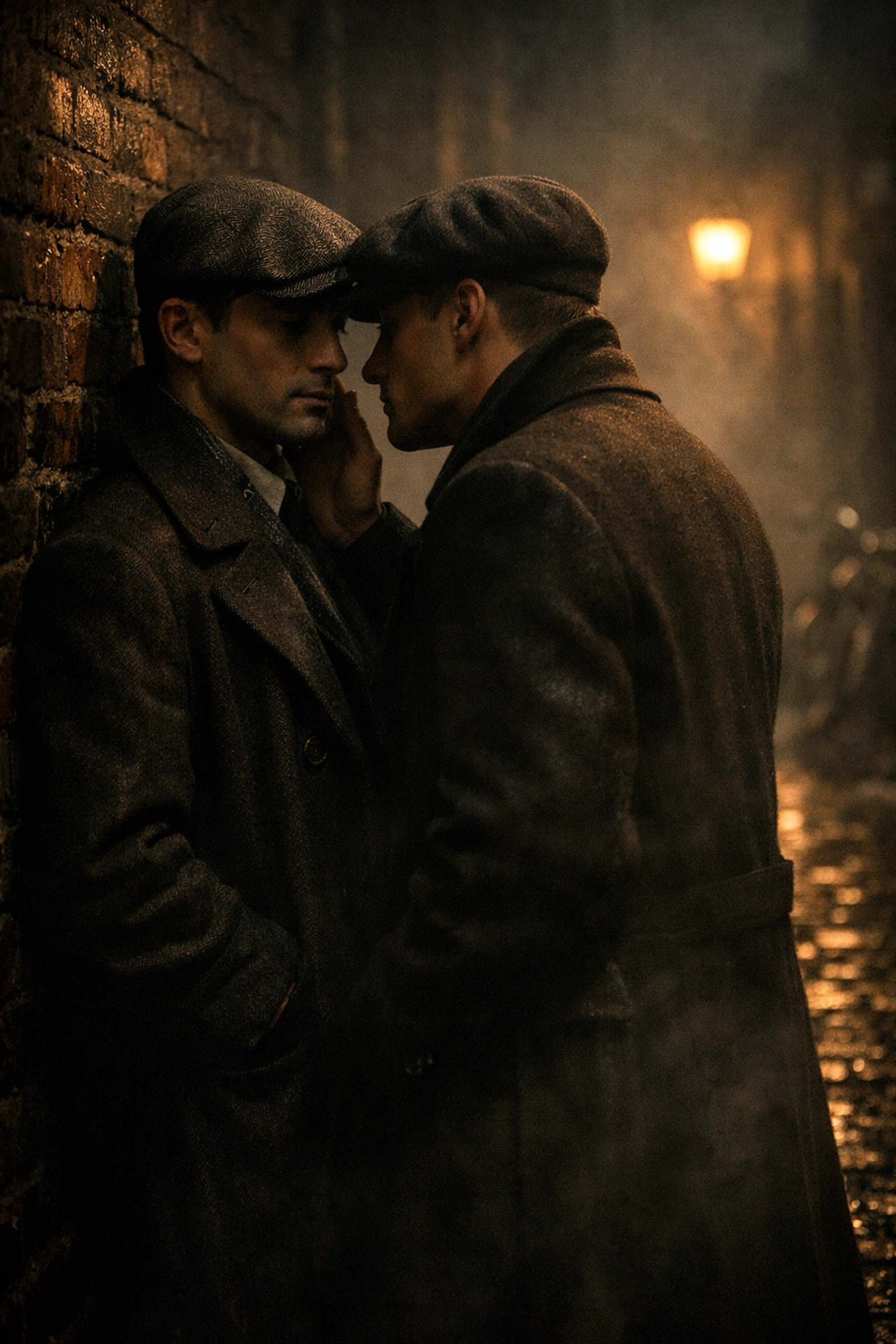
Before we get to the celebration, we have to look at what Danish queer folks were dealing with. It wasn't pretty. If you go back to 1683, the era of King Christian V, the law was terrifyingly clear. "Crimes against nature" (which was the legal catch-all for sodomy) were punishable by burning at the stake. Imagine trying to live your truth when the legal consequence was literally fire.
By 1866, things "improved" slightly, if you can call it that. The death penalty was off the table, but the Penal Code swapped the stake for hard labor. We’re talking anywhere from eight months to six years of breaking rocks in solitary confinement just for being caught with a partner. This is the kind of high-stakes drama that fuels some of the most intense gay psychological thrillers, but for people living in Copenhagen or Aarhus at the turn of the century, it was a daily, terrifying reality.
1933: The Penal Code that Changed Everything
Fast forward to the early 1930s. While much of the world was tightening its grip on social "morality," Denmark was undergoing a quiet revolution in its legal system. The Penal Code of 1930 was drafted, and on January 1, 1933, it officially became the law of the land.
This code did something radical: it decriminalized consensual same-sex sexual activity between adults (those over the age of 18).
Now, let’s be real for a second. Was Denmark suddenly a rainbow-colored utopia in 1933? Not exactly. The legal shift was driven by a change in "scientific" perspective. The big-brains of the era decided that homosexuality wasn't a "sin" or a "crime", it was a "disease."
While the "disease" label feels incredibly gross and outdated by our 2026 standards, in 1933, it was a massive win for safety. It’s much harder for the police to throw you in a dungeon for a medical condition than it is for a criminal act. This shift effectively ended the era of state-sponsored hunts for gay men and women in Denmark. It allowed the community to breathe, even if they still had to do it behind closed doors or in "private" social circles.
Why 1933 Set the Stage for Northern European Progressivism
Denmark didn't just stumble into this. This early decriminalization set a precedent that rippled through the rest of Scandinavia. By taking the "criminal" label off queer bodies, Denmark opened the door for social movements that would eventually lead to the world’s first registered partnerships in 1989.
When you read gay historical romance set in this era, you often see characters fleeing to places like Berlin or Paris. But Denmark was building something sturdier, a legal foundation. It’s why, when we look at popular gay books today, so many of them feature the safety and openness of Northern Europe. They are standing on the shoulders of the 1933 legislators who dared to say, "Enough with the prisons."
The Legacy in Literature and MM Romance
As lovers of MM romance books and queer fiction, we often look for stories that balance struggle with hope. The Danish 1933 milestone is the ultimate "slow burn" plotline for an entire nation. It reminds us that progress isn't a straight line (pun intended). It's a series of legal battles, shifts in public perception, and the tireless work of activists whose names we might never know.
For those of you writing or reading gay fiction in 2026, understanding this history adds so much depth to your characters. Imagine a story about a young man in 1930s Copenhagen, living through the transition from being a "criminal" to being "disturbed" but legal. The tension, the relief, the cautious optimism, that’s the stuff great MM novels are made of.
At Read with Pride, we’re committed to highlighting these stories. Whether it’s through our store or our curated lists of top LGBTQ+ books, we want to bridge the gap between our history and our modern narratives.
Milestones After 1933: The Road to Equality
Decriminalization was just the beginning. Denmark kept pushing the envelope, proving that once you start recognizing human rights, it’s hard to stop. Here’s a quick timeline of how they kept the momentum going:
- 1977: Denmark equalized the age of consent to 15, regardless of sexual orientation. No more "special rules" for queer youth.
- 1981: Homosexuality was officially removed from the list of mental illnesses. (About time, right?)
- 1989: Denmark became the first country in the world to recognize same-sex unions through registered partnerships.
- 2012: Gender-neutral marriage became the law, allowing couples to wed in the Church of Denmark.
Why We Should Care in 2026
You might be wondering, "Penny, why are we talking about 1933 when it’s 2026?" Well, fam, because history repeats itself, and knowing where we came from gives us the tools to protect where we are. In a world where rights can sometimes feel fragile, looking back at a country that chose progress during one of the darkest decades of the 20th century is incredibly inspiring.
It also helps us appreciate the new gay releases of today. When we read a steamy MM romance or a heartfelt gay fiction story set in a world where the characters are safe and loved, we’re seeing the fruition of the seeds planted in 1933.
Finding Your Next Historical Read
If this dive into Danish history has you craving some gay romance novels with a historical twist, we’ve got you covered. Check out our blog categories for deep dives into different eras, or browse our author section to find creators who specialize in MM historical romance.
There is something so powerful about seeing our community reflected in the past. It proves we’ve always been here, always been fighting, and: at least in the case of Denmark: always been leading the charge toward a kinder world.

Join the Conversation
What’s your favorite era for gay historical romance? Do you prefer the high-stakes danger of the 1800s or the burgeoning freedom of the mid-20th century? Let us know!
Stay authentic, stay proud, and keep reading.
Follow us for more queer history and book recs:
#ReadWithPride #LGBTQHistory #Denmark1933 #MMRomanceBooks #GayRomance #QueerFiction #GayHistoricalRomance #2026GayBooks #LGBTQProgress #GayLiterature #MMFiction
Don't forget to check out our latest curated collections and sitemaps to find your next five-star read. Whether you're into gay fantasy romance or gay contemporary romance, we’ve got the stories that celebrate who you are.
Ready to find your next obsession? Visit Readwithpride.com for the best in LGBTQ+ publishing.

Leave a Reply
You must be logged in to post a comment.